

Top 8 Mountain Bicycles in Canada for 2026: Hardtail & Full-Suspension Options for Cross-Country, Trail, Enduro and Downhill
Published on Thursday, February 26, 2026
Mountain bicycles are purpose-built bikes designed for off-road trails, featuring hardtail and full-suspension platforms optimized for cross-country, trail, enduro, and downhill riding. For Canadian riders in 2026, the category appeals because it blends modern performance technology—dropper posts, wide-range drivetrains, tubeless-ready wheels, modern frame geometry, and broad suspension-travel choices—with durability for varied terrain and seasons. Canadian consumers often choose bikes based on local trail types (rocky Laurentian singletrack, rooty coastal trails, alpine descents in the Rockies), weather resilience, support from local dealers, and resale value. Hardtails remain popular for lightweight cross-country speed and simplicity, while full-suspension frames dominate technical trail, enduro, and downhill riding where comfort, control, and traction matter. This guide highlights the top eight mountain bicycles available in Canada for 2026, explaining who each model suits and which tech and setup choices matter most for local riding conditions.
Top Picks Summary
The Norco Revolver HT 120 is a Canadian-designed XC hardtail built around a carbon race frame with a longer-travel 120mm front end that soaks up rough trails and adds confidence on mixed terrain. Unlike the race-focused Epic or the ultra-light Exceed, the Revolver leans toward trail capability and durability over absolute weight savings, making it a practical value pick for riders who ride varied terrain.
Show More Cross Country Hardtail Bikes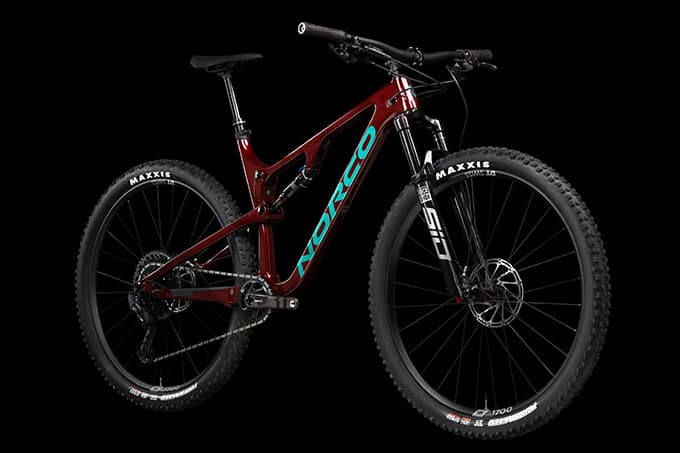
$1,500 – $2,500
Norco Sight C2 skews toward the rowdier side of trail bikes with a stout chassis and longer-travel behavior that excels on technical, fast descents while retaining reasonable pedaling efficiency. Against the Instinct Alloy and Fuel EX, the Sight delivers a more gravity-oriented ride and competitive pricing for riders who prioritize descending capability and durability on demanding trails.
Show More Trail Full Suspension Bikes$6,000 – $7,500
The Altitude Carbon 90 takes a best-in-class spot for enduro riders who want a confidence-inspiring carbon chassis with aggressive geometry that still pedals efficiently uphill. Its tunable setup and long-reach platform make it a versatile race and all-mountain weapon, sitting between the pure-descend bias of the Norco and the big-wheel stability of the Devinci while often undercutting the top-dollar builds from Santa Cruz. For riders focused on raw descending capability without sacrificing climb performance, the Altitude offers a compelling technical and value balance.
Show More Enduro Mountain Bikes
$9,500 – $11,500
The Devinci Wilson is the Chicoutimi brand's long-running carbon downhill platform — a Canadian-made, Split-Pivot chassis with a stiff front triangle and race-oriented geometry that historically undercut the premium European and American race bikes on price. It is the sentimental and practical Canadian pick, with domestic frame production and dealer support close at hand in Quebec and BC. One caveat worth knowing before you shop: the Wilson has not had a recent model-year refresh, and most of what you will find is remaining dealer stock, older builds or the used market. Confirm the model year, size and shock spec with the seller before committing, and budget for a suspension service on anything that has sat.
Show More Downhill Mountain Bikes
$7,000 – $11,000
The Surly Ice Cream Truck is the market leader for durability, utility, and long-haul versatility thanks to its stout steel frame, generous tire clearance, and plentiful mounting points for racks and gear—qualities that appeal to bikepackers and riders who prize serviceability over outright lightness. In contrast to the Rocky Mountain’s performance focus and Kona’s rider-specific fit, the Ice Cream Truck emphasizes affordability, repairability, and load-carrying capability, while offering a more stable, comfortable ride than many lighter aluminum fat bikes. Its technical simplicity and modularity give it excellent long-term value for touring, commuting, and expedition-style fat biking.
Show More Fat Tire Mountain Bikes
The Canyon Stitched 360 delivers high-spec performance through a direct-to-consumer model, offering aggressive geometry and strong component value that undercuts similarly equipped rivals. Compared with dealer-backed brands, Canyon often provides better spec for the money than the Norco and NS Bikes options, although buyers trade some local service convenience for the direct-sales price advantage.
Show More Dirt Jump Mountain Bikes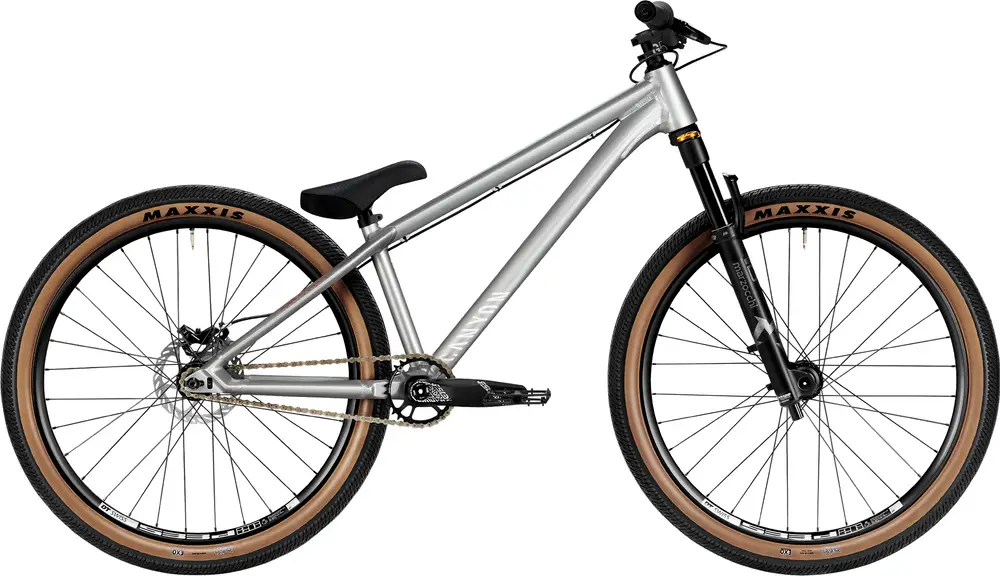
$1,700 – $2,300
The Strider 12 Sport Balance Bike is a lightweight, no‑frills leader for toddlers learning balance, prized for its simplicity and very affordable price which makes it a common first choice compared with premium options. Its minimalist design and wide dealer availability keep replacement parts and upgrades inexpensive, while its adjustability makes it a practical, low‑risk entry point in a youth mountain‑bike buying list for toddlers.
Show More Youth Mountain Bikes
The Transition Sentinel Alloy with a RockShox Zeb Select fork is the best value-focused kit in the list, delivering a burly alloy frame and a long-travel Zeb that prioritizes big-hit control and durability for aggressive trail and enduro use. While heavier and less resale-attractive than the carbon options, its lower upfront cost and rugged components make it ideal for riders building a capable bike on a budget or for those who ride hard and want minimal worry about cosmetic damage. Compared to carbon kits, it offers financial accessibility and straightforward maintenance without sacrificing the core performance needed for demanding terrain.
Show More Mountain Bike Framesets
What Research and Evidence Say About Mountain Biking Benefits and Technology
A growing body of scientific research and industry testing supports the health, skill and equipment benefits of mountain biking. Studies and field tests show that regular off-road cycling improves cardiovascular fitness, builds muscular endurance and balance, and can reduce stress. Equipment-focused research and laboratory tests demonstrate how suspension, tire choice and tubeless setups affect traction, impact absorption and puncture resistance. For beginners, evidence-based guidance helps match bike type, suspension travel and tire setup to riding goals and trail conditions.
Cardiovascular and metabolic health: Controlled studies find that regular cycling, including off-road riding, improves aerobic capacity and supports calorie expenditure comparable to other moderate-to-vigorous activities.
Strength, balance and neuromuscular gains: Mountain biking engages core and lower-body muscles and challenges balance and coordination, which research links to reduced fall risk and improved functional fitness.
Mental health benefits: Multiple studies associate outdoor exercise and trail riding with reduced stress, improved mood, and better cognitive recovery compared with indoor training.
Suspension and control: Laboratory and field tests show that appropriate suspension setup reduces rider fatigue, increases traction on rough terrain, and improves descending control—important for enduro and downhill disciplines.
Tire and tubeless performance: Comparative testing indicates tubeless-ready systems with lower pressures increase traction and reduce pinch flats, while wider, modern tire profiles improve rollover and cornering grip on technical trails.
Drivetrain and shifting reliability: Real-world evaluations show wide-range 1x drivetrains simplify shifting and reduce chain-drop incidents, while modern clutch-equipped derailleurs maintain chain stability on rough terrain.
Frequently Asked Questions
What is the best all-round mountain bike in this guide for Canadian trails?
For mixed Canadian singletrack, the Norco Sight C2 is the standout all-rounder: a full-suspension trail bike with 160mm of fork travel and 150mm at the rear, so it climbs respectably and descends with real confidence. Norco is a Canadian brand, which makes dealer support easy to find. It's rated 4.5/5. If your riding is mostly lift-served and steep, the Devinci Wilson CC (4.4/5) is the dedicated downhill bike on this list instead.
Which bike is best for fast, efficient cross-country riding?
The Norco Revolver HT 120 is the cross-country pick here. It's a 29in carbon hardtail with a 120mm fork, a Shimano Deore 11-speed drivetrain and hydraulic disc brakes - slightly more travel than a pure race XC bike, which makes it steadier on rough Canadian trails without giving up hardtail efficiency. It's rated 4.2/5 and lands around $1,500-2,500 CAD.
What suspension travel and wheel size does the Norco Sight C2 use?
The Sight C2 runs 160mm of fork travel and 150mm at the rear on 29in wheels. Norco also builds it in an MX mixed-wheel setup, with a 29in front wheel and a 27.5in rear for a bit more agility. It's an all-mountain platform that leans toward fast, technical descents while still pedalling efficiently, and it's rated 4.5/5.
Is the Rocky Mountain Altitude Carbon 90 better for enduro or cross-country?
Enduro and aggressive all-mountain riding, not cross-country. It pairs a carbon chassis with 160mm of rear travel and a 170mm fork, and Rocky Mountain's RIDE-4 flip chip lets you move the geometry between four settings with a single Allen key. That keeps it stable on steep, fast descents while still climbing well. It's rated 4.5/5, with prices around $9,500-11,500 CAD.
Conclusion
Whether you are chasing fast XC laps, dialing in a trail bike for weekend outings, or seeking an enduro or downhill rig for steep, technical terrain, the top eight picks in this guide reflect what Canadian riders value most in 2026: durability, modern tech, and fit for local trails. We hope you found the bike profile that matches your goals. Use the site search or filters to refine by discipline, budget, suspension type, wheel size, or local dealer availability to expand or narrow your options.