

Latex Inner Tubes in Canada 2025: Guide to the Top 5 Picks — Which Tube Best Balances Speed, Air Retention, and Durability?
Lightweight latex inner tubes deliver lower rolling resistance and a noticeably more supple ride, making them a go-to choice for competitive cyclists and performance-minded riders across Canada. Compared with conventional butyl tubes, latex is thinner and more flexible, which reduces energy loss at the contact patch and improves vibration damping for better road feedback and perceived comfort. That performance comes with tradeoffs: latex holds pressure for a shorter time, so tubes require more frequent inflation and careful handling to avoid damage. In Canada, where long training rides, variable weather, and remote routes are common, many riders choose latex for races, time trials, and high-intensity group rides while keeping a butyl spare for daily commuting or long touring. Consumer preference in the Canadian market often balances a desire for measurable speed gains and improved ride quality against practical concerns like air retention, puncture sensitivity, and availability of replacements.
Inception's AI took the time to understand this market in Canada · · How we pickWe may earn a commission on purchases. It never affects our rankings.
Top Picks Summary
Vittoria Latex Tubular Inner Tube
Vittoria Competition Latex Inner Tube is the race-focused pick thanks to its very low weight and proven reduction in rolling resistance, making it a top choice for competitive cyclists chasing marginal gains. Compared with Continental and Silca it delivers similar high-end suppleness at a slightly more accessible street price, though like all latex tubes it trades air retention for performance and needs more frequent top-ups than butyl alternatives.

We may earn a commission on purchases. It never affects our rankings.
$34.98CAD
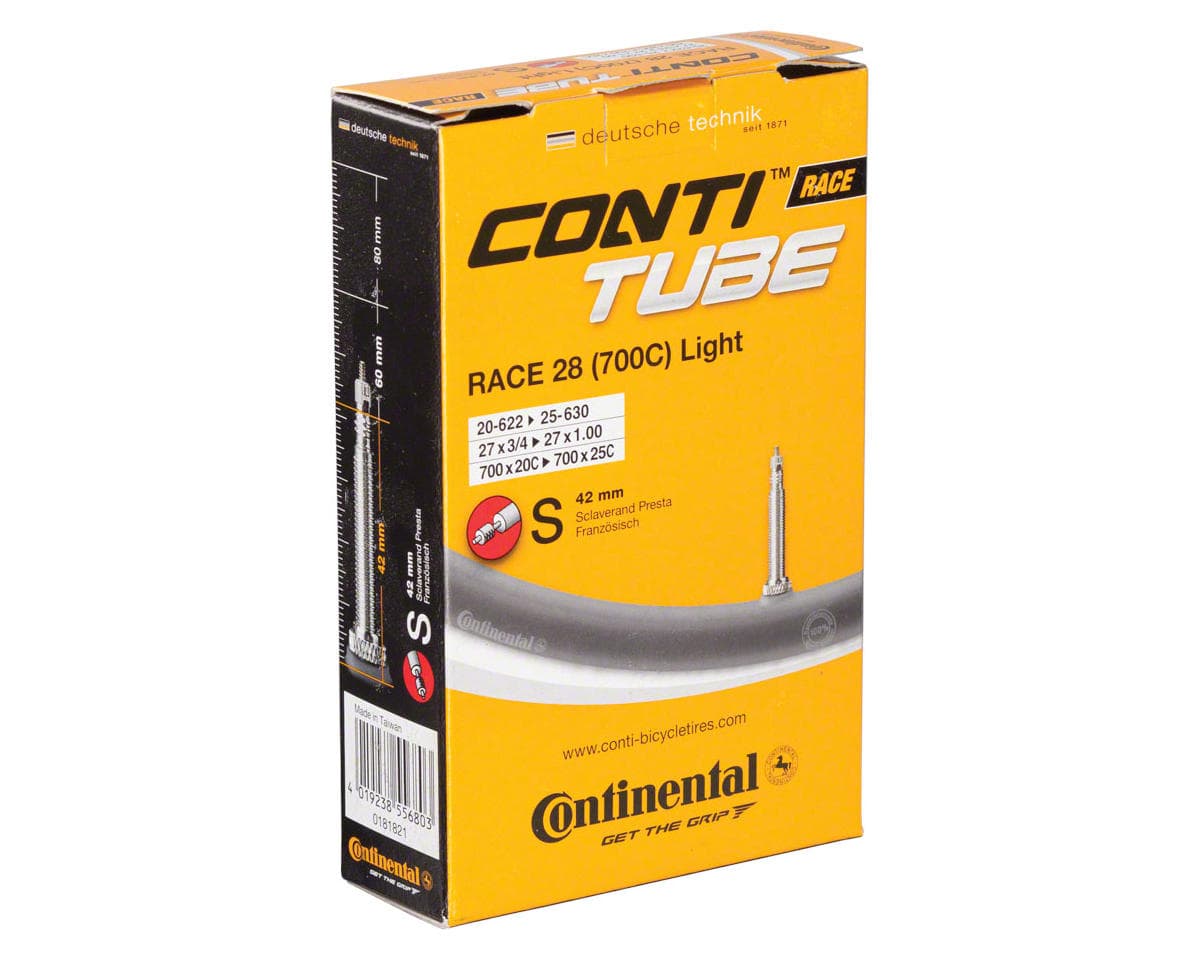
Continental Supersonic 700c
Continental Race 28 Supersonic is the market-leader style option known for German engineering that balances low rolling resistance with predictable durability and valve reliability. Versus Vittoria and Challenge it leans toward greater robustness and wider retail availability, often commanding a premium but reducing the likelihood of mid-ride valve or service issues and making replacements easier to source globally.
We may earn a commission on purchases. It never affects our rankings.
$24.99CAD
Silca Latex Tube 700c x 28-30mm
Silca Latex Inner Tube is the premium boutique offering that prioritizes meticulous construction and high-quality valve hardware for riders who accept a higher upfront cost for superior fit-and-finish. Compared to Vittoria and Continental, Silca typically costs more but can lower long-term hassle from valve failures and pairs exceptionally well with high-end rims and pumps, a technical trade-off toward reduced downtime and maintenance.

Challenge Latex Gravel Tube
Challenge Latex Road Tube represents the best-value latex option, delivering the characteristic low mass and supple ride of latex at a noticeably lower price point, which appeals to budget-conscious riders and teams buying in quantity. While it may not match Silca’s premium valve components or Continental’s long-run durability, it captures most of the rolling-resistance benefits of latex and is the most economical way to experience those gains.

We may earn a commission on purchases. It never affects our rankings.
$21.99CAD
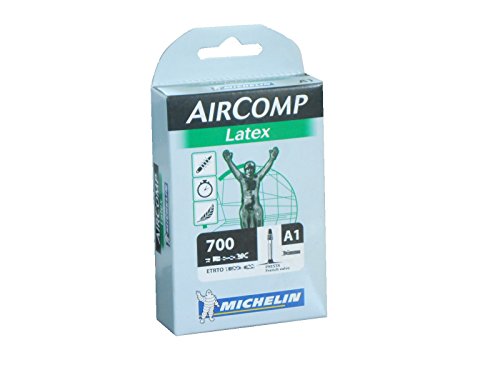
Michelin Aircomp Latex A1
Michelin Aircomp Latex A1 provides a well-rounded choice from a long-established tyre maker, combining dependable latex performance with strong distribution and warranty support that simplifies replacements. Compared with Vittoria and Challenge it typically sits midrange on price and performance, making it a pragmatic option for riders who want genuine latex benefits backed by broad availability and manufacturer service.
What Research Says About Latex Tubes: Plain-Language Summary
A range of independent laboratory tests and academic research into pneumatic tires and rolling resistance supports the performance advantages of latex tubes for road cycling. These findings are consistent across controlled drag tests, dynamometer measurements, and field comparisons. At the same time, engineering studies and test reports highlight latex's higher permeability and thinner construction, which explain faster air loss and greater need for routine maintenance. Below is a beginner-friendly summary of the main points derived from lab data and industry testing.
Lower rolling resistance: Independent lab tests and controlled rolling-resistance measurements commonly report that latex tubes reduce energy loss compared with standard butyl tubes under similar tire pressure and load. Typical reported benefits in test environments range from modest to noticeable reductions in drag, depending on tire, pressure, and test method.
Improved ride suppleness: Mechanical testing and rider-blinded field trials find that latex's higher elasticity improves tire compliance, delivering smoother vibration damping and better road feel. Many riders report improved perceived comfort and confidence when cornering and on rough pavement.
Air permeability and maintenance: Materials science research explains that latex is more permeable to gas molecules than butyl rubber, so air retention is lower. Laboratory leakage and pressure decay tests show faster pressure loss over hours to days, requiring more frequent top-ups, especially in cold conditions like those found in parts of Canada.
Puncture sensitivity and handling: Comparative puncture tests indicate latex tubes can be thinner and therefore more susceptible to small punctures from glass and thorns, though improved conformity can sometimes reduce pinch-flat risk when properly inflated. Test protocols emphasize correct installation, using clean rims, and avoiding sharp tools to reduce damage incidents.
Context matters: Results vary with tire casing, pressure, rim width, and riding conditions. Most research and test labs recommend pairing latex tubes with high-quality casings and monitoring pressure frequently to realize speed and comfort advantages without sacrificing reliability.
Frequently Asked Questions
Which latex inner tube should competitive racers choose?
Competitive racers often pick the Vittoria Competition Latex Inner Tube for its very low weight and very thin, supple latex that lowers rolling resistance and improves ride compliance, with an average rating of 4.6.
What spec helps Vittoria Competition tubes feel supple?
The Vittoria Competition Latex Inner Tube uses very thin, supple latex construction designed to lower rolling resistance and improve ride compliance, and it carries an average rating of 4.6.
Is Silca Latex Inner Tube better value than Vittoria?
Silca Latex Inner Tube costs CA$39.94 versus CA$34.69 for Vittoria Competition Latex Inner Tube, and Silca has an average rating of 4.7 with a reinforced valve base for improved durability.
How do latex tubes differ from butyl for inflation?
Vittoria Competition Latex Inner Tube requires more frequent inflation than butyl but offers excellent rolling speed for racers, and it is priced at CA$34.69 with an average rating of 4.6.
Conclusion
In the Canadian 2025 context, latex inner tubes remain a specialist choice for riders seeking measurable gains in rolling resistance and a more supple ride. The five top options covered here — Vittoria Competition Latex Inner Tube, Continental Race 28 Supersonic, Silca Latex Inner Tube, Challenge Latex Road Tube, and Michelin Aircomp Latex A1 — each target slightly different priorities from pure race performance to premium durability and value. For most Canadian racers and performance riders seeking the best balance of speed, durability, and wide availability in 2025, the Continental Race 28 Supersonic stands out as the best overall choice. We hope you found what you were looking for; if you want to narrow results by tire size, pressure range, or price, use the search to refine or expand your options.