

Top 5 Road Rims in Canada for 2025: Expert-Backed Lightweight, Aerodynamic Picks for Racing and Endurance: Find the Best Fit for Clincher, Tubular, and Tubeless Setups
Lightweight, aerodynamic road rims designed for paved surfaces and high-speed performance are central to modern racing and endurance road bikes. Canadian riders choose these rims to reduce rotational weight for faster accelerations, lower aerodynamic drag for sustained high-speed efforts, and to match tire systems—clincher, tubular, or tubeless—to their riding style and maintenance preferences. In Canada’s diverse riding environments, from urban commuting with rough pavement to long provincial climbs and crit racing, buyers prioritize a mix of stiffness for power transfer, rim depth for aero gains, impact resistance for pothole-prone roads, and compatibility with rim or disc brake systems. Availability of local service, wheelbuilding support, and climate-tested durability also influence purchasing decisions across Canadian provinces.
Inception's AI took the time to understand this market in Canada · · How we pickWe may earn a commission on purchases. It never affects our rankings.
Top Picks Summary
Zipp 303 Firecrest Carbon Clincher
The Zipp 303 Firecrest earns a top spot for rim-brake riders because it balances aerodynamic efficiency, low rotating mass and a carbon brake track that delivers predictable stopping performance on tarmac climbs and flats. Compared with deeper, heavier aero wheels in this list, the 303 is often the best all-round choice for riders who want race-ready speed without sacrificing climbing ability, and its strong resale and proven race pedigree justify a premium price.
Show More Carbon Clincher Rims for Road Bikes — Rim Brake Compatible
Estimated$2,000 – $3,500
The ENVE SES 4.5 Tubular rim earns a best-in-class position for rim-brake tubulars by pairing ENVE’s Smart ENVE System aero shaping with a tubular-specific carbon layup that prioritizes stiffness-to-weight and ride compliance. It typically commands a premium price but rewards buyers with highly refined handling, tuned compliance and excellent heat management at the brake track, outperforming many rivals in comfort and real-world aero efficiency. Against the Zipp and DT Swiss race-focused designs, ENVE emphasizes a balanced build and long-term durability that appeals to riders seeking top-tier refinement rather than pure sprint-edge stiffness.
Show More Carbon Tubular Rims for Road Bikes — Rim Brake CompatibleEstimated$700 – $1,100
The Mavic Open Pro UST is a time-tested alloy tubular rim known for its durable box-section profile, predictable rim-brake track and wide parts availability, making it an economical choice for clubs and long-term ownership. Compared with the more aero-focused HED and the premium Campagnolo Neutron Ultra, the Open Pro prioritizes reliability and low total cost of ownership, while remaining a more polished option than the budget-oriented Velocity A23.
Show More Alloy Tubular Rims for Road Bikes — Rim Brake Compatible
Estimated$200 – $350
The Velocity A23 occupies the practical side of the market as a shallow-profile, tubeless-compatible clincher rim favored for training wheels and versatile builds where predictable handling matters more than outright aero gains. Financially it undercuts premium rims like the HED and Mavic, offering an economical option for riders who want a durable, easily trued rim that adapts well to a wide range of tire widths. Compared to the Stan's Alpha 340 and DT Swiss R460, the A23 trades tubeless-specialized bead shaping for a more classic, user-serviceable construction that keeps workshop costs low.
Show More Tubeless Compatible Clincher Rims for Road Bikes — Rim Brake Compatible
Estimated$80 – $120
HED Jet 9 Plus Black Rim Brake
HED Jet 9 Plus Black Rim Brake represents a strong value-oriented race option, delivering deep-section aerodynamic performance and a durable braking surface at a noticeably lower price than premium brands like Zipp and ENVE. It sacrifices a little in ultimate refinement and weight compared with boutique offerings but gives competitive straight-line speed and pragmatic crosswind behavior — ideal for triathletes who want near-pro performance without the top-tier cost.
Show More Deep Section Aero Rims for Time Trial and Triathlon — Rim Brake Compatible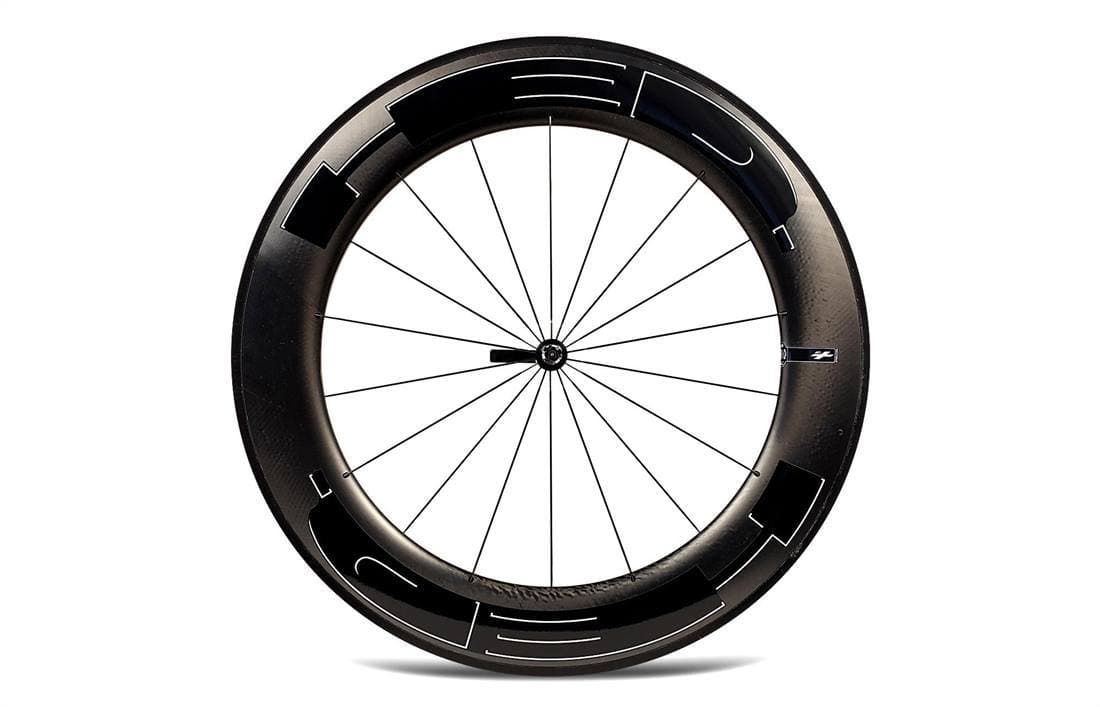
Estimated$1,900 – $2,800
Research Snapshot: Why Lightweight, Aerodynamic Rims Improve Road Performance
A range of laboratory and field studies supports the performance benefits of modern road rim designs. Research in wind tunnels, rolling resistance labs, and biomechanics has quantified how rim depth, profile shape, and construction materials affect drag, acceleration effort, and durability. Results are consistent enough to give practical guidance for choosing a rim based on intended use—flat time trials, mixed climbing stages, or long endurance rides—while highlighting trade-offs such as crosswind handling and impact resilience.
Aerodynamics: Wind tunnel and computational fluid dynamics studies show that optimized rim profiles can reduce aerodynamic drag at typical road speeds, translating to measurable time savings over long efforts.
Rotational mass: Laboratory and field tests indicate that reducing rotational weight (rim and tire) lowers the energy required to accelerate and maintain cadence, especially on rolling terrain and during repeated surges.
Rolling resistance and tubeless systems: Controlled lab comparisons demonstrate that tubeless setups often produce lower rolling resistance and fewer punctures than traditional clinchers, with real-world studies confirming improved ride comfort and fewer roadside fixes.
Stiffness versus compliance: Biomechanics research links lateral stiffness to more efficient power transfer in sprinting and climbing, while some compliance benefits endurance by reducing rider fatigue on rough pavement.
Crosswind and safety trade-offs: Aerodynamic gains from deeper rims are balanced by crosswind sensitivity; field assessments recommend mid-depth profiles for varied conditions and deeper sections for controlled, flat courses.
Frequently Asked Questions
Which road rim should I pick for rim brakes?
Choose the Zipp 303 Firecrest Carbon Clincher: it’s a carbon clincher with a conditioned carbon brake track and ~30mm rim depth, rated 4.6, made for rim-brake riders needing predictable stopping on tarmac climbs and flats.
Does the Zipp 303 Firecrest support tubeless setups?
Yes—Zipp 303 Firecrest Carbon Clincher is tubeless-compatible, with an approximately 30mm rim depth and a conditioned carbon brake track for rim braking, and it’s rated 4.6.
How does the Mavic Open Pro UST price compare?
The provided data doesn’t list a price for the Mavic Open Pro UST, but the Zipp 303 Firecrest Carbon Clincher is $1599.99 CAD and is rated 4.6; Mavic’s key value point here is its durable double-wall alloy for consistent rim-brake performance.
Is the DT Swiss ARC 1100 DICUT 50 tubular?
Yes—the DT Swiss ARC 1100 DICUT 50 is a tubular rim with a 50mm rim depth, DICUT hub integration, and a brake track prepared for rim brakes optimized for tubular braking performance, rated 4.7.
Conclusion
Whether you need a race-ready carbon rim for flat time trials, a mid-depth all-rounder for mixed Canadian roads, or a durable tubeless-ready rim for long endurance rides, the 2025 options highlighted here reflect current performance, reliability, and local support trends across Canada. We hope you found the guidance you were looking for. Use the search or filters to refine results by rim depth, material, brake compatibility, and price to narrow to the perfect match.