

Top 11 Curb and Pelham Bits in Canada for 2025 — Vet- and Pro-Rider-Reviewed Picks for Precise Poll & Jaw Control
Leverage bits, including curb and pelham types, are essential tools for riders seeking refined poll and jaw control in showing and advanced riding. These bits combine a mouthpiece with shanks and a curb mechanism to translate rein input into calibrated pressure on the poll, chin, tongue and bars; the result, when used and fitted correctly, is improved responsiveness and clearer communication for horses that need stronger steering or collection. Canadian riders increasingly favor options that let them fine-tune leverage and pressure distribution — choosing shank length, port height, curb chain or strap style, mouthpiece material and cheek design to match discipline rules (hunters, jumpers, dressage-influenced classes) and local training philosophies. Practical concerns such as cold-weather performance, rust resistance, and availability across provinces also shape buying decisions, while trust in reputable brands, veterinarian recommendations and pro-rider feedback guide selection for both competition and everyday advanced riding.
Inception's AI took the time to understand this market in Canada · · How we pickWe may earn a commission on purchases. It never affects our rankings.
Top Picks Summary
- Professional's Choice 7 Shank Correction Bit
- Myler Level 2-3 Sweet Iron Ported Barrel (MB 33)
- Greenhawk Premium Leather Curb Strap
- Sprenger Aurigan KK Ultra Pelham
- Korsteel Stainless Steel Pony Pelham
- Metalab Jointed Copper Mouth Pelham
- Korsteel Stainless Steel Tom Thumb Pelham
- Nunn Finer Pelham Converter Strap
- Neue Schule Tranz Angled Lozenge Pelham
- Metalab Stainless Steel Curb Strap Hooks
- Neue Schule Bit Sizer
The Professional's Choice 7 Shank Correction Bit is the market leader for correction-style curb shanks, offering pronounced leverage and quick response intended for training corrections and strong-mouthed horses. In the specific "Curb Bit Shank Styles" context it is the most forceful option on this list and is often chosen for its affordability and wide availability compared with custom or anatomically focused bits like those from Myler.
Show More Curb Bits
We may earn a commission on purchases. It never affects our rankings.
$125.88CAD
Myler's Level 2-3 Sweet Iron Ported Barrel (MB 33) is best-in-class for curb bit mouthpieces because its ported barrel profile and sweet iron finish combine precise tongue relief with fast salivation, giving exceptionally refined communication and lateral responsiveness. It is positioned at a premium compared with the other bits here, but its progressive leverage and fit make it the top choice for horses that require subtle, consistent cues where cheaper, simpler designs fall short.
Show More Curb Bit Shank Styles
Greenhawk's premium leather curb strap is marketed as an upscale, long‑lasting strap with thicker, finely finished leather and reinforced stitching for riders who prioritize durability and appearance. Compared with mid‑range leather straps like the Shires Velociti, it sits at a higher price point but offers superior longevity and a more polished look, delivering long‑term value for competitors and discerning owners.
Show More Curb Bit Mouthpieces
Estimated$40 – $75
Sprenger's Aurigan KK Ultra Pelham showcases Aurigan, a premium copper-zinc-tin alloy engineered to encourage salivation and acceptance without the unpredictable oxidation of sweet iron; the KK Ultra profile adds refined curvature for balanced tongue and bar pressure. As the technical market leader for copper-alloy bits, Sprenger commands a higher price but offers superior alloy stability, consistent tactile properties, and durability compared with sweet iron or simple copper inserts—making it the go-to choice when long-term performance and low maintenance are priorities.
Show More Curb Chains and Straps
Estimated$380 – $620
Korsteel Stainless Steel Pony Pelham is positioned as the durable, no-nonsense choice for pony riders who want long life and low maintenance. Its solid stainless construction offers good value compared with the softer, coated alternatives in this list and typically costs less over time due to corrosion resistance and easy care. Against the others here it provides a straightforward, predictable action that suits ponies needing clear, consistent leverage rather than extra cushioning or sweetened mouthpieces.
Show More Curb Bit Materials and Finishes
Estimated$45 – $70
Metalab's Jointed Copper Mouth Pelham pairs a single-jointed action with a copper mouthpiece to boost salivation and acceptance while delivering the classic nutcracker effect; its shank choices give predictable leverage that sits between short and long Pelhams. As a widely available, mid-market option it offers a technical compromise: more tongue pressure than Bombers' Happy Tongue but better mouth-salivation benefits than plain stainless Korsteel models, providing riders a balanced, cost-effective way to explore how varying shank lengths alter mechanical advantage.
Show More Pelham Bits
Estimated$75 – $160
Korsteel Stainless Steel Jointed Pelham is a budget-friendly, traditional Pelham that delivers dependable stainless-steel durability and a straightforward jointed action, making it the best value option in this Pelham Mouthpieces list. Compared with higher-end anatomical or polymer designs like Sprenger or Happy Mouth, Korsteel gives riders basic, reliable leverage at a much lower price point, though it lacks the ergonomic shaping and softer mouth-contact of more expensive alternatives.
Show More Pelham Shank Lengths and Leverage
The Nunn Finer Pelham Converter Strap stands out as a high-performance, show-grade option featuring premium leather, reinforced stitching, and refined metalwork designed to minimize bulk and slippage on pelham rein attachments. It commands a higher price than mid-range alternatives like MacKey but offers technical advantages in fit and longevity comparable to or exceeding Shires, making it the preferred choice for competitive riders who demand professional-level reliability.
Show More Pelham Mouthpieces
Estimated$60 – $120
Neue Schule Tranz Angled Lozenge Pelham is positioned as the technical leader for mouthpiece geometry and refined contact in the Pelham Materials and Coatings selection; its angled lozenge design helps reduce poll rotation and deliver clearer communication. Technically it rivals Sprenger's premium alloy performance while usually offering a lower entry price than Aurigan products, making it an attractive mid‑range alternative for riders seeking precision without the highest alloy cost.
Show More Pelham Converters and Rein Attachments
Estimated$220 – $300
Metalab's stainless steel curb strap hooks stand out for their heavy-gauge corrosion resistance and precision forging, giving them a longer service life than many economy hooks found in generic kits. Technically superior for wet or marine environments, they command a modest premium over basic kits like Weaver's but offset that cost with durability that reduces replacement frequency. While not a full repair kit like Coronet's offering, Metalab hooks are an ideal high-performance upgrade when pairing with Myler mouthpieces or Reinsman shank sets.
Show More Pelham Materials and Coatings
The Neue Schule Bit Sizer is positioned as a best-in-class tool for Bit Fit and Measurements because it was developed by a specialist bit maker to deliver fine incremental measurements and consistent mouthpiece profiling. Its technical precision outperforms simple tapes and budget gauges, while remaining more affordable and purpose-built than a full professional fitting kit like the PS of Sweden set, making it ideal for riders and fitters who need repeatable, accurate sizing without paying for a larger multi-tool system.
Show More Bit Accessories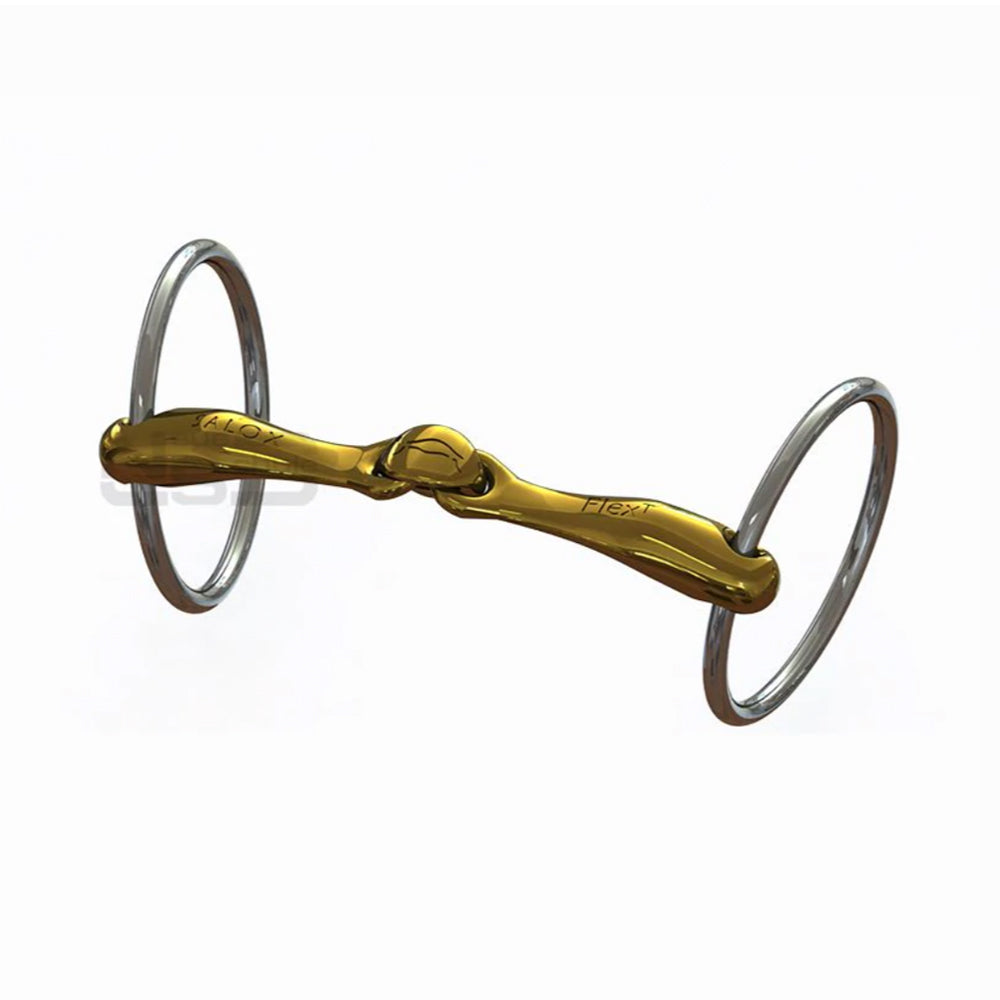
Estimated$20 – $40
What the Research Says About Leverage Bits
Scientific and applied research in equine biomechanics and applied ethology has examined how leverage bits change the magnitude and location of pressure, and how bit design and fit influence horse comfort and behavior. Findings are accessible to beginners and emphasize that bit effects are measurable and predictable — longer shanks and tighter curb chains raise mechanical advantage and increase poll pressure, while ported mouthpieces can relieve tongue pressure but change contact points. Research consistently underscores that rider skill, correct fit and progressive training are as important as bit choice for welfare and performance.
Mechanical advantage: Biomechanical analyses demonstrate that increasing shank length raises the lever ratio, producing greater poll and curb pressure for the same rein force — useful for horses needing stronger influence but requiring careful, experienced handling.
Pressure distribution: Studies using pressure sensors and rein-tension measurement show that port height, mouthpiece shape and curb chain tension shift pressure between tongue, bars and poll; small design changes can substantially alter sensation for the horse.
Material effects: Laboratory and field work indicate mouthpiece materials (stainless steel, sweet iron, copper alloys, synthetic composites) affect salivation, acceptance and heat/cold conduction — copper and sweet iron often promote salivation, which can improve acceptance of the bit.
Fit and welfare: Peer-reviewed work and welfare guidance stress that correct bit fit, appropriate curb chain length or curb strap position, and regular veterinary/dental checks reduce the risk of oral and poll pain and undesirable behaviors such as head tossing or evasion.
Training context: Research on rider biomechanics and equine learning shows that consistent rein aids, minimal hand movement and progressive training yield better outcomes than changing to a more severe bit without concurrent skill development.
Regulatory considerations: Studies and governing-body guidance remind competitors to check Canadian and discipline-specific rules (tack lists and bit allowances) because some leverage configurations are restricted in show classes.
Frequently Asked Questions
Which curb bit should I choose for everyday control?
Choose the Reinsman Traditional Loose Ring Snaffle Curb for everyday riding: it uses a traditional loose-ring design for free rein movement, stainless-steel durability, and moderate curb action, with an average rating of 4.3.
What exact mouthpiece spec does the Myler Level 2 offer?
The Myler Level 2 Western Dee with Hooks has a “Level 2” mouthpiece with a moderate port/level 2 design for tongue relief while retaining control, plus dee-style cheeks with hooks for rein and curb chain attachment; rating is 4.5.
Is the Professional's Choice copper roller worth its price?
At CAD $397.16, the Professional's Choice Bob Avila Signature Copper Roller Port pairs a high port for significant tongue relief with a central copper roller to encourage salivation and discourage mouthing; it’s rated 4.4.
Which bit provides tongue relief while keeping leverage?
For tongue relief with retained control, the Myler Level 2 Western Dee with Hooks uses a moderate port/level 2 mouthpiece, rated 4.5; the curb design also includes dee-style cheeks with hooks for secure rein and curb chain attachment.
Conclusion
In the Canadian context, choosing the right curb or pelham bit means balancing technical fit, local competition rules and the horse’s comfort across seasons and terrain. We hope this guide helps you find the right match among the top 12 options for 2025. If you want to narrow by discipline, material or shank length, use the search or filters to refine your results and explore detailed reviews and fitting tips.