

Top 7 Mesenchymal Stem Cell Harvest and Culture Systems in Canada for Equine Health First Aid: 2026
Closed system solutions for harvesting, isolating, and expanding equine mesenchymal stem cells (MSCs) are becoming a practical standard for equine first aid and clinic workflows across Canada. These systems prioritize sterility, traceability, and reproducible cell viability while supporting both rapid autologous treatments and scalable allogeneic production. Canadian veterinarians, equine surgeons, and performance-horse owners prefer closed, GMP-aware components because they reduce contamination risk, shorten turnaround time at point-of-care, and simplify regulatory documentation. Key market preferences driving adoption include ease of use in field or clinic settings, robust phenotype control during culture, predictable scalability from bench to clinic, and local supply and technical support across Canadian provinces. This category highlights the leading closed harvest and culture platforms, consumables, and integrated workflows designed to help clinics deliver consistent, traceable MSC-based first aid and regenerative interventions for tendon, ligament, joint, and soft tissue injuries.
Inception's AI took the time to understand this market in Canada · · How we pickWe may earn a commission on purchases. It never affects our rankings.
Top Picks Summary
Magellan MAR Max Plus System
A portable, closed-loop point-of-care harvest and concentration platform optimized here for rapid mesenchymal stem cell (MSC) harvest in equine first-aid settings; its strength is bedside automation that shortens the time from tissue or blood collection to usable cell product, reducing labour and contamination risk compared with open manual methods. Financially, it lowers per-treatment turnaround and staffing costs for on-site clinics compared with larger laboratory-dependent systems, though it complements rather than replaces downstream defined culture kits and expansion bioreactors on this list.

Estimated$40,000 – $60,000
STEMCELL Technologies MesenCult-ACF Plus Culture Kit
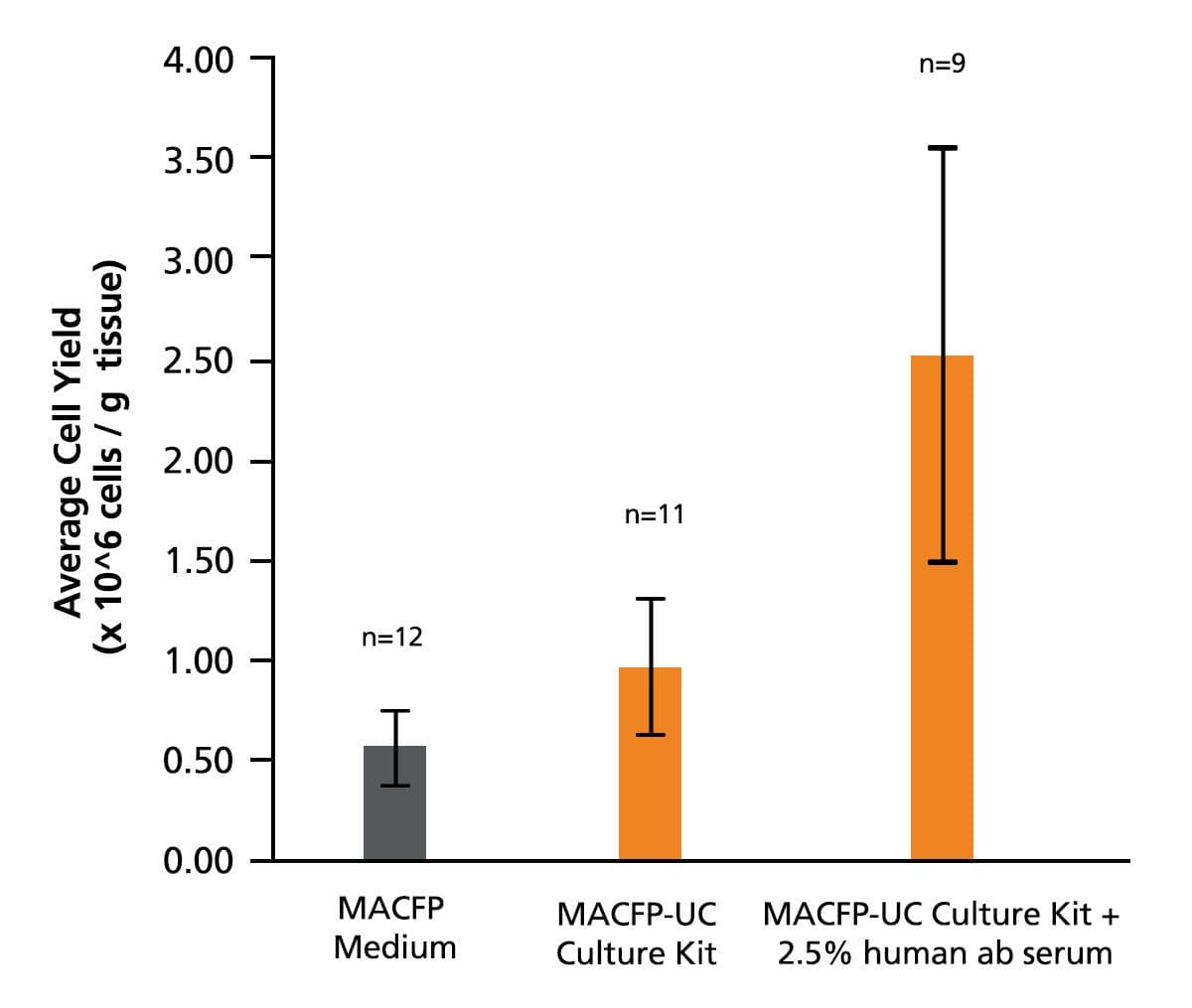
A chemically defined, animal-component-free MSC culture system designed for reproducible expansion and regulatory-friendly workflows, making it well suited for equine MSC preparations intended for clinical use. Technically it offers more consistency and traceability than serum-based or less-defined media, and while it can be pricier per liter than fast-growth proprietary media, it provides clearer advantages for clinics and labs aiming for standardized, low-variability equine first-aid products compared with the other expansion options listed.
Corning CellSTACK Culture Chamber System
A best-in-class choice for cost-conscious labs, the Corning CellSTACK provides large-surface-area, static 2D culture that is well suited for initial isolation and adherent expansion of equine mesenchymal stem cells used in first-aid workflows. Its low capital outlay and simple consumable model make it financially attractive versus automated bioreactors, though it lacks the closed, single‑use automation of systems like Cytiva Xuri or the integrated cell‑selection and GMP workflow of Miltenyi Prodigy and does not provide the point‑of‑care immediacy of Harvest's SmartPReP2.

We may earn a commission on purchases. It never affects our rankings.
Estimated$300 – $900
Cytiva Xuri Cell Expansion System W25
The Xuri W25 is a market-leading, single‑use wave bioreactor optimized for gentle, high‑density expansion of MSCs, offering closed‑system scalability and reduced contamination risk compared with static culture vessels. While its higher upfront and consumable costs are balanced by labor savings and faster expansion than CellSTACK, it is primarily a lab/clinical manufacturing tool rather than a point‑of‑care device like Harvest SmartPReP2, and it complements — rather than replaces — fully integrated automated manufacturing platforms such as Miltenyi's Prodigy.

Estimated$95,000 – $150,000
RoosterBio hMSC High Performance Media Kit
A ready-to-use, performance-focused media and accessory kit optimized for rapid MSC proliferation and streamlined scale-up workflows, offering predictable expansion that can reduce time-to-dose in equine first-aid applications. Financially attractive for clinics that prioritize fast expansion and lower per-cell production cost, it competes directly with defined kits like MesenCult-ACF by trading some regulatory-oriented formulation features for speed and cost-efficiency, and pairs well with both static and bioreactor expansion systems on this list.

Estimated$400 – $1,500
Harvest Technologies SmartPReP2 APC System
Designed for immediate, point‑of‑care use, the SmartPReP2 rapidly concentrates platelets and autologous proteins from equine blood to provide an on‑site biologic adjunct for acute injuries and first‑aid scenarios. It is financially efficient and portable compared with laboratory expansion solutions, offering immediate therapeutic benefit where on‑farm or field intervention is needed, but it does not perform MSC expansion or GMP manufacturing like Cytiva's bioreactors or Miltenyi's Prodigy.

Estimated$12,000 – $28,000
Miltenyi Biotec CliniMACS Prodigy System
The CliniMACS Prodigy is a market leader for fully integrated, automated and closed GMP workflows, enabling cell selection, processing and expansion with high reproducibility and regulatory alignment for clinical‑grade equine MSC products. Its technical advantages include end‑to‑end automation and validated clinical workflows that reduce operator variability, though that capability comes with the highest capital and per‑run consumable costs compared with Corning static culture and Harvest point‑of‑care systems, and it often complements scalable expansion platforms like Cytiva's Xuri when larger batches are required.

Estimated$250,000 – $450,000
Why closed MSC harvest and culture systems matter
Scientific research and clinical experience show that mesenchymal stem cells offer immunomodulatory, trophic, and tissue-supporting activities that can improve healing outcomes in common equine conditions when processed and applied appropriately. Closed-system harvest and culture workflows reduce contamination risk, protect cell phenotype, and improve reproducibility versus open manual methods. For clinics, validated closed workflows shorten time to treatment, simplify record keeping, and make it easier to meet regulatory and quality expectations when moving from autologous point-of-care use toward centralized or allogeneic production.
MSC benefits: Peer-reviewed studies and clinical series up to 2024 report improved soft tissue and joint outcomes when MSCs or MSC-enriched preparations are applied as part of a comprehensive treatment plan for equine tendon, ligament, and osteoarthritis-related injuries.
Closed-system advantages: In vitro and process-comparison studies show closed systems lower contamination rates and help maintain higher viable cell yields compared with open handling in standard clinic environments.
Reproducibility and phenotype control: Standardized media and automated expansion platforms produce more consistent cell populations across runs, improving predictability of downstream clinical responses.
Scalability and manufacturing: Automated cell processors and closed-cell culture chambers support straightforward scale-up from a single-horse autologous dose to small-batch allogeneic production with better documentation for regulatory review.
Operational benefits for clinics: Faster processing, reduced hands-on time, and integrated traceability reduce workflow bottlenecks and help clinics offer point-of-care regenerative options without creating new contamination or documentation burdens.
Frequently Asked Questions
Which system should an equine clinic buy for bedside first aid?
For same-visit equine first-aid workflows, the Magellan MAR Max Plus System is designed as a portable, closed-loop point-of-care harvest and concentration platform for rapid MSC harvest at the bedside, with an average rating of 4.3.
Does the MesenCult-ACF Plus kit use xeno-free MSC culture media?
Yes—STEMCELL Technologies MesenCult-ACF Plus Culture Kit uses a chemically defined, xeno-free MesenCult-ACF formulation, and its kit includes optimized supplements and reagents for reproducible, serum-free culture workflows; average rating is 4.4.
What do I get for the price with Corning CellSTACK system?
The Corning CellSTACK Culture Chamber System is positioned as a cost-conscious choice, offering multi-layer stackable disposable culture chambers with huge surface-area adherent 2D expansion; it has an average rating of 4.7, but no price is provided.
Is the Corning CellSTACK compatible with standard incubators?
Yes—the Corning CellSTACK Culture Chamber System is compatible with standard incubators for scalable equine MSC production and first-aid applications, using treated sterile polystyrene surfaces for cell attachment; average rating is 4.7.
Conclusion
In Canada, clinics and equine practitioners have clear choices among leading closed-system MSC harvest and culture products. The seven main options reviewed here are Magellan MAR Max Plus System, STEMCELL Technologies MesenCult-ACF Plus Culture Kit, Corning CellSTACK Culture Chamber System, Cytiva Xuri Cell Expansion System W25, RoosterBio hMSC High Performance Media Kit, Harvest Technologies SmartPReP2 APC System, and Miltenyi Biotec CliniMACS Prodigy System. For most equine first aid and point-of-care clinic settings in 2026, the Magellan MAR Max Plus System stands out as the best overall choice because it balances portability, rapid closed processing, and clinical support suitable for autologous treatments while fitting common Canadian clinic workflows. That said, clinics focused on scalable GMP-grade manufacturing may prioritize the Miltenyi Biotec CliniMACS Prodigy System or Cytiva Xuri for larger production, and labs focused on optimized culture chemistry will often pair STEMCELL Technologies MesenCult-ACF or RoosterBio media with Corning CellSTACK or similar cultureware. We hope you found the information you were looking for; refine or expand your search to compare pricing, local support, regulatory guidance, or specific workflow integrations to match your clinic needs.