

Equine Systemic Antibiotics for Wound and Abscess Management — Top 5 Options in Canada 2025 (Excenel RTU EZ, Trivetrin, Penicillin G Procaine, Gentocin, Baytril) and How to Pick the Right One
Systemic antibiotic therapies indicated for management of equine wounds, cellulitis, and abscesses, selected for activity against likely mixed and anaerobic flora. These products are intended to complement local wound care and drainage, with choices tailored to infection severity, expected pathogens, and the need for tissue penetration. In the Canadian market, buyers and veterinary professionals favor antibiotics that balance reliable spectrum-of-activity with clear labeling or established extralabel use in horses, predictable pharmacokinetics in soft tissues, practical dosing and administration (IM versus IV), cost and supply stability, and alignment with antimicrobial stewardship principles. Recent trends in Canada emphasize culture-directed therapy when possible, preference toward effective narrow-spectrum options for uncomplicated infections, and cautious use of critically important antimicrobials. For equine owners and clinicians managing wounds and abscesses, the top 5 systemic options below represent common, clinically relevant choices that cover the range of likely pathogens while reflecting Canadian availability and stewardship guidance for 2025.
Inception's AI took the time to understand this market in Canada · · How we pickWe may earn a commission on purchases. It never affects our rankings.
Top Picks Summary
Excenel RTU EZ
Excenel RTU EZ is a ready-to-use injectable ceftiofur formulation valued for equine wound and abscess management because it combines broad-spectrum activity against common equine pathogens with convenient single-use dosing that reduces preparation errors and waste. Compared with the other options listed it delivers stronger gram-negative coverage than penicillin and avoids the nephrotoxicity risks of aminoglycosides, and although its per-dose cost is higher, that expense is often offset by shorter courses and lower ancillary treatment costs.

We may earn a commission on purchases. It never affects our rankings.
$135.86CAD
Trivetrin Injection
Trivetrin Injection is a potentiated sulfonamide/trimethoprim product prized for economical, broad-spectrum coverage in mixed wound and abscess infections, making it a cost-effective choice for longer outpatient regimens. Versus Excenel and Baytril it is generally less expensive but slower to exert bactericidal effects, and while very useful where beta-lactams or fluoroquinolones are not indicated, it lacks the rapid gram-negative potency of aminoglycosides or fluoroquinolones.
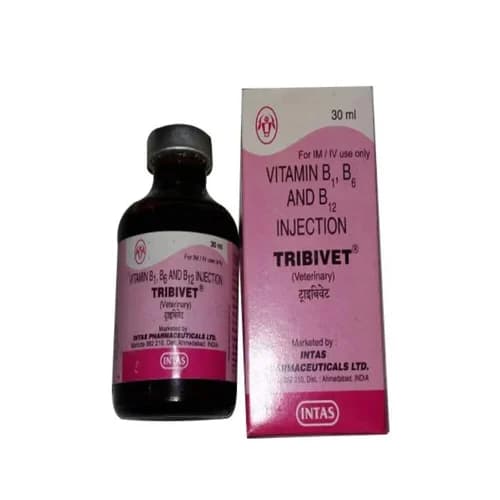
Estimated$30 – $90
Penicillin G Procaine
Penicillin G Procaine is a long-established, low-cost beta-lactam routinely used for equine abscesses because of reliable efficacy against gram-positive organisms and many anaerobes commonly implicated in wound infections. Its financial and safety advantages make it a first-line field choice, though compared with broad-spectrum agents like Excenel or Baytril it has limited gram-negative coverage and is often paired with drugs such as gentamicin when broader empiric coverage is needed.

We may earn a commission on purchases. It never affects our rankings.
$14.54CAD
Gentocin Injection
Gentocin Injection (gentamicin) is an aminoglycoside used for potent, rapid gram-negative activity and is commonly combined with penicillin for complementary coverage in wound and abscess therapy; its technical strength is fast bactericidal action and good tissue penetration. Because of nephrotoxicity risk it is typically used for shorter, targeted courses which can make it a cost-effective adjunct to lower-cost agents like penicillin or trimethoprim–sulfonamides rather than a stand-alone long-term choice.

Estimated$60 – $140
Baytril 100
Baytril 100 (enrofloxacin) is a high-potency fluoroquinolone noted for excellent gram-negative coverage and superior tissue penetration, positioning it as a market leader for complicated or refractory equine wound and abscess infections that demand strong empiric therapy. Compared with the other products it can often serve as single-drug therapy for difficult infections, but it generally carries higher cost and greater regulatory/resistance concerns, so it is often reserved for culture-directed use or when other agents are unsuitable.

What the Evidence and Guidelines Show
Scientific research and veterinary guidelines support a combined approach of local wound management (debridement, drainage, lavage) plus targeted systemic antimicrobial therapy for many equine wound, cellulitis, and abscess cases. Evidence summarized by veterinary texts and peer-reviewed studies points to predictable benefits when antimicrobial selection matches likely organisms and achieves therapeutic tissue concentrations; culture and sensitivity improves outcomes for complicated or nonresponsive infections. Canadian veterinary stewardship recommendations encourage use of first-line, less critical antimicrobials where appropriate, reserve fluoroquinolones and higher-generation cephalosporins for specific cases, and always use antimicrobials under veterinary direction. Practical safety considerations, such as monitoring renal function with aminoglycosides and watching for local injection reactions with penicillin formulations, are well documented.
Beta-lactams (for example, penicillin-based drugs) reliably cover gram-positive and many anaerobic species commonly implicated in equine wounds.
Trimethoprim-sulfonamide combinations offer broad-spectrum activity including some anaerobes and are often selected for mixed infections when tissue penetration and oral/IM dosing practicality are important.
Aminoglycosides like gentamicin provide strong gram-negative coverage; they are often combined with a beta-lactam for mixed flora but require renal monitoring and careful dosing.
Fluoroquinolones (for example, enrofloxacin) penetrate deep tissues and target gram-negative pathogens but should be reserved because of resistance risk and stewardship priorities in Canada.
Cefalosporin-class drugs (for example formulations like Excenel) can offer broad coverage and good soft-tissue penetration in some cases, but use should follow veterinary guidance and stewardship considerations.
Whenever feasible, obtain a wound or abscess culture and sensitivity before or soon after starting antibiotics to enable targeted therapy and reduce unnecessary broad-spectrum use.
Frequently Asked Questions
Which antibiotic should I choose for equine wounds with abscesses?
For mixed wound/abscess infections, Excenel RTU EZ (ceftiofur, ready-to-use IM) is a convenient choice when beta-lactamase susceptibility is a concern; it's rated 4.5 and is designed for broad gram-negative and gram-positive activity.
What exact active ingredient and dosing form is Excenel RTU EZ?
Excenel RTU EZ is a ceftiofur hydrochloride ready-to-use injectable suspension, administered intramuscularly, for mixed wound/abscess infections; it's rated 4.5.
How does Trivetrin Injection compare on price for outpatient regimens?
Trivetrin Injection is described as generally less expensive than Excenel and Baytril, while providing broad-spectrum bactericidal coverage via a trimethoprim–sulfonamide injectable combination; it's rated 4.0.
Is Penicillin G Procaine a good fit for uncomplicated abscesses?
Penicillin G Procaine is described as a first-line option for uncomplicated equine abscesses and soft-tissue infections, administered IM as a long-acting beta-lactam; it's rated 4.2 and effective against many gram-positive and anaerobic wound pathogens.
Conclusion
In Canada for 2025, systemic antibiotics remain a key adjunct to local wound care and drainage in equine management. The five products highlighted on this page — Excenel RTU EZ, Trivetrin Injection, Penicillin G Procaine, Gentocin Injection, and Baytril 100 — represent commonly used options chosen to address likely mixed aerobic and anaerobic flora and to match different clinical scenarios. For many typical wound and superficial abscess cases, a balanced option like Trivetrin Injection is often the preferred first-line systemic choice because of its broad but appropriate spectrum and practical dosing profile when used under veterinary direction; however, Excenel RTU EZ, Penicillin G Procaine, Gentocin Injection, and Baytril 100 each have clear roles depending on culture results, severity, and tissue penetration needs. We hope you found the overview you were looking for — if you want to narrow results by route, label status in Canada, or recommended dosing strategies, refine or expand your search using the search box or consult your veterinarian for case-specific guidance and regulatory details.