

Top 7 Equine Performance & Conditioning Feeds in Canada (2026): Options for Stamina, Topline, and Recovery
High-energy and conditioning diets formulated to support athletic horses, breeding stock, and those needing improved topline or stamina are a growing priority for Canadian owners and trainers. This category covers feeds with tailored fat, carbohydrate, and protein profiles that deliver sustained energy, promote lean muscle and topline development, and support recovery between competitions or breeding cycles. Canadian consumers favor formulas that balance slow-release energy with digestive safety—especially in a market shaped by long winters, variable forage quality, and a wide range of disciplines from eventing and racing to breeding and pleasure riding. Key buying preferences include transparent ingredient sourcing, balanced amino acids for muscle maintenance, controlled starch levels to reduce excitability, added fat or fiber for sustained energy, and proven support for hindgut health. Regional availability, label clarity, and feed company reputation are also major decision drivers for buyers across provinces.
Inception's AI took the time to understand this market in Canada · · How we pickWe may earn a commission on purchases. It never affects our rankings.
Top Picks Summary
Mad Barn W-3 Oil is positioned as a concentrated omega-3 oil formulated to support inflammatory control and metabolic efficiency for performance horses; its technical strength is a deliberately high omega-3 profile that allows lower feeding volumes to deliver anti-inflammatory benefits. Compared with higher-calorie finishing blends on this list, W-3 Oil is more medicine-like and cost-effective when the primary goal is modulation of inflammation and recovery rather than rapid weight gain, making it an ideal complement to calorie-dense products such as Purina Amplify or Ultimate Finish 25.
Show More Fat-Fortified Conditioning Feeds
We may earn a commission on purchases. It never affects our rankings.
$66.99CAD
Mad Barn Amino Trace+ combines amino acids with trace minerals in a precision blend aimed at rebuilding muscle and improving topline, and it is notable for the company’s data-driven, customizable approach to supplementation. Technically strong for individualized nutrition plans, it can be more expensive per unit but often reduces waste and unnecessary calories by allowing targeted dosing compared with broader conditioners.
Show More Conditioning and Topline Builder Feeds
We may earn a commission on purchases. It never affects our rankings.
$65.00CAD
Skratch Labs Super High-Carb Hydration Mix focuses on a high carbohydrate-to-fluid ratio with clean, natural ingredients and attention to palatability and osmolality for rapid fueling. Compared to other market leaders here, it trades the protein or extreme electrolyte density of products like Perpetuem or Nuun for fast-acting carbs and flavor quality, making it a favored choice for athletes needing quick glycogen replacement during long, intense efforts.
Show More Endurance and Stamina Feeds
Progressive Sport Recovery Post-Workout positions itself as a value-oriented, no-nonsense recovery feed with a balanced protein-to-carb ratio that suits athletes seeking cost-effective post-exercise refueling. Compared to the other entries it typically offers a lower price-per-serving and straightforward ingredient profile, making it a practical choice for budget-conscious users who prioritize reliable macronutrient recovery over niche processing or premium branding.
Show More Recovery and Post Exercise Feeds
Estimated$35 – $55
Tribute Equine Nutrition Maternity
Tribute Maternity holds a best-in-class position for breeders seeking a concentrated, lactation- and transition-focused formula that emphasizes digestible energy and trace mineral balance specifically for broodmares. Compared to broad-spectrum leader products like Purina and economical balancers like Masterfeeds, Tribute trades wider distribution for a technically refined nutrient density that can reduce the need for extra supplementation during peak reproductive demand.
Show More Breeding Stock Performance Feeds
We may earn a commission on purchases. It never affects our rankings.
Estimated$55 – $85
Mad Barn W-10 Performance Feed
Mad Barn W-10 Performance Feed is a science-driven, calorie-dense pellet that combines elevated energy with digestive support (probiotics and a controlled starch-to-fat ratio) to encourage safe weight gain and sustained athletic output. Its technical strengths are transparent ingredient profiling and access to nutritionist-guided feeding programs, which can increase initial cost but improve feed conversion and reduce waste compared with generic high-calorie mixes.
Show More Weight Gain and Muscle Conditioning Feeds
We may earn a commission on purchases. It never affects our rankings.
Estimated$60 – $90
Masterfeeds ProElite Low Starch Performance
Masterfeeds ProElite Low Starch Performance is a low-starch performance concentrate that replaces starch with fat and fiber to deliver sustained energy for competition without driving blood glucose spikes. It provides a complete vitamin and mineral package at a price point that is competitive in markets where Masterfeeds is distributed, offering a practical alternative to stacking multiple supplements while still achieving performance energy goals. Versus microbiome-centric products such as EQ8 or Visceral+, ProElite emphasizes nutrient completeness and predictable on-track performance over targeted gut modulation.
Show More Low Glycemic Performance Feeds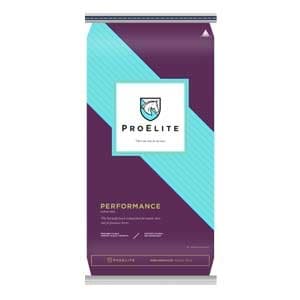
Estimated$70 – $130
What the Research Shows About Performance and Conditioning Feeds
A growing body of equine nutrition research supports targeted conditioning diets for athletic and breeding horses. Studies and technical reviews indicate that adjusting the balance of fats, starches, and proteins in a feed can meaningfully affect endurance, behavior, topline development, and recovery. The following points summarize practical, research-backed takeaways in beginner-friendly language.
Fat as an energy source: Replacing some cereal starches with digestible fats or oils provides a slower, oxygen-dependent energy pathway. Research indicates fat-enhanced diets can improve endurance and reduce reliance on muscle glycogen, which helps sustained performance in many disciplines.
Controlled starch and glycemic load: Lower-starch, low-glycemic feeds are associated with more even energy levels and reduced excitability. They also reduce the risk factors linked to gastric ulcers and insulin-related metabolic issues in susceptible horses.
Protein quality and amino acids: Adequate total protein plus balanced key amino acids (such as lysine and methionine) supports muscle repair and topline development—important for both performance horses and broodmares during lactation.
Omega-3 and inflammation: Diets that supply omega-3 fatty acids have been shown to modulate exercise-induced inflammation and may support post-exercise recovery when combined with appropriate conditioning.
Hindgut health and fiber: Prebiotic fibers, resistant starch fractions, and select live yeasts can stabilize hindgut fermentation, improving nutrient absorption and reducing digestive upsets that impair performance.
Electrolytes and micronutrients: Proper sodium, chloride, potassium and trace mineral balance is essential for thermoregulation, nerve and muscle function, and recovery—particularly for horses working in variable Canadian weather or traveling for competition.
Conclusion
This Canadian-focused roundup highlights the 2026 landscape for equine performance and conditioning feeds—products designed to support stamina, topline, and recovery across disciplines and climates. We hope you found the guidance you needed; if you want to narrow results by discipline, ingredient preferences, or provincial availability, use the site search or filters to refine or expand your options.