

Top 5 Paste and Bolus Supplements in Canada (2026) — Oral Electrolyte, Vitamin and Pre-Competition Dosing
A paste or a bolus exists for one reason: dose certainty. A powder top-dressed on feed gets picked around, left in the tub, or refused outright by a horse that is stressed, stabled or off its feed — which is precisely when you most want the dose in. An oral syringe puts a known amount past the lips in a few seconds, on the trailer ramp or in the warm-up ring. That is the whole argument for the format, and it is why electrolyte and pre-competition products are so often sold this way in Canada. It is also why the label matters more here than in almost any other supplement category: a single tube can carry a large share of a day's mineral intake.
Inception's AI took the time to understand this market in Canada · · How we pickWe may earn a commission on purchases. It never affects our rankings.
Top Picks Summary
Electro Dex Electrolyte Paste
Electro Dex Electrolyte Paste stands out as a fast-acting, cost-effective electrolyte paste designed for rapid correction of dehydration and electrolyte loss in livestock. It holds its position by combining quick absorption with a competitive per-dose price versus flavored or premium formulations on this list, making it a practical choice for large herds or frequent use. Compared with palatability-focused products, Electro Dex favors efficient rehydration kinetics and value over flavor or extended-release delivery.

Estimated$20 – $35
Apple Elite Electrolyte Paste
Apple Elite Electrolyte Paste is positioned as a premium, highly palatable paste that improves voluntary intake and compliance in picky animals, using flavoring and a balanced electrolyte profile to encourage dosing success. Its technical advantage is higher palatability and formulation acceptability compared with plain or utilitarian pastes, which can reduce labor and loss from missed doses, though it typically commands a higher retail price. Against bolus options on the list, Apple Elite trades sustained release for immediate acceptance and ease of administration.

Estimated$18 – $30
Calf Paste Multi-Vitamin Supplement
Formulated for newborn and at-risk calves — not for horses. It appears on this page as a calf product and should not be given to a horse without direction from your own veterinarian. Judged within its own class it is a budget-minded, broad-spectrum vitamin paste for young ruminants, bundling vitamins and trace minerals at a lower price point than specialised electrolyte or equine pastes. Against the electrolyte-focused products here it is less targeted for acute dehydration but offers wider micronutrient coverage during the first weeks of life.

Perfect Prep EQ Gold Paste
Perfect Prep EQ Gold is a calming and focus paste for horses, not an electrolyte or mineral supplement — the 60 cc oral syringe carries a blend of amino acids, vitamins and herbal ingredients, and the maker positions it as the longer-acting option in the line, with one to two doses per tube. That makes it the odd product on this page: it belongs to the pre-competition shelf by use rather than by nutrition, so it sits alongside an electrolyte paste rather than substituting for one. Treat "show safe" as a marketing phrase and not a ruling — check each active ingredient against Equestrian Canada or FEI prohibited-substance rules for your discipline before you use it at a competition.

We may earn a commission on purchases. It never affects our rankings.
$33.00CAD
Stride Animal Health Calf Bolus
Stride Animal Health Calf Bolus is a sustained-release bolus engineered to deliver electrolytes and essential minerals over an extended period, minimizing repeat handling and stabilizing calves through prolonged challenges. It holds its niche by reducing labor and stress compared with single-dose pastes, offering a financial advantage in operations where dosing frequency and labor costs are significant. Versus instant-action pastes in this list, the bolus trades immediacy for durability, making it the preferred choice where long-term support and fewer administrations are priorities.
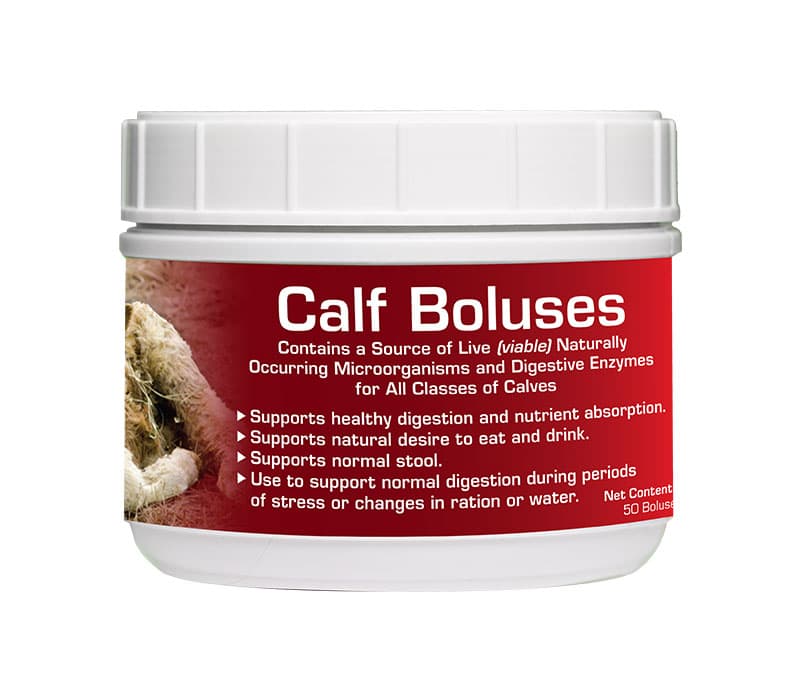
Estimated$30 – $60
How to Judge a Paste or Bolus Before You Buy
We compare label claims, ingredient lists and live retail listings — we do not test products and we are not veterinarians. The points below are the ones that decide whether a tube is the right tool, and they are the ones most product pages leave out. Anything involving a sick, dehydrated or clinically off horse is a conversation with your own vet, not a purchase decision.
Dose certainty is the point. A syringe delivers a measured amount regardless of appetite; a top-dressed powder depends on the horse actually eating it. If your reason for supplementing is a specific event — a haul, a class, a hot day — the format that guarantees delivery is worth the premium per dose.
An electrolyte paste is salt. Never give one to a horse that is already dehydrated without free access to water, because the salt load draws water into the gut and can make the problem worse. Water first, paste second — and a genuinely dehydrated horse is a veterinary call, not a tube off a shelf.
Selenium is where over-supplementation actually happens. It has a narrow margin between requirement and toxicity, and Canadian soils are uneven: much of eastern Canada and parts of the Prairies are selenium-poor, while some Prairie areas are seleniferous. What counts is total intake from every source at once — fortified feed, ration balancer, mineral block and the paste. Stacking a selenium or vitamin E paste on a diet that is already fortified is the common mistake; ask your vet or a nutritionist what your region and your ration already supply before you add one.
Check the delivery form against what you actually want. Powders, pellets, liquid top-dresses and licking blocks are different products with different compliance profiles. A rumen-retained bolus in particular is engineered to sit in a rumen and release over days — a horse is a hindgut fermenter and has no rumen, so a cattle or calf bolus is not an equine product no matter how it is filed.
If you compete, read the ingredient list against your governing body's prohibited-substance rules before the tube goes in the tack trunk. Calming and focus pastes are the usual grey area: "show safe" is a marketing phrase, not a ruling from Equestrian Canada or the FEI. Verify each active ingredient with the body that governs your discipline, and mind withdrawal times.
Frequently Asked Questions
Why give a paste instead of a top-dressed powder?
Because a syringe guarantees the dose and a powder does not. A horse that is stressed, hauling, stabled or simply fussy will pick around a top-dress or leave it in the tub — and that is usually the exact moment you wanted the electrolytes in. A paste puts a measured amount past the lips in seconds, one-handed, without a feed. You pay considerably more per dose for that certainty, which is why most people keep pastes for events and travel and use a powder for day-to-day supplementation.
Is Apple Elite Electrolyte Paste worth it?
It is a 60 cc apple-flavoured oral electrolyte syringe from Farnam, and palatability is the selling point — the flavour is there so the horse accepts the tube rather than fighting it, which is what determines whether the dose actually gets given. Buyers on the Canadian listing rate it 4.1 on average. It is aimed at replacing what is lost in sweat during work, hot weather or a long haul, not at daily mineral balancing, so it complements a fortified feed rather than replacing one.
Can I give an electrolyte paste to a dehydrated horse?
Not without free access to water, and not as a substitute for veterinary care. Electrolyte pastes are concentrated salts; given to a horse that is already short of fluid, they pull water into the gut and can deepen the dehydration. Offer water first and make sure the horse is drinking. A horse showing real signs of dehydration — tacky gums, a slow skin tent, poor capillary refill — needs a vet, who may give fluids directly, not a tube from the tack room.
Can I stack a selenium or vitamin E paste on top of a fortified feed?
Only after you have added up what the horse already gets. Selenium has an unusually narrow margin between the required amount and a toxic one, and Canadian soils vary sharply — large parts of eastern Canada and the Prairies are selenium-poor, while some Prairie ground is seleniferous. A fortified concentrate, a ration balancer, a mineral block and a paste can each be sensible on their own and excessive together. Work out total daily intake from all sources, and ask your vet or an equine nutritionist what your region and your current ration already supply before adding a selenium or vitamin E product.
Conclusion
Of the five listings here, Farnam's Apple Elite Electrolyte Paste is the one that is plainly what it says it is and has a live Canadian listing — a 60 cc apple-flavoured oral syringe for horses losing minerals to sweat, travel or heat. Read the rest with the label in front of you. Two of the listings are calf products — a calf multi-vitamin paste and a calf bolus — and are not formulated for horses. Perfect Prep EQ Gold is a calming and focus paste rather than a vitamin or mineral supplement, so it answers a different question than the rest of this page. Whatever you end up giving, count it against everything the horse already eats and check the ingredients against your governing body's list before you compete.