

Top 6 Synthetic Saddles in Canada for 2025: Lightweight, Low-Maintenance Picks
Synthetic saddles are designed from modern materials such as nylon, synthetic leather, and composite fibers to deliver a lightweight, low-maintenance alternative to traditional leather. They appeal to a wide range of riders because they require minimal care, resist moisture and staining, often weigh less than leather saddles, and come at a lower price point. In Canada, where riders face wet and variable conditions across regions, the waterproofing and easy-clean advantages make synthetic saddles especially practical. Beginners, trail riders, lesson programs, endurance riders, and budget-conscious equestrians favor synthetic options for reliable performance without the ongoing conditioning and repair needs of leather. Many shoppers also choose synthetic for ethical reasons and the ability to get modern ergonomic features more affordably.
Inception's AI took the time to understand this market in Canada · · How we pickWe may earn a commission on purchases. It never affects our rankings.
Top Picks Summary
Tekna S-Line All Purpose Saddle
The Tekna S-Line All Purpose saddle blends a premium synthetic finish with ergonomic design—offering a near-leather appearance, breathable panels and a comfortable seat—placing it between entry-level and top-tier synthetic saddles for riders wanting both style and function. It competes closely with the Wintec 500 on maintenance and horse-friendly features while typically offering a more polished look than the more utilitarian Thorowgood and Norton options, giving riders a middle ground of aesthetics and performance for all-purpose use.
Show More All Purpose Synthetic Horse Saddles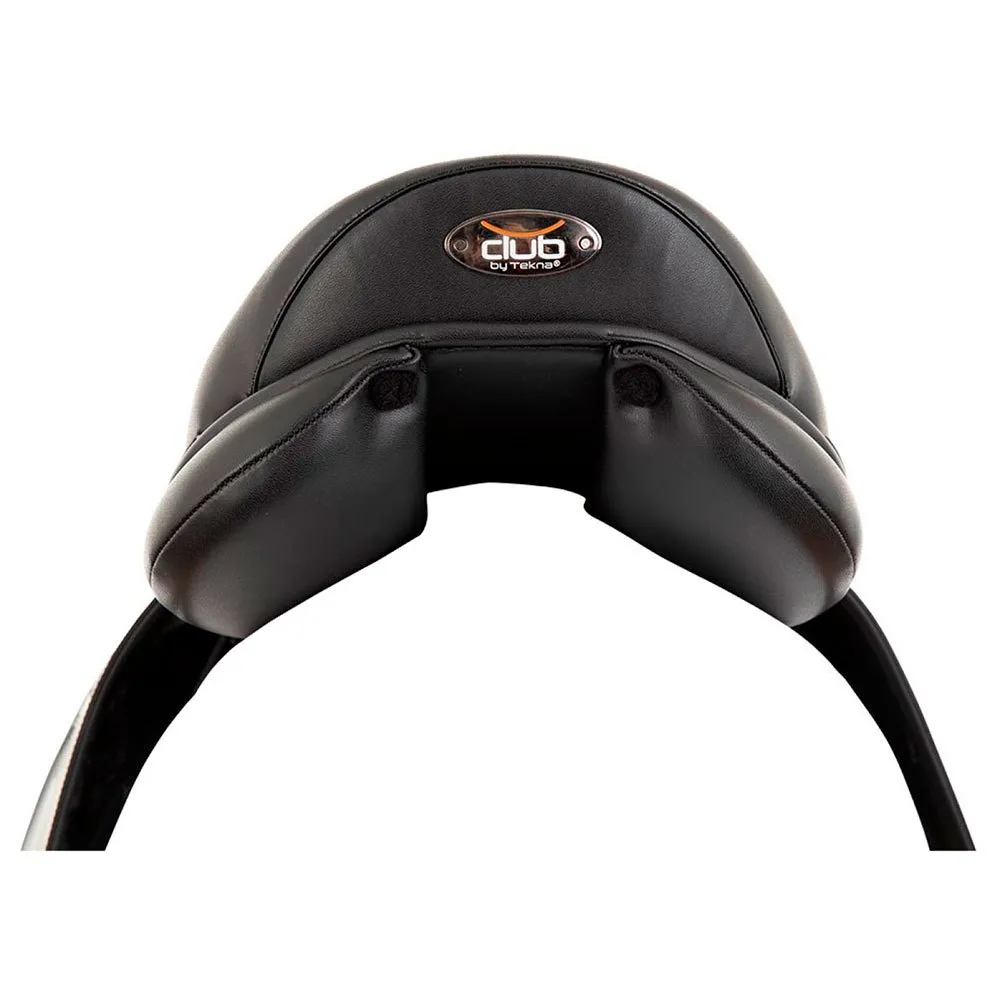
Estimated$700 – $1,100
The Acerugs Synthetic Cordura Trail Saddle is the budget market leader for very low-cost, heavy-duty trail use thanks to its Cordura construction that resists abrasion and weather with minimal care. While it lacks the adjustable-fit systems and refined panels of the Wintec or Thorowgood models, it delivers the best price-to-durability ratio for casual riders, rental programs, or backcountry work where replacement cost and ease of cleaning matter most. Its technical simplicity and aggressive pricing make it the practical choice when cost, toughness, and straightforward maintenance are the top priorities.
Show More Trail Synthetic Horse Saddles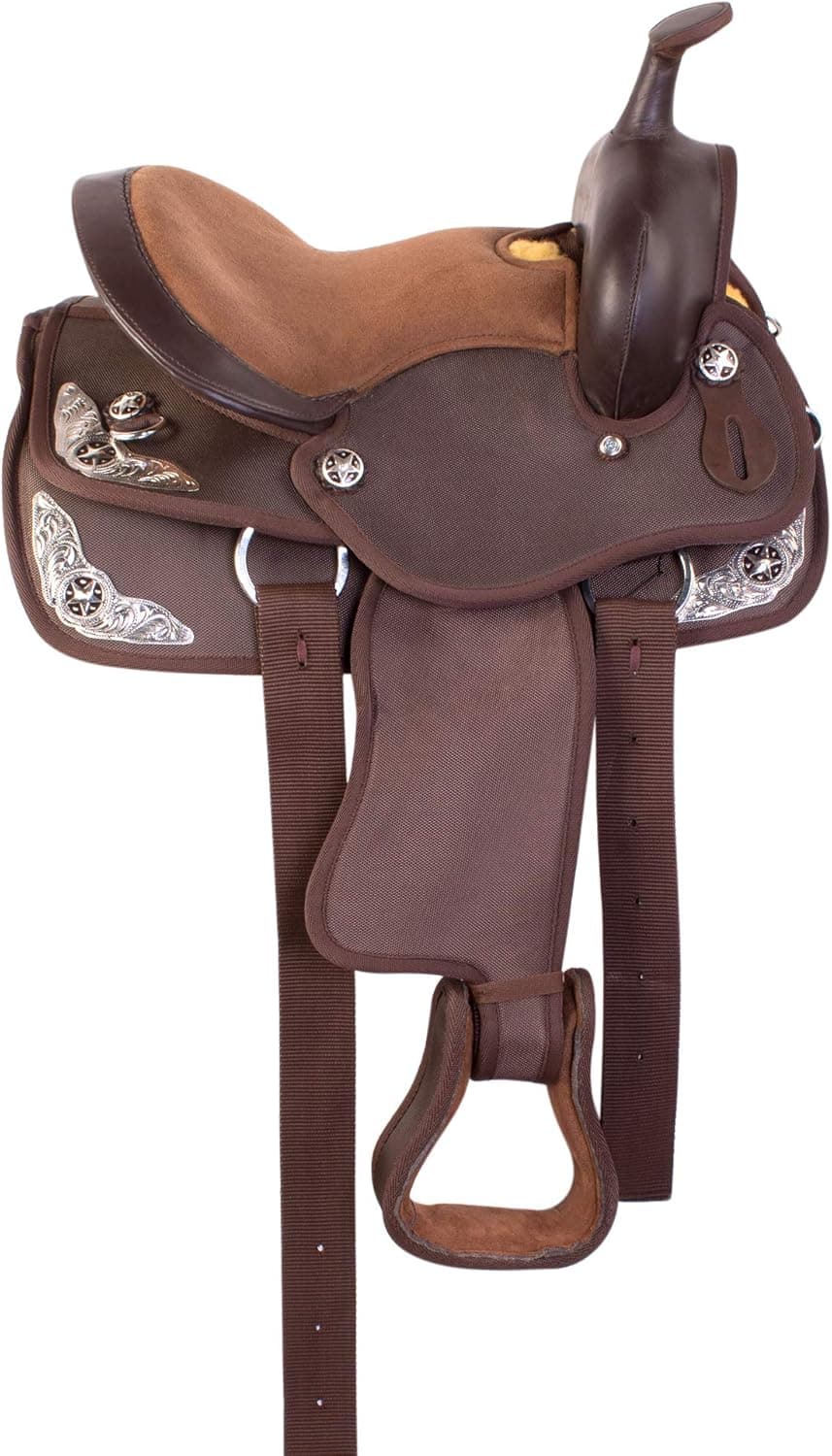
Estimated$150 – $300
Wintec Western All Rounder Saddle
Wintec's Western All Rounder stands out for its lightweight synthetic build and adjustable Easy-Change Gullet system, giving trainers precise fit options and low-maintenance performance for repeated training sessions. Compared with the other models on this list, it commands a higher upfront price but delivers superior fit customization and long-term value—making it best-in-class for riders who prioritize biomechanics and longevity in a training saddle.
Show More Training Synthetic Horse Saddles
Estimated$1,000 – $1,400
The Wintec Pro Vaulting Surcingle leverages Wintec's proven synthetic technology and adjustable support systems (such as air- or foam-based panels) to offer consistent stability and easy fit adjustments, making it a technical favorite for programs that need quick adaptability between horses. Priced in the mid-range, it balances durability and rider security better than many low-cost surcingles, though it sacrifices some of the natural movement and pressure-relief of the tree-free Barefoot Nottingham.
Show More Vaulting Synthetic Horse SaddlesEstimated$300 – $450
The Thorowgood T4 Racing Saddle stands out as a market leader for riders prioritizing close-contact feel and ultra-lightweight performance in racing synthetic horse saddles, delivering a low profile favored by jockeys and trainers. Technically it competes with Wintec on adjustability but leans harder toward minimal bulk and responsive balance, offering a performance-oriented compromise that can justify a slightly higher price for programs focused on speed and rider position.
Show More Racing Synthetic Horse Saddles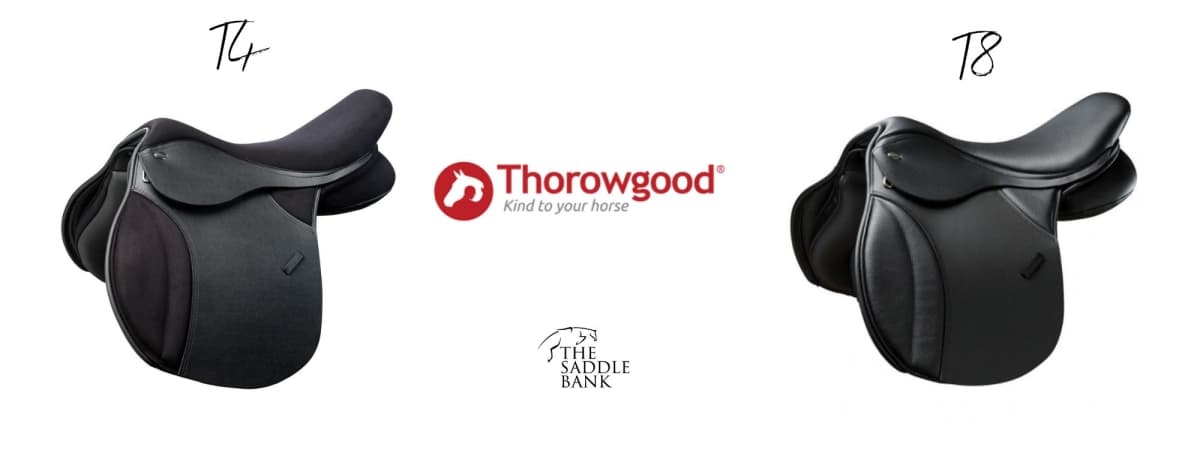
The Owen Synthetic Side Saddle is positioned as a best-in-class option for riders seeking modern ergonomics in Side Saddle Synthetic Horse Saddles, combining a performance-focused seat with advanced synthetic materials for long-term comfort. It stands out against the list by offering a mid-range price with technical features—like shock-absorbing foam and a narrow tree profile—that deliver high value for budget-conscious riders compared with the more heritage-driven or premium-priced alternatives. Owen’s balance of contemporary design and cost-effectiveness makes it a strong choice for regular use and training without the higher upfront cost of some competitors.
Show More Side Saddle Synthetic Horse Saddles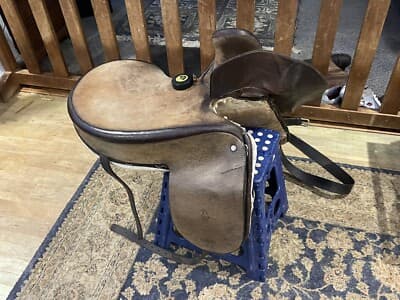
Estimated$399 – $699
Why Synthetic Saddles Work: Research and Evidence
A growing body of materials science and ergonomics research helps explain why synthetic saddles are effective for many riders. Composite fibers and engineered polymers offer favorable strength-to-weight ratios, while synthetic coverings resist water and fungal issues better than untreated leather. Ergonomic and biomechanical studies indicate that reduced saddle weight and consistent panel shape can reduce rider fatigue and maintain more predictable pressure distribution across the horse's back. Maintenance and lifecycle analyses show that for many use cases, especially recreational and trail riding, synthetic saddles provide a strong cost-to-performance ratio.
Materials science research shows composite fibers and engineered polymers achieve high strength-to-weight performance, enabling lighter saddles without sacrificing durability.
Comparative evaluations indicate synthetic coverings retain shape and resist moisture and mildew better than untreated leather, lowering the need for frequent conditioning.
Biomechanical and ergonomic studies suggest lighter saddles can reduce rider fatigue on long rides and help maintain more stable balance, which benefits both rider and horse.
Durability and lifecycle assessments find that for everyday, trail, and lesson use the total cost of ownership for synthetic saddles is often lower due to reduced maintenance and replacement costs.
Allergy and hygiene studies note that synthetic surfaces are easier to disinfect and less hospitable to mold, which is an advantage in humid or wet climates like parts of Canada.
Frequently Asked Questions
Which Thorowgood synthetic saddle is best for schools?
Choose the Thorowgood T4 Pony Club Saddle for high-use training because it has an adjustable gullet and supportive panels, plus a quick-change gullet system with a close-contact feel; it’s rated 4.5/5.
What adjustable feature does the Thorowgood T8 Endurance saddle have?
The Thorowgood T8 Endurance Saddle uses an adjustable/replaceable gullet system, so you can make fit adjustments between horses; it’s rated 4.6/5.
How does Thorowgood T4 All Purpose compare on price and value?
The dataset lists no price for the Thorowgood T4 All Purpose Saddle, but it’s described as a strong value synthetic with durable synthetic leather and an adjustable gullet; it’s rated 4.6/5.
Is the Thorowgood T4 All Purpose compatible with CAIR?
No—the Thorowgood T4 All Purpose Saddle overview says it lacks CAIR technology.
Conclusion
Synthetic saddles are a practical, affordable choice for many Canadian riders in 2025—especially for trail riding, lessons, and anyone who values easy care and lighter weight. We hope this top-6 guide helped you find the right option. If you want to narrow results by discipline, tree type, seat size, or budget, use the site search to refine or expand your search and compare models quickly.