

Smart Ankle & Foot Rehabilitation: Top 6 Balance Trainers in Canada, 2026
Wearable ankle and foot devices including powered supports, range-of-motion sensors, and neuromuscular stimulation tools are transforming balance training by targeting distal control to improve posture, gait, and fall resilience. This category within Yoga Pilates Equipment > Balance Mobility Props > Smart Guided Balance Trainers Rehab Devices covers smart, clinician-friendly solutions that support task-specific retraining, objective measurement, and integration with broader rehabilitation programs. In Canada, clinicians, rehabilitation clinics, and home users prioritize proven clinical benefit, ease of use, wireless app integration for remote monitoring, adjustable support levels, battery life, comfort and fit, clinician-ready data reports, and options for funding or rental. Demand is growing because of an aging population, expanded community-based rehab services, wider telehealth adoption, and the need for outcome-driven tools in physiotherapy and post-stroke care. The best devices combine evidence-based effects on gait and balance with intuitive software, durable hardware, and clear pathways for clinical implementation.
Inception's AI took the time to understand this market in Canada · · How we pickWe may earn a commission on purchases. It never affects our rankings.
Top Picks Summary
Bioness L300 Go System
The Bioness L300 Go is a market-leading functional electrical stimulation (FES) system engineered for foot drop and dynamic ankle control, delivering sensor-driven, timed stimulation and smartphone integration to improve gait and balance. It earns its position through highly targeted ankle dorsiflexion control and robust clinical validation compared with more general tools like TENS 7000 or whole-body solutions like the BalanceWear Vest; the device typically carries a higher purchase price but can offer stronger reimbursement pathways and greater functional gains for balance-focused rehab.

WalkAide System
The WalkAide is a proven external stimulation system that uses tilt-sensing to time stimulation for foot clearance and balance during gait, positioned as a practical, cost-effective alternative to more feature-rich FES systems. It competes directly with the Bioness L300 Go by offering simpler setup and often lower upfront cost while delivering comparable improvements in many patients, though it provides fewer customization and app-driven analytics than the L300 Go.

Estimated$6,000 – $9,000
Ottobock C-Brace Mechatronic Orthosis
The C‑Brace Mechatronic Orthosis is a best-in-class, microprocessor‑controlled orthosis that provides real-time stance and swing regulation to improve dynamic stability and safe weight‑bearing for patients with lower‑limb weakness. Unlike DorsaVi's sensor‑based assessment and XSENSOR's pressure mapping, the C‑Brace delivers active mechanical support that can produce immediate functional improvements; this capability commands a higher upfront cost but can reduce long‑term therapy time and fall risk through direct assistive torque and established clinical outcomes.
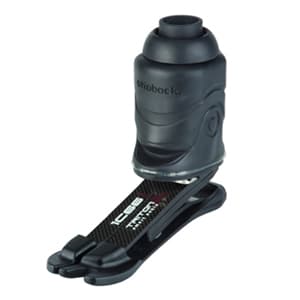
Estimated$20,000 – $45,000
TENS 7000 Digital TENS Unit
The TENS 7000 is a low-cost, widely available transcutaneous electrical nerve stimulation unit often used as an accessible adjunct for ankle and foot pain modulation and sensory input during balance training. It holds a best-in-class position for affordability and portability compared with specialized FES systems in this list, offering clinics and home users a budget-friendly way to increase sensory stimulation even though it lacks the gait-timed, targeted dorsiflexion control of devices like the Bioness L300 Go or WalkAide.

We may earn a commission on purchases. It never affects our rankings.
$45.95CAD
Dorsavi ViMove2 Wearable Sensor
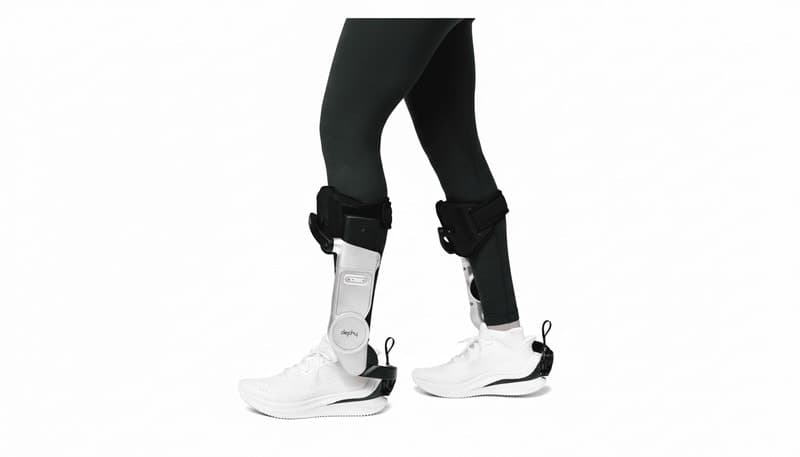
ViMove2 is a market‑leading wearable sensor system combining inertial measurement and EMG to provide clinic‑grade motion and muscle‑activation metrics for ankle and foot balance training in both in‑clinic and remote settings. Compared with Ottobock's mechanically assistive C‑Brace and XSENSOR's plantar pressure insoles, ViMove2 is lower cost and highly deployable for longitudinal monitoring and biofeedback, giving therapists objective gait and balance data without the hardware complexity or per‑session sensing footprint of pressure insoles.
XSENSOR Intelligent Insole System
The XSENSOR Intelligent Insole System delivers high‑resolution plantar pressure mapping and real‑time center‑of‑pressure visualization that is ideal for targeted balance training and orthotic tuning. In contrast to Ottobock's active orthosis and DorsaVi's inertial/EMG approach, XSENSOR uniquely quantifies load distribution across the foot during dynamic tasks, offering clinicians actionable pressure metrics at a mid‑range per‑session cost that support customized rehabilitation plans and fall‑risk profiling.

What the Research Says
Scientific studies and clinical trials support the use of targeted ankle and foot devices for improving gait, balance, and functional mobility. Evidence spans randomized controlled trials, systematic reviews, biomechanical validation studies, and real-world clinical reports. Key mechanisms include neuromuscular stimulation to correct foot drop, sensor-driven biofeedback to retrain movement patterns, and pressure-sensing insoles to identify asymmetries and guide therapy. Clinicians rely on standardized outcome measures such as gait speed, Timed Up and Go (TUG), Berg Balance Scale (BBS), and step symmetry to track progress and validate device effectiveness.
Functional electrical stimulation (FES) devices have been shown in randomized controlled trials to improve dorsiflexion during swing phase, increase walking speed, and reduce compensatory strategies in people with foot drop.
Wearable inertial sensors and motion units provide valid, objective measures of balance and gait that correlate with clinical scales and can detect subtle improvements earlier than observation alone.
Pressure-sensing insoles and plantar pressure mapping help identify weight-shift asymmetries and dynamic balance deficits, allowing targeted interventions and measurable outcome tracking.
Sensor-based biofeedback and task-specific training promote motor learning and neuroplasticity when used consistently, supporting longer-term gains in stability and confidence.
Telemonitoring and app integration improve adherence and enable remote adjustment by clinicians, which increases access to rehabilitation services in community and rural settings.
Frequently Asked Questions
Which smart ankle trainer fits foot drop therapy best?
Choose the Bioness L300 Go System if you need wireless FES that senses gait and delivers targeted stimulation to the peroneal nerve to correct foot drop; it’s rated 4.1 and uses real-time gait detection plus adjustable stimulation parameters.
Does Ottobock C-Brace Mechatronic Orthosis control stance and swing?
Yes—Ottobock C-Brace Mechatronic Orthosis uses microprocessor-controlled stance and swing phase support to stabilize knee/ankle during gait; it’s rated 4.6 and is clinician-programmable with custom-fitted carbon fibre and aluminium construction.
Is WalkAide cheaper than Bioness L300 Go system?
The provided info doesn’t include any prices for WalkAide System or Bioness L300 Go System, so I can’t compare value by cost; WalkAide is rated 4.1, while Bioness L300 Go System is rated 4.1.
What warranty comes with WalkAide System balance training?
The provided product data doesn’t list a warranty duration for WalkAide System (or the other items), so I can’t state coverage; WalkAide is a single-channel neurostimulation system using tilt/gait sensors to trigger stimulation during swing.
Conclusion
This selection highlights six leading smart ankle and foot rehabilitation tools available in Canada: Bioness L300 Go System, WalkAide System, Ottobock C-Brace Mechatronic Orthosis, TENS 7000 Digital TENS Unit, Dorsavi ViMove2 Wearable Sensor, and XSENSOR Intelligent Insole System. Each offers a different balance between powered support, neuromuscular stimulation, objective measurement, and clinical reporting. For most balance-focused ankle and foot rehabilitation needs, the Bioness L300 Go System stands out as the best overall choice due to its proven functional electrical stimulation for foot-drop correction, portability, and clinician-oriented outcome tracking. We hope you found what you were looking for; you can refine or expand your search using the site search to compare features, pricing, funding options, or to locate local suppliers and rental programs.