

Top 6 Fluorocarbon Fishing Lines in Canada 2025 — Low-Visibility, Fast-Sinking, Abrasion-Resistant Leaders and Coated Options
Fluorocarbon fishing line has become a staple for Canadian anglers in 2025 because it combines low visibility, higher density, and strong abrasion resistance — characteristics that make it ideal for leaders, bite-sensitive presentations, and clear-water situations. Anglers across Canada choose fluorocarbon for trout and bass fishing on pristine lakes, for walleye and pike in rivers, for ice fishing, and for inshore saltwater work where stealth and durability matter. Recent product advances include softer, more manageable blends and coated variants that pair the near-invisibility of pure fluorocarbon with improved castability, reduced line memory, and smoother spool performance. This category page highlights the top 6 fluorocarbon options available in Canada for 2025, helping buyers match line choice to fishing style, target species, and local water conditions.
Inception's AI took the time to understand this market in Canada · · How we pickWe may earn a commission on purchases. It never affects our rankings.
Top Picks Summary
Seaguar Red Label Fluorocarbon is the classic, firmer option in the Seaguar lineup, favored for its stiffness, abrasion resistance and cost-effectiveness when loaded on spinning spools that need fast hooksets and minimal stretch. It undercuts InvizX on price while offering greater backbone for certain spinning applications, making it a market leader for anglers who prioritize casting control and hook-setting power over absolute invisibility.
Show More Spinning Fluorocarbon Spools
Berkley Trilene 100% Fluorocarbon Professional Grade is a widely available, cost-effective spool that offers good abrasion resistance and low visibility for baitcasting applications. Financially it undercuts many premium brands while delivering reliable performance, although it can be slightly stiffer and have more memory than the top-tier Seaguar and Sunline offerings. Its strength is value and accessibility — ideal for anglers stocking several baitcasting reels without the premium spend required by tournament-grade fluorocarbons.
Show More Baitcasting Fluorocarbon Spools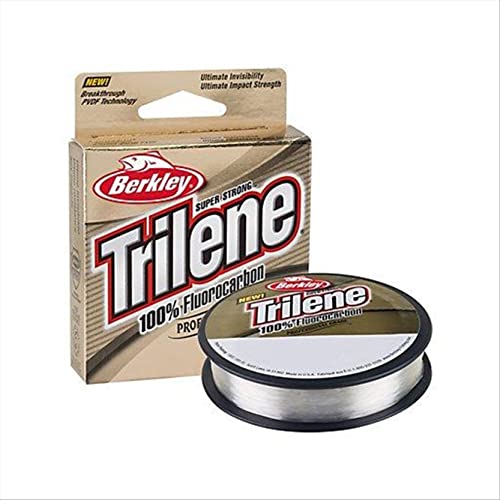
We may earn a commission on purchases. It never affects our rankings.
$17.64CAD
Yo-Zuri HD Carbon balances high abrasion resistance with a more supple feel than many pure fluorocarbons, improving casting and knotability for saltwater anglers who want performance without the stiffness of some premium leaders. Technically it competes closely with Seaguar on strength and invisibility but is often offered at a slightly more accessible price point, making it a smart choice for anglers seeking near-premium performance for less.
Show More Saltwater Fluorocarbon Line
P-Line Floroclear balances suppleness and durability to provide a user-friendly freshwater fluorocarbon that handles well on reels and in knots, making it a solid mid-range pick for many anglers. It is generally more manageable than stiffer premium lines like Sunline Super FC Sniper and closer in price to Berkley Vanish, so it appeals to fishers seeking a compromise between performance and cost for everyday freshwater use.
Show More Freshwater Fluorocarbon Line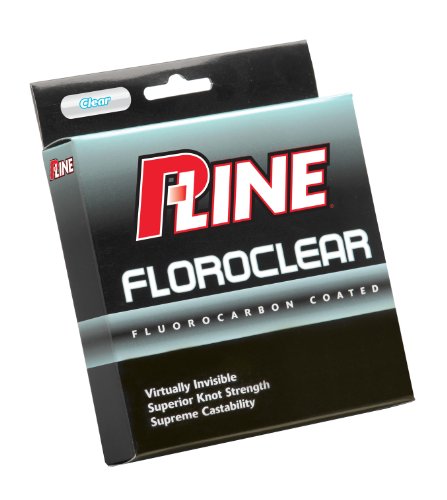
Estimated$10 – $20
Sunline FC Sniper is positioned as a high-performance coated fluorocarbon with an emphasis on low-diameter strength and sensitivity—its treatment reduces visibility while maintaining excellent knot strength and casting feel. It competes with Seaguar for technical performance but often wins among anglers who prioritize thin diameter and responsiveness on long casts or finesse presentations.
Show More Coated Fluorocarbon Line
We may earn a commission on purchases. It never affects our rankings.
$27.99CAD
Yo-Zuri’s H.D. Carbon 1000-yard bulk spool leads the market for anglers needing heavy-duty fluorocarbon that blends enhanced abrasion resistance and added stiffness, offering strong hook-setting power and durability on structure-heavy retrieves. Priced and engineered to be a more cost-efficient workhorse in bulk compared with premium options like Seaguar Red Label, the H.D. Carbon is often chosen for big-fish applications where toughness and value per yard outweigh the ultra low-visibility characteristics of premium finesse lines.
Show More Bulk Fluorocarbon Spools
Estimated$80 – $120
What Research and Angler Testing Say About Fluorocarbon Benefits
Scientific principles and independent angler testing both explain why fluorocarbon performs the way it does. Fluorocarbon lines are typically made from fluoropolymers such as PVDF, which have a refractive index closer to water, a higher specific gravity than nylon monofilament, and a molecular structure that improves abrasion resistance and UV stability. Laboratory abrasion tests and field trials show that fluorocarbon leaders resist nicks and rubs from rocks, toothy fish, and rough structure better than many monofilaments, and their higher density causes them to sink faster, keeping lures and bait in the strike zone. Modern manufacturing has produced copolymer blends and surface coatings that lower stiffness and line memory, improving casting distance and handling without sacrificing low-visibility properties. Taken together, lab-based results and extensive angler feedback support fluorocarbon as a go-to choice for leader use, clear-water presentations, and situations where sensitivity and stealth are priorities.
Low visibility: Fluoropolymers have a refractive index closer to water, reducing light reflection and making the line harder for fish to see in clear conditions.
Higher density: Greater specific gravity than nylon monofilament causes faster sinking and better lure control near the bottom.
Abrasion resistance: Chemical structure and tight polymer chains increase resistance to cuts and wear from rocks, teeth, and structure in both freshwater and saltwater.
Sensitivity and low stretch: Reduced stretch improves bite detection and hook-setting power compared with softer monofilament, especially when used as a leader.
Coatings and blends: Modern fluorocarbon coatings and copolymer blends reduce stiffness and line memory, improving castability while retaining invisibility.
Durability: Improved UV and water absorption resistance leads to longer usable life in field conditions compared with older materials.
Frequently Asked Questions
Which fluorocarbon should I pick for clear-water spinning?
Seaguar InvizX Fluorocarbon is the go-to for clear-water spinning because it’s described as near-invisible with a high-abrasion, supple feel and a reliable knot strength rating of 4.5.
How fast does Seaguar InvizX fluorocarbon sink?
Seaguar InvizX Fluorocarbon is listed with a “Fast sink — stone drop” benefit, and it has an average rating of 4.5.
What does the P-Line CFX fluorocarbon leader cost?
The P-Line CFX Fluorocarbon Leader lists at CA$16.17, with an average rating of 4.5, and it’s positioned for abrasion resistance plus reliable knot strength.
Is Seaguar Tatsu better for baitcasters than spinning?
Seaguar Tatsu Fluorocarbon Line 200 Yards is positioned for baitcasting setups, not spinning, with a 4.6 average rating and specs focused on low memory, high knot strength, and abrasion resistance.
Conclusion
In Canada, the right fluorocarbon line can make the difference between a missed fish and a solid hookup — whether you are fishing clear lakes for trout, casting for bass, jigging through the ice, or running lures inshore. We hope this guide to the top 6 fluorocarbon options for 2025 helped you find what you need. If you want to refine or expand your search by species, strength, or brand, use the site search to filter by line test, spool size, or application.