

Discover the Top 5 Data Collector and Reader Hardware in Canada for 2026
In the fast-evolving world of data collection and analysis for sports and outdoor activities, the demand for reliable and innovative hardware has surged, particularly in Canada. As we move into 2026, enthusiasts and professionals alike are seeking the best data collector and reader devices to enhance their gameplay, training sessions, and overall performance. These devices enable users to capture critical information, such as swing speed, launch angle, and ball trajectory, helping players of all skill levels to improve their techniques and strategies. The best shot data collectors and readers combine cutting-edge technology with user-friendly interfaces, making them appealing in Canada’s competitive market. Factors such as portability, accuracy, data visualization, and integration with other platforms significantly influence consumer preferences. Whether you are a golfer striving to lower your handicap or a sports coach aiming to analyze your team's performance, investing in a high-quality data collector not only provides valuable insights but also fosters progress and an analytical mindset. In this guide, we will explore the top five data collector and reader hardware options available in Canada for 2026, showcasing the features that set these products apart and the benefits they bring to users.
Inception's AI took the time to understand this market in Canada · · How we pickWe may earn a commission on purchases. It never affects our rankings.
Top Picks Summary
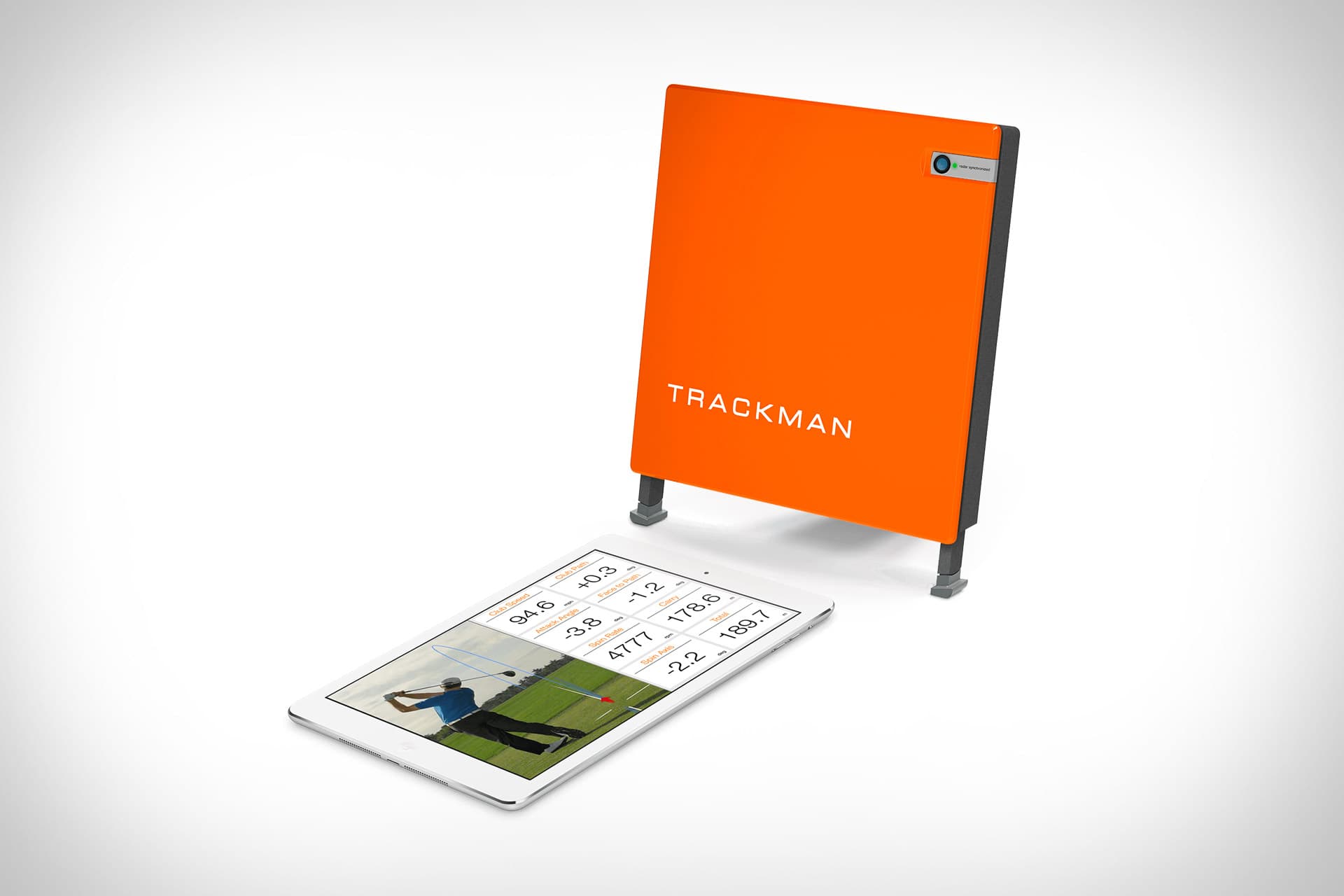
TrackMan 4
TrackMan 4 is widely regarded as the best-in-class shot data collector and reader hardware because its dual-radar architecture delivers tour-grade accuracy on spin, launch and club data that other consumer devices cannot match. It commands a premium price and often a pro-level subscription, but for fitting centers and performance labs its superior repeatability and indoor/outdoor consistency justify the investment compared with the lower-cost alternatives on this list.
We may earn a commission on purchases. It never affects our rankings.
See price at Par2pro
FlightScope Mevo Plus
FlightScope Mevo+ balances professional-grade doppler radar performance with a more accessible price point, making it the market leader for users who need extensive metrics (spin, club head data, shot dispersion) without TrackMan-level cost. It offers strong outdoor and decent indoor capability and represents the best value-to-performance compromise among these devices, although it may trade some absolute accuracy and software polish compared to TrackMan 4.

Estimated$2,000 – $3,000
Garmin Approach R10
Garmin Approach R10 targets budget-conscious golfers who want a portable, easy-to-use shot data reader that integrates with Garmin's ecosystem; it provides core metrics like ball speed, launch angle and estimated carry for a fraction of the high-end systems. While it lacks the detailed spin and club-tracking of TrackMan or Mevo+, its low entry cost and strong app/GPS features make it the most financially attractive option for casual players and practice at home.

Estimated$399 – $599
Rapsodo MLM2PRO
Rapsodo MLM2PRO differentiates itself by combining accurate shot data collection with video-overlay technology, giving coaches and players real-time visual feedback alongside metrics — a strong technical advantage for teaching and player development. It is competitively priced relative to full radar systems and excels at on-course and short-range work, though it may not match the absolute spin/club precision of TrackMan or higher-end radar-only units.

SkyTrak+ Launch Monitor
SkyTrak+ is a photometric-based shot reader optimized for simulator integration, delivering reliable ball-flight and spin estimates indoors with a robust software ecosystem at mid-tier pricing. It offers better simulator-ready features and subscription software options than entry-level radars like the Garmin R10, providing a cost-effective bridge between consumer devices and pro systems for users focused on indoor practice and simulation.

The best shot data collector and reader hardware offers unmatched benefits, such as precise data analysis, ease of use, and portability. These products stand out due to their advanced technology and features that empower users with informed decisions, whether on the golf course or during practice sessions. Enhanced performance through data-driven insights is at the heart of these devices, making them essential for dedicated athletes and coaches.
What Research Says About Collector and Reader Hardware
Scientific and engineering literature, together with industry testing, supports the core benefits of centralized shot data collection: sensor fusion improves measurement reliability; edge processing reduces latency and bandwidth use; and robust, encrypted transfer protects athlete privacy. For organizations and consumers new to these systems, the evidence shows that combining complementary sensors (radar, camera, inertial sensors) and processing some data locally produces more consistent shot detection and faster feedback than single-sensor systems that rely entirely on cloud processing.
Sensor fusion improves accuracy: Studies in sports biomechanics and sensor engineering show that combining data from multiple sensor types reduces false detections and refines estimated metrics such as ball speed, launch angle and spin compared with single-sensor approaches.
Edge processing reduces latency and bandwidth: Research and field tests indicate that on-device or on-site processing can cut end-to-end latency substantially, enabling near real-time coaching feedback and lowering cloud transfer costs.
Secure transfer and privacy matter: Security best practices and privacy guidance in Canada, including PIPEDA considerations, point to encrypted links, local data retention options, and clear consent workflows as essential for user trust.
Interoperability increases value: Comparative evaluations demonstrate that hubs supporting standard protocols and open APIs enable longer-term system flexibility and easier integration with coaching platforms, club management tools and research pipelines.
Practical validation: Independent lab and range tests commonly used by retailers and sports institutes confirm that durable, weatherproof collectors extend usable season length in cold or wet climates typical of many Canadian regions.
Frequently Asked Questions
Should I buy TrackMan 4 for fitting sessions?
Trackman 4 is the best fit if you need tour-level ball and club fusion, since its dual-radar professional-grade tracking delivers extremely high-accuracy spin, launch, and club data with comprehensive carry, spin, launch angle, and club analysis integration.
What exact metrics does FlightScope Mevo+ track?
FlightScope Mevo+ uses 3D Doppler radar to provide carry, total distance, ball speed, club speed, and spin, plus shot dispersion for practice, fitting, and short-swing analysis with mobile app session recording.
Is Garmin Approach R10 a good value at 549.99?
Yes—Garmin Approach R10 is $549.99 and includes a compact Doppler-based launcher for core metrics like carry, ball speed, and launch angle, plus easy smartphone app integration, making it far cheaper than radar systems like FlightScope Mevo+ at $2324.88.
Which device works for indoor and outdoor sessions?
FlightScope Mevo+ is suitable for both indoor and outdoor sessions because its 3D Doppler radar captures ball and club metrics and the unit is portable and battery-powered with mobile app integration and session-recording features.
Conclusion
In summary, when it comes to selecting the right data collector and reader hardware in Canada, the offerings of Trackman 4, FlightScope Mevo+, Garmin Approach R10, Rapsodo MLM2PRO, and SkyTrak+ ensure there is a perfect fit for everyone. Among these, the Trackman 4 stands out for its remarkable accuracy and extensive features, making it an excellent choice for serious athletes and coaches. Each of these products presents unique advantages, whether it's portability, ease of use, or comprehensive data analysis, making them invaluable tools for enhancing skills in various activities. We hope this comparison has helped you in your search for the right device, and encourage you to refine or expand your search to find the ideal fit for your specific needs. With a wealth of options available, improving your gameplay or training experience is just a click away.