

Canada's Top 8 Battery Electric Cars for 2026
Battery electric cars are vehicles powered solely by rechargeable battery packs and electric motors, offering zero tailpipe emissions and increasingly competitive range. In Canada, rapid improvements in battery technology, the expansion of public and private charging infrastructure, and federal and provincial incentives are driving mainstream adoption. Canadian buyers are increasingly choosing battery electric vehicles for lower operating costs, quieter driving, strong performance, and reduced local air pollution. Practical considerations such as winter range performance, onboard thermal management, and availability of home and fast charging continue to shape consumer preferences across provinces and urban versus rural markets.
Inception's AI took the time to understand this market in Canada · · How we pickWe may earn a commission on purchases. It never affects our rankings.
Top Picks Summary
The Chevrolet Bolt EV stands out in the city EV segment for delivering a long real-world range at an accessible price, making it a practical best-in-class choice for urban drivers who need occasional longer trips. Compared with the smaller, shorter-range city models on this list it offers superior battery capacity and cargo room, and it typically undercuts premium rivals on purchase price and total cost of ownership while matching or exceeding their day-to-day practicality.
Show More Battery Electric City Vehicles
The Volkswagen ID.3 represents the market-leading, more premium end of battery electric hatchbacks with refined packaging, advanced EV architecture and a focus on efficiency and onboard tech—appealing to buyers seeking a higher-spec European hatch. Compared with the cheaper Bolt and Leaf it commands a higher purchase price but delivers superior interior refinement, platform-level EV advantages and competitive efficiency that justify the investment for many buyers.
Show More Battery Electric Hatchbacks
Estimated$45,000 – $60,000
As a Battery Electric Sedan market leader, the Tesla Model 3 combines industry-leading range, efficiency and the Supercharger network, giving it a clear technical and financial edge for many buyers. Compared with the BMW i4, Mercedes-Benz EQE, Hyundai Ioniq 6 and Polestar 2, the Model 3's over-the-air software updates, extensive charging infrastructure and strong resale values typically lower total cost of ownership while delivering brisk performance.
Show More Battery Electric Sedans
The Tesla Model Y leads the battery electric crossover segment with class-leading range, rapid charging on Tesla's Supercharger network, and a software-first approach that delivers frequent over-the-air improvements. Compared with the others here it stands out for efficiency, strong resale values and an established charging ecosystem, though buyers focused on interior refinement or lower upfront cost may prefer alternatives.
Show More Battery Electric Crossovers
Estimated$60,000 – $85,000
The EV6 brings sportier chassis tuning, distinctive styling and available high-performance variants that appeal to driving enthusiasts wanting BEV SUV practicality with athletic dynamics. Sharing Hyundai’s E‑GMP underpinnings yet often undercutting the Model Y on price, it balances fast charging, competitive range and stronger handling than the Equinox EV and many Mach‑E trims.
Show More Battery Electric Sport Utility Vehicles
Estimated$54,000 – $70,000
The BMW i4 M50 delivers a balanced, value-oriented interpretation of a performance EV, marrying BMW M-tuned chassis dynamics with practical day-to-day range and a lower entry price than the Taycan or RS e-tron GT. It won’t match the Tesla Model S Plaid or RS e-tron GT for outright acceleration or top-end luxury, but it offers an efficient mix of handling, interior comfort and cost-efficiency that sits between the high-priced German rivals and the more affordable Hyundai Ioniq 5 N.
Show More Battery Electric Luxury Vehicles
Estimated$75,000 – $95,000
The Ford E-Transit leverages the proven Transit platform and an extensive dealer and service network to deliver a balanced, widely available battery-electric light commercial van that suits many fleet needs. It holds a market-leading position for total cost of ownership and real-world versatility — generally more affordable and faster to source and service than premium rivals like the eSprinter, while offering broader upfit and payload flexibility than niche, fleet-optimized models such as the BrightDrop Zevo 600.
Show More Battery Electric Performance Vehicles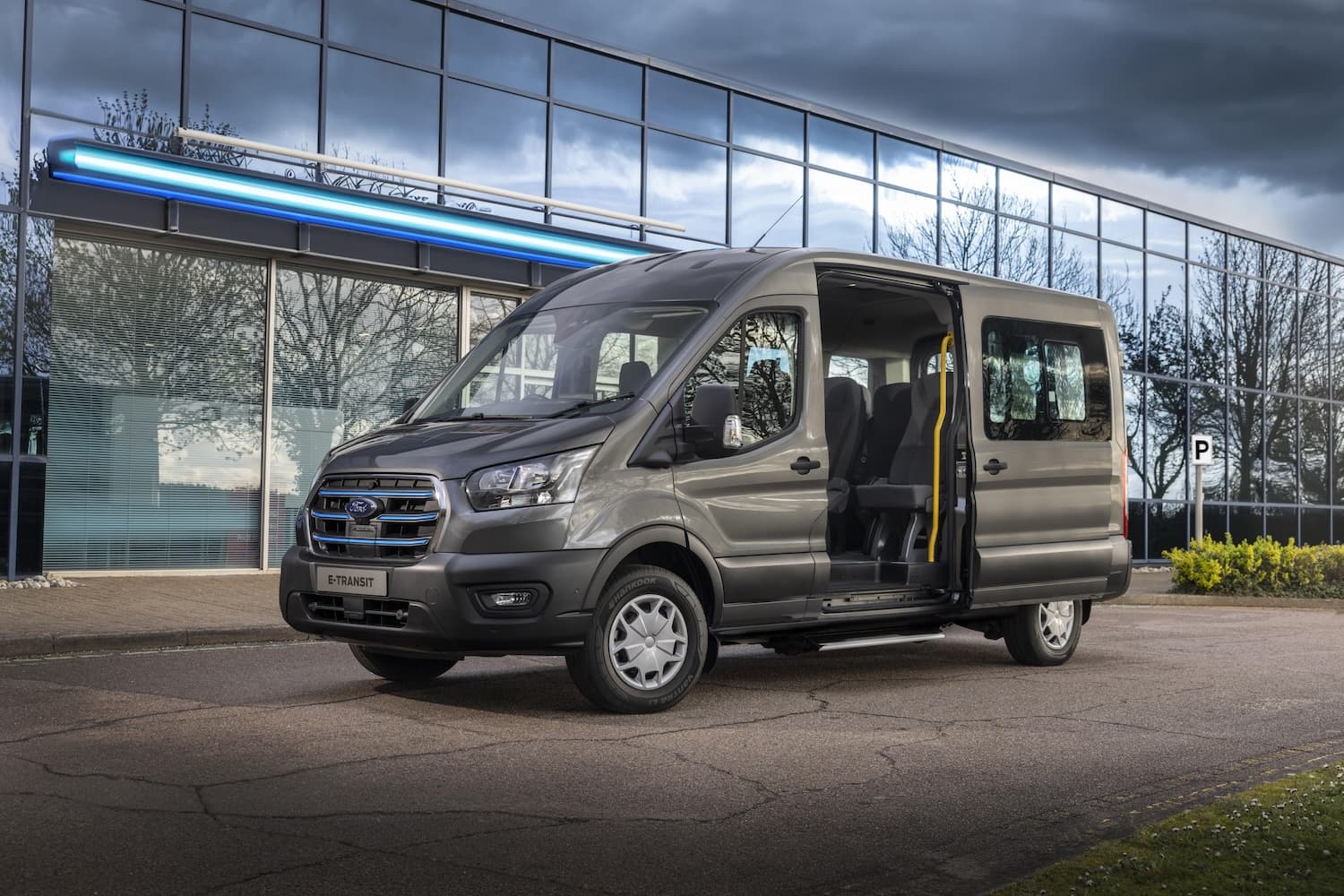
The Lion6 is a Canadian-built, medium-duty battery-electric shuttle that emphasizes high energy efficiency, integrated battery and thermal systems, and strong North American support and warranty terms. It occupies a premium position relative to simpler models like the EV Star or Vicinity Lightning by offering advanced vehicle integration and lower maintenance downtime, making it attractive for operators who prioritize uptime and locally tailored service.
Show More Battery Electric Light Commercial Vans
Estimated$300,000 – $450,000
What the research says
Multiple peer reviewed studies and government analyses show that battery electric vehicles deliver clear environmental and economic benefits for many drivers. Scientific work focuses on lifecycle greenhouse gas emissions, air quality gains in urban areas, battery technology progress, and total cost of ownership comparisons that include maintenance, energy costs, and incentives.
Lifecycle emissions: Research indicates that BEVs typically produce lower lifetime greenhouse gas emissions than comparable internal combustion engine vehicles, especially when charged on low-carbon electricity grids like many Canadian provinces.
Air quality and health: Studies link reductions in tailpipe pollutants to measurable improvements in urban air quality and public health outcomes where electric vehicles replace high-emission petrol and diesel vehicles.
Battery improvements: Scientific and industry reports document steady gains in battery energy density and durability, and a continuing decline in battery cost per kilowatt hour, improving range and lowering vehicle prices over time.
Total cost of ownership: Analyses accounting for fuel, maintenance, and available federal and provincial incentives find that BEVs already reach or beat parity with gasoline vehicles for many Canadian use cases, particularly for drivers who can use home charging.
Charging infrastructure effects: Research shows that expanded fast charger networks and workplace charging significantly increase BEV usability and buy-in, and public policy that supports infrastructure rollout accelerates adoption.
Frequently Asked Questions
Which 2026 EV should I buy for city driving?
Choose the Hyundai Kona Electric for city agility plus confident longer-range use, with an average rating of 4.6 and long-range capability up to ~400–415 km on the larger battery.
What specific range does the Hyundai Kona Electric offer?
The Hyundai Kona Electric offers long-range capability up to ~400–415 km on the larger battery, and it has an average rating of 4.6 for this model.
Is BMW i4 cheaper or more expensive than others?
The BMW i4 listing price shown is 15.12, but Hyundai Kona Electric and Volkswagen ID.3 don’t have a listed price in the provided data.
Does Volkswagen ID.3 have driver assistance features?
Yes—Volkswagen ID.3 includes advanced driver-assistance systems, with an average rating of 4.2.
Conclusion
Battery electric cars are a practical and increasingly affordable choice for Canadian drivers in 2026, offering lower running costs, cleaner local air, and competitive range for most daily needs. We hope you found what you were looking for — refine or expand your search using the site search to compare models, range, pricing, incentives, and charging options across provinces.