

Top 5 Battery Electric Light Commercial Vans in Canada for 2026
Battery electric light commercial vans are purpose-built electric vehicles designed for urban deliveries and light-duty commercial use. In Canada they combine cargo-focused interiors, efficient electric drivetrains, and lower operating costs to improve last-mile logistics and reduce fleet emissions. Fleet managers and small business owners favor these vans for predictable daily routes, reduced maintenance, eligibility for provincial and federal incentives, and access to low-emission zones in major cities. Canadian buyers also weigh cold-weather battery performance, payload and volumetric capacity, depot and public charging access, and total cost of ownership over the vehicle lifecycle. By 2026 the market offers broader model choices, improved battery technology, and expanding charging infrastructure that make electric vans increasingly practical for Canadian urban, suburban, and regional operations.
Inception's AI took the time to understand this market in Canada · · How we pickWe may earn a commission on purchases. It never affects our rankings.
Top Picks Summary
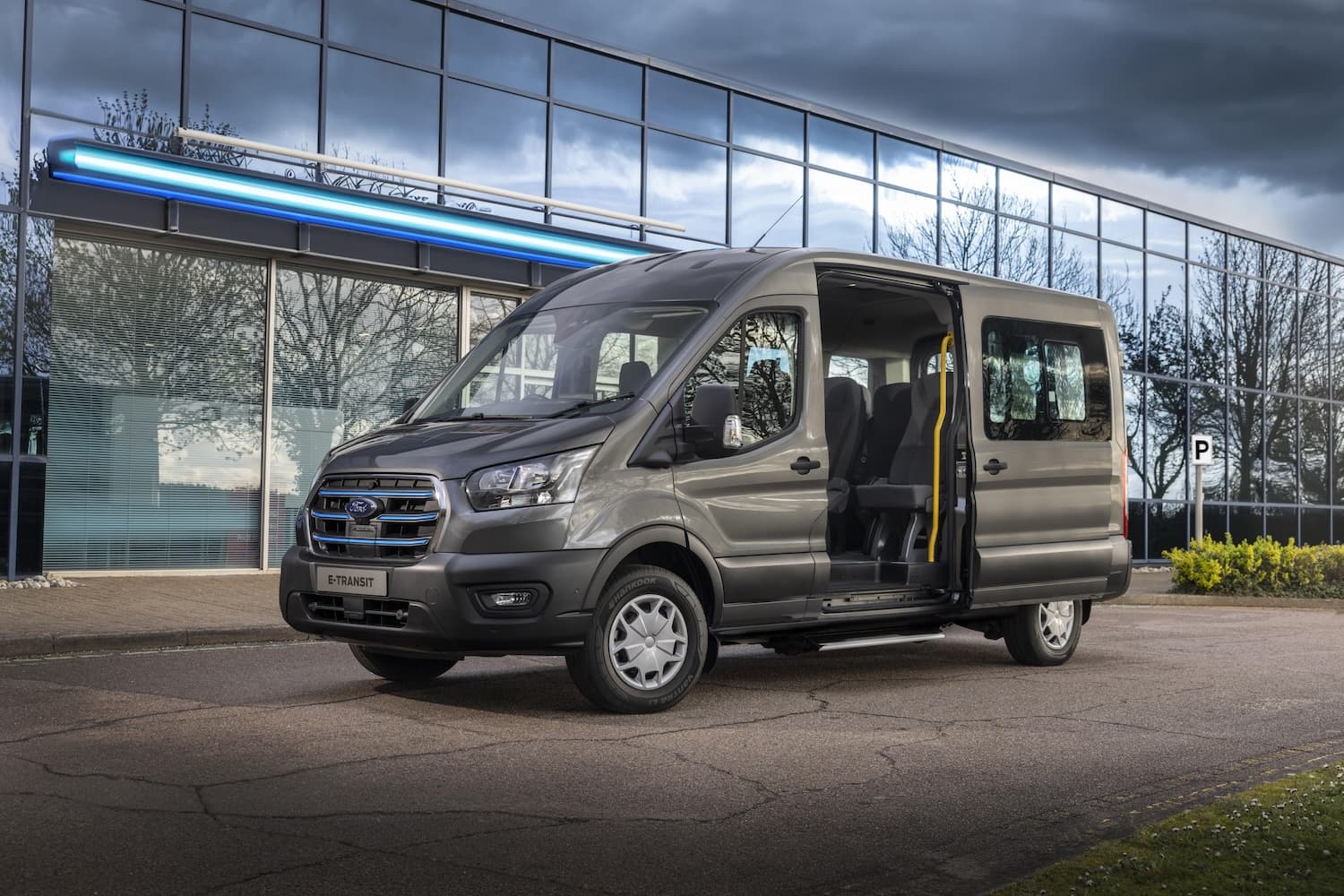
Ford E-Transit
The Ford E-Transit leverages the proven Transit platform and an extensive dealer and service network to deliver a balanced, widely available battery-electric light commercial van that suits many fleet needs. It holds a market-leading position for total cost of ownership and real-world versatility — generally more affordable and faster to source and service than premium rivals like the eSprinter, while offering broader upfit and payload flexibility than niche, fleet-optimized models such as the BrightDrop Zevo 600.
Mercedes-Benz eSprinter
The Mercedes-Benz eSprinter brings premium engineering, robust upfitability and international service coverage that appeals to customers who need durability and specialty conversions in a battery-electric light commercial van. Although it typically carries a higher upfront price than models like the E-Transit or Ram ProMaster EV, its build quality, safety systems and tailored commercial options justify the investment for fleets that prioritize longevity and high-spec customization over the lowest acquisition cost.

We may earn a commission on purchases. It never affects our rankings.
Estimated$75,000 – $100,000
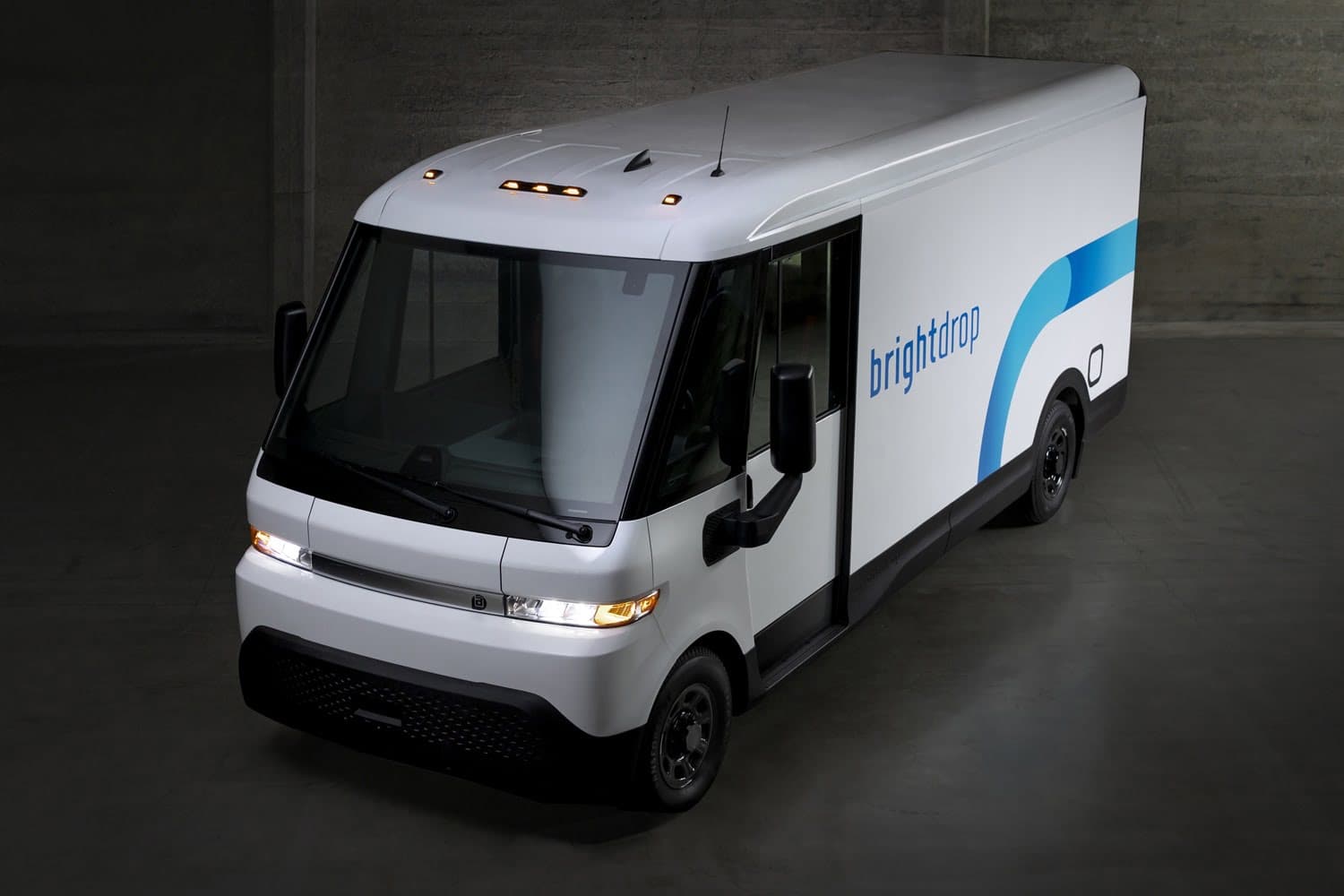
Chevrolet BrightDrop Zevo 600
The BrightDrop Zevo 600 is purpose-built for last-mile delivery fleets, combining large cargo volume with integrated telematics and fleet-management software to minimize operating costs through tighter route optimization and cargo efficiency. Compared with more generalist vans on this list, BrightDrop’s fleet-first technical stack and end-to-end support can deliver superior operational savings for high-utilization delivery operators, though that specialized value may come at a premium and with a more limited dealer footprint than legacy OEMs.
Estimated$80,000 – $115,000
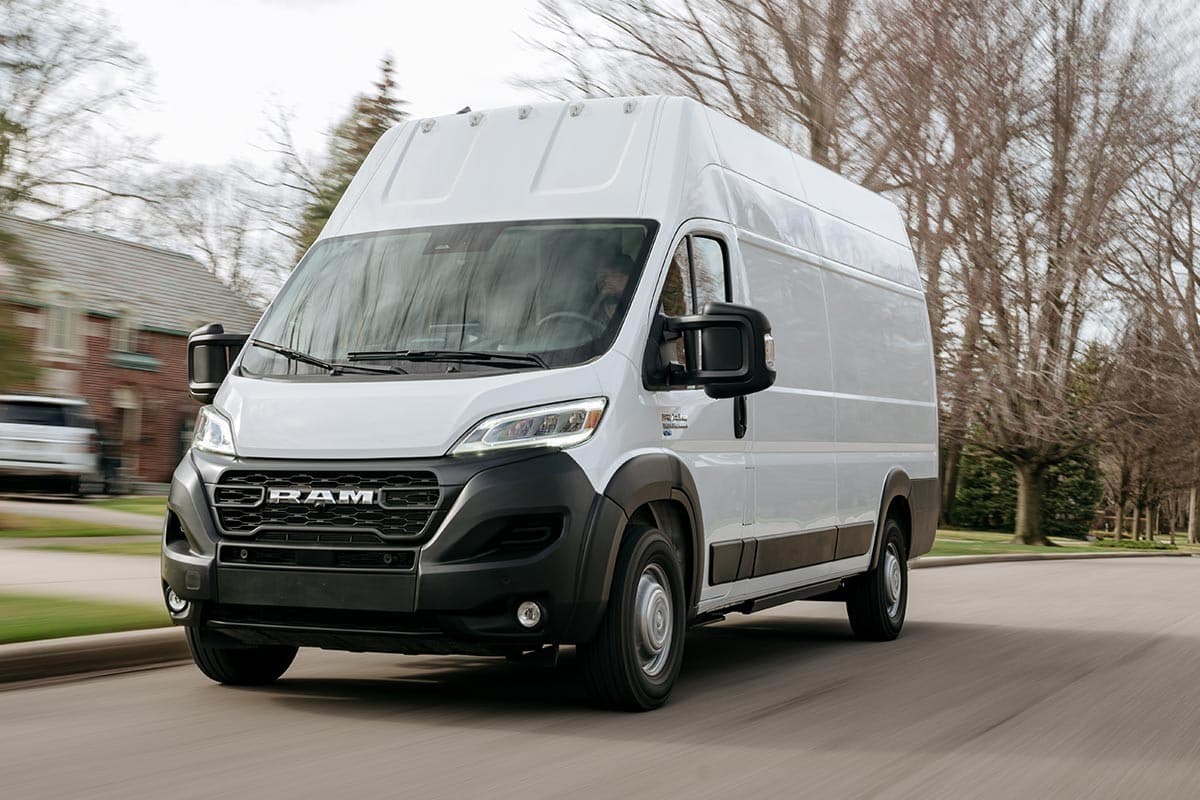
Ram ProMaster EV
The Ram ProMaster EV emphasizes value and a low, flat load floor thanks to its front-wheel-drive ProMaster architecture, making it an economical choice for businesses focused on payload efficiency and straightforward upfits. It competes on purchase price and familiar serviceability through an established dealer network, offering a more budget-oriented alternative to the feature-rich BrightDrop or the MEB-based ID. Buzz Cargo, while typically lacking some of the dedicated EV platform efficiencies and advanced fleet software those rivals provide.
We may earn a commission on purchases. It never affects our rankings.
Estimated$60,000 – $88,000
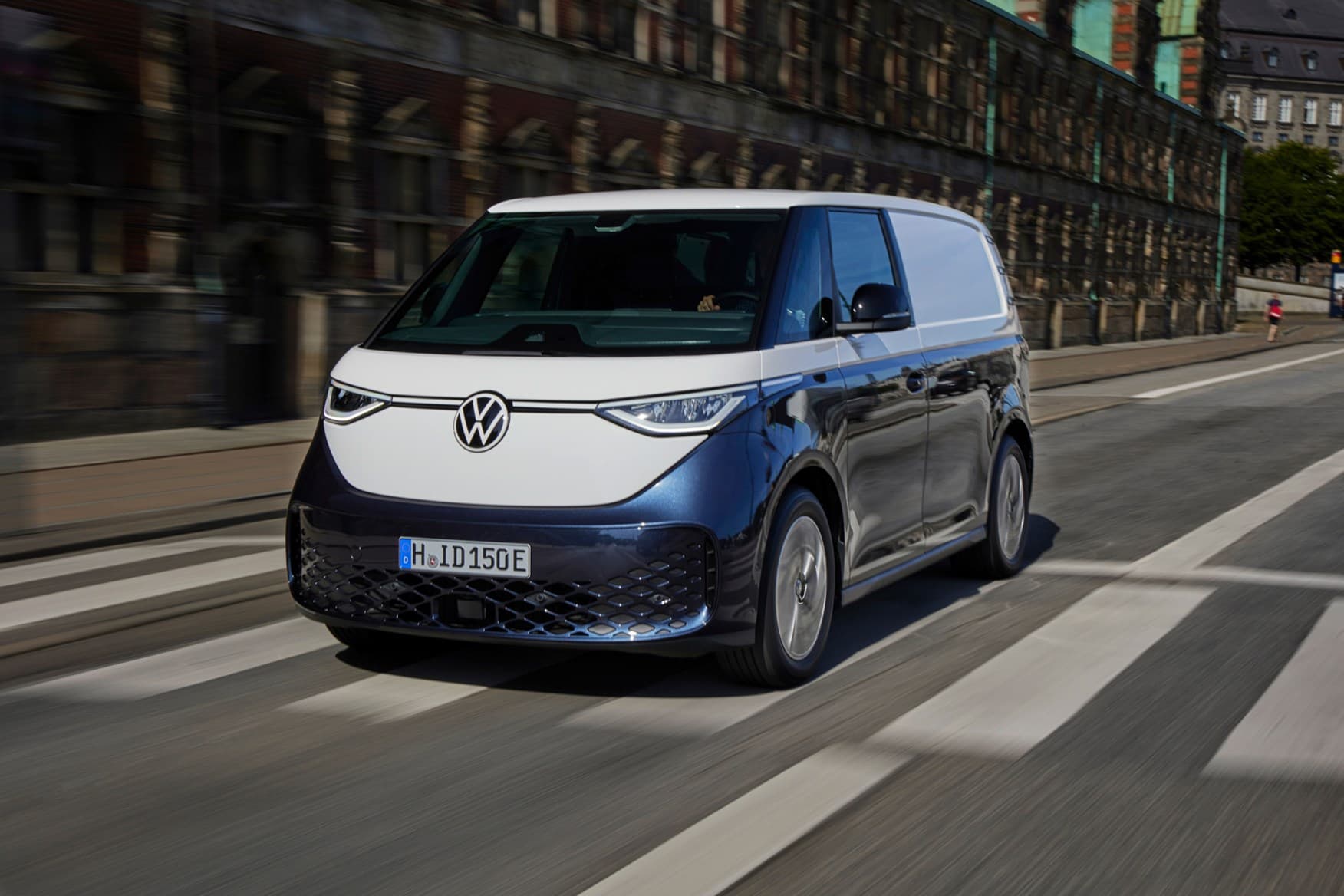
Volkswagen ID. Buzz Cargo
The Volkswagen ID. Buzz Cargo runs on VW’s dedicated MEB electric architecture, delivering efficient energy use, modern software features and strong urban drivability that suit city-focused commercial operations. Its modern EV platform usually results in lower energy consumption and a contemporary feature set compared with conversion-style electric vans, and while its upfront cost can be higher than legacy-platform electrified models, fleets can benefit from long-term energy savings and frequent software-driven improvements.
Estimated$55,000 – $78,000
What research and pilots say about electric light commercial vans
A range of government reports, industry studies, and fleet pilots shows consistent benefits for battery electric light commercial vans. Life cycle assessments find that electric vans typically generate lower greenhouse gas emissions than diesel or gasoline equivalents when charged on North American grids, with greater benefits as electricity mixes decarbonize. Fleet trials report meaningful reductions in fuel and maintenance costs and confirm that operational practices such as route optimization, depot charging, and battery preconditioning in cold weather increase real-world efficiency and battery longevity. Research from organizations including Natural Resources Canada, Transport Canada, and the International Council on Clean Transportation supports these findings and provides practical guidance for fleet electrification.
Lifecycle emissions: Electric vans tend to produce fewer total greenhouse gas emissions over their lifecycle than internal combustion vans, especially as grid electricity becomes cleaner.
Lower operating costs: Fleets commonly report reductions in fuel and routine maintenance expenses, improving total cost of ownership for typical urban delivery duty cycles.
Cold-weather management: Studies note that preconditioning, insulated batteries, and smart charging mitigate range loss in cold climates common in Canada.
Energy efficiency: Regenerative braking and efficient electric drivetrains increase energy recovery in stop-and-go urban routes typical of last-mile delivery.
Charging and grid benefits: Smart and off-peak charging can lower electricity costs and reduce strain on the grid, while depot charging solutions simplify fleet operations.
Policy and incentives: Federal and provincial incentives, plus procurement programs, materially improve purchase economics for commercial buyers.
Frequently Asked Questions
Which van should a small delivery fleet buy in Canada?
For many small delivery fleets, the Chevrolet BrightDrop Zevo 600 is a strong fit because it’s purpose-built for last-mile delivery with integrated telematics and fleet-management software to help minimize operating costs.
How much cargo space does the BrightDrop Zevo 600 have?
The Chevrolet BrightDrop Zevo 600 lists about 600 cu ft of cargo space, and it also includes integrated fleet software with a driver-focused interior for efficient routes.
Is the Ford E-Transit cheaper than the eSprinter?
The provided data doesn’t include exact prices for the Ford E-Transit or the Mercedes-Benz eSprinter, so a Canada price comparison can’t be confirmed from this information.
What warranty length is offered on these electric vans?
The provided data doesn’t state any warranty duration for the Ford E-Transit, Mercedes-Benz eSprinter, or Chevrolet BrightDrop Zevo 600, so warranty coverage can’t be verified here.
Conclusion
In the Canadian context, the top battery electric light commercial vans for 2026 offer practical options for different fleet needs. The Ford E-Transit, Mercedes-Benz eSprinter, Chevrolet BrightDrop Zevo 600, Ram ProMaster EV, and Volkswagen ID. Buzz Cargo each bring distinct strengths in range, cargo volume, payload, or urban maneuverability. For most Canadian fleets seeking a balance of range, payload, dealer support, and proven reliability, the Ford E-Transit is the best overall choice among these five. We hope you found what you were looking for. Use the search to refine by range, cargo volume, payload, charging speed, price, or to expand your comparison by incentives and local availability.