

Top 5 Progressive Punching and Stamping Presses in Canada for Lightweight Automotive Body Components - 2026
Published on Saturday, January 24, 2026
Progressive punching and stamping presses for lightweight automotive body components are specialized machines engineered to form thin-gauge steels and aluminum alloys used in modern vehicle bodies. Optimized for high cycle rates and tight dimensional control, these presses support vehicle lightweighting by producing panel flanges, reinforcements, and integrated clips with reduced material waste and shorter cycle times. In the Canadian market, buyers prioritize repeatability, energy efficiency, integration with automation and Industry 4.0 systems, and local service and tooling support. Suppliers and fabricators value presses that deliver consistent part quality across long runs, minimize springback and scrap for aluminum and advanced high strength steels, and integrate easily with robotic handling and inline quality inspection to meet OEM tolerances and just-in-time production schedules.
Top Picks Summary
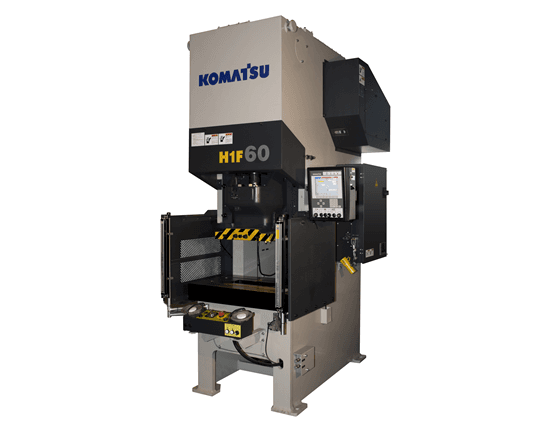
Komatsu H1F Series Servo Press
The Komatsu H1F Series leverages high-resolution servo control to deliver exceptionally accurate forming for progressive punching and stamping presses used on lightweight automotive body components, reducing material springback and tooling wear. Its energy-efficient, programmable motion profiles give it a financial edge over conventional mechanical presses by lowering cycle-to-cycle energy use and enabling multi-variant part runs that cut die inventory and setup time compared with high-speed-only competitors.
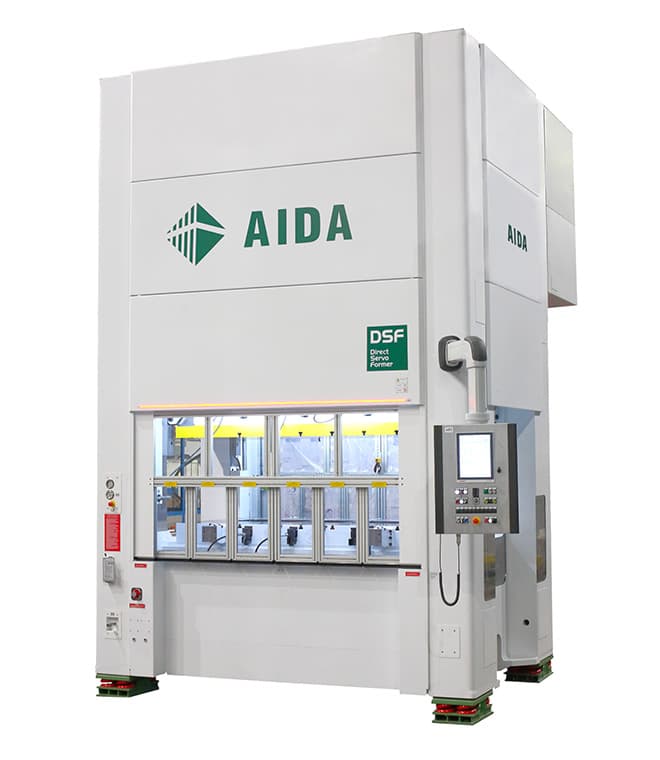
AIDA DSF-N2-A Series Progressive Press
AIDA's DSF-N2-A is a rugged progressive press platform optimized for high-volume stamping of thin-gauge, lightweight automotive panels, offering deep die capacity and proven long-run reliability. While it lacks some of the servo-driven micro-motion flexibility of Komatsu or Schuler models, its lower purchase price and predictable total cost of ownership make it attractive for program-level production where throughput and die longevity dominate unit-cost economics.
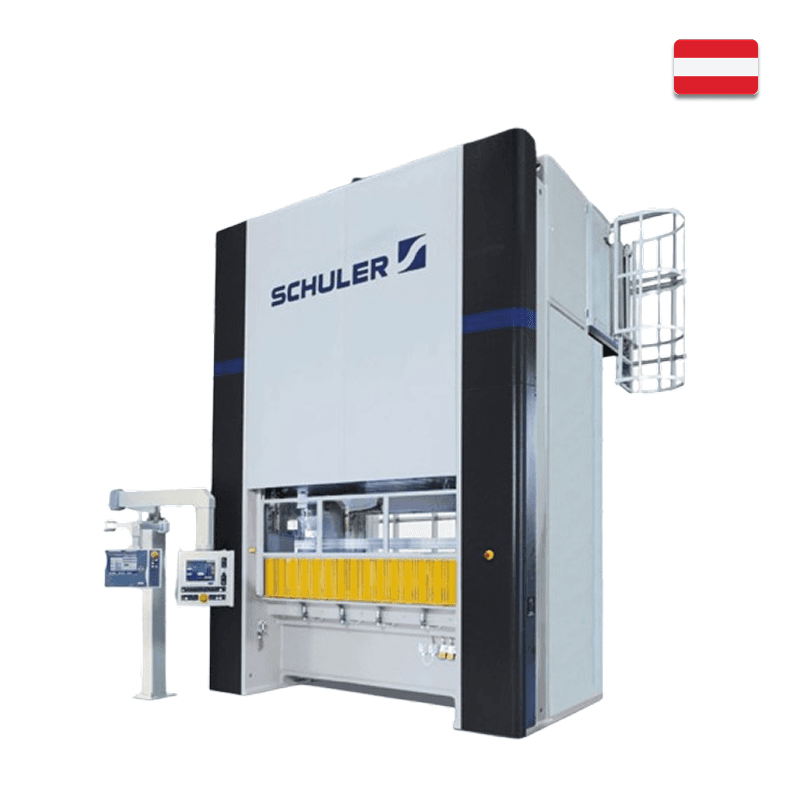
Schuler MC 125 Servo Press
The Schuler MC 125 combines servo-actuated precision with modular automation interfaces, positioning it as a leader for complex progressive punching and stamping of lightweight body parts that require repeatable force and motion control. Compared with purely mechanical high-speed presses, Schuler’s digitalization and force-control capability reduce scrap and rework costs on advanced steels and aluminum alloys, delivering a strong technical and financial ROI in mixed-model production lines.
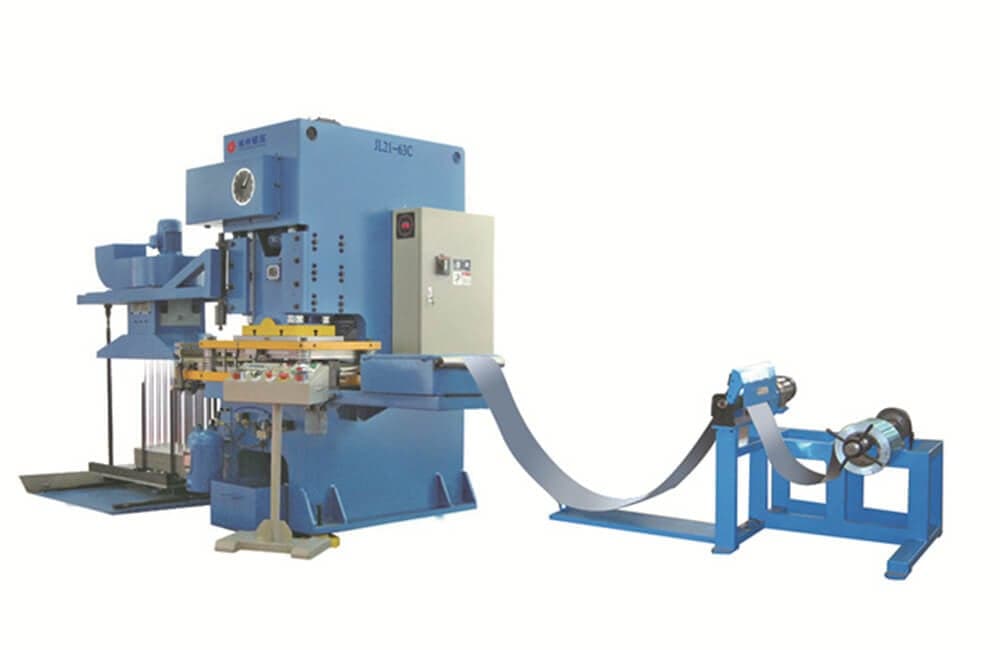
JIER JL21 Series High Speed Press
The JIER JL21 series is a cost-effective, high-speed mechanical press family engineered for very high throughput of lightweight automotive body components where cycle time is the primary driver. It outperforms many servo platforms on raw parts-per-minute metrics and capitalizes on lower initial investment, though it concedes some of the process flexibility and micro-forming finesse available from servo-driven Komatsu and Schuler models.
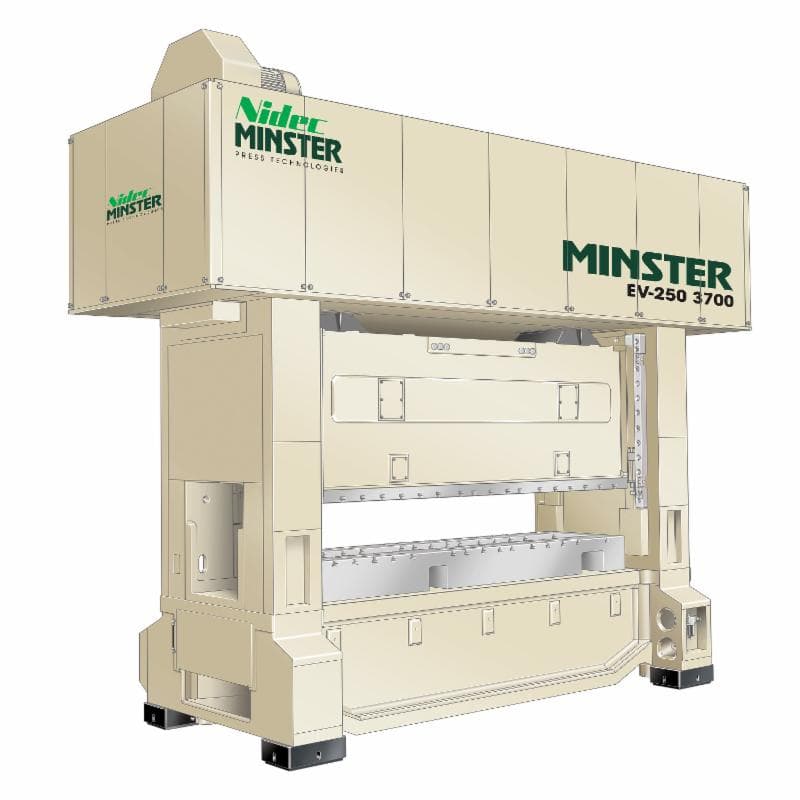
Nidec Minster P2H Series High Speed Press
The Nidec Minster P2H is a globally proven high-speed press offering exceptional durability and tight indexing for progressive stamping of thin automotive body panels, translating into high uptime and predictable maintenance costs. Compared to other high-speed brands, Minster’s extensive service network and component robustness often convert into lower lifecycle expenses and fewer unplanned stoppages, making it a dependable choice when program stability and volume economics matter most.
What Research and Industry Guidance Shows
A combination of peer-reviewed research, industry reports, and applied engineering studies supports the benefits of modern progressive punching and stamping presses for lightweight automotive structures. Key findings emphasize that servo-driven systems, progressive-die design, high-speed transfer presses, and integrated process controls improve part accuracy, reduce scrap and energy consumption, and enable higher throughput without sacrificing dimensional stability. Canadian research institutions and global industry bodies provide practical guidelines for forming thin-gauge steels and aluminum alloys while balancing tooling life and production costs.
Servo-driven press technology improves motion control and energy efficiency, enabling precise forming profiles and reduced idle energy compared with traditional mechanical presses.
Progressive die layouts and integrated blanking reduce material handling and scrap, leading to lower material cost per part and improved cycle time for complex components.
High-speed transfer presses provide the throughput needed for large-volume body-in-white components but require careful lubricants and material management to avoid surface defects on aluminum alloys.
Studies on forming thin-gauge aluminum and AHSS (advanced high strength steels) highlight the need for optimized blankholder forces and die surface treatments to control springback and fracture.
Inline sensors, machine monitoring, and statistical process control are repeatedly shown to reduce defect rates and support predictive maintenance, which is critical in automated Canadian production lines.
Frequently Asked Questions
Which progressive press is best for thin-gauge aluminum?
Komatsu H1F Series Servo Press fits thin-gauge aluminum needs, using high-accuracy servo-driven slide control for repeatable forming on lightweight aluminium and advanced steels, with an average rating of 4.6.
Does the Schuler MC 125 support motion profiles and automation?
Yes—Schuler MC 125 is servo-actuated with programmable speed and dwell profiles, plus modular automation interfaces, and it averages a 4.6 rating for complex progressive punching and stamping.
What value do I get choosing the AIDA DSF-N2-A press?
No price is listed for AIDA DSF-N2-A, but you do get a robust mechanical progressive press architecture for multi-station dies handling thin-gauge steel and aluminium, plus integrated servo feed options, rated 4.5.
Is the AIDA DSF-N2-A better than Komatsu for high volume?
AIDA DSF-N2-A is optimized for high-volume stamping of thin-gauge, lightweight automotive panels, while the Komatsu H1F Series focuses on high-accuracy servo control; ratings are 4.5 (AIDA) vs 4.6 (Komatsu).
Conclusion
In Canada, progressive punching and stamping presses are essential tools for lightweight automotive body production, helping manufacturers meet OEM requirements for thin-gauge steel and aluminum components while improving throughput and sustainability. The five highlighted options on this page each bring strengths: Komatsu H1F Series Servo Press, AIDA DSF-N2-A Series Progressive Press, Schuler MC 125 Servo Press, JIER JL21 Series High Speed Press, and Nidec Minster P2H Series High Speed Press. For most Canadian tier suppliers balancing speed, precision, energy performance, and integration with automation, the Komatsu H1F Series Servo Press stands out as the best overall choice. We hope you found what you were looking for; you can refine or expand your search using the site search to compare specifications, local support networks, and tooling services.