

Top 5 Regenerative Ethernet Variable Frequency Drives in Canada — 2026
Regenerative Ethernet Variable Frequency Drives are advanced motor drives that recover braking energy and feed it back to the DC bus or the grid while offering full Ethernet connectivity for control, diagnostics, and energy monitoring. In Canada these drives are especially appealing for heavy braking duty cycles such as cranes, elevators, hoists and long conveyors because they reduce energy consumption, lower demand charges, reduce heat and wear on mechanical braking systems, and support plantwide energy reporting. Canadian buyers favor regenerative Ethernet VFDs for their measurable energy savings, compliance with local electrical and safety standards, strong national service networks, support for IIoT and remote maintenance, and the ability to integrate with modern automation platforms and energy management systems.
Inception's AI took the time to understand this market in Canada · · How we pickWe may earn a commission on purchases. It never affects our rankings.
Top Picks Summary
ABB ACS880-01 Regenerative Drive
The ABB ACS880-01 is positioned as a best-in-class regenerative Ethernet VFD thanks to its integrated regenerative capability and broad industrial Ethernet support, delivering seamless energy feedback to the supply while minimizing auxiliary hardware. It stands out for reducing total installed cost and downtime through built-in regen functions and advanced drive control, while comparably offering easier commissioning and lower footprint than larger centralized solutions like the SINAMICS S120 at medium power levels.

Siemens SINAMICS S120 Active Line Module
The Siemens SINAMICS S120 Active Line Module is a market-leading choice for high-power regenerative applications and multi-drive systems, offering robust grid compliance and scalable centralized regeneration for large installations. Its technical advantage is superior power handling and modularity for multi-motor topologies, although that scalability often comes with higher upfront CAPEX compared with integrated-drive regen options such as the ABB ACS880 or Danfoss FC 302 brake module.

Estimated$12,000 – $70,000
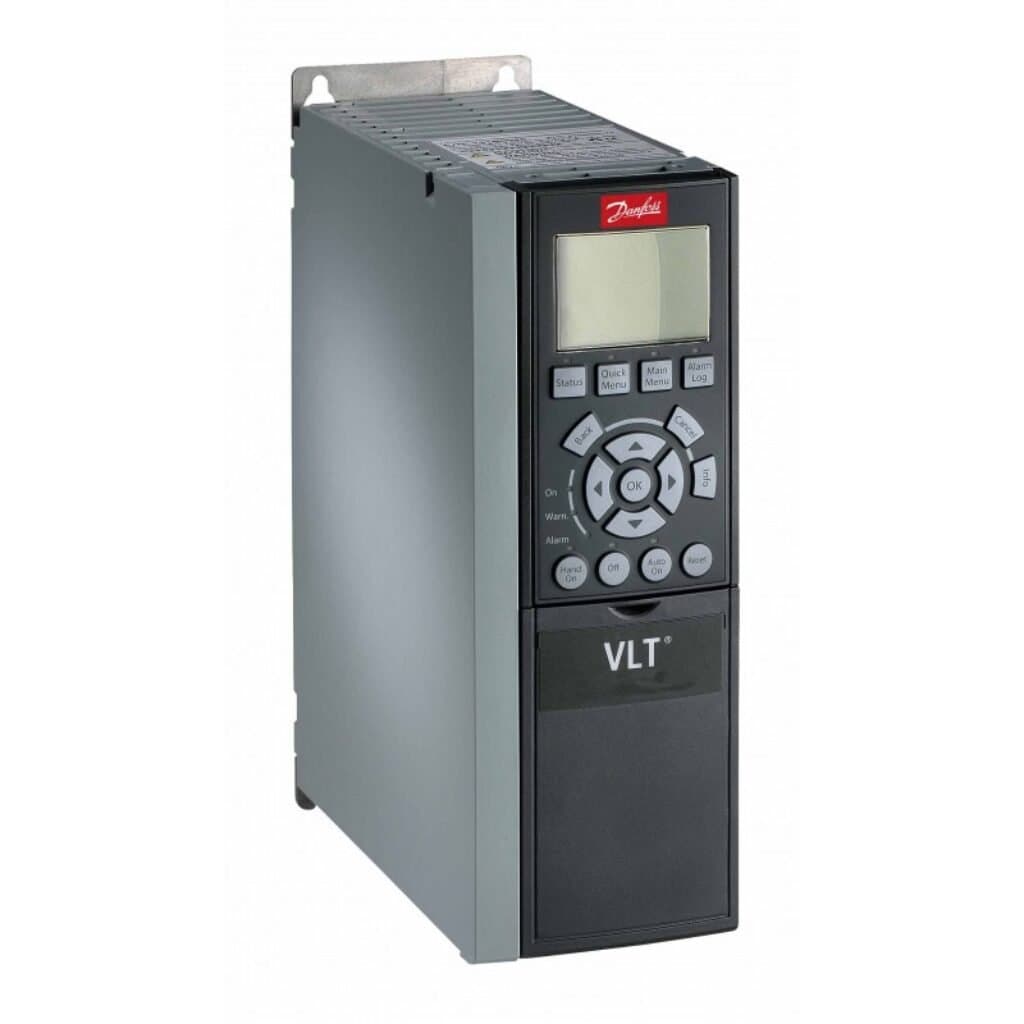
Danfoss VLT AutomationDrive FC 302 with Brake Module
The Danfoss VLT AutomationDrive FC 302 with Brake Module is a cost-effective, retrofit-friendly regenerative solution that combines flexible Ethernet fieldbus options with simple local energy dissipation or recovery. It is technically attractive for mid-range applications where lower capital expenditure and straightforward integration matter most, trading off some centralized regen efficiency and high-power scalability that flagship modules like Siemens S120 provide.
Estimated$2,500 – $22,000
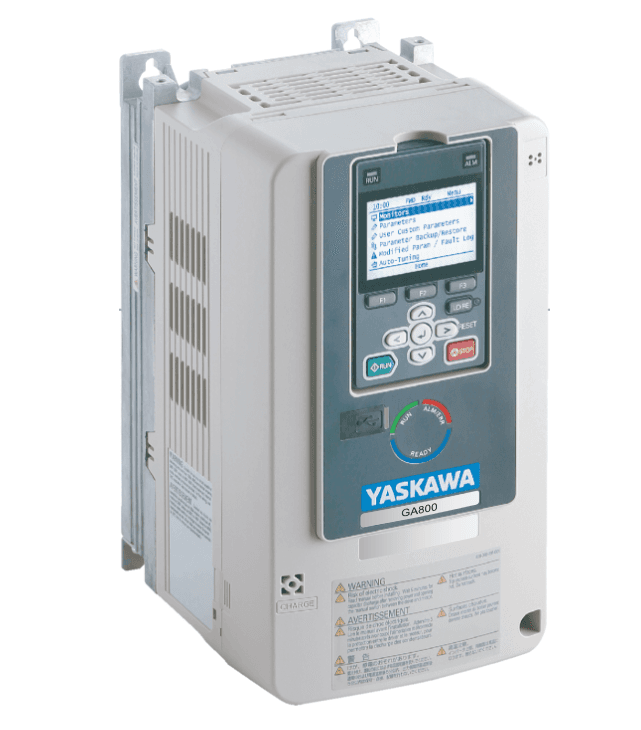
Yaskawa GA800 Regenerative Drive
The Yaskawa GA800 regenerative variant delivers a compact, high-performance option optimized for dynamic torque response and efficient energy recovery, with integrated industrial Ethernet protocols that favor OEM and machine-builder applications. Its financial advantage is a competitive price-to-performance ratio and smaller physical footprint compared with large active-line systems, making it well suited where space and quick integration are priorities versus the heavier-duty SINAMICS approach.
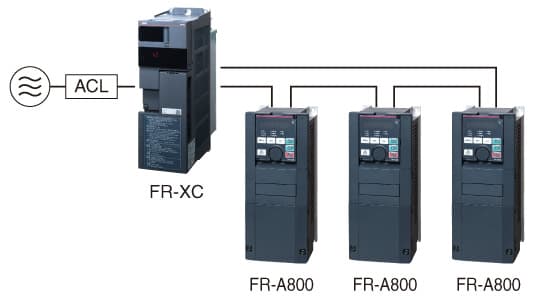
Mitsubishi Electric FR-A800-R2R
The Mitsubishi Electric FR-A800-R2R is tailored for reliable regenerative operation with precise motor control and native Ethernet connectivity, benefiting customers invested in the Mitsubishi automation ecosystem. It offers strong lifecycle reliability and easy integration into plant architectures, often delivering lower operating and maintenance costs for medium-duty regenerative applications while not matching the raw centralized regeneration capacity of the highest-power market leaders like the S120.
Estimated$4,000 – $30,000
What Research and Field Studies Say
Academic papers, industry white papers and field trials show that regenerative drives deliver real energy and operational benefits when applied to high-braking workloads. Research from energy agencies and industry groups highlights both direct energy recovery and secondary advantages: lower peak demand, reduced brake wear, lower cooling requirements, and improved process control enabled by Ethernet connectivity. These benefits translate into shorter payback periods in retrofit and new-build applications where braking cycles are frequent and heavy.
Energy recovery: Field studies and industrial reports indicate regenerative systems can recover a significant share of braking energy, with net energy savings commonly in the range of 20 to 50 percent in high-braking applications depending on duty cycle and system design.
Peak demand reduction: Regenerative drives can reduce peak power drawn from the utility by returning energy to the DC bus or grid, leading to lower demand charges on utility bills in many Canadian commercial and industrial rate structures.
Lifecycle and maintenance benefits: Recovering braking energy reduces wear on mechanical brakes and brake resistors, lowering maintenance costs and downtime in long-term trials.
IIoT and energy monitoring: Ethernet-enabled drives allow continuous energy monitoring, data logging and remote diagnostics; industry studies show predictive maintenance and energy analytics can further improve uptime and reduce operating costs.
Economics and incentives: Canadian programs and utility incentives for energy efficiency, along with carbon pricing, improve the financial case for regenerative drives; published case studies often report payback periods of 1 to 4 years in appropriate applications.
Frequently Asked Questions
Which regenerative Ethernet VFD should I choose for hoists?
Choose the ABB ACS880-01 Regenerative Drive for heavy industrial braking duties because it has an integrated regenerative design with industrial Ethernet protocol options (Profinet, EtherNet/IP, Modbus TCP) and a 4.7 rating.
What exact regeneration feature does the Siemens S120 have?
The Siemens SINAMICS S120 Active Line Module is an active front-end module engineered for high-power regeneration that returns energy to the supply/DC link, and it has a 4.6 average rating.
How does price value compare for Danfoss FC 302?
The Danfoss VLT AutomationDrive FC 302 with Brake Module is positioned as a cost-effective, retrofit-friendly regenerative solution with optional plug-in Ethernet/fieldbus options, but no exact price is provided in the data; rating is 4.4.
Does the Danfoss FC 302 support EtherNet/IP and Modbus TCP?
Yes—the Danfoss VLT AutomationDrive FC 302 with Brake Module supports plug-in Ethernet/fieldbus options including EtherNet/IP and Modbus TCP, with a 4.4 average rating.
Conclusion
In the Canadian context, regenerative Ethernet VFDs combine proven energy-recovery performance with modern connectivity for monitoring and automation. The top choices highlighted here balance energy efficiency, Ethernet integration, serviceability and safety: ABB ACS880-01 Regenerative Drive, Siemens SINAMICS S120 Active Line Module, Danfoss VLT AutomationDrive FC 302 with Brake Module, Yaskawa GA800 Regenerative Drive, and Mitsubishi Electric FR-A800-R2R. For most industrial applications that require a broad combination of regenerative performance, global support and flexible Ethernet integration, the ABB ACS880-01 Regenerative Drive stands out as the recommended best choice on this list. I hope you found what you were looking for — use the search to refine by application, power rating, or to expand the results for more models and local Canadian suppliers.