

Top 5 Modular Low Voltage AC Drive Systems in Canada for 2026
Modular low voltage AC drive systems are rackable, scalable variable frequency drives (VFDs) designed for large industrial installations that need phased growth, high uptime and simplified maintenance. These architectures use hot-swap power or control modules, a common DC bus and plug-and-play expansion bays to scale power and add redundancy without long shutdowns or full system replacement. In Canada, buyers favor modular drives for their ability to reduce total cost of ownership through energy savings, lower maintenance time and improved uptime, and because modular designs align with priorities in mining, pulp and paper, water treatment, oil and gas, and advanced manufacturing. Other drivers in the Canadian market include decarbonization and electrification initiatives, rising energy costs, regulatory and utility incentives for efficient motor systems, and the need for local service networks and compliance with CSA and IEC standards. For operations that require phased investment, high availability and easy field servicing, modular low voltage drives deliver a flexible, upgradeable platform that supports Industry 4.0 connectivity and predictive maintenance strategies.
Inception's AI took the time to understand this market in Canada · · How we pickWe may earn a commission on purchases. It never affects our rankings.
Top Picks Summary
ABB ACS880 Modular Drive
The ABB ACS880 Modular Drive stands out for its high-power modularity and industrial robustness, making it a best-in-class choice for scalable low-voltage VFD systems where uptime and high available horsepower matter. It distinguishes itself from the other solutions here through deep ABB Ability digital integration and lifecycle services that can reduce total cost of ownership for large installations, while offering broader high-horsepower module options compared with more compact mid-range competitors.

Siemens SINAMICS G120 Modular
The Siemens SINAMICS G120 Modular is a market-leading platform known for compact, flexible modular architectures and extensive communication and safety options suited to distributed drive topologies in low-voltage applications. Compared with ABB's higher-power focus it is often more cost-effective and space-efficient for mid-range scalable systems, and its strong digital commissioning and control toolset gives technical advantages in shorter startup times and easier integration into Siemens automation environments.

Estimated$5,000 – $25,000
Danfoss VLT AutomationDrive FC 302
The Danfoss VLT AutomationDrive FC 302 prioritizes application-specific adaptability, energy-efficient motor control and low harmonic performance, making it a practical choice for process and OEM customers building modular low-voltage drive systems. Financially it can be more attractive for entry-to-mid-range scalable installations due to competitive upfront costs and straightforward plug-in expansion options, while offering reliable built-in motor protection and cooling that reduce operational and maintenance expenses versus some higher-complexity offerings.

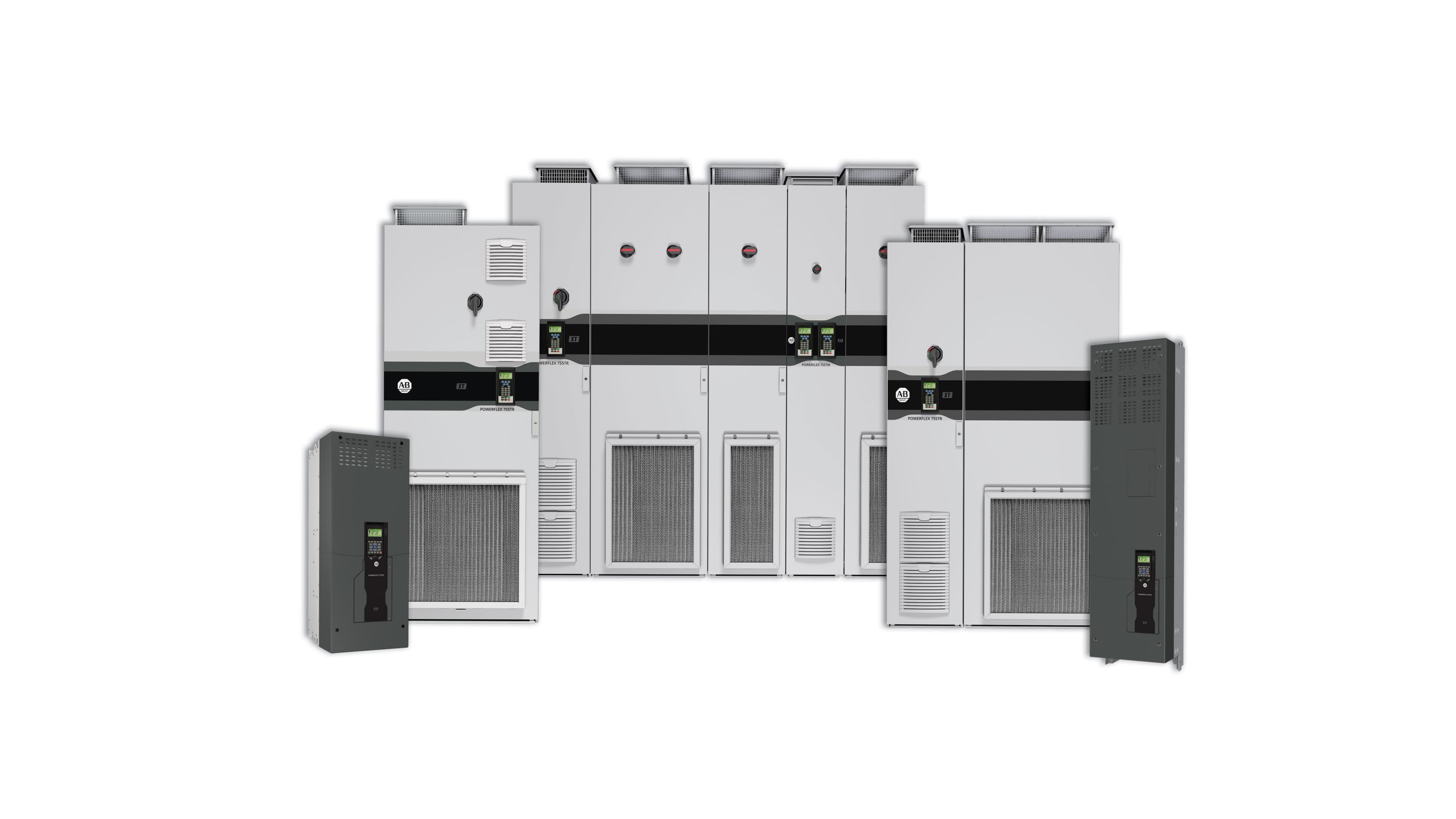
Rockwell Automation PowerFlex 755T
The Rockwell Automation PowerFlex 755T is engineered for high-performance torque control and tight integration with Allen‑Bradley control systems, which makes it the preferred modular VFD when minimizing engineering and commissioning time in Rockwell-centric plants. Its real financial and technical advantage over peers is the reduced system integration cost and faster time-to-production in environments already standardized on Rockwell software and I/O, while still delivering scalable low-voltage power modules for industrial variable frequency needs.
Estimated$8,000 – $40,000
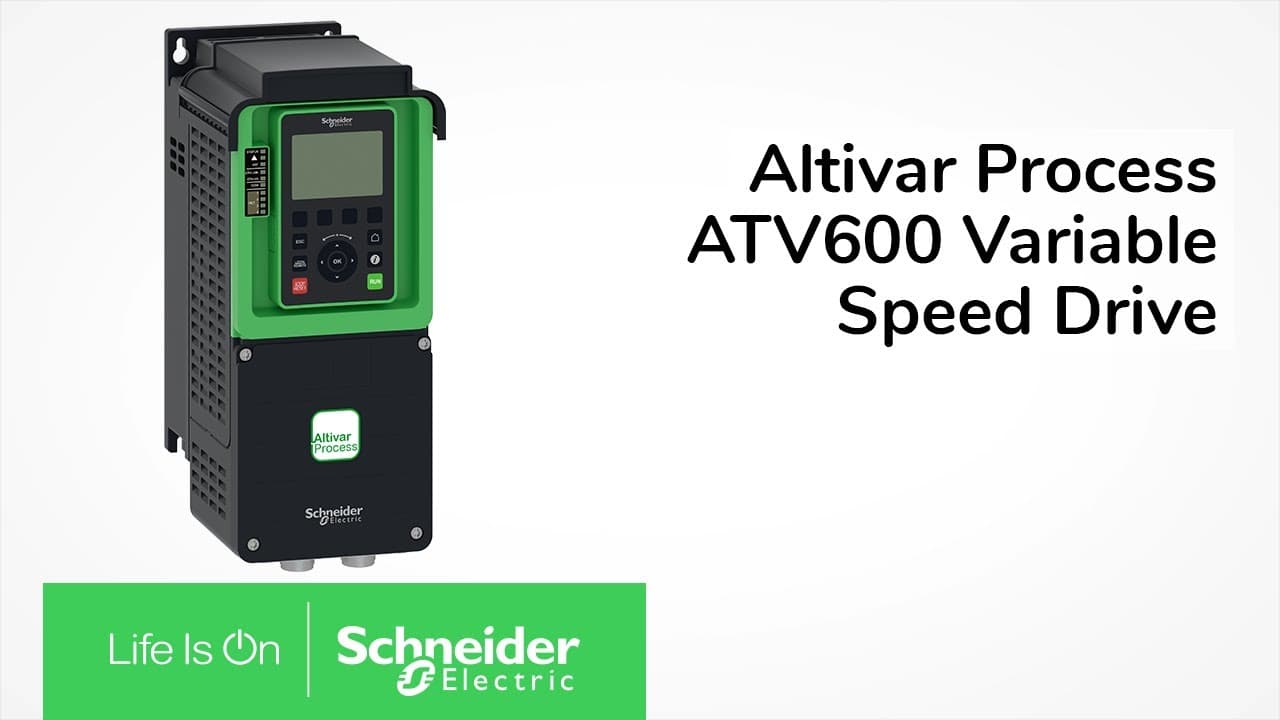
Schneider Electric Altivar Process ATV600
The Schneider Electric Altivar Process ATV600 is optimized for process industry scalability, with built-in process functions, high availability features and EcoStruxure connectivity that improve operational visibility and energy management across modular low-voltage drive systems. Compared with the other drives listed, it offers a compelling long-term operational-cost profile for continuous-process plants by combining process-centric control functionality and advanced digital services that reduce downtime and lifecycle costs.
Estimated$6,000 – $28,000
What research and industry experience say about modular VFD benefits
A combination of government guidance, independent engineering studies and field reports supports the core benefits of modular low voltage drive systems. Research and utility guidance emphasize energy savings when variable torque loads are controlled by VFDs, while industry case studies and vendor reliability data highlight uptime and lifecycle savings from modular architectures, redundancy and hot-swap serviceability. The following points summarize those findings in plain language and explain why they matter for a Canadian industrial buyer.
Energy efficiency: Guidance from Natural Resources Canada and multiple engineering studies indicate that using VFDs on variable torque applications such as pumps and fans can reduce energy use by roughly 20% to 50% depending on duty cycle and system design. Energy savings are a major source of payback for modular drive installations.
Lower lifecycle cost: When energy savings, reduced maintenance labor and minimized production losses are included, lifecycle cost models frequently show modular, scalable systems have lower total cost of ownership than oversized fixed drives.
Higher availability: Field reports and white papers illustrate that redundant module designs with a common DC bus and hot-swap capability reduce mean time to repair and planned downtime windows, enabling continuous operation in 24/7 facilities.
Faster maintenance and upgrades: Modular racks and plug-in modules simplify on-site repairs and phased expansion. Technicians can replace faulty power or control modules quickly without full plant shutdown, reducing service time and spare parts inventory.
Power quality and harmonics control: Modern modular drives often include active front-end options or integrated filters that meet utility connection requirements and reduce harmonic distortion, protecting other plant equipment and avoiding utility penalties.
Compatibility with predictive maintenance and IIoT: Embedded monitoring, digital twins and condition data from modular drive modules support predictive maintenance programs, allowing scheduled interventions and reducing unplanned outages.
Scalability for phased growth: A common DC bus and rack architecture lets operations add capacity incrementally, matching capital spend to growth schedules and reducing initial capital outlay.
Frequently Asked Questions
Which modular low-voltage VFD should I buy for uptime?
Choose the ABB ACS880 Modular Drive if you need scalable low-voltage VFD capacity with true modular architecture and hot‑swappable power/control modules; it’s rated 4.6 and uses snap-in modules for easier serviceability.
What modular capability does the ABB ACS880 support?
The ABB ACS880 Modular Drive supports true modular architecture with hot‑swappable power and control modules, letting you scale capacity and serviceability; it’s rated 4.6 and includes integrated safety functions STO/SBC.
How does the Danfoss VLT AutomationDrive FC 302 price compare?
Price isn’t provided for the Danfoss VLT AutomationDrive FC 302, but it is rated 4.5 and emphasizes a compact modular design, DC-link sharing, and standard industrial communications like Modbus and EtherNet/IP.
Is the Siemens SINAMICS G120 Modular built for safety?
Yes—the Siemens SINAMICS G120 Modular includes built‑in safety options (STO) and supports PROFINET, EtherNet/IP, and Modbus; it’s rated 4.5 and integrates with TIA Portal and SINAMICS Startdrive.
Conclusion
Modular low voltage AC drive systems provide an adaptable, service-friendly path to scalable power and high uptime for Canadian industrial sites. This category is especially useful for organizations planning phased expansion, seeking redundancy and aiming to reduce energy and maintenance costs. We hope this overview helped you understand the benefits and practical value of modular drives in Canada. If you want to refine or expand your search—for example by industry, required kW range, or local support network—use the search to narrow results or view the top 5 options for 2026.