

Top 8 Industrial Biodegradable Lubricants in Canada for 2026
Industrial biodegradable lubricants are formulated from readily biodegradable base stocks to reduce environmental impact in sensitive and spill-prone applications. In Canada the category is growing rapidly as vegetable ester and synthetic ester technologies advance to deliver a practical balance between biodegradability, lubricity, and oxidative and hydrolytic stability. Adoption is driven by stricter environmental expectations, provincial and federal spill-response planning, and rising demand from sectors such as forestry, marine, agriculture, municipal fleets, and construction where accidental releases are likely. Canadian buyers favor products that combine proven performance with documented biodegradability and low aquatic toxicity, clear standards or test data, compatibility with existing systems, and solid supplier support. Cost and drain intervals remain important, so many purchasers look for lubricants that deliver long service life and reliability while meeting biodegradability and regulatory goals.
Inception's AI took the time to understand this market in Canada · · How we pickWe may earn a commission on purchases. It never affects our rankings.
Top Picks Summary
Mobil EAL Hydraulic Oil 46 is a market-leading environmentally acceptable lubricant formulated for excellent biodegradability and oxidative stability, giving it a financial edge by lowering environmental risk and disposal costs in sensitive sites. Compared to Petro-Canada and other entries, it is positioned as a premium option with broad approvals and strong cold-start performance, typically commanding a higher upfront price but offering longer service life and reduced lifecycle maintenance.
Show More Industrial Biodegradable Bearing Oils
Renewable Lubricants Bio-Circle 46
Renewable Lubricants Bio-Circle 46 is marketed on a 100% renewable base-oil platform, delivering very high biodegradability and lower cradle-to-gate carbon intensity that appeals to customers prioritizing sustainability and regulatory compliance. Its financial advantage is often in brand differentiation and potential incentives for green procurement, although it can trade off shorter oxidative longevity versus synthetic esters used by some other leaders on this list.
Show More Industrial Biodegradable Circulating Oils
Estimated$150 – $280
Petro-Canada Lubricants Bio-Terra Chain Oil
Petro-Canada Bio-Terra Chain Oil offers a strong balance of biodegradability, hydrolytic stability and wide North American availability, positioning it as a value-oriented choice for heavy-duty industrial and marine chain systems. It typically provides better environmental credentials and supply-chain support than smaller brands while undercutting some premium synthetics on price, making it a practical middle ground for buyers seeking performance without premium pricing.
Show More Industrial Biodegradable Chain Lubricants
Estimated$150 – $280
Petro-Canada Environ MV 32 offers a balanced approach for Industrial Biodegradable Turbine Oils by combining good biodegradability with solid viscosity control and thermal stability, positioning it as a cost-competitive mid-range option. It compares favorably to both premium synthetics and purely bio-based oils by delivering reliable performance across temperature ranges and attractive upfront pricing, making it a pragmatic choice where operators want environmental benefits without premium lifecycle costs.
Show More Industrial Biodegradable Turbine Oils
Estimated$260 – $380
Klüber Summit HySyn FG-68
A high-performance synthetic food-grade lubricant designed for temperature stability and extended service life, giving it a technical edge in continuous-process and high-heat environments. Compared with the other products here, it emphasizes longer drain intervals and oxidative stability, which can translate to lower life-cycle costs despite typically higher unit prices than simpler mineral-based greases.
Show More Industrial Biodegradable Food Grade Lubricants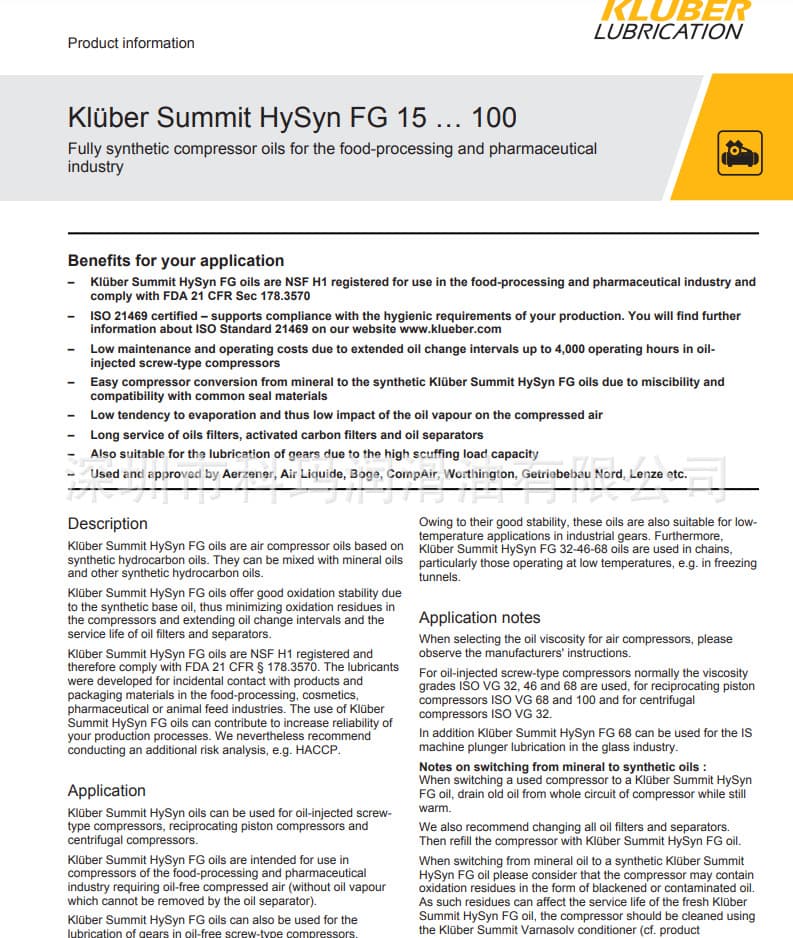
We may earn a commission on purchases. It never affects our rankings.
Estimated$120 – $220
Panolin BIOFLUID GS 100 is a specialist natural-ester biodegradable marine lubricant prized for exceptional lubricity, film strength and top-tier biodegradability certifications—making it best-in-class for environmentally sensitive marine applications. Although its upfront cost is higher than many synthetic HVO or hydrotreated products, the technical benefits (improved wear protection and reduced environmental liability) can lower total cost of ownership in protected waters compared with lower-performing alternatives. Against broad-market options like Shell and Mobil, Panolin stands out for maximum biodegradation performance and niche approvals, suited to operators with strict environmental compliance demands.
Show More Industrial Biodegradable Marine Lubricants
We may earn a commission on purchases. It never affects our rankings.
Estimated$350 – $650
Envirotemp FR3 is positioned as the market leader for industrial biodegradable electrical insulating oils thanks to a long field track record and broad OEM and utility acceptance; its natural-ester formulation delivers proven fire-safety, high dielectric strength and strong biodegradability that reduce overall operational and insurance costs. Compared with specialty esters and bio-based hydrocarbon substitutes on this list, FR3’s mature supply chain and retrofit experience make it the go-to option where predictable long-term performance and minimized conversion risk matter most.
Show More Industrial Biodegradable Electrical Insulating Oils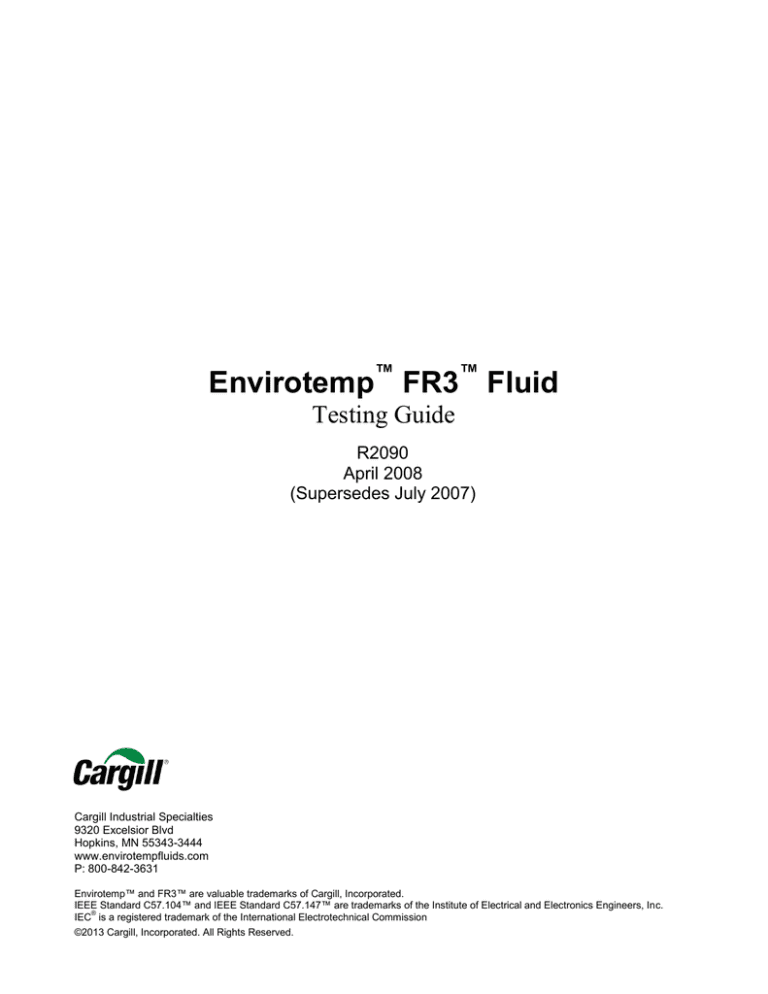
Estimated$350 – $450
Petro-Canada Environ MV 68 is formulated for biodegradability and low aquatic toxicity with a focus on broad North American availability and competitive pricing for industrial customers. It competes favorably on regulatory compliance and seasonal performance versus European ester-based oils, and benefits from Petro-Canada/Suncor's regional supply chain and technical support which can reduce logistical and procurement friction for buyers in Canada and the U.S.
Show More Industrial Biodegradable Slideway Oils
Estimated$170 – $300
What the Research Shows About Biodegradable Lubricants
Scientific studies and regulatory test programs have examined biodegradability, aquatic toxicity, and functional performance of ester-based lubricants. The evidence supports the use of vegetable and synthetic esters in applications where reducing environmental persistence is a priority, while also highlighting practical tradeoffs such as hydrolytic sensitivity for certain vegetable esters and the need for appropriate additive systems to extend service life.
Biodegradability tests used by regulators and laboratories, such as OECD ready biodegradability protocols, show many ester-based fluids degrade far more rapidly than mineral oils, lowering environmental persistence after a release.
Aquatic toxicity studies generally report lower chronic toxicity and reduced bioaccumulation potential for many modern biodegradable base stocks compared with conventional petroleum oils, which supports safer outcomes in spills to waterways.
Laboratory and field research indicates ester chemistries often provide superior lubricity and film strength, which can reduce wear and energy loss, but formulations must address oxidative and hydrolytic stability to match mineral-oil service intervals.
Real-world performance depends on formulation, additives, and maintenance practice. Studies recommend compatibility checks, monitoring of oil condition, and following manufacturers' service interval guidance for optimal results.
Frequently Asked Questions
Which biodegradable industrial lubricant should I buy for hydraulic systems?
Choose Petro-Canada Environ AW 46 for industrial hydraulics and bearings: it’s an anti-wear biodegradable hydraulic and bearing oil (ISO VG 46) with a 4.6 average rating.
What exact capability does Petro-Canada Environ AW 46 provide?
Petro-Canada Environ AW 46 is an ISO VG 46 biodegradable anti-wear hydraulic and bearing oil designed for good oxidative stability and long drain intervals.
How does Petro-Canada Lubricants Bio-Terra Chain Oil compare on price value?
The provided product data doesn’t list prices, so I can’t compare Canada value using Petro-Canada Lubricants Bio-Terra Chain Oil pricing; it is rated 4.4.
Is Petro-Canada Bio-Terra Chain Oil suitable for heavy-duty chain applications?
Yes—Petro-Canada Lubricants Bio-Terra Chain Oil is ester-based biodegradable and designed for heavy-duty chain applications, offering reliable corrosion protection and strong tack for cling-on performance.
Conclusion
Biodegradable industrial lubricants are now a practical, high-value choice in Canada for operations that must balance performance with environmental responsibility. We hope this guide helped you understand the category and the factors to consider for 2026. If you did not find exactly what you need, refine or expand your search using the site search to compare specifications, certifications, and supplier support.