Best 5 Disposable Particulate Respirators in Canada for 2026
Published on Saturday, January 24, 2026
Single-use particulate respirators are disposable masks designed to filter dusts, mists, and biological particles. This category includes N95 and P100 models and is widely used across construction, industrial maintenance, healthcare, and outbreak response. In Canada these respirators are valued for their combination of certified filtration performance, affordability, and convenience. Buyers prioritize recognized certification, reliable fit and seal, breathability for long shifts, and clear guidance on proper use. Recent product improvements focus on better facial contouring, lower breathing resistance, and hypoallergenic materials, making single-use respirators more appealing to both professionals and general consumers who need trusted protection with minimal maintenance.
Top Picks Summary
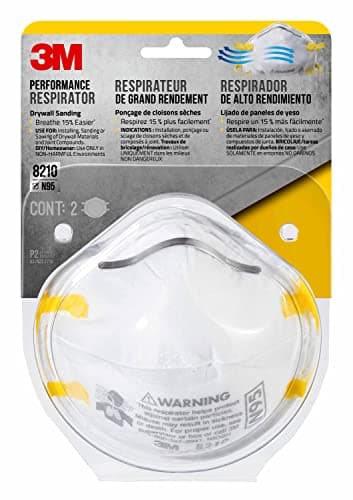
The 3M 8210 is a long-standing market leader among cup-shaped N95 respirators because of its rigid, molded cup design that reliably maintains breathing space and a proven filtration performance. It is often chosen for broad institutional purchasing due to widespread availability and predictable fit; compared with valve models like the 3M 8511 it provides better source control, and versus flatfold options such as the Honeywell DC300 it trades packability for durable shape and consistent seal.
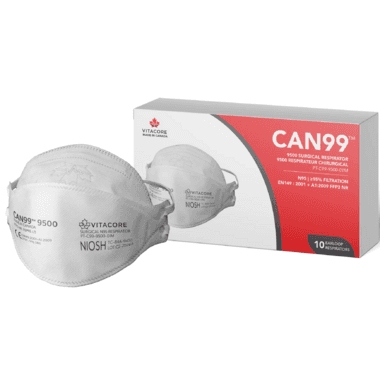
Vitacore CAN99 Respirator
The Vitacore CAN99 is marketed as a higher-efficiency CAN99/N99 respirator that provides approximately 99% particulate filtration, making it the top choice on this list when maximum filtration is required. Its technical advantage is superior particle capture compared with the N95 models here, though that comes with higher cost and potentially greater breathing resistance, so it complements the N95 options for high-risk or specialty use cases.
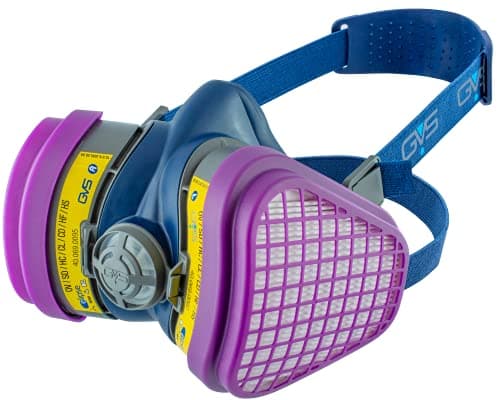
The GVS Elipse P100 half-mask with valve is the technical premium on this list, delivering P100-class filtration (≈99.97% efficiency) in a compact, low-profile reusable format that outperforms all listed N95/N99 disposables on particle capture. Its lightweight, ergonomic half-mask body and replaceable P100 filters make it cost-effective over time despite a higher upfront price, and its valve lowers exhalation resistance much like disposable valved models while enabling much higher filtration efficiency. Compared with disposable valved respirators such as the 3M 8511 and Moldex 2400, the Elipse trades increased initial investment for superior protection and fewer recurring filter purchases.
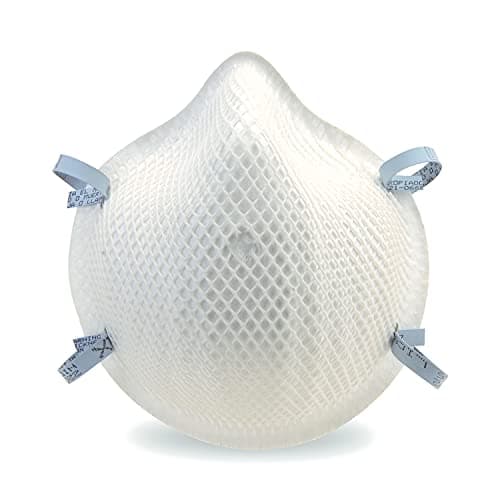
The Moldex 2400 stands out for ergonomic fit and breathable comfort—its contoured shape and soft materials make it a go-to for painters and sanders who need extended wear without the valve used on the 3M 8511. While typically priced slightly above entry-level disposables like the 3M 8210, its fit and durability often reduce the need for frequent readjustment and improve seal integrity, offering a practical comfort and performance upgrade for dusty task work.
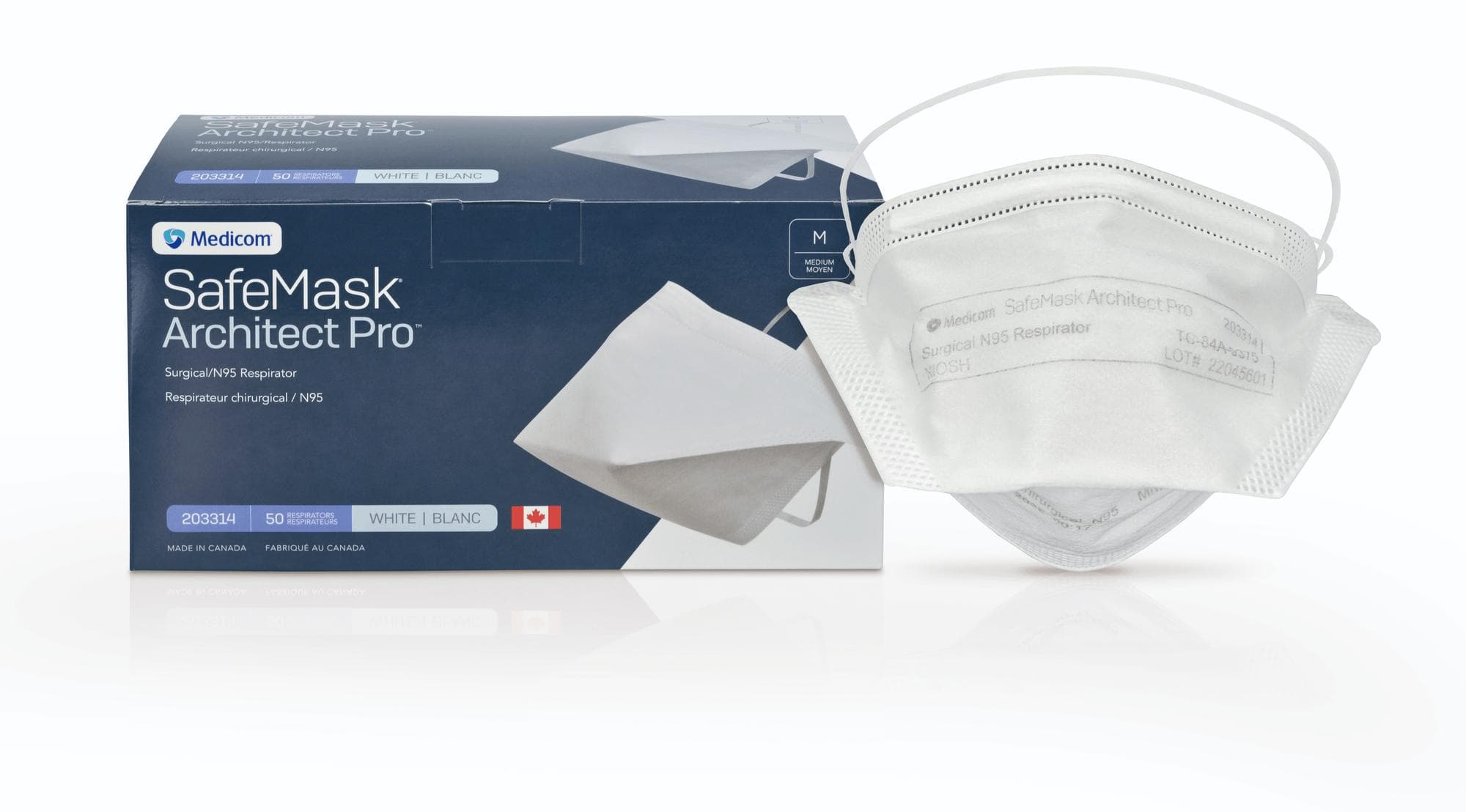
Medicom SafeMask N95 Respirator
Medicom SafeMask is a medical-grade N95 respirator favored for its softer inner materials and focus on wearer comfort, positioned as a value-oriented clinical option for North American buyers. Compared to 3M and Honeywell, Medicom often undercuts on price while providing comparable healthcare-focused features, making it a pragmatic choice for facilities prioritizing comfort and regional distribution over premium brand cachet.
What the research says about disposable particulate respirators
Scientific research and standards bodies show that certified particulate respirators provide predictable levels of particle filtration and, when fitted correctly, reduce wearer exposure to airborne particles. Experts recommend using certified models and following fit testing and user seal-check procedures to ensure protection. Studies have also tracked advances in filter media and design that improve breathability and wearer comfort without sacrificing filtration efficiency.
Filtration efficiency: N95 respirators are tested to filter at least 95 percent of airborne particles at the most penetrating particle size; P100 filters offer approximately 99.97 percent efficiency for similar particle sizes.
Certification and guidance: NIOSH certification and compliance with Canadian occupational guidance and CSA selection standards remain primary markers of product reliability in Canada. Health Canada and the Public Health Agency of Canada provide guidance for use during health events.
Fit matters: Peer-reviewed studies show that a proper face seal and fit testing significantly reduce particle leakage and increase real-world effectiveness compared with improperly fitted respirators.
Breathability and comfort: Research on electret filter media and improved shell design shows measurable reductions in breathing resistance, which increases user tolerance and compliance during extended wear.
Source control considerations: Respirators with exhalation valves can improve comfort but are not recommended when source control is required, such as during infectious disease outbreaks, because they allow unfiltered exhaled air to escape.
Frequently Asked Questions
Which disposable respirator should I buy for construction dust?
For construction dust, the 3M 8210 N95 Particulate Respirator is a reliable pick with a NIOSH N95 certified molded cup design for a consistent face seal, plus 4.6 average rating and $25.99 CADlisting price.
What filtration efficiency does the Vitacore CAN99 provide?
The Vitacore CAN99 Respirator is marketed as approximately 99% particulate filtration (CAN99/N99-level), with a molded cup form and foam nose seal, rated 4.2 on average.
Is the GVS Elipse P100 worth paying $78.82?
The GVS Elipse P100 Half Mask Respirator with Valve costs $78.82 CADand is P100-rated for up to 99.97% filtration of airborne particulates, with an average rating of 4.8.
Does the 3M 8210 have an adjustable noseclip?
Yes—the 3M 8210 N95 Particulate Respirator includes adjustable noseclip and two elastic headbands for secure fit, and it’s listed at $25.99 CADwith a 4.6 average rating; warranty duration isn’t provided.
Conclusion
In Canada, disposable particulate respirators remain a practical choice for workers and individuals who need certified, single-use protection against dust, mists, and biological particles. We hope this overview and the top 7 recommendations help you find the right respirator for your needs. If you want to narrow results by fit, certification, or use case, or expand to reusable options, use the site search to refine your options.