

Top 5 Atomic Absorption Spectrometers in Canada for 2026
Atomic Absorption Spectrometers (AAS) are proven tools for reliable single-element quantitation of metals at low to mid detection limits, and in Canada they remain a cost-effective choice for laboratories focused on routine quality control. This category covers both flame AAS and graphite furnace AAS instruments, optimized for routine QC testing in environmental monitoring, mining, food safety, pharmaceuticals, and municipal water analysis. Canadian buyers tend to prioritize instruments that combine consistent analytical performance, low cost of ownership, local service and parts availability, regulatory method support, and straightforward operation for trained technicians. For labs analyzing specific contaminants or performing targeted monitoring of production processes, AAS delivers fast throughput, simple maintenance, and well-established methods that align with provincial and federal testing requirements.
Inception's AI took the time to understand this market in Canada · · How we pickWe may earn a commission on purchases. It never affects our rankings.
Top Picks Summary
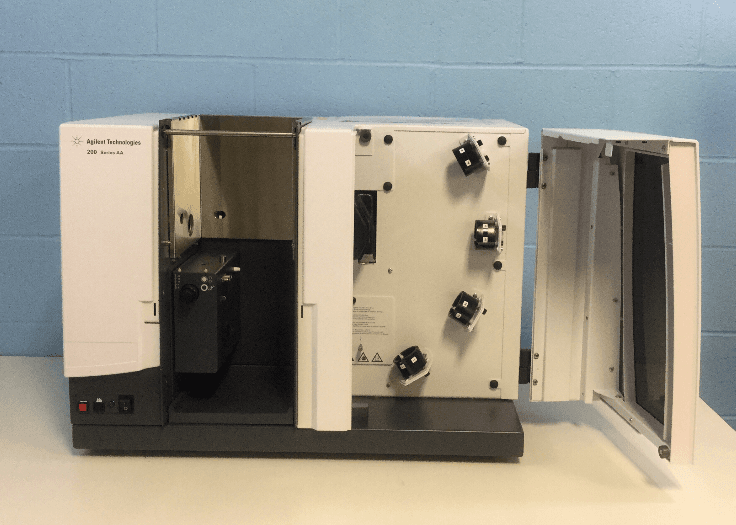
Agilent 240FS AA
The Agilent 240FS AA is positioned as a fast-sequential atomic absorption spectrometer optimized for high-throughput labs, offering rapid wavelength switching and reliable flame and furnace performance that helps minimize per-sample time and operating cost compared with slower single-beam systems. Its technical advantage is throughput and ease of integration into busy workflows, making it a cost-effective alternative to higher-sensitivity, specialized instruments on this list when sample volume and speed are the primary concerns.
Estimated$45,000 – $75,000
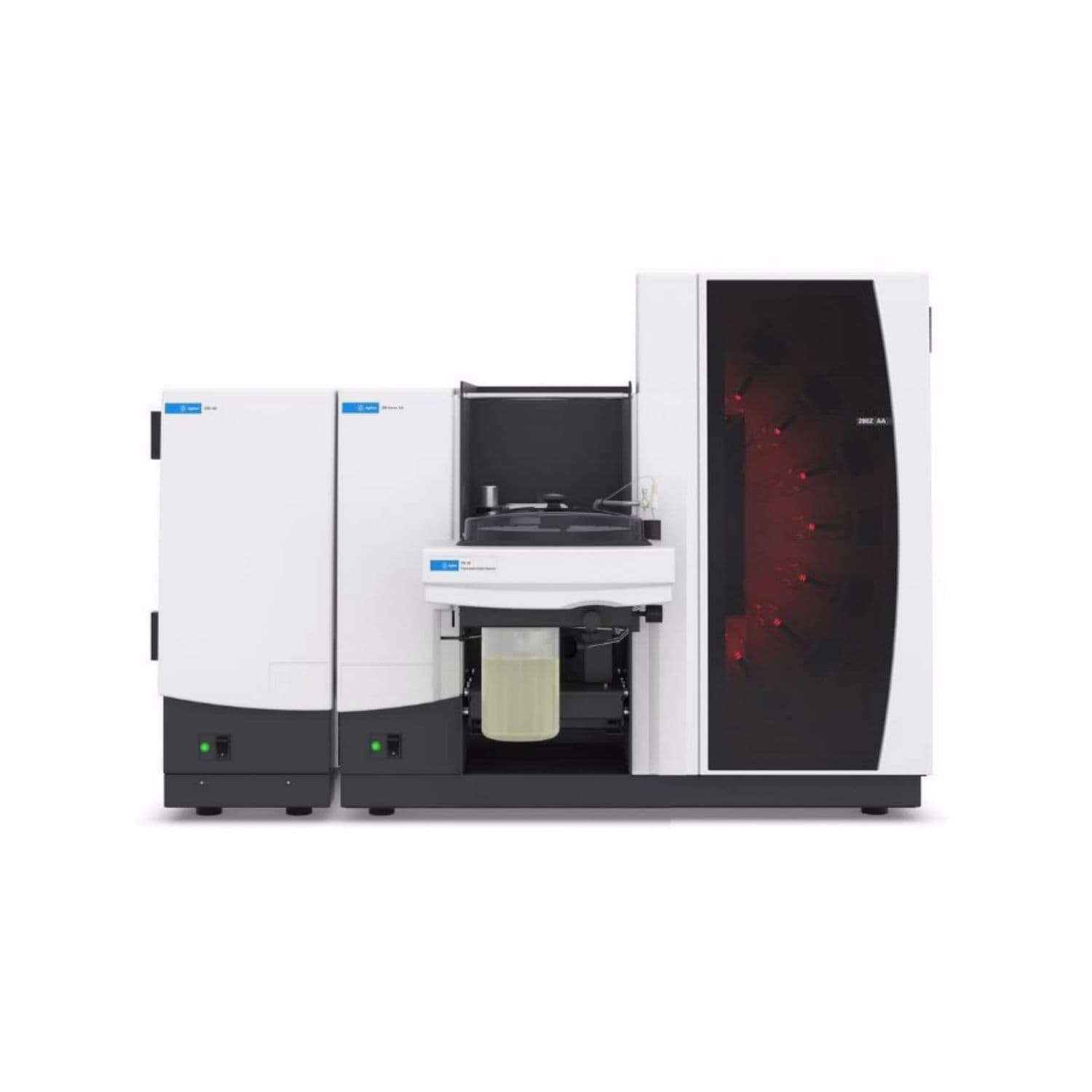
Agilent 280Z AA
The Agilent 280Z AA stands out as a graphite-furnace specialist with integrated Zeeman background correction, delivering exceptional sensitivity and robust matrix-handling for trace analysis that outperforms simpler flame-only units on difficult samples. Financially and technically, it represents a good middle ground for labs that require low detection limits without investing in more exotic source technologies, offering precision and stability compared with the broader-throughput 240FS and the multi-element approaches from other vendors.
Estimated$95,000 – $160,000
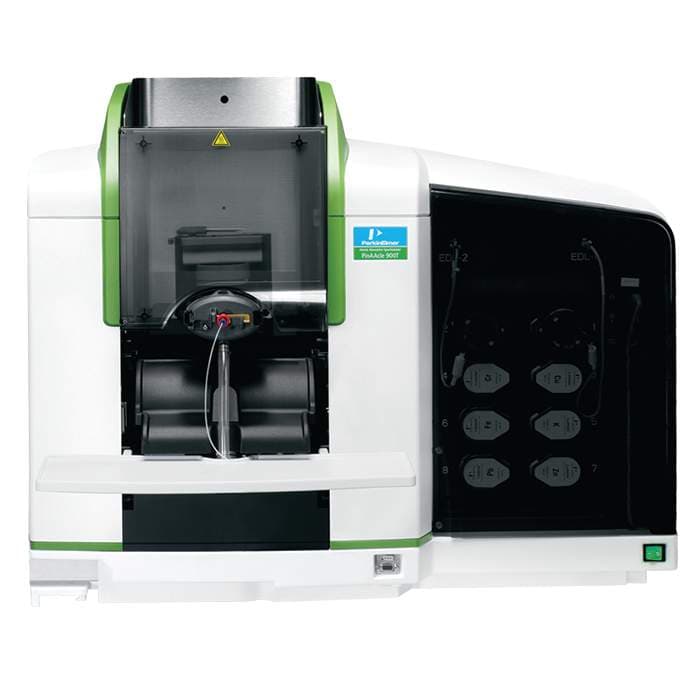
PerkinElmer PinAAcle 900T
The PerkinElmer PinAAcle 900T is a high-performance AA system that combines flexible flame and transverse-heated graphite furnace options with strong automation and sample throughput capabilities, giving it an edge for labs needing both sensitivity and workflow efficiency. It is technically notable for its advanced furnace designs and automation that lower per-sample labor costs, positioning it as a premium yet practical choice relative to the Agilent and Shimadzu models when deeper trace analysis and automation are priorities.
Estimated$80,000 – $140,000
Analytik Jena contrAA 800
The Analytik Jena contrAA 800 uses high-resolution continuum-source AAS technology, enabling true multi-element capability, superior spectral interference correction and flexible analytical modes that conventional line-source AAS units cannot match. Although typically pricier up front, its technical advantage in handling complex matrices and reducing method development time can deliver lower total cost of ownership for demanding applications compared with traditional single-element flame or furnace instruments on this list.

Estimated$120,000 – $220,000
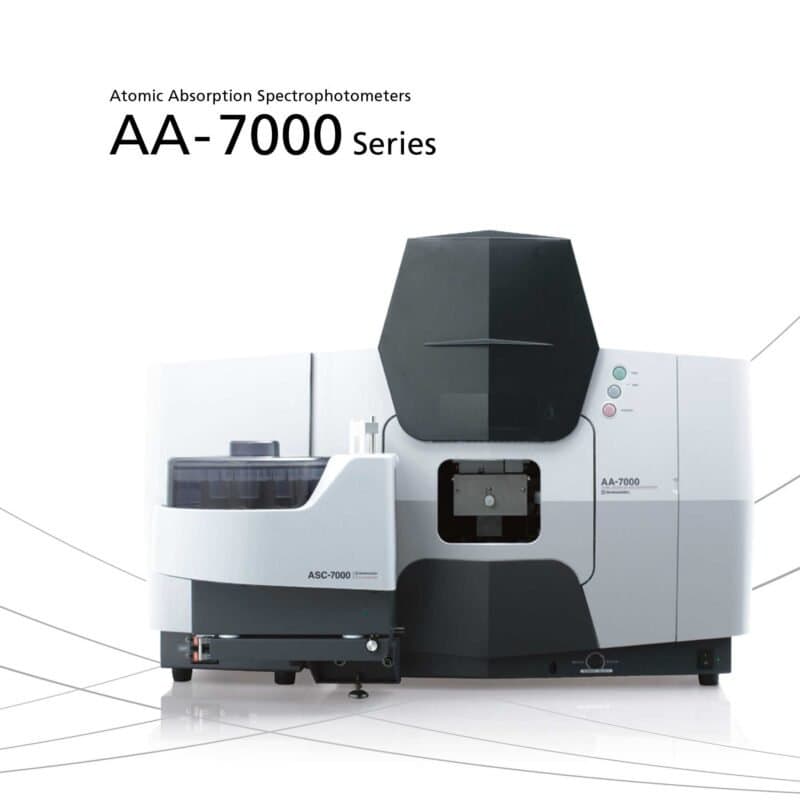
Shimadzu AA-7000
The Shimadzu AA-7000 is a reliable, user-friendly atomic absorption spectrometer focused on routine laboratory performance, offering stable optics, straightforward operation and competitive pricing that make it attractive for budget-conscious facilities. It provides a balanced combination of dependable results and low acquisition cost, serving as a practical alternative to higher-end or specialized systems like the contrAA 800 or PerkinElmer PinAAcle 900T when ease of use and lower capital expense are the driving factors.
Estimated$50,000 – $95,000
Why AAS Works: Research-Backed Benefits
Scientific research and method standards support the use of atomic absorption spectroscopy for selective, accurate metal analysis in many routine applications. Flame AAS provides robust, fast measurements for higher concentration samples with minimal sample preparation, while graphite furnace AAS extends sensitivity to trace levels suitable for low ppb quantitation. Validation studies and standard methods from regulatory agencies show AAS produces reproducible results when appropriate calibration, quality control, and matrix-matching are applied. For many labs, AAS offers a balance of analytical performance and cost that complements or precedes higher-cost techniques like ICP-MS or ICP-OES.
Detection and sensitivity: Graphite furnace AAS routinely reaches sub-ppb to low ppb detection limits, while flame AAS covers mid to high ppb and ppm ranges with high precision.
Selectivity and interference control: Line-selection, background correction, and matrix-matching help reduce spectral and chemical interferences for accurate single-element analysis.
Method support: Standard methods and validation frameworks from agencies such as EPA, ISO, and various provincial bodies provide established protocols for AAS use in regulated testing.
Cost-effectiveness: Lower capital cost and simpler maintenance make AAS attractive for targeted monitoring programs and labs with defined analyte lists.
Routine QC suitability: High throughput for routine samples, simple calibration procedures, and dependable day-to-day performance support quality control workflows.
Frequently Asked Questions
Which atomic absorption spectrometer suits high-throughput QC labs best?
Agilent 240FS AA is a fast-sequential atomic absorption spectrometer optimized for high-throughput labs, with rapid wavelength switching for higher sample throughput and robust flame performance that helps minimize per-sample time and operating cost.
Does Agilent 280Z AA include Zeeman background correction?
Yes—Agilent 280Z AA features Zeeman background correction for improved accuracy at ultra-low concentrations, plus a graphite furnace configuration optimized for trace metal analysis.
How does PerkinElmer PinAAcle 900T price value compare?
Price isn’t provided for PerkinElmer PinAAcle 900T, but it’s rated 4.6 and supports both flame and transverse-heated graphite furnace modes for flexible workflows and low detection limits.
What warranty duration comes with these atomic absorption spectrometers?
Warranty duration isn’t listed for Agilent 240FS AA, Agilent 280Z AA, or PerkinElmer PinAAcle 900T in the provided product data.
Conclusion
In Canada, flame and graphite furnace AAS instruments remain an excellent fit for labs focused on targeted metal testing, routine QC, and cost-effective monitoring. The five highlighted instruments on this page are the Agilent 240FS AA, Agilent 280Z AA, PerkinElmer PinAAcle 900T, Analytik Jena contrAA 800, and Shimadzu AA-7000. Each model serves different lab priorities: the Agilent 240FS AA and Shimadzu AA-7000 are solid choices for robust routine analysis, the PerkinElmer PinAAcle 900T and Analytik Jena contrAA 800 offer advanced furnace options for trace work, and the Agilent 280Z AA stands out as the best overall choice here for routine QC because of its balanced sensitivity, usability, and strong regional support in Canada. I hope you found what you were looking for; you can refine or expand your search using the search to compare specifications, availability, and pricing for these models.