

Top 7 Atomic and Elemental Spectrometers in Canada for Industrial and Automotive Labs: 2026
Atomic and elemental spectrometers including ICP-MS, ICP-OES, AAS, and XRF are essential tools for industrial and automotive laboratories across Canada. These instruments enable trace metal detection, alloy verification, contamination control, and material characterization required by manufacturers, tiered suppliers, and quality teams in production environments. Canadian buyers prioritize low detection limits, high multi-element throughput, rugged designs for shop-floor and production lab use, predictable cost of ownership, and strong local service and calibration support. The category appeals to supply chain managers and lab directors because it reduces risk from off-spec components, supports regulatory compliance, speeds root-cause analysis, and enables in-house testing to avoid outsourcing delays.
Inception's AI took the time to understand this market in Canada · · How we pickWe may earn a commission on purchases. It never affects our rankings.
Top Picks Summary
Agilent 8900 Triple Quadrupole ICP-MS
The Agilent 8900 Triple Quadrupole (ICP‑QQQ) is positioned as the market leader for the most challenging inductively coupled plasma mass spectrometry tasks, offering unmatched interference removal and ultimate selectivity through MS/MS that outperforms single‑quadrupole and cell‑based designs. Its superior capability reduces the need for extensive sample cleanup and method development, which can justify the higher capital and operational costs compared with single‑quadrupole instruments such as the 7850, Thermo iCAP RQ and Shimadzu 2050, and in many cases it rivals or exceeds the NexION 5000 for the toughest matrices. Laboratories that require definitive trace quantitation in complex samples typically view the 8900 as a mission‑critical investment despite its premium price.
Show More Inductively Coupled Plasma Mass Spectrometers
Agilent 5800 ICP-OES
The Agilent 5800 is a market-leading, compact ICP-OES designed to deliver high throughput and low cost-per-analysis with straightforward maintenance and efficient gas consumption. Relative to the Thermo, PerkinElmer and Shimadzu models, it sacrifices some top-end dynamic range in favor of a smaller footprint and very competitive purchase and operating costs, making it attractive for high-volume testing labs prioritizing running economics.
Show More Inductively Coupled Plasma Optical Emission Spectrometers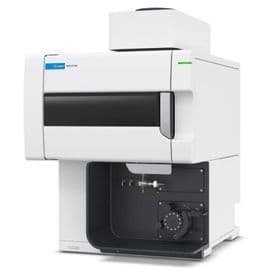
Estimated$110,000 – $200,000
The Agilent 240FS AA is positioned as a fast-sequential atomic absorption spectrometer optimized for high-throughput labs, offering rapid wavelength switching and reliable flame and furnace performance that helps minimize per-sample time and operating cost compared with slower single-beam systems. Its technical advantage is throughput and ease of integration into busy workflows, making it a cost-effective alternative to higher-sensitivity, specialized instruments on this list when sample volume and speed are the primary concerns.
Show More Atomic Absorption Spectrometers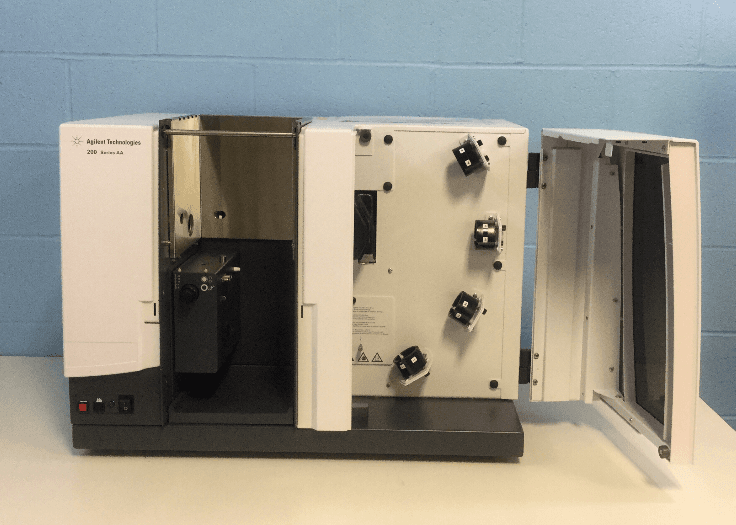
Estimated$45,000 – $75,000
The Bruker S1 TITAN is positioned as a market leader for precision and analytical depth among handheld XRF instruments, delivering high-resolution performance and extensive application libraries that reproduce lab-like results in the field. It typically commands a higher upfront price than some competitors, but its stronger detection limits and advanced software justify the investment for users prioritizing measurement accuracy and regulatory compliance.
Show More X Ray Fluorescence Spectrometers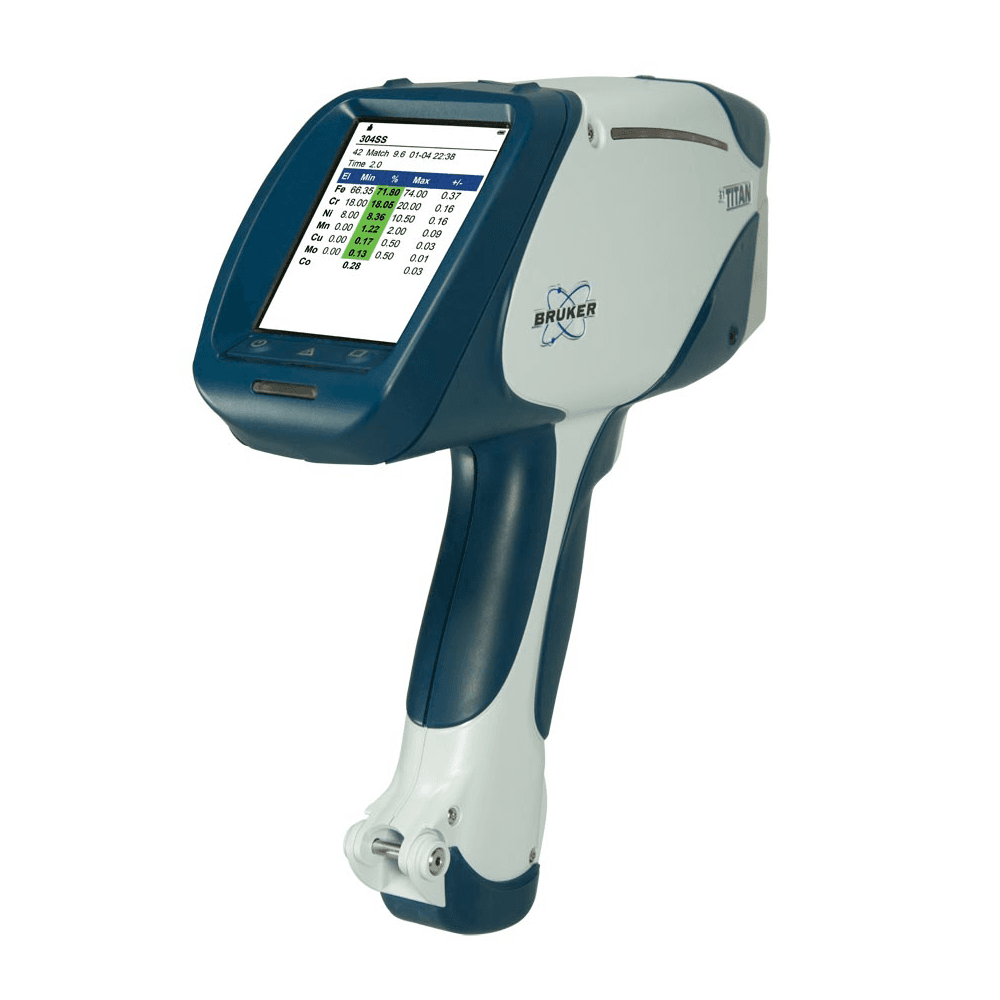
Estimated$30,000 – $50,000
The HORIBA GD-Profiler 2 is a market-leading GD-OES instrument noted for its high spectral resolution, broad wavelength coverage and advanced depth-profiling performance, making it a top choice for demanding R&D and failure-analysis applications. It maintains leadership by combining multi-channel detection and mature software that deliver superior depth and elemental discrimination compared with more budget-oriented systems like the LECO GDS500A and many regional alternatives such as the Spectruma GDA 750 HR, albeit typically at a higher capital cost. Labs that need the finest depth resolution and analytical flexibility often accept the premium for HORIBA's precision and established track record.
Show More Glow Discharge Optical Emission Spectrometers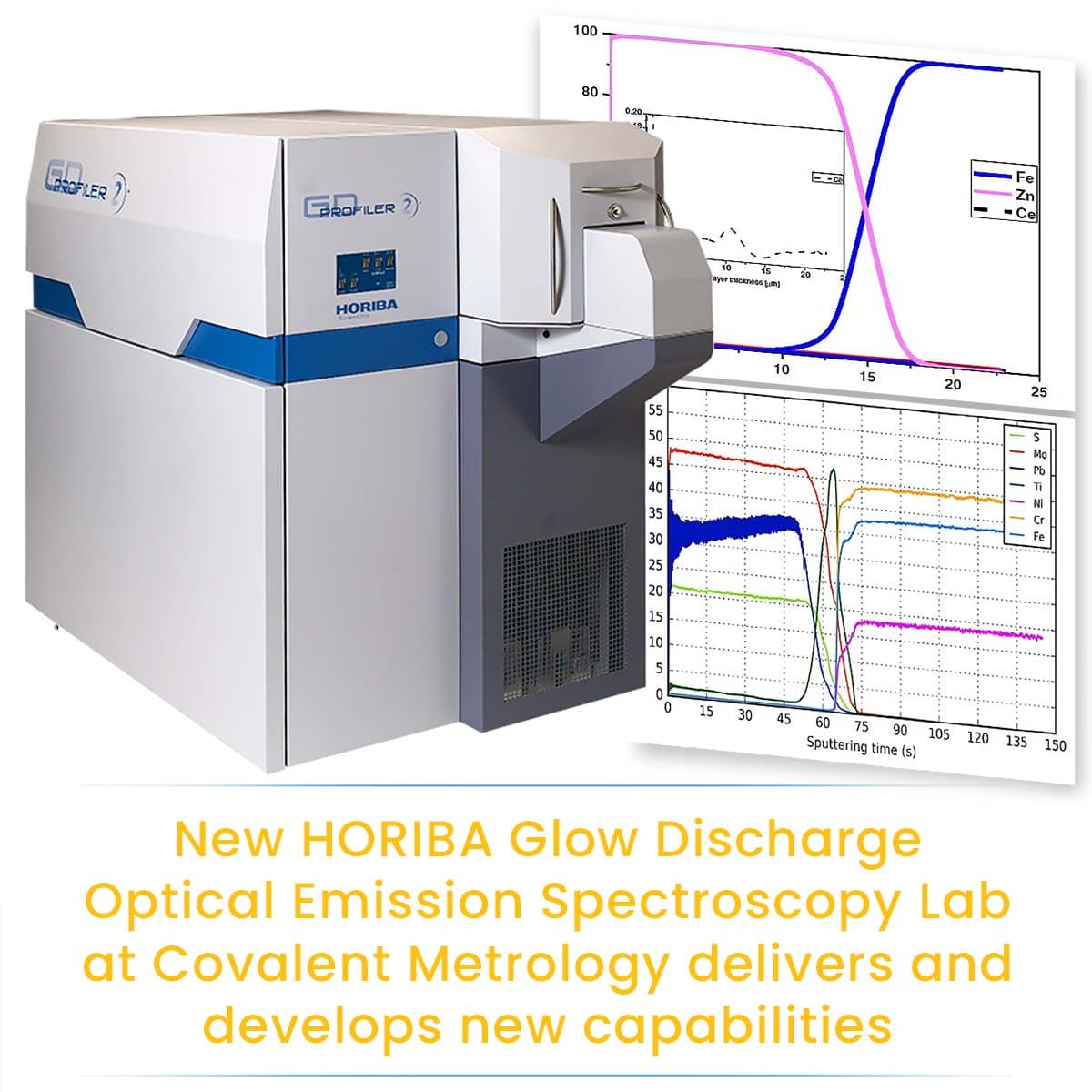
Estimated$220,000 – $420,000
The Analyte G2 is a next-generation platform emphasizing ultrafast/high-repetition capability (minimizing thermal effects and elemental fractionation) and tight spot-size control, making it the technical leader for applications demanding the best spatial resolution and lowest matrix bias. While its capital cost is at the top of this list, the G2 often reduces analytical uncertainty and rework compared with longer-pulse or excimer systems, delivering measurable value in high-end geochronology, semiconductor, and nanomaterials labs.
Show More Laser Ablation Sampling Systems
Estimated$120,000 – $280,000
Milestone UltraWAVE Microwave Digestion System
The Milestone UltraWAVE is a high-capacity, rotorless microwave digestion system designed for demanding matrices and large sample batches, delivering fast, uniform digestion with minimal cross-contamination risk. Its technical strength is the ability to process diverse and bulky samples with fewer restrictions than traditional closed-vessel systems, which can justify the higher capital investment by significantly lowering labor and consumable costs for high-throughput or difficult-to-digest sample streams compared with smaller microwave units.
Show More Autosamplers and Sample Preparation Systems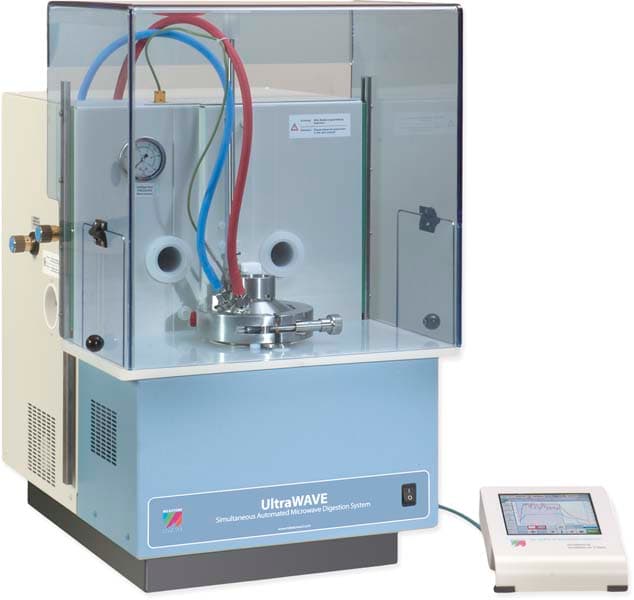
Estimated$120,000 – $210,000
Why the Science Supports These Technologies
Each spectrometry method offers validated strengths that match common industrial and automotive needs. ICP-MS delivers the lowest detection limits for trace contaminants, ICP-OES provides robust multi-element throughput for routine production testing, AAS remains a reliable option for targeted single-element analysis with straightforward operation, and XRF excels at fast, non-destructive alloy verification and coating analysis. Laboratory standards and peer-reviewed evaluations support method selection based on required sensitivity, sample matrix, throughput, and portability. Accreditation frameworks and method standards guide validation and routine use in Canadian labs.
ICP-MS sensitivity: Numerous studies and method validations show ICP-MS routinely reaches parts-per-trillion to low parts-per-billion detection for many trace metals, making it ideal for ultra-trace contamination control.
ICP-OES throughput: Research and industry reports demonstrate ICP-OES provides high multi-element throughput with cost-effective operation when mid-ppb to ppm detection is sufficient.
AAS specificity: Comparative analyses indicate AAS (flame and graphite furnace) offers accurate single-element quantification with simpler workflows for targeted testing.
XRF portability and speed: Field and laboratory evaluations confirm handheld and benchtop XRF are reliable for rapid alloy identification, coating thickness, and screening for unacceptable materials when properly calibrated.
Method validation and standards: ISO/IEC 17025 accreditation, ASTM and other standardized methods are widely used to validate performance, ensure traceability, and meet regulatory or customer requirements.
Operational factors: Studies on instrument uptime and lifecycle costs highlight the importance of rugged hardware, local service networks, preventive maintenance, and automation for production lab environments.
Frequently Asked Questions
Which is better for trace metals, Agilent 8900?
Choose the Agilent 8900 Triple Quadrupole ICP-MS if you need ultra-trace interference removal, since its triple-quadrupole MS/MS architecture delivers superior interference elimination for challenging matrices, with an average rating of 4.7.
What feature lets the Agilent 240FS AA run faster?
The Agilent 240FS AA is a fast-sequential atomic absorption spectrometer with fast sequential multi-element flame analysis, supporting higher sample throughput, and it has an average rating of 4.6.
Is the Agilent 240FS AA cheaper than 8900?
The provided data lists no prices for either the Agilent 8900 Triple Quadrupole ICP-MS or the Agilent 240FS AA, so I can’t compare Canadian cost or value.
Are these instruments ICP-MS or atomic absorption?
The Agilent 8900 Triple Quadrupole ICP-MS is an ICP-MS system, while the Agilent 240FS AA is an atomic absorption spectrometer (AA), with average ratings of 4.6 and 4.6 respectively; warranty duration isn’t provided.
Conclusion
In Canada, selecting the right atomic or elemental spectrometer means balancing sensitivity, throughput, ruggedness, and local support to meet industrial and automotive production needs. We hope this page helped you find the type of system that fits your lab. If you want to narrow results by detection limit, instrument type, or service coverage, use the search to refine or expand your options and compare the top models available in 2026.