

Best Glow Discharge Optical Emission Spectrometers in Canada 2026 - Top 5 GD-OES Instruments
Glow Discharge Optical Emission Spectrometers (GD-OES) are GD-OES instruments for direct solid sampling, depth profiling, and bulk composition analysis of conductive materials and coatings. They deliver rapid, high-throughput analysis for plating, thin films, and layered structures used in component qualification and failure analysis. In Canada, demand for GD-OES is driven by aerospace and defence supply chains, automotive and electroplating industries, electronics and semiconductor research, and materials labs in mining and energy sectors. Canadian buyers prioritize measurement accuracy, depth resolution, reliable local service and calibration, software integration with laboratory information systems, and instruments that balance throughput with low operating cost. Recent trends through 2026 emphasize automation, remote diagnostics, improved detection limits for light elements, and multi-element profiling that supports coating verification, corrosion studies, and additive manufacturing quality control.
Inception's AI took the time to understand this market in Canada · · How we pickWe may earn a commission on purchases. It never affects our rankings.
Top Picks Summary
LECO GDS500A
The LECO GDS500A is a compact, cost-conscious glow discharge optical emission spectrometer built for routine elemental analysis and thin-film depth profiling. It holds its position by delivering reliable throughput and simple operation at a lower capital outlay than flagship systems, making it attractive for quality-control labs that do not require the ultra-high resolution of the HORIBA GD-Profiler 2 or the extended dynamic range of the LECO GDS900. For users prioritizing budget and bench footprint over cutting-edge sensitivity, the GDS500A is a practical, lower-cost entry into GD-OES capability.
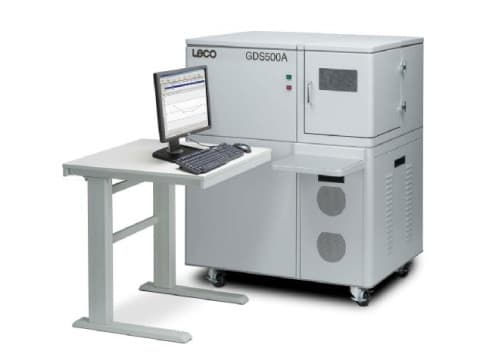
Estimated$120,000 – $180,000
HORIBA GD-Profiler 2
The HORIBA GD-Profiler 2 is a market-leading GD-OES instrument noted for its high spectral resolution, broad wavelength coverage and advanced depth-profiling performance, making it a top choice for demanding R&D and failure-analysis applications. It maintains leadership by combining multi-channel detection and mature software that deliver superior depth and elemental discrimination compared with more budget-oriented systems like the LECO GDS500A and many regional alternatives such as the Spectruma GDA 750 HR, albeit typically at a higher capital cost. Labs that need the finest depth resolution and analytical flexibility often accept the premium for HORIBA's precision and established track record.
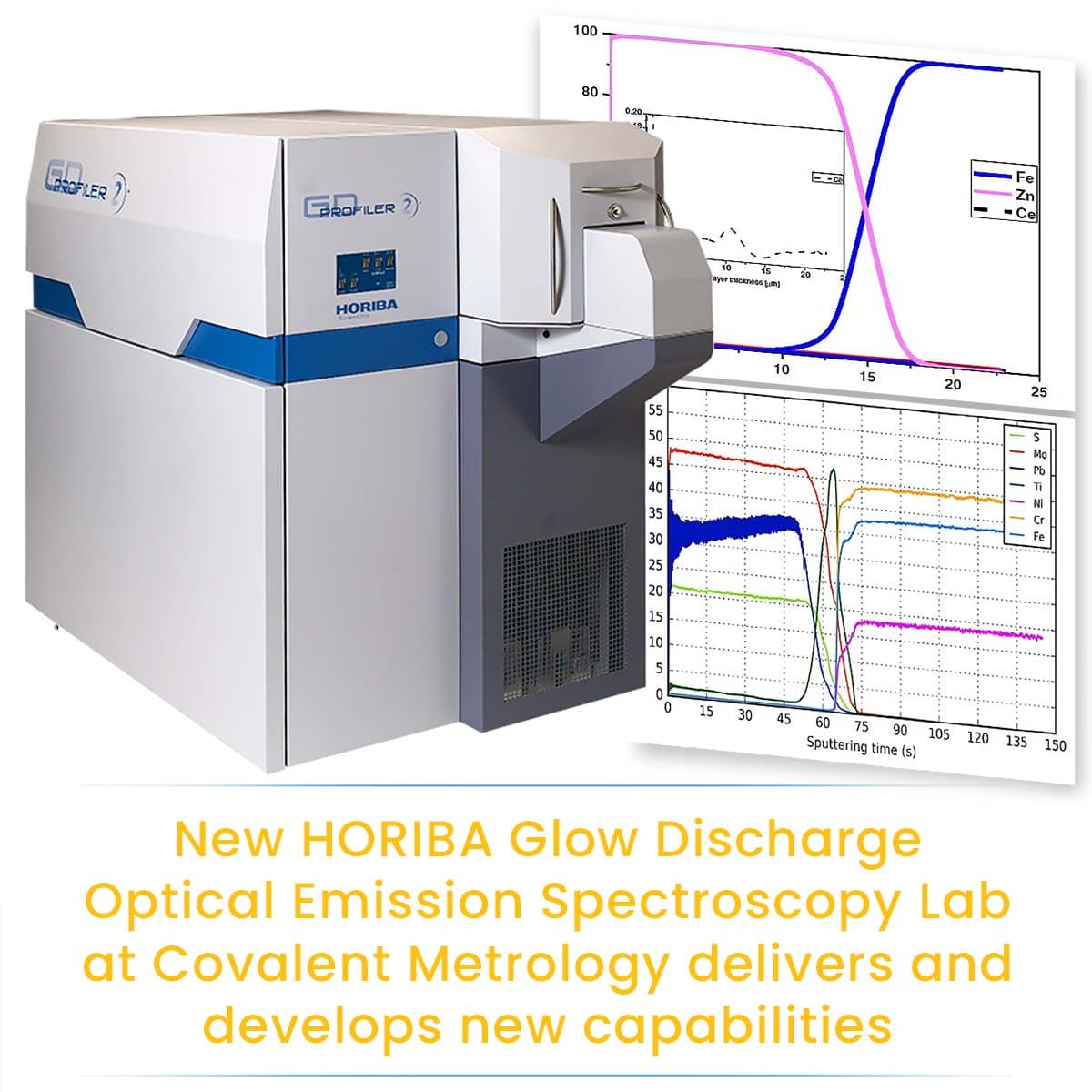
Estimated$220,000 – $420,000
Thermo Scientific GD-OES
Thermo Scientific's GD-OES platform offers a balanced combination of analytical performance, robust engineering and global service support, which appeals to labs that require dependable uptime and standardized workflows. It holds its place by delivering competitive sensitivity and practical automation while offering the purchasing and after-sales advantages of a large international vendor, positioning it between high-end options like the LECO GDS900 and more economical bench units such as the GDS500A. For organizations where service availability, regulatory compliance and total cost of ownership matter as much as raw resolution, Thermo's offering is a pragmatic choice.
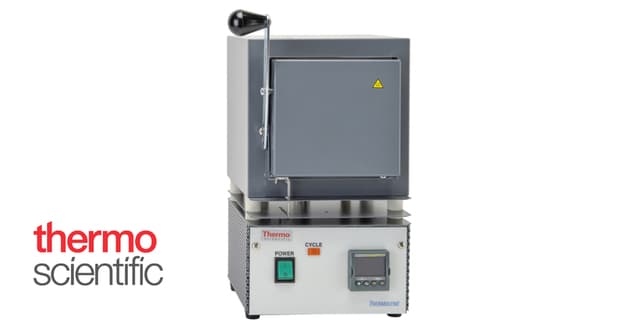
Estimated$180,000 – $350,000
Spectruma GDA 750 HR
The Spectruma GDA 750 HR is a high-resolution GD-OES instrument from a European vendor that emphasizes thin-film profiling, flexible configuration and strong value for money. It secures its role by delivering performance close to larger market leaders for specialized R&D tasks—particularly in thin-film and semiconductor labs—while typically undercutting the premium price of the HORIBA GD-Profiler 2 and LECO GDS900, making it an attractive regional alternative. Laboratories in Europe or cost-sensitive development groups will find the Spectruma balances technical capability and purchase cost effectively.
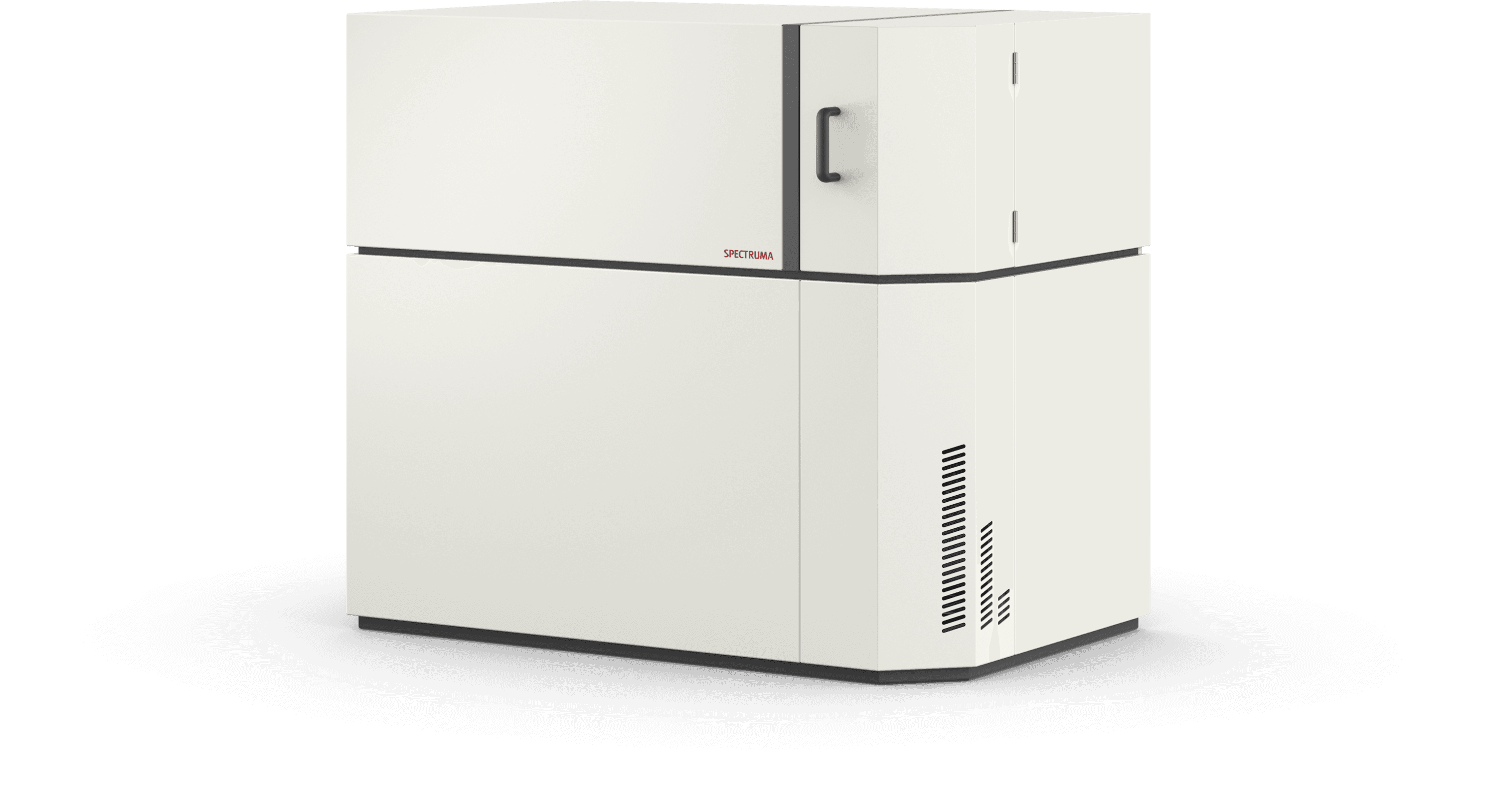
Estimated$250,000 – $500,000
LECO GDS900
The LECO GDS900 is the company's flagship glow discharge optical emission spectrometer, engineered for the highest sensitivity, widest dynamic range and advanced automation required in intensive R&D and high-end industrial labs. It holds its position by offering unmatched detection limits and workflow automation in the LECO lineup, reducing per-sample analytical uncertainty compared with benchtop options like the GDS500A and offering a different technical trade-off to the HORIBA GD-Profiler 2 and Thermo Scientific systems at a correspondingly higher capital cost. Facilities that prioritize ultimate analytical performance and low limit-of-detection capability typically justify the premium investment in the GDS900.
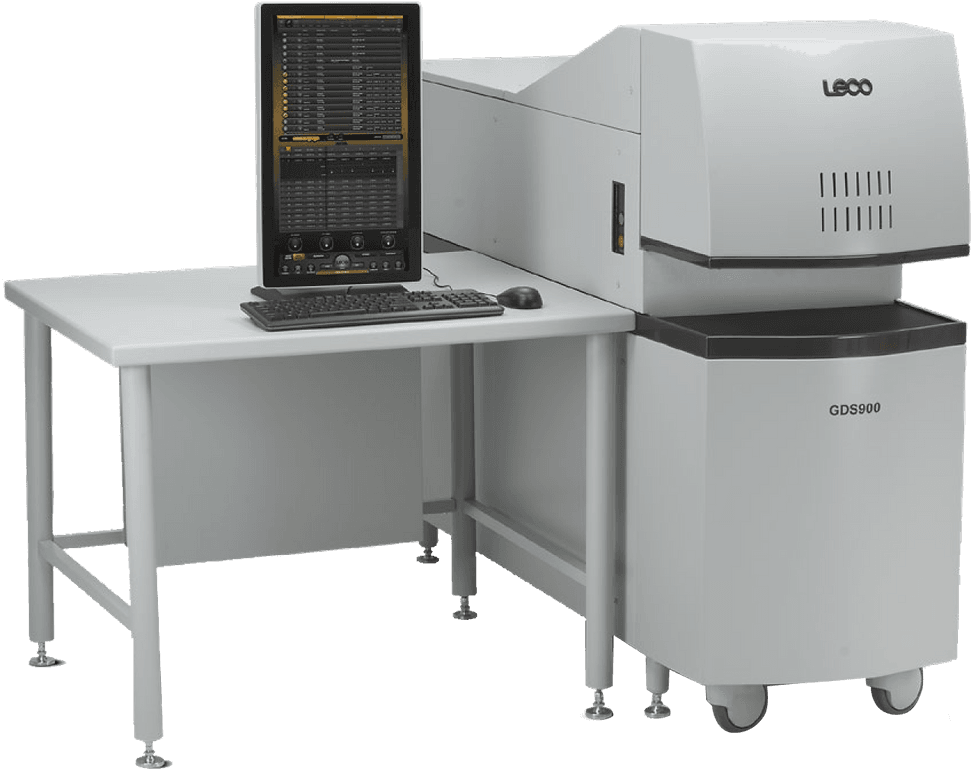
Estimated$350,000 – $700,000
Why GD-OES Works: Evidence and Practical Benefits
GD-OES is supported by a large body of technical literature and industry practice showing it as a rapid, direct method for depth profiling conductive solids and coatings. Compared with alternative surface and thin film techniques, GD-OES provides faster depth profiling over larger areas, straightforward sample preparation, and multi-element detection across a wide dynamic range. For labs new to GD-OES, the technology is proven for plating thickness verification, contamination screening, and failure analysis when combined with complementary surface methods.
Depth resolution and speed: Studies and application reports demonstrate GD-OES can profile coatings and layered structures from nanometers to tens of micrometers quickly, making it suitable for routine quality control and research.
Multi-element capability: GD-OES detects a broad range of elements in a single run, which reduces the need for multiple analytical techniques for bulk and near-surface composition.
Minimal sample preparation: Direct solid sampling reduces turnaround time and risk of sample contamination compared with wet chemistry and some microbeam techniques.
Comparative performance: While techniques like SIMS and XPS can offer higher surface sensitivity, GD-OES provides a superior combination of speed, depth range, and ease of use for many industrial applications.
Calibration and traceability: Use of certified reference materials and standardized protocols yields quantitative results that support compliance, specification checks, and inter-laboratory reproducibility.
Frequently Asked Questions
Which GD-OES instrument should I choose for routine coatings depth profiling?
Choose the LECO GDS500A for routine GDOES depth profiling with a compact benchtop footprint, fast argon glow discharge sputtering, and user-friendly software for rapid multi-element quantification; it has an average rating of 4.5.
What feature matters most for high-sensitivity depth profiling on GD-Profiler 2?
The HORIBA GD-Profiler 2 uses simultaneous multi-element detection optimized for high-sensitivity depth profiling, plus a robust optical layout and detectors for excellent detection limits across a wide dynamic range; it has an average rating of 4.6.
How does LECO GDS500A value compare to HORIBA GD-Profiler 2 price-wise?
The provided data doesn’t list any prices for LECO GDS500A or HORIBA GD-Profiler 2, so I can’t compare value by cost; I can only confirm their ratings are 4.6 and 4.6, respectively.
Does Thermo Scientific GD-OES support different cathode or sample configurations?
Yes—Thermo Scientific GD-OES is a modular GD-OES platform with flexible cathode/sample configurations for varied material types, plus stable plasma control for coatings, alloys, and bulk materials; it has an average rating of 4.5.
Conclusion
For Canadian labs and manufacturers looking for reliable GD-OES solutions in 2026, this list highlights five strong options: LECO GDS500A, HORIBA GD-Profiler 2, Thermo Scientific GD-OES, Spectruma GDA 750 HR, and LECO GDS900. Each instrument suits different budgets and workflows; for an excellent balance of high-resolution profiling, mature software, and strong field support in Canada, the HORIBA GD-Profiler 2 stands out as the best overall choice among these models. We hope you found the comparison helpful. If you want to refine results by industry, detection limits, or budget, or expand the search to accessories and service plans, use the search to narrow or broaden your options.