

Top 5 Hyphenated LC-MS Systems in Canada 2026 for Industrial and Automotive Labs
Hyphenated liquid chromatography-mass spectrometry systems (LC-MS/MS and LC-HRMS) are the workhorses for industrial and automotive laboratories in Canada that require both targeted quantitation and non-targeted screening. Designed for contaminant screening, additive profiling and failure analysis, these platforms combine robust LC interfaces, high-throughput sample handling and comprehensive method libraries to detect trace-level compounds and support regulatory compliance. Canadian labs increasingly choose systems that deliver low limits of detection, reproducible results across complex matrices, strong vendor method support and local service networks to minimize downtime. Current market preferences favor triple quadrupole systems for routine trace quantitation and high-resolution Orbitrap or time-of-flight systems for suspect and non-targeted workflows, with automation and data processing tools that simplify method transfer and reporting.
Inception's AI took the time to understand this market in Canada · · How we pickWe may earn a commission on purchases. It never affects our rankings.
Top Picks Summary
Agilent 6495D Triple Quadrupole LC/MS
The Agilent 6495D is prized in industrial and automotive labs for its class-leading sensitivity, robustness and workflow stability, making it a go-to for high-throughput targeted quantitation such as contaminant and additive testing. Compared with the other systems here it offers a strong balance of reproducibility and cost-per-sample for routine testing, trading off the broader non-target capabilities of HRMS platforms like the Orbitrap Exploris 240 while matching or exceeding many competitors in long-term uptime and method reproducibility.
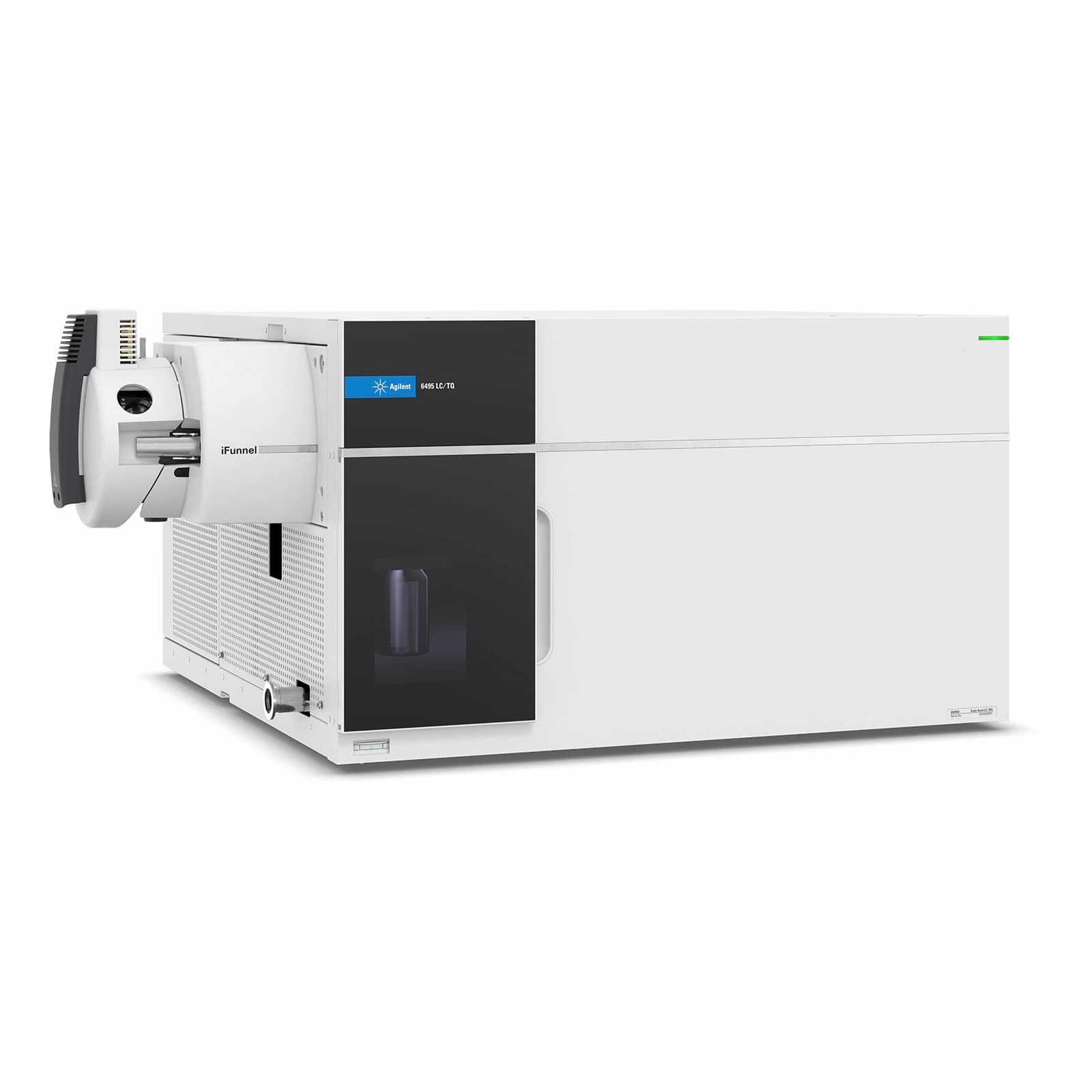
Estimated$400,000 – $650,000
Thermo Scientific TSQ Altis Plus Triple Quadrupole Mass Spectrometer
The TSQ Altis Plus emphasizes fast cycle times, robust quantitation and low maintenance demands, delivering high lab uptime for QA/QC workflows common in automotive production and materials labs. Technically it rivals top triple-quadrupole competitors in sensitivity and precision, often with lower operating overhead and smooth method transfer paths to Thermo's HRMS platforms for confirmatory work, while typically presenting a lower acquisition cost than full-resolution systems.
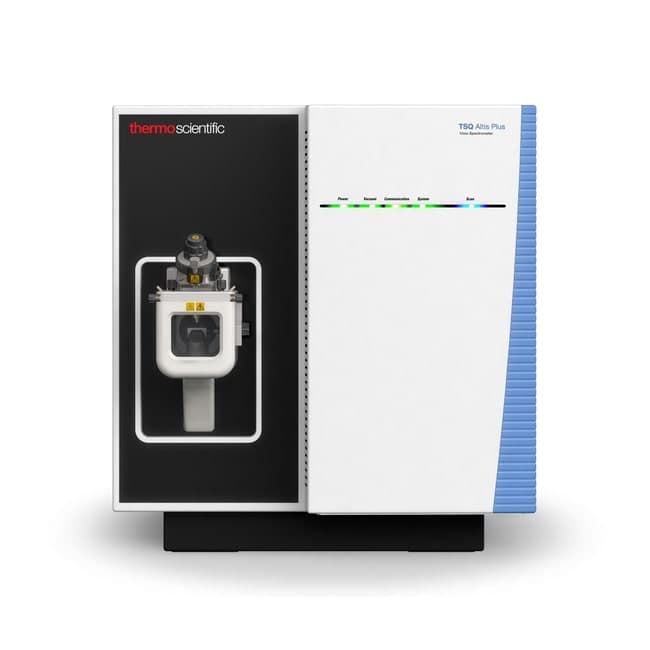
Estimated$350,000 – $600,000
Waters Xevo TQ-XS Triple Quadrupole Mass Spectrometer
The Waters Xevo TQ-XS is built for ultralow detection limits with efficient solvent and sample use, making it particularly attractive for trace-level automotive contaminant screening and forensic failure analysis. It competes closely with Agilent and SCIEX on sensitivity and matrix tolerance but frequently offers advantages in throughput and solvent economy for high-volume industrial labs, though it does not replace the high-resolution confirmatory and retrospective analysis capabilities of the Orbitrap Exploris 240.
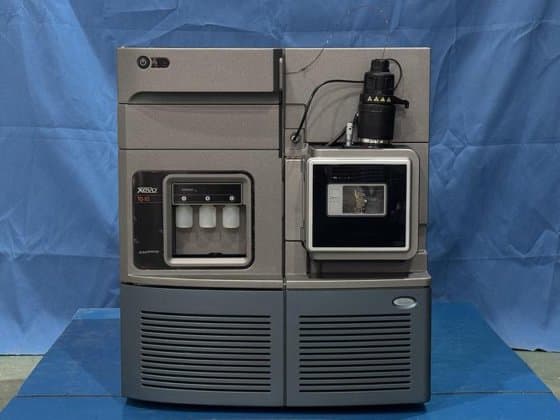
Estimated$360,000 – $620,000
SCIEX Triple Quad 7500 LC-MS/MS System
The SCIEX Triple Quad 7500 is optimized for broad dynamic range and robust MRM performance, well suited to industrial applications that require precise quantitation across widely varying concentrations such as fuels, lubricants and process contaminants. It is often chosen for its precision and long-run stability and can deliver lower consumable costs over extended campaigns; for complex non-target screening, however, labs typically pair it with a high-resolution system like the Orbitrap Exploris 240.
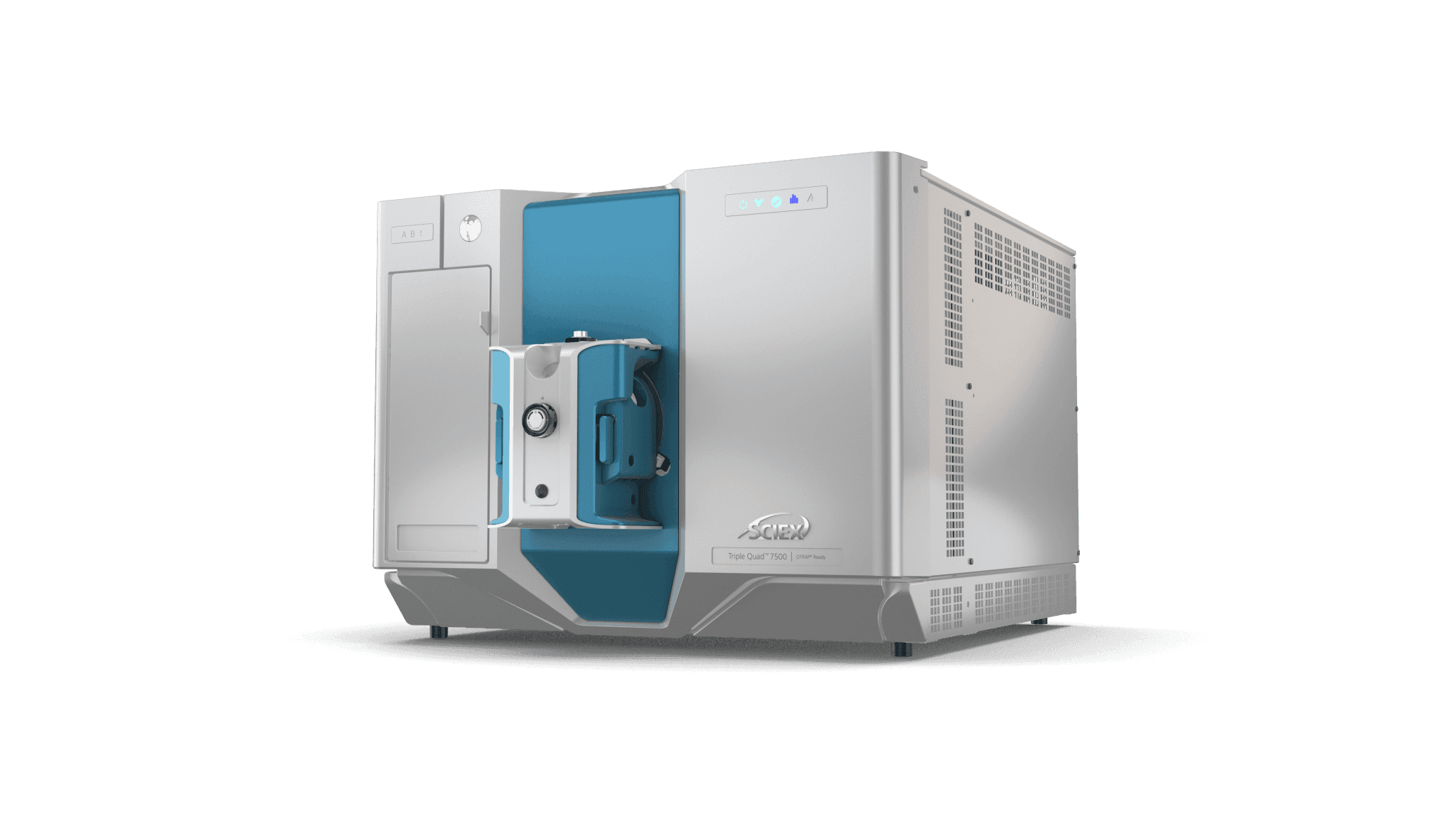
Estimated$380,000 – $640,000
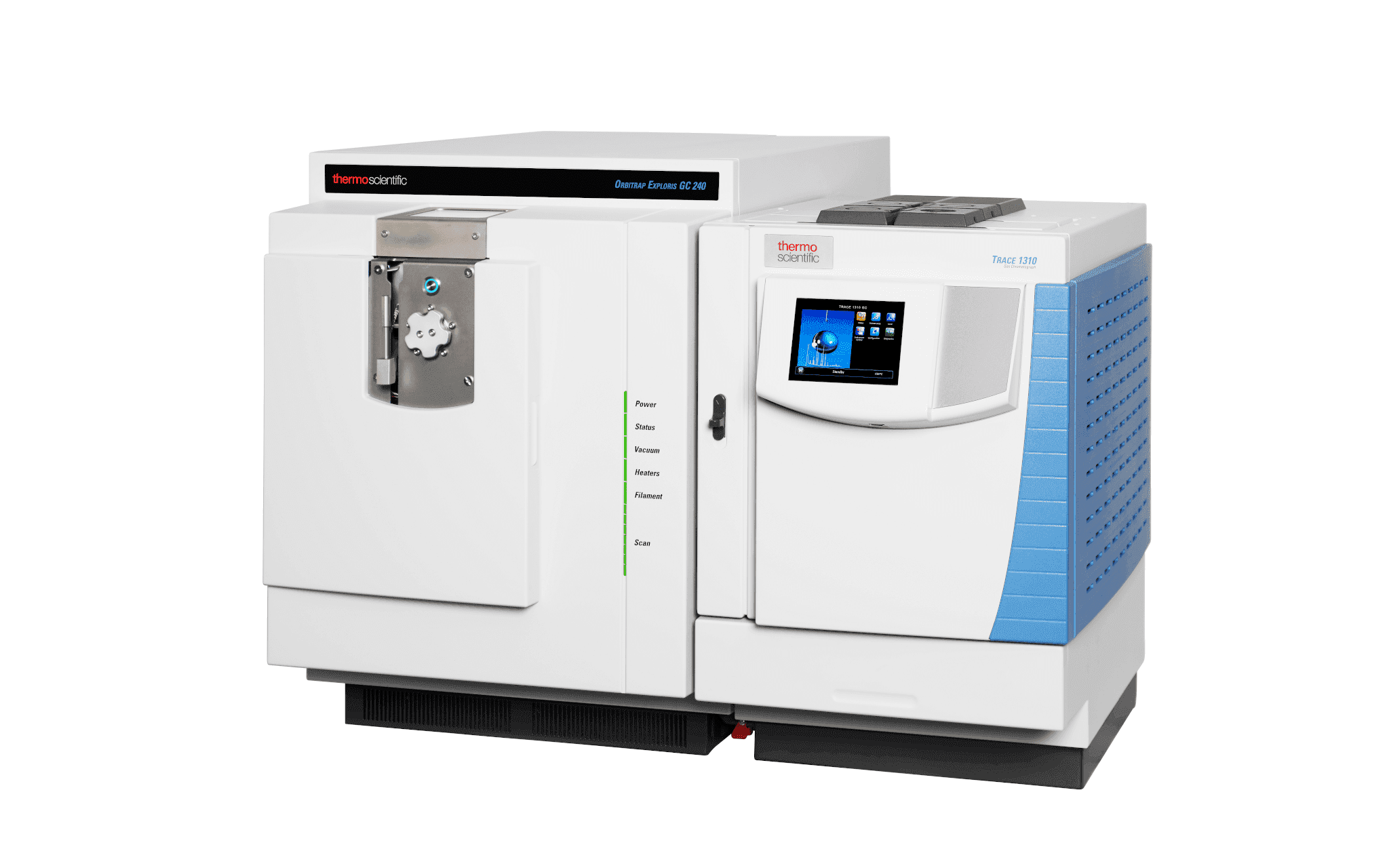
Thermo Scientific Orbitrap Exploris 240 Mass Spectrometer
The Orbitrap Exploris 240 brings high-resolution accurate-mass (HRAM) capability to industrial and automotive labs focused on non-target screening, confirmatory identification and complex matrix characterization. While its upfront cost is higher than the triple-quadrupole systems listed, it provides unmatched exact-mass identification and retrospective data mining that complement the targeted quantitation strengths of the Agilent, Thermo TSQ, Waters and SCIEX triple quadrupoles.
Estimated$300,000 – $550,000
Scientific Evidence and Practical Benefits
A broad body of peer-reviewed literature and method validation studies supports the performance claims for hyphenated LC-MS systems in industrial and automotive applications. Triple quadrupole LC-MS/MS is well established for sensitive and precise targeted quantitation, while high-resolution mass spectrometry (HRMS) platforms enable reliable non-targeted and suspect screening workflows. Interlaboratory validation studies, published method protocols and regulatory guidance documents demonstrate that properly validated LC-MS workflows deliver the specificity, robustness and trace-level sensitivity needed for compliance testing and failure analysis.
Sensitivity and precision: Validated studies in analytical journals show triple quadrupole systems routinely achieve trace-level detection suitable for contaminant screening in complex industrial matrices.
Non-targeted capability: HRMS workflows enable retrospective data mining and suspect screening, making it possible to discover unexpected additives or degradation products.
Robust interfaces: Research and field reports indicate that improved LC-MS interfaces and source designs reduce matrix effects and extend uptime in high-throughput labs.
Method libraries and validation: Standardized method libraries and validated protocols speed method adoption and improve cross-lab reproducibility for regulatory and forensic work.
Throughput and automation: Studies and case reports highlight how autosamplers, online SPE and automated data processing increase daily sample throughput while preserving data quality.
Regulatory alignment: Canadian and international guidelines emphasize validated LC-MS methods for environmental, health and safety testing, supporting decisions in automotive and industrial settings.
Frequently Asked Questions
Which LC-MS/MS system is best for automotive contaminant screening?
Waters Xevo TQ-XS Triple Quadrupole Mass Spectrometer is a strong fit for automotive contaminant screening, since it’s built for “ultralow detection limits” and trace-level forensic failure analysis, with an average rating of 4.7.
What feature lets Agilent 6495D handle high-throughput MRM runs?
Agilent 6495D Triple Quadrupole LC/MS includes “High-speed MRM with robust ion optics” to support high sample throughput, and it has an average rating of 4.6.
How does Waters Xevo TQ-XS value compare to others here?
The data here doesn’t list prices for Waters Xevo TQ-XS, Agilent 6495D, or TSQ Altis Plus; it only gives ratings, like Xevo TQ-XS at 4.7, plus features such as low carryover and ultra-sensitive triple quad performance.
Who would prefer Thermo TSQ Altis Plus over Xevo TQ-XS?
Choose Thermo Scientific TSQ Altis Plus for 24/7 QA/QC workflows needing “fast polarity switching,” “integrated diagnostics,” and “streamlined maintenance”; its average rating is 4.5, while Xevo TQ-XS is emphasized for ultralow detection limits and low carryover.
Conclusion
In Canada in 2026, industrial and automotive laboratories have reliable options across both targeted and non-targeted LC-MS platforms. The Agilent 6495D Triple Quadrupole LC/MS, Thermo Scientific TSQ Altis Plus Triple Quadrupole Mass Spectrometer, Waters Xevo TQ-XS Triple Quadrupole Mass Spectrometer, SCIEX Triple Quad 7500 LC-MS/MS System and Thermo Scientific Orbitrap Exploris 240 Mass Spectrometer each bring strengths for contaminant screening, additive profiling and failure analysis. For most industrial and automotive labs focused on trace quantitative work with demanding throughput and proven method libraries, the Agilent 6495D Triple Quadrupole LC/MS stands out as the best overall choice because of its sensitivity, robust interfaces and breadth of validated methods. We hope you found what you were looking for; you can refine or expand your search using the site search to compare specifications, local support options and method availability.