

Top 8 Chromatography Systems for Industrial and Automotive Labs in Canada: 2026 Guide
High-performance chromatography systems used in industrial and automotive labs are essential tools for separation, quantification, and quality control of complex mixtures. This category covers gas chromatography (GC), high-performance liquid chromatography (HPLC), ultra-performance liquid chromatography (UPLC) and hyphenated LC-MS workflows that are designed for high throughput, robustness, and regulatory compliance. In Canada, demand is driven by automotive materials testing, fuel and lubricant analysis, emissions and environmental monitoring, and manufacturing quality control. Buyers prioritize reliability, uptime, local technical support, data integrity, and ease of compliance with accreditation standards such as ISO 17025 and sector-specific regulations. Trends shaping preference include automation for higher throughput, reduced solvent and energy use, improved sensitivity for trace-level contaminants, compact footprints for constrained lab spaces, and integrated software for secure data handling and remote diagnostics. Cost of ownership, available service networks across provinces, and proven performance with real-world samples are common deciding factors for industrial and automotive labs choosing their next chromatography system.
Inception's AI took the time to understand this market in Canada · · How we pickWe may earn a commission on purchases. It never affects our rankings.
Top Picks Summary
Agilent 8890 Gas Chromatograph
The Agilent 8890 is a best-in-class GC for industrial and automotive labs thanks to its proven reliability, advanced electronic pneumatic control (EPC) and extensive method and automation options that maximize uptime for high-throughput testing. It stands out against competitors here for enterprise-level software integration and broad application support, which reduces validation and long-term operational costs for large lab fleets. Compared with the other systems in this list, the 8890 prioritizes scalability and serviceability, making it a preferred choice where throughput and minimized downtime justify a higher capital investment.
Show More Gas Chromatography Systems for Industrial and Automotive Labs
Estimated$90,000 – $170,000
Agilent 1290 Infinity II LC System
The Agilent 1290 Infinity II is positioned as a high-throughput, highly modular UHPLC platform optimized for demanding industrial and automotive labs that require sustained uptime and fast cycle times. It stands out in this list for its scalability and rugged engineering—delivering precise retention time stability and modular upgrades that lower long-term capital replacement costs compared with all-in-one UPLC systems. For labs balancing high sample volumes with regulatory compliance, its durability and low maintenance profile make it a financially attractive choice versus faster but potentially more maintenance-intensive alternatives.
Show More High Performance Liquid Chromatography Systems for Industrial and Automotive Labs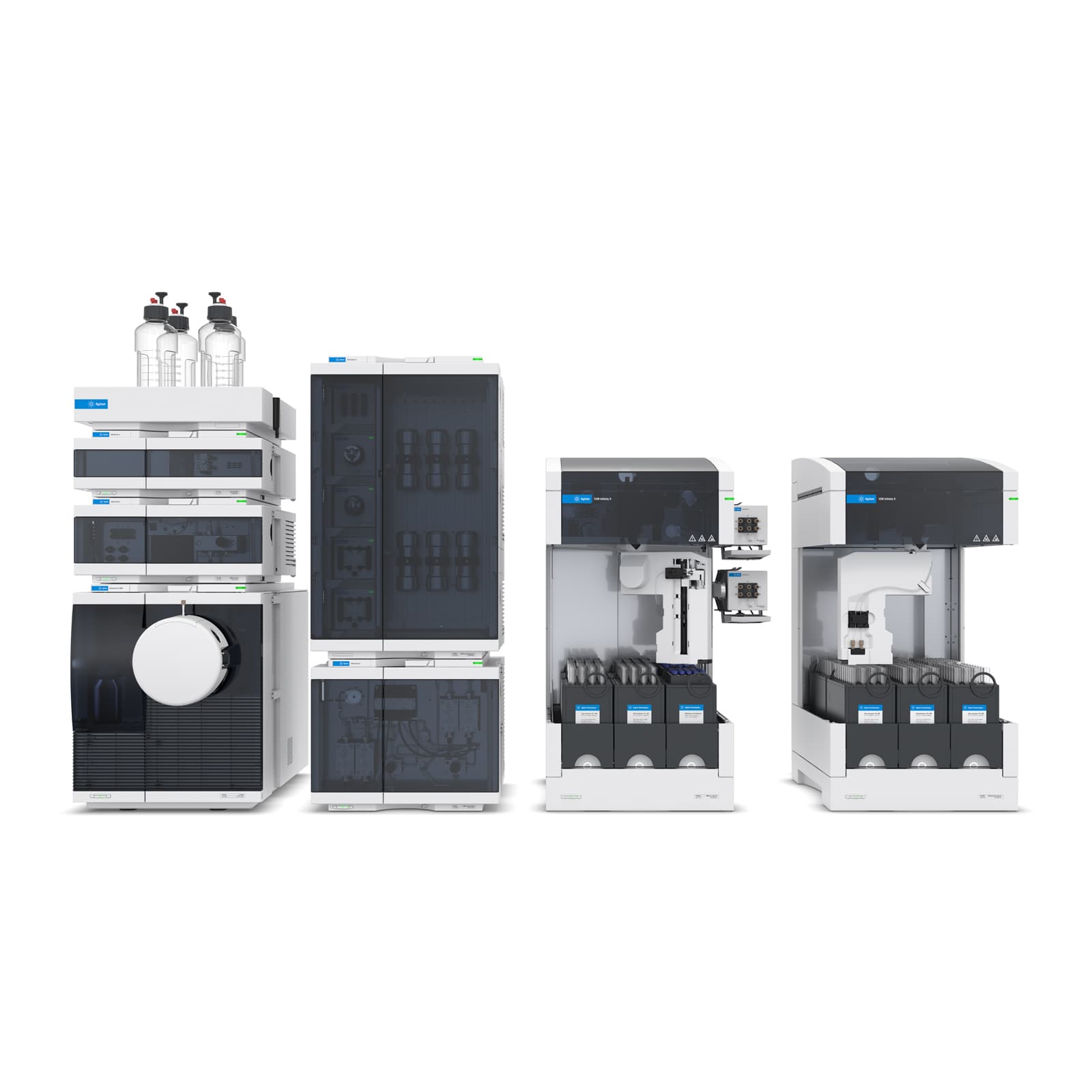
Estimated$120,000 – $250,000
Waters Prep 100 SFC System
The Waters Prep 100 is the market leader for preparative SFC in industrial and automotive labs, engineered for efficient scale-up, solvent savings and reliable fraction collection to minimize per-batch purification costs. It complements analytical platforms like the ACQUITY UPC2 by providing a seamless scale-up path and typically delivers lower overall process costs for purification-heavy workflows than analytical-focused systems such as the JASCO SFC-4000.
Show More Supercritical Fluid Chromatography Systems for Industrial and Automotive Labs
Estimated$250,000 – $450,000
Thermo Scientific Dionex ICS-6000
The Dionex ICS-6000 is positioned as a high-throughput, fully modular ion chromatography platform well suited for industrial and automotive labs that require uptime and flexible workflow scaling. Its modular architecture and advanced autosampling/automation options deliver superior sample throughput and reduced operator time compared with compact bench systems, while its robust design and service network reduce long-term downtime and overall cost of ownership. Compared with simpler bench units in this list, the ICS-6000 commands a higher initial investment but offers better throughput, expandability and lower per-sample labor costs for routine high-volume testing.
Show More Ion Chromatography Systems for Industrial and Automotive Labs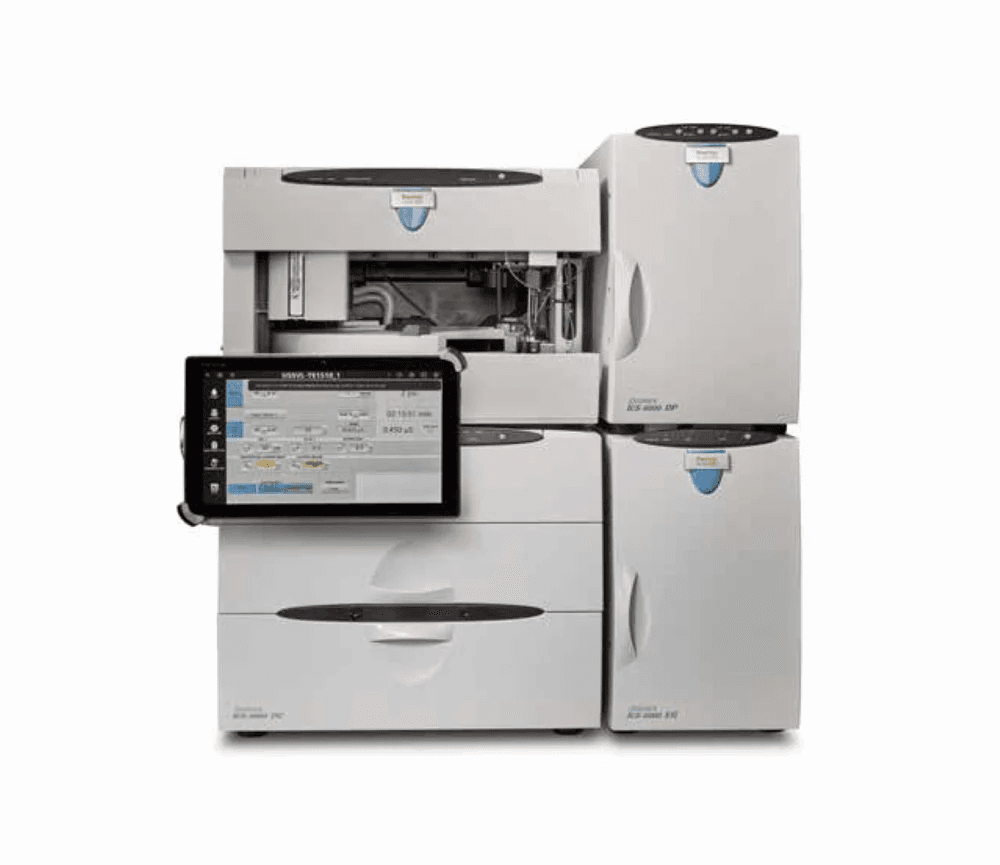
Estimated$80,000 – $140,000
SCIEX Triple Quad 7500 LC-MS/MS System
The SCIEX Triple Quad 7500 is optimized for broad dynamic range and robust MRM performance, well suited to industrial applications that require precise quantitation across widely varying concentrations such as fuels, lubricants and process contaminants. It is often chosen for its precision and long-run stability and can deliver lower consumable costs over extended campaigns; for complex non-target screening, however, labs typically pair it with a high-resolution system like the Orbitrap Exploris 240.
Show More Hyphenated Liquid Chromatography-Mass Spectrometry Systems for Industrial and Automotive Labs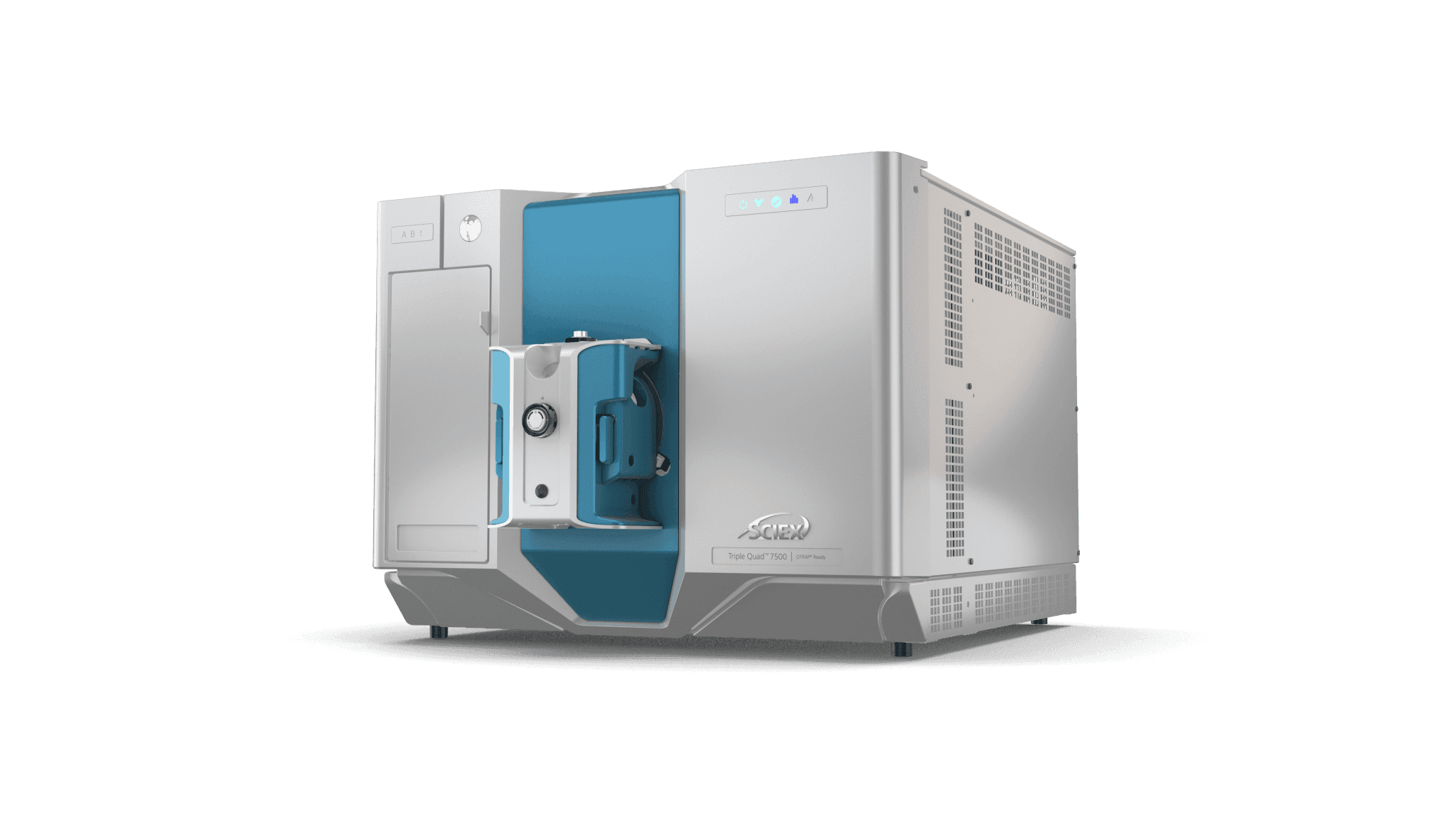
Estimated$380,000 – $640,000
Agilent 8890 GC/5977C GC/MSD System
The Agilent 8890 GC paired with the 5977C MSD is positioned as the market-leading solution for industrial and automotive labs due to its proven robustness, high-throughput automation options, and extensive service network that minimize downtime and lifecycle costs. Compared with the other systems on this list it offers broad method libraries and consumable ecosystems that reduce implementation time and per-sample operating expense, making it the practical choice when lab productivity and predictable total cost of ownership are primary concerns. Its combination of stable chromatography and reliable single-quadrupole detection makes it a balanced, lower-risk investment for routine and regulated analyses.
Show More Hyphenated Gas Chromatography-Mass Spectrometry Systems for Industrial and Automotive Labs
Estimated$150,000 – $220,000
GERSTEL MPS robotic
The GERSTEL MPS robotic is a highly configurable sample handling platform that supports SPME, thermal desorption, automated derivatization and complex vial handling for advanced automotive and industrial analyses. Although it usually requires a higher capital outlay than simple autosamplers, its method-specific modules and unmatched prep flexibility can lower per-sample processing time and development costs when specialized extraction and prep workflows are mission-critical.
Show More Chromatography Automation and Sample Handling Systems for Industrial and Automotive Labs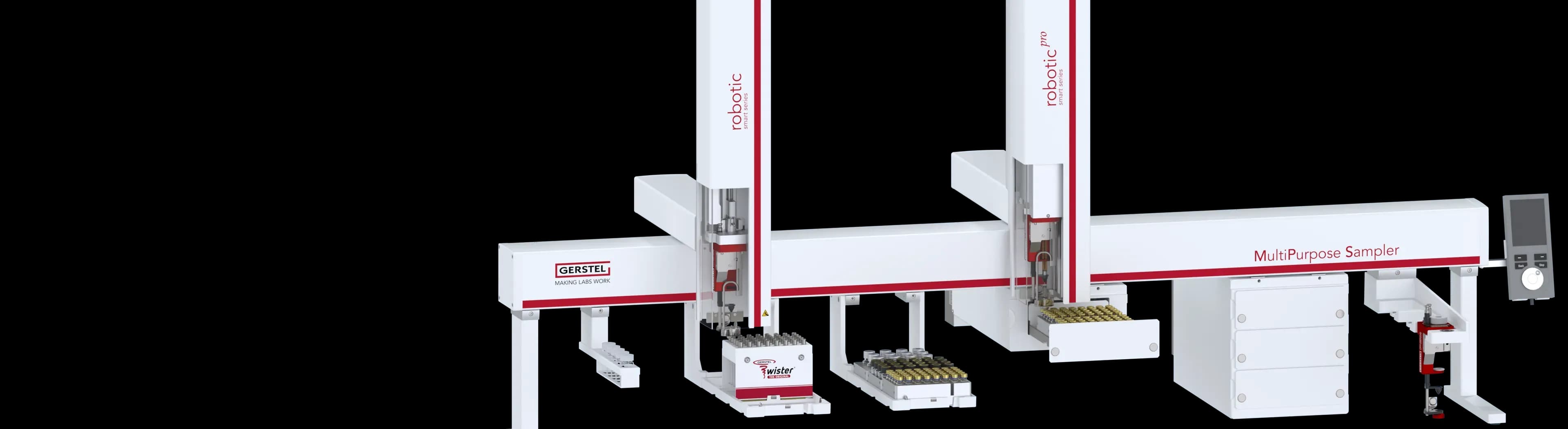
Estimated$80,000 – $180,000
Agilent ZORBAX Eclipse Plus C18 Column
Agilent's ZORBAX Eclipse Plus C18 is positioned as a workhorse reversed-phase column for industrial and automotive labs due to its proven reproducibility, broad selectivity and robust endcapping that tolerate a wide range of routine sample matrices. Compared with Waters XBridge BEH it offers a competitively priced, reliable option for high-throughput routine assays, while trading some high-pH chemical stability for lower cost-per-sample and broad consumable compatibility. Its long column lifetime and strong vendor support reduce downtime and maintenance costs, making it attractive for production-oriented labs.
Show More Chromatography Columns and Consumables for Industrial and Automotive Labs
Estimated$350 – $700
Why Chromatography Systems Matter: Research-Backed Benefits
Scientific research, industry white papers, and validation studies consistently show that modern chromatography platforms deliver measurable benefits for industrial and automotive laboratory workflows. Advances in column technology, detectors, and instrument control have improved sensitivity, reduced analysis time, and lowered operational costs. Hyphenated techniques such as LC-MS and GC-MS enable confident identification of complex or trace-level compounds in fuels, lubricants, and materials. Studies also document that automation and standardized methods improve repeatability and reduce manual error, which supports regulatory compliance and faster time to decision.
UPLC and sub-2 micron HPLC columns reduce run times and solvent usage while maintaining or improving resolution, enabling higher sample throughput with lower operating costs.
GC-MS remains the gold standard for volatile and semi-volatile analysis in emissions and fuel testing, offering strong specificity for regulatory reporting.
LC-MS and LC-MS/MS are widely validated for trace-level detection of additives, contaminants, and degradation products in complex matrices.
Automation and robotic sample handling reduce operator variability, improve repeatability, and increase laboratory productivity according to several validation studies.
Adherence to ISO 17025 and data integrity principles is supported by modern instrument software with audit trails, secure user management, and 21 CFR Part 11 style controls where applicable.
Environmental and cost benefits are reported for systems that use solvent-saving methods, smaller column formats, or alternative mobile phases.
Frequently Asked Questions
Which system should an automotive QC lab choose?
Choose the Agilent 8890 Gas Chromatograph for industrial and automotive labs needing rock-solid reliability, advanced electronic pneumatic control (EPC), and extensive method and automation options to maximize uptime; it has an average rating of 4.7.
What pressure spec does the Agilent 1290 Infinity II support?
The Agilent 1290 Infinity II LC System is “capable of very high pressures (up to ~1200 bar)” and is designed for ultra-fast separations, with an average rating of 4.6.
How does pricing compare across these chromatography systems?
Pricing isn’t provided for the Agilent 8890 Gas Chromatograph, Agilent 1290 Infinity II LC System, or SCIEX Triple Quad 7500 LC-MS/MS System in the supplied data, so I can’t compare costs or value.
Is the SCIEX Triple Quad 7500 good for fuels and lubricants?
Yes—the SCIEX Triple Quad 7500 LC-MS/MS System is optimized for broad dynamic range and robust MRM performance for precise quantitation across widely varying concentrations, including fuels, lubricants, and process contaminants; it has an average rating of 4.5.
Conclusion
Whether you need GC speed for volatile testing, HPLC and UPLC precision for formulation and material analysis, or LC-MS depth for trace identification, the top systems listed for Canada in 2026 reflect the balance of throughput, robustness, and compliance most automotive and industrial labs require. We hope you found what you were looking for. Use the search or filters to refine by throughput, application, budget, or local service options to expand or narrow your results.