

Top 8 Chiral Resolution Columns in Canada for 2026
Published on Monday, July 20, 2026
Chiral resolution columns are specialized chromatographic columns packed with chiral stationary phases designed for enantiomeric separations of pharmaceuticals, agrochemicals and fine chemicals. In Canada they are essential for analytical and preparative workflows that demand regulatory-grade enantiomeric purity, robust method development and reliable scale-up. The leading options in 2026 support normal phase, reversed phase and polar organic modes and include both immobilized and coated selectors to balance selectivity, solvent compatibility and durability. Canadian buyers increasingly prefer columns that deliver reproducible retention and selectivity, broad solvent tolerance for method flexibility, and strong vendor support for validation and supply continuity to meet Health Canada and international regulatory expectations.
Top Picks Summary
Chiralpak IA is Daicel's immobilized amylose selector and is widely regarded as a best-in-class choice for polysaccharide immobilized chiral separations because it combines broad solvent compatibility with robust, often high enantioselectivity across diverse compound classes. Compared with the cellulose-based Chiralpak IB/IC and the Lux alternatives in this list, IA frequently resolves difficult stereochemical pairs that fail on cellulose phases, and its extensive application literature and lot-to-lot reproducibility justify its premium positioning for method development and regulatory work where technical certainty outweighs cost.
Show More Polysaccharide Immobilized Chiral Columns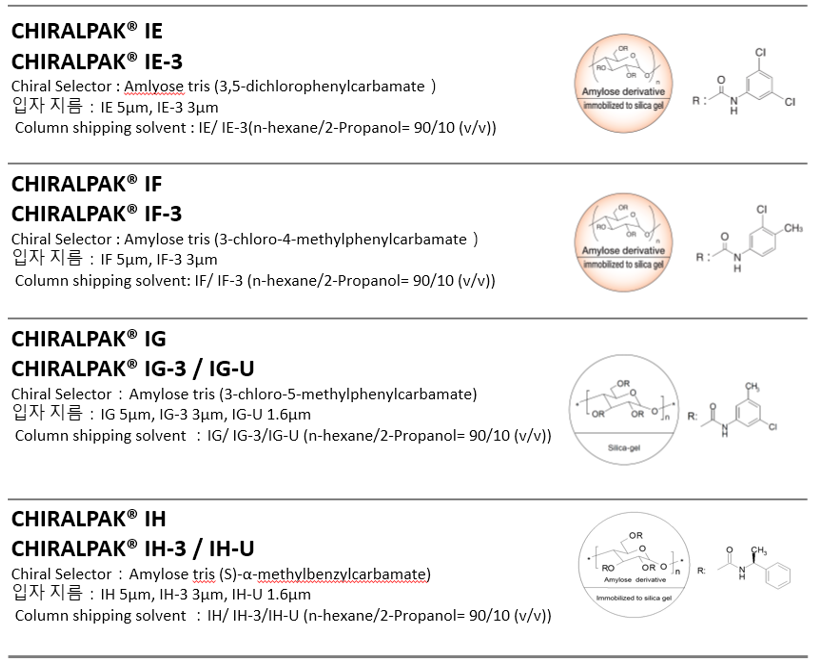
Chiralpak AD-H is widely regarded as a best-in-class amylose-based polysaccharide coated column because of its broad enantioselectivity and proven track record across diverse small-molecule screens; it frequently resolves targets that fail on other stationary phases. Compared with other products in this list it commands a premium but delivers high loading capacity and reproducible separations that reduce method development time for challenging chiral targets in the polysaccharide coated column space.
Show More Polysaccharide Coated Chiral Columns
CHIROBIOTIC V2 is the market-leading evolution of the vancomycin-based phase, designed to deliver improved stability, higher loading capacity and more consistent batch-to-batch performance than the original V, which makes it the go-to choice for high-throughput laboratories. In comparison to V, T, R and TAG, V2 combines the broad applicability of the vancomycin chemistry with lower cost-per-sample and longer service life, making it the preferred investment for labs prioritizing throughput and operational efficiency.
Show More Macrocyclic Antibiotic Chiral Columns
Daicel's CHIRALCEL OD-H is a market-leading polysaccharide chiral column prized for its robust performance in HPLC and preparative separations; it frequently serves as a first-choice orthogonal selector to cyclodextrin columns during method scouting. Financially and technically, its extensive track record and high success rate in literature mean fewer failed screens and faster scale-up, offering indirect cost savings compared with repeated cyclodextrin trials for difficult separations.
Show More Cyclodextrin Chiral Columns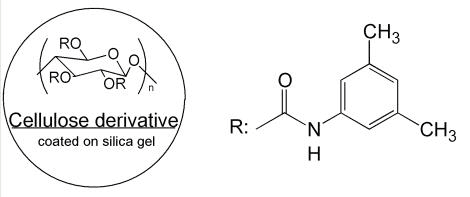
Lux Amylose-1 is a polysaccharide-based chiral phase valued as a complementary, often first-line column for chiral screening because of its broad solvent compatibility and distinct selectivity compared to protein-based CSPs. Financially and operationally it is attractive for routine screening and scale-up due to generally lower cost per run and robustness, so laboratories commonly run it in parallel with protein columns (HSA/AGP/OVM) to maximize hit rates.
Show More Protein Chiral Columns
Phenomenex Lux Amylose-1 Chiral Column
Phenomenex Lux Amylose-1 is a polysaccharide-based column (amylose-derived) rather than a Pirkle-type selector, and it frequently resolves analytes that Pirkle-type phases cannot, making it an essential complementary tool in chiral workflows. Technically it provides broad solvent compatibility and high throughput capacity at competitive pricing, so labs often run Lux Amylose-1 alongside Regis Pirkle columns to maximize hit rates while managing consumable costs.
Show More Pirkle Type Chiral ColumnsWhere to buy Phenomenex Lux Amylose-1 Chiral Column in Canada: the trusted retailers we track in this market, with the best price we have observed at each. Prices are checked regularly and can change, and the retailer confirms the final price at checkout.
We may earn a commission on purchases. It never affects our rankings.
$800 – $1,600
Daicel CHIRALPAK IA Preparative Column
CHIRALPAK IA is an immobilized polysaccharide preparative column prized for its solvent versatility and robustness, making it a top choice for scale-up where method transfer or use of unconventional solvents is required. Compared with coated phases in this list (AD-H, Lux Cellulose-1) it offers broader mobile-phase compatibility and higher loading tolerance, reducing rework and downtime; versus platform-focused options like UPC2/Torus DEA it trades the speed of SFC for greater direct solvent flexibility during preparative LC workflows.
Show More Preparative and Semipreparative Chiral Columns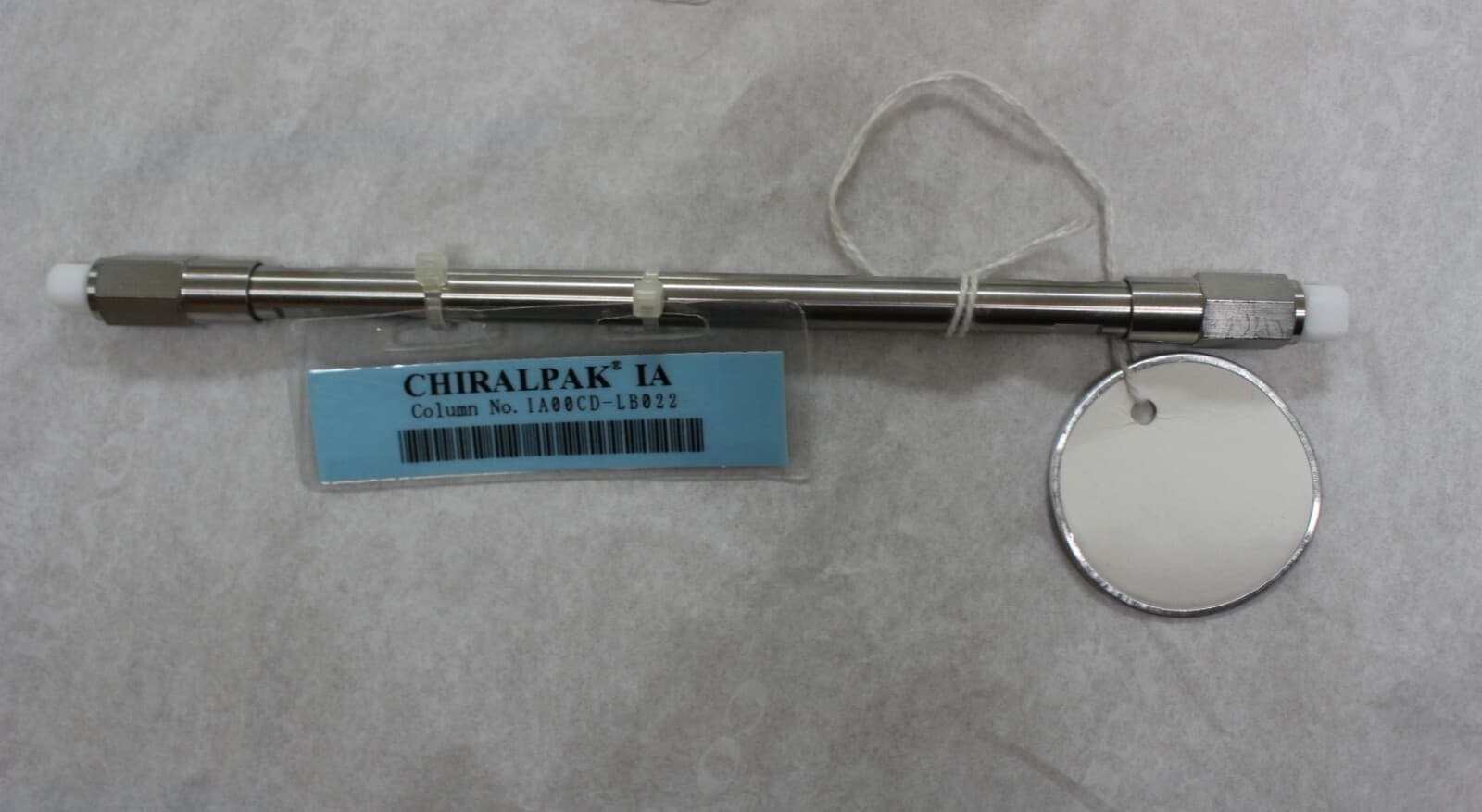
Daicel CHIRALPAK Method Development Kit
Daicel's CHIRALPAK Method Development Kit is widely regarded as best-in-class for initial chiral screening because it bundles a broad, complementary set of polysaccharide-based CSPs that maximize hit rates across diverse chemotypes. Its technical reliability and high reproducibility make method transfer straightforward, and because the kit reduces the need to purchase many single columns individually it is often more cost-effective than buying multiple specialist kits. Compared with other kits on this list, CHIRALPAK offers the deepest historical dataset and vendor support for classic HPLC chiral method development.
Show More Chiral Stationary Phase Screening Kits
Scientific basis and evidence for chiral stationary phases
Chiral stationary phases separate enantiomers by creating transient, diastereomeric interactions between the analyte and a chiral selector on the column surface. The most common selector families include polysaccharide derivatives, protein-based phases, cyclodextrins and Pirkle-type selectors. Peer-reviewed studies and method validation reports show that selector chemistry and chromatographic mode determine selectivity, resolution and robustness. Immobilized selectors extend solvent compatibility and operational lifetime, while coated selectors often provide exceptional selectivity for specific compound classes. Supercritical fluid chromatography and modern reversed-phase methods are supported by literature as faster and greener alternatives for many chiral separations.
Immobilized chiral stationary phases tolerate a wider range of organic solvents, improving method transferability and scale-up potential compared with coated phases.
Coated selectors can offer higher selectivity for some stereochemical motifs, which is useful in early method scouting when maximum resolution is required.
Studies comparing HPLC and SFC demonstrate SFC often reduces solvent consumption and run times, making it attractive for preparative separations and greener workflows.
Reversed phase and polar organic modes are increasingly used for polar and ionizable chiral compounds where normal phase fails to give adequate retention.
Validated methods using these columns routinely meet ICH and Health Canada requirements for enantiomeric purity when paired with appropriate method development and system suitability practices.
Robustness testing in the literature shows that particle size, column dimensions and packing quality significantly influence reproducibility and scale-up success.
Frequently Asked Questions
Which chiral resolution column should I buy for screening?
Daicel CHIRALCEL OD-H is a strong first-choice for chiral screening because it’s a classic cellulose tris(3,5-dimethylphenylcarbamate) coated column widely used for HPLC and SFC chiral screening, with an average rating of 4.8.
What chiral stationary phase is on the Daicel OD-H column?
Daicel CHIRALCEL OD-H uses cellulose tris(3,5-dimethylphenylcarbamate) as its coated chiral stationary phase, and it’s described as widely used for HPLC and SFC chiral screening.
How does Daicel CHIRALCEL OD-H price compare in Canada?
The provided product info does not list a price for Daicel CHIRALCEL OD-H in Canada, but it reports an average rating of 4.8 and common use for HPLC/SFC chiral screening.
Is Daicel CHIRALCEL OD-H good for prolonged aqueous exposure?
Daicel CHIRALCEL OD-H may have limitations with prolonged aqueous exposure because it’s a coated phase; it’s described as widely used for HPLC and SFC chiral screening.
Conclusion
These top 8 chiral resolution columns for Canada in 2026 reflect current demands for robustness, solvent flexibility and regulatory readiness. We hope this guide helped you find the right column for your application. You can refine or expand your search by mode (normal phase, reversed phase, polar organic), selector type (immobilized or coated), particle size, column dimensions or supplier using the search tools on this site.