

Top 5 Redundant PLC Systems for Bridge Cranes in Canada — 2026
High-availability PLC architectures with dual CPUs, hot-standby I/O, and deterministic failover are essential for bridge cranes that perform critical lifts and run continuous processes. In Canada, operators and plant engineers choose redundant PLC systems to minimize downtime, protect personnel and assets, and meet strict safety and regulatory requirements. Buyers favor solutions that combine fast, deterministic failover, clear diagnostics, local service and spare parts availability, and compatibility with common industrial networks used in Canadian facilities. Additional deciding factors include compliance with applicable safety standards, proven field performance in cold or harsh conditions, integration with modern IIoT and predictive maintenance tools, and total cost of ownership versus the cost of operational interruptions.
Inception's AI took the time to understand this market in Canada · · How we pickWe may earn a commission on purchases. It never affects our rankings.
Top Picks Summary
Siemens SIMATIC S7-1500H
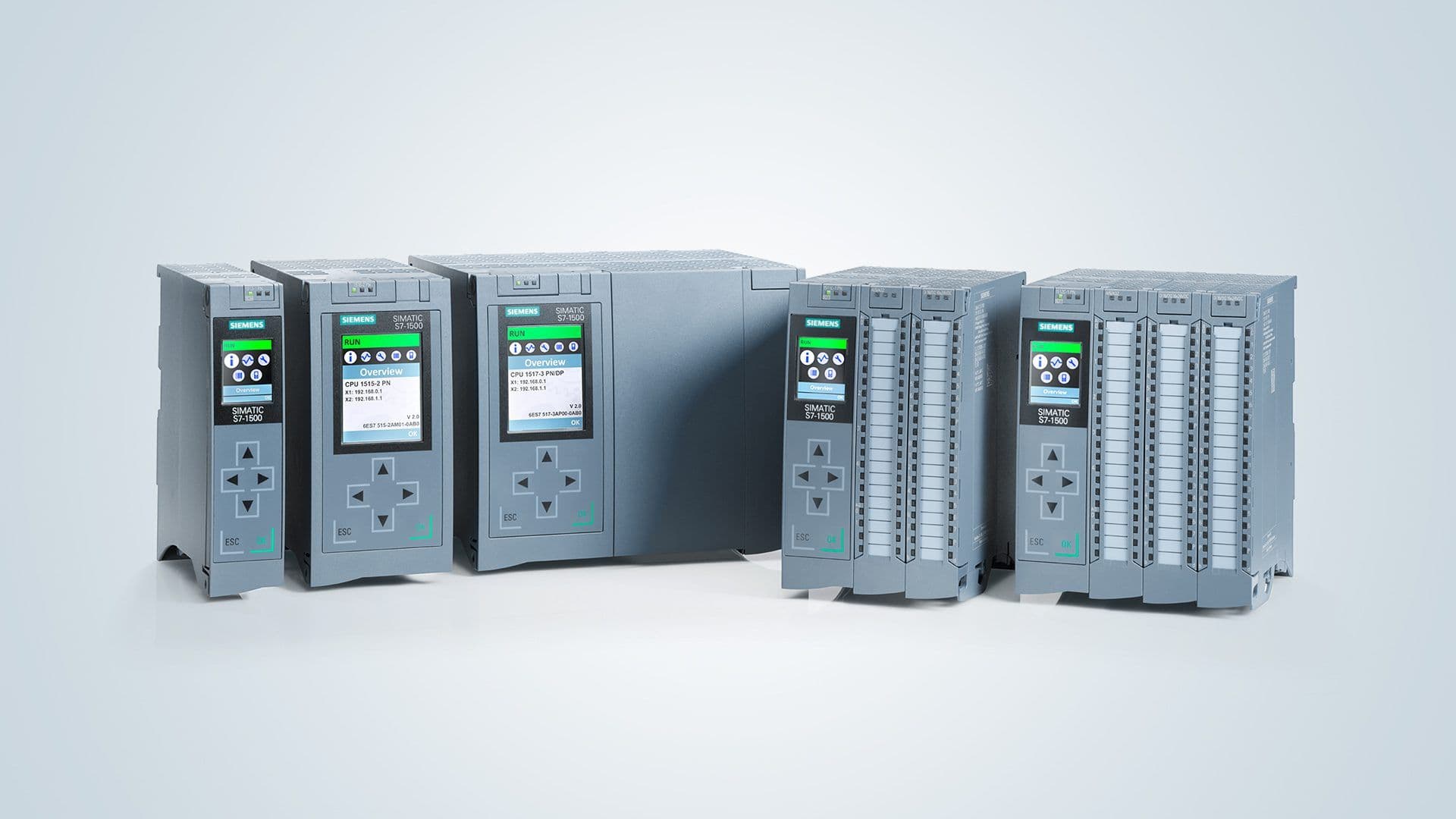
The SIMATIC S7-1500H is Siemens' high-availability PLC engineered for minimal failover times and deterministic behavior, making it best-in-class for bridge-crane applications that demand continuous operation. Its tight integration with TIA Portal, advanced diagnostics and certified redundancy reduce commissioning time and lifecycle costs compared with competitors, while offering broader global service support and more deterministic safety/performance than many PC-based or lower-cost alternatives.
Estimated$8,000 – $30,000
Allen-Bradley ControlLogix 1756 Redundancy System
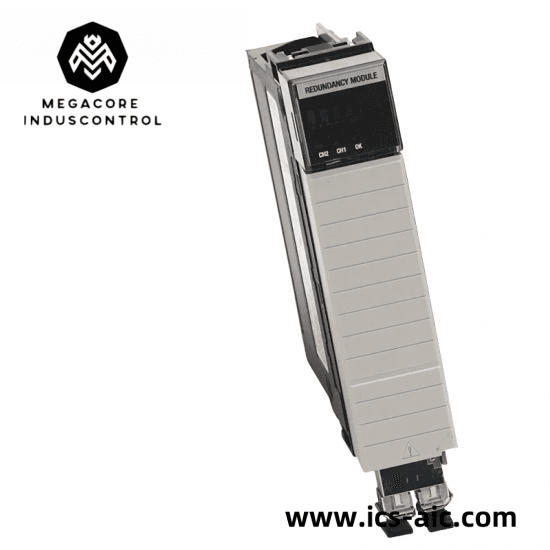
The ControlLogix 1756 Redundancy System from Allen‑Bradley (Rockwell Automation) is a market leader, particularly in North America, offering mature chassis- and controller-level redundancy with field-proven deterministic switchover and a large third-party ecosystem. It generally carries higher upfront hardware and licensing costs than some rivals, but its predictable support model, deep integration with PlantPAx and FactoryTalk, and long track record can lower total cost of ownership for large crane fleets and complex installations.
Estimated$10,000 – $35,000
Schneider Electric Modicon M580 Hot Standby
The Modicon M580 Hot Standby delivers Ethernet-based hot-standby redundancy with an attractive price-to-performance balance and broad industrial protocol support, making it well suited for retrofit bridge-crane projects and multi-vendor networks. Compared with higher-cost proprietary systems it often lowers initial capital expense and simplifies network integration, though mission-critical ultra-low failover-time requirements may still favor Siemens or Rockwell in some deployments.

Estimated$7,000 – $25,000
ABB AC500-S Safety PLC
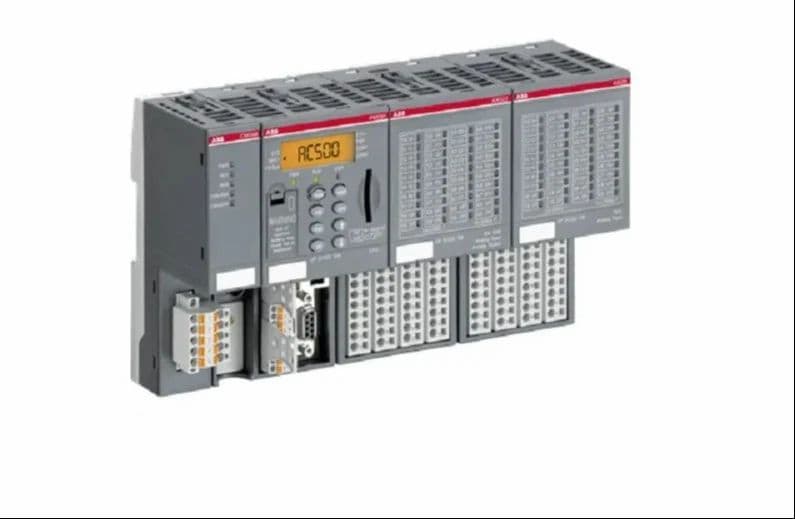
ABB's AC500-S Safety PLC combines safety-rated I/O and SIL-certified control in a compact redundant platform tailored for crane safety functions such as emergency stops and overspeed protection. By integrating safety and standard control it can reduce system complexity and costs versus running separate safety controllers, and it provides stronger functional-safety certification than general-purpose redundant PLCs, though projects focused purely on availability often pair it with a high-availability controller for maximum uptime.
Estimated$6,000 – $18,000
Beckhoff TwinCAT 3 Redundancy Controller
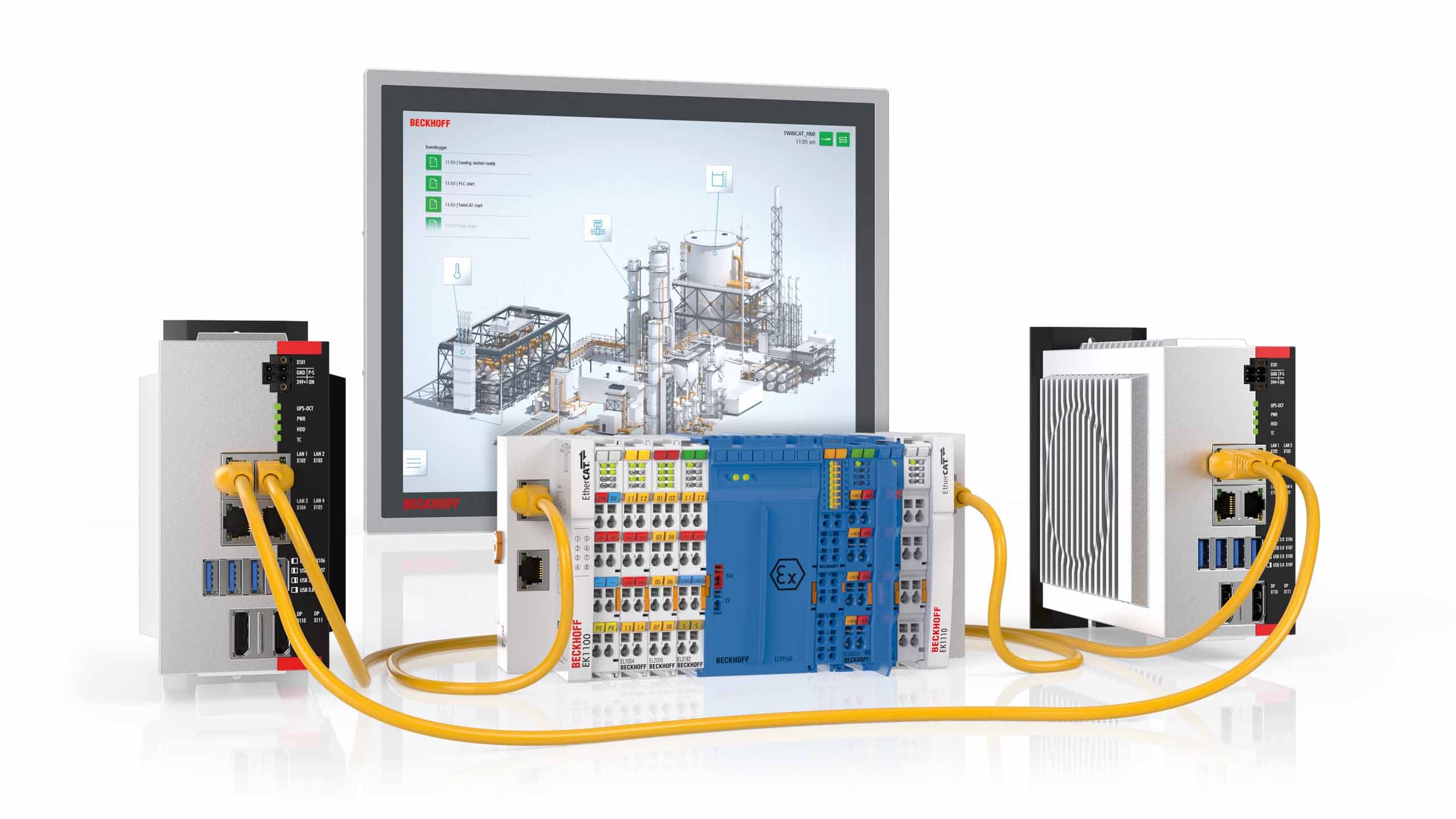
Beckhoff's TwinCAT 3 Redundancy Controller is a PC-based, software-defined redundant solution that leverages EtherCAT for ultra-fast I/O and motion control, offering a lower hardware bill-of-materials and high flexibility for bespoke bridge-crane control strategies. It competes favorably on price and performance with traditional rack PLCs, especially for high-speed crane motion, but requires more in-house software engineering and careful real-time configuration compared with turnkey redundancy offerings from Siemens or Rockwell.
Estimated$5,000 – $22,000
How Redundant PLCs Improve Crane Uptime and Safety
Redundant PLC systems reduce single points of failure by running parallel controllers and duplicating critical I/O and communications. Engineering research and industry case studies show that architectures with hot standby controllers and synchronous I/O dramatically shorten switchover times and preserve control loop continuity, which is vital for maintaining safe crane motion during a hardware fault. Standards and reliability engineering principles support these designs: functional safety standards guide safety component selection and diagnostics, while reliability metrics such as MTBF and mean time to repair show measurable uptime gains when true redundancy is implemented.
Redundancy reduces the likelihood of unscheduled stops by eliminating single points of failure; many industrial case studies report significant downtime reductions after deploying redundant controllers.
Hot-standby architectures with synchronized I/O provide deterministic failover, often keeping control loops running with minimal interruption compared to cold standby approaches.
Functional safety standards such as IEC 61508 and ISO 13849 inform safe design practices and help achieve required Safety Integrity Levels or Performance Levels for crane safety functions.
Deterministic industrial networks like PROFINET IRT, EtherNet/IP with CIP Sync, and time-sensitive networking (TSN) support the low-latency communication needed for coordinated drive and safety systems.
Predictive maintenance and remote diagnostics enabled by modern redundant PLCs reduce mean time to repair and improve lifecycle economics, especially for critical assets operating 24/7.
Frequently Asked Questions
Which redundant PLC system fits bridge cranes best in Canada?
Choose Siemens SIMATIC S7-1500H if you need synchronous dual-CPU redundancy with automatic deterministic failover for continuous crane control, and it rates 4.7 average from buyers.
What redundancy capability does Siemens SIMATIC S7-1500H offer?
Siemens SIMATIC S7-1500H uses synchronous dual-CPU redundancy with automatic deterministic failover to maintain crane control availability, and it includes tight TIA Portal + PROFINET integration; rating is 4.7.
How does Schneider Modicon M580 Hot Standby compare on price?
The provided data doesn’t list a price for Schneider Electric Modicon M580 Hot Standby, but it does show an average rating of 4.5 and hot-standby controllers that automatically take over with minimal disruption.
Is Allen-Bradley ControlLogix 1756 redundancy good for hot-swap I/O?
Allen-Bradley ControlLogix 1756 Redundancy System supports a scalable chassis-based architecture with hot-swap I/O, uses native Studio 5000 engineering, and averages 4.6; warranty duration isn’t provided.
Conclusion
This shortlist highlights five leading redundant PLC platforms suited to Canadian bridge crane applications: Siemens SIMATIC S7-1500H, Allen-Bradley ControlLogix 1756 Redundancy System, Schneider Electric Modicon M580 Hot Standby, ABB AC500-S Safety PLC, and Beckhoff TwinCAT 3 Redundancy Controller. For most Canadian industrial crane operators seeking the best balance of proven redundancy, local support, and broad ecosystem compatibility, the Siemens SIMATIC S7-1500H is a top choice. We hope you found what you were looking for. You can refine or expand your search using the site search to compare features, certifications, and local integrator options.