

Top 5 Geofence & Proximity Control Units for Bridge Crane Safety in Canada - 2026
Geofence and proximity control units enforce virtual boundaries, speed limits and exclusion zones for bridge cranes using Bluetooth Low Energy (BLE), ultra wideband (UWB) or RFID technologies to reduce collision and access risks. These systems integrate with crane controls and safety PLCs to provide automated slowdown, zone-based permissions and real-time alerts that protect people, equipment and cargo. In the Canadian market operators and safety managers prefer solutions that deliver reliable positioning in harsh industrial environments, clear compliance pathways with national and provincial workplace safety expectations, straightforward retrofit options for older cranes, and strong local support. Across manufacturing, ports, mining and construction in Canada the demand is driven by a focus on measurable incident reduction, minimized downtime, and solutions that balance accuracy, wireless robustness and total cost of ownership.
Inception's AI took the time to understand this market in Canada · · How we pickWe may earn a commission on purchases. It never affects our rankings.
Top Picks Summary
Collision Avoidance System CAS
CAS is positioned as a turnkey collision-avoidance and geofencing platform optimized for bridge crane fleets, valued for its straightforward integration and fleet-wide safeguards that reduce downtime and liability exposure. Compared with Symeo's high-precision RTLS, CAS trades sub-centimeter accuracy for lower acquisition and commissioning cost, and it offers broader out-of-the-box interoperability than vision-only systems like Orlaco or single-sensor solutions such as Laserline. For operations seeking fast deployment and cost-effective fleet protection, CAS delivers strong total cost of ownership advantages while still meeting stringent proximity-control requirements.

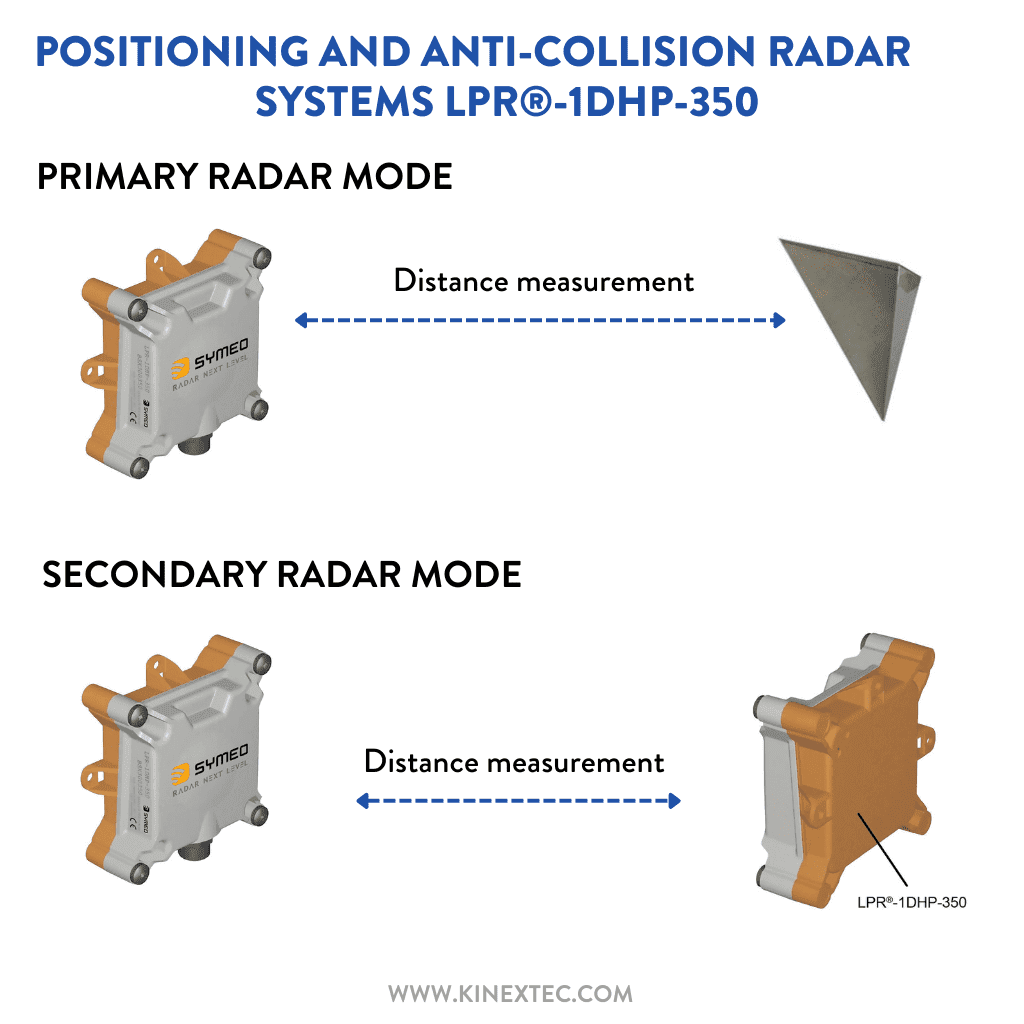
Symeo LPR-1DHP Positioning System
Symeo LPR-1DHP is a market leader for centimeter-level positioning and precise geofence enforcement on bridge cranes, excelling where absolute position accuracy and repeatable proximity control are critical to safety and automation. Technically superior to laser- or camera-based products on this list, it enables tighter operating envelopes and automated speed reduction, though that precision typically comes with higher capital and integration costs compared with CAS, HBC-radiomatic or Laserline. For facilities prioritizing positional certainty to enable high-density operations or advanced automation, Symeo delivers the technical performance that justifies the investment.
Estimated$10,000 – $25,000
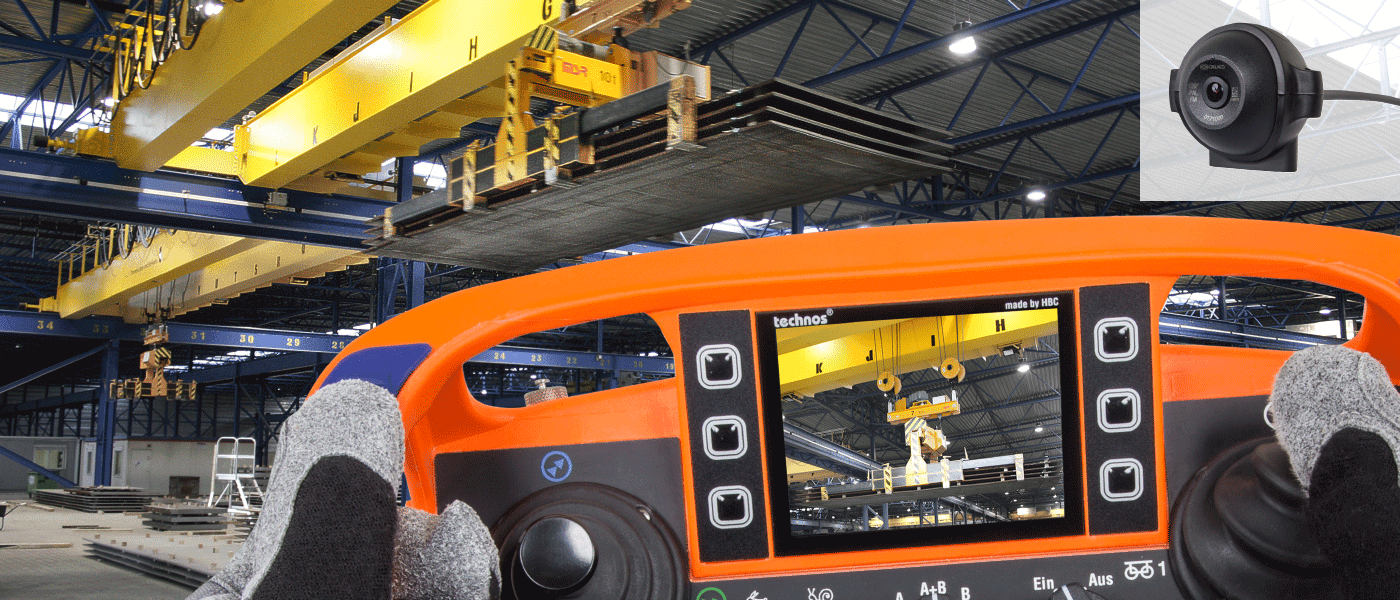
HBC-radiomatic photon Zone Control
HBC-radiomatic photon Zone Control is a rugged, radio-integrated zone-enforcement solution that pairs reliably with existing remote-control systems to implement geofences and soft barriers on cranes with minimal retrofitting. It offers a cost-efficient balance between the inexpensive laser scanners and the higher-cost RTLS platforms: more deterministic than vision systems in poor visibility and less complex to commission than Symeo while providing more formal zone management than basic Laserline proximity alerts. For operations that want dependable zone control tied into radio-remote workflows, HBC-radiomatic provides a pragmatic, lower-risk financial profile.
Estimated$2,000 – $8,000
Orlaco FAMOS Proximity Alert System
Orlaco FAMOS uses camera-based analytics to deliver context-rich proximity alerts and operator-facing visualizations that improve situational awareness beyond simple alarm triggers. Compared with the line-scanning approach of Laserline or radio-positioning from Symeo, FAMOS gives operators actionable visual feedback that reduces human error, though it may require higher upfront costs for cameras and lighting or deeper site preparation. When the goal is to combine geofence enforcement with operator guidance and incident documentation, Orlaco’s camera-centric approach is a best-in-class choice for visibility-driven safety programs.

Estimated$2,500 – $9,000
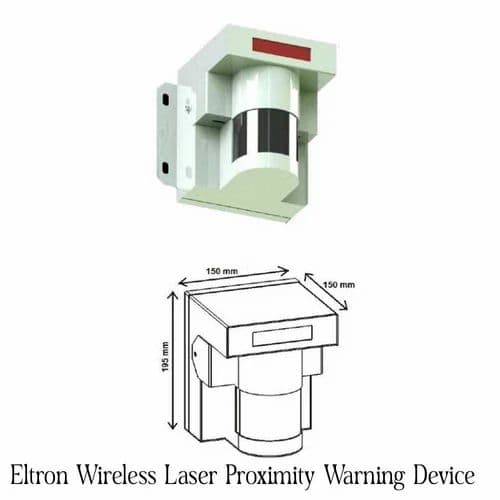
Laserline Proximity Warning System
Laserline provides laser-scanner based proximity detection tailored for bridge cranes, delivering fast, reliable short-range warnings and simple configurable protection zones at a competitive price point. It is generally less expensive and quicker to install than high-precision RTLS like Symeo or camera suites like Orlaco, and it performs robustly in dusty or low-light environments where cameras struggle, although it lacks the absolute positioning detail needed for advanced automation. For sites seeking immediate ROI from improved proximity alerts and basic geofence enforcement, Laserline is a pragmatic, low-complexity choice.
Estimated$1,500 – $6,000
What Research and Industry Evidence Say
Research from location-systems engineering, occupational safety organizations and vendor case studies supports the safety and operational benefits of geofence and proximity systems. Findings emphasize that matching technology to the application matters: UWB offers high positional accuracy for tight exclusion zones, BLE is cost effective for broader geofences and worker presence detection, and RFID is dependable for identity and access control. Integration with safety PLCs and crane controls enables consistent, automated responses that reduce human error and reaction time.
UWB positioning tests in industrial settings typically show submeter to decimeter-level accuracy and low latency, making it well suited for precise exclusion zones and collision avoidance.
BLE-based systems provide economic coverage for larger geofenced areas but usually have lower positional precision than UWB; BLE is often used where room-level presence or speed limits are sufficient.
RFID is widely used for access control and identity confirmation at gates or restricted zones; it is robust, low cost and simple to integrate with permission logic.
Case studies and industry reports indicate meaningful reductions in near-miss incidents and unauthorized entry after deployment, especially when systems are integrated with automated slowdown or stop controls.
Integration with safety PLCs and crane control systems enables deterministic responses (for example, progressive slowdown when entering a restricted zone), which is more reliable than manual intervention alone.
Occupational safety guidance from Canadian authorities and international organizations encourages layered controls; geofence and proximity units are effective when combined with training, signage and procedural controls.
Beyond safety, operators commonly report productivity benefits from reduced downtime and faster incident resolution, improving return on investment over the lifecycle of the equipment.
Frequently Asked Questions
Which bridge crane geofence unit should I buy for fleets?
Collision Avoidance System CAS is a turnkey collision-avoidance and geofencing platform for bridge crane fleets, with integrated alarms and digital outputs to interface with crane PLCs for automatic slow/stop actions, rated 4.5.
What exact feature does Symeo LPR-1DHP provide for zones?
Symeo LPR-1DHP supports dynamic geofences and position-triggered safety logic for automated access control, delivering high-precision real-time positioning designed for overhead crane localization and zone enforcement, rated 4.4.
How do prices compare for these bridge crane geofence units?
Pricing isn’t provided for Collision Avoidance System CAS, Symeo LPR-1DHP, or HBC-radiomatic photon Zone Control in the supplied details, so I can’t compare Canada prices or value per unit.
Does HBC-radiomatic photon Zone Control integrate with existing remote controls?
Yes—HBC-radiomatic photon Zone Control is designed to integrate directly with HBC-radiomatic controls for seamless operator interaction, and it uses failsafe outputs to reduce speed or stop when a zone breach is detected, rated 4.3.
Conclusion
In Canada, geofence and proximity control units are a practical, technology-driven route to safer bridge crane operations. The page highlights five leading options: Collision Avoidance System CAS, Symeo LPR-1DHP Positioning System, HBC-radiomatic photon Zone Control, Orlaco FAMOS Proximity Alert System, and Laserline Proximity Warning System. For most precision-critical crane applications the Symeo LPR-1DHP Positioning System stands out as the best overall choice because of its high positional accuracy and flexible integration options. If you need collision-focused behavior, the Collision Avoidance System CAS and Laserline Proximity Warning System are strong choices; HBC-radiomatic photon provides reliable zone control and Orlaco FAMOS adds visual and audible proximity alerts. I hope you found what you were looking for; you can refine or expand your search using the site search to compare features, certifications and Canadian support options.