

Commercial Truck Steer Tires: Top 5 Options in Canada for 2026
Published on Saturday, January 24, 2026
Commercial truck steer tires are high-stability tires engineered for front-axle steering that deliver precise handling, even wear, and strong wet traction for highway and regional routes. In Canada, fleet managers and owner-operators prioritize steer tires that balance low rolling resistance for fuel savings, long tread life to reduce downtime and replacement costs, reliable wet- and cold-weather performance for seasonal conditions, and robust construction for retreadability. Increasing emphasis on sustainability and total cost of ownership has pushed manufacturers to improve compound chemistry, tread design, and casing strength. These trends make 2026 steer tires particularly appealing to Canadian fleets that need dependable highway handling, consistent wear across long runs, and confidence on wet or variable road surfaces.
Top Picks Summary
Michelin X Line Energy Z
The Michelin X Line Energy Z is positioned as the premium choice for commercial truck steer tires thanks to its low rolling resistance compound and proven mileage, which together lower total cost of ownership on long-haul fleets. Its technical advantages—consistent wear, strong wet performance, and fuel economy—typically deliver longer service life than many competitors on this list, offsetting a higher upfront price. Compared with the budget-friendlier or equally fuel-focused options here, Michelin emphasizes longevity and predictable lifecycle value for high-mileage applications.
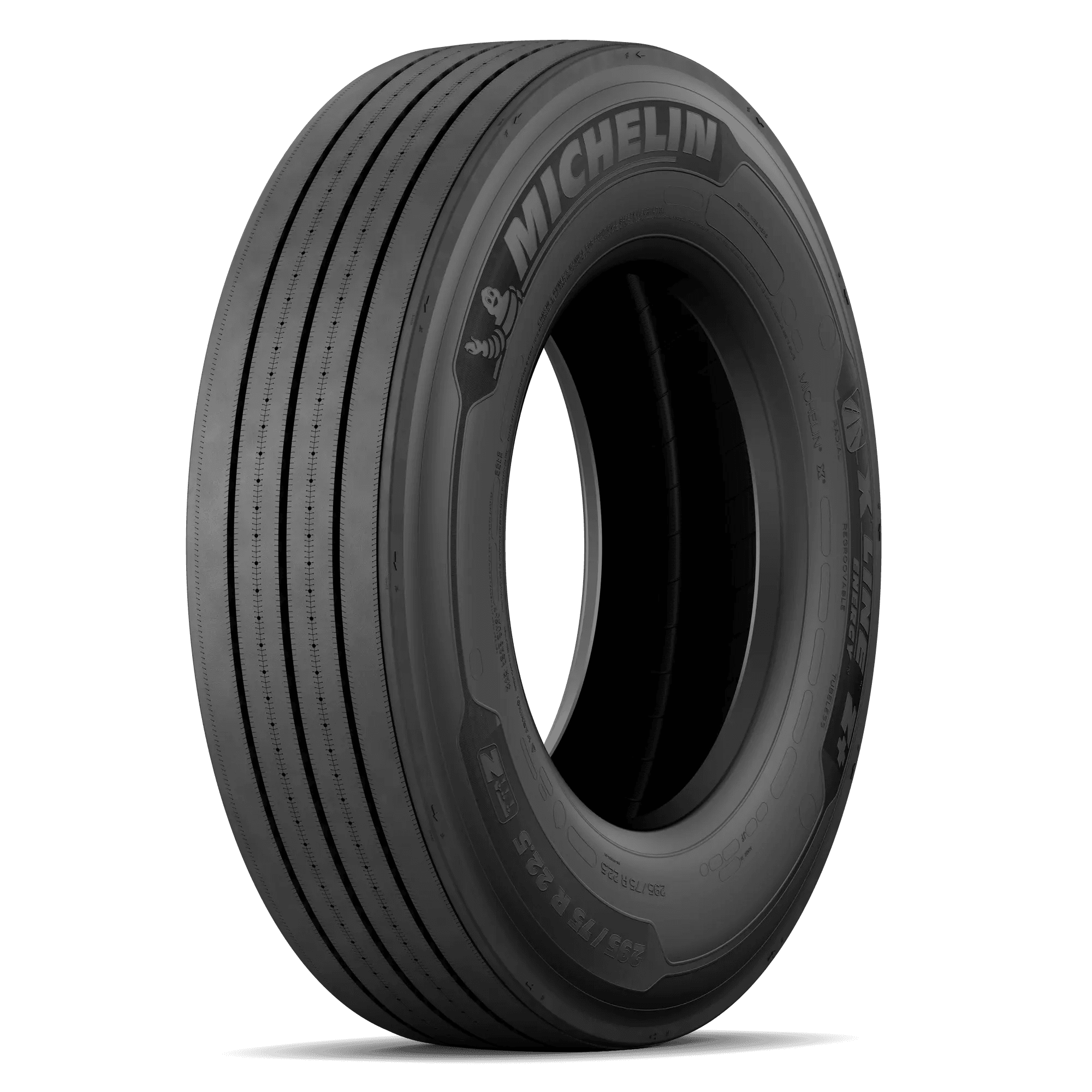
Where to buy Michelin X Line Energy Z in Canada: the trusted retailers we track in this market, with the best price we have observed at each. Prices are checked regularly and can change, and the retailer confirms the final price at checkout.
We may earn a commission on purchases. It never affects our rankings.
$550 – $850
Bridgestone R283A Ecopia
The Bridgestone R283A Ecopia balances fuel efficiency with a competitive purchase price, offering a tuned tread pattern and compounding aimed at reducing rolling resistance on steer axles of commercial trucks. Technically it competes closely with Michelin and Continental on fuel savings but often at a slightly lower upfront cost, making it attractive for fleets seeking improved economy without the top-tier premium. Its blend of durability and value makes it a strong middle-ground alternative among these commercial steer tire options.

Where to buy Bridgestone R283A Ecopia in Canada: the trusted retailers we track in this market, with the best price we have observed at each. Prices are checked regularly and can change, and the retailer confirms the final price at checkout.
We may earn a commission on purchases. It never affects our rankings.
$520 – $800
Goodyear Assurance Fuel Max
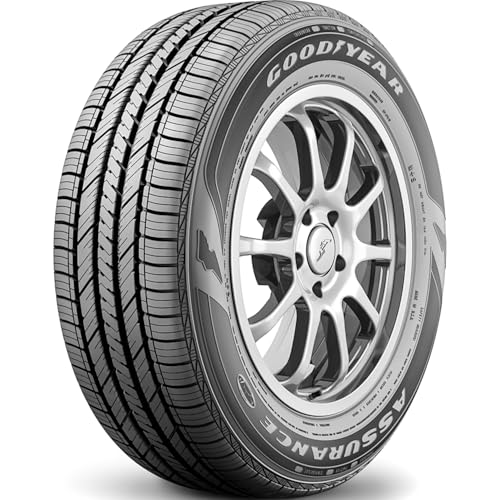
The Goodyear Fuel Max RSA focuses on immediate fuel savings and stable handling for commercial steer applications, with an engineered tread that promotes low rolling resistance and even wear. Financially it aims to deliver rapid payback through lower fuel consumption and competitive pricing, placing it as a practical choice for fleets prioritizing operational savings over maximum mileage. Compared to the high-mileage Michelin or the retread-friendly Continental, Goodyear emphasizes near-term economy and reliable wet-weather performance.
Continental Conti EcoPlus HS3
The Continental Conti EcoPlus HS3 is engineered for efficiency and retreadability, offering low rolling resistance and a carcass-friendly design that extends service life through multiple retreads—lowering long-term procurement costs for fleets. Technically it stands out for its heat management and predictable wear, making it a cost-effective choice versus single-life-focused tires and a strong competitor to Michelin on lifecycle value. For operators who plan retreads as part of their maintenance strategy, Continental provides a financially compelling technical package.

Toyo M144
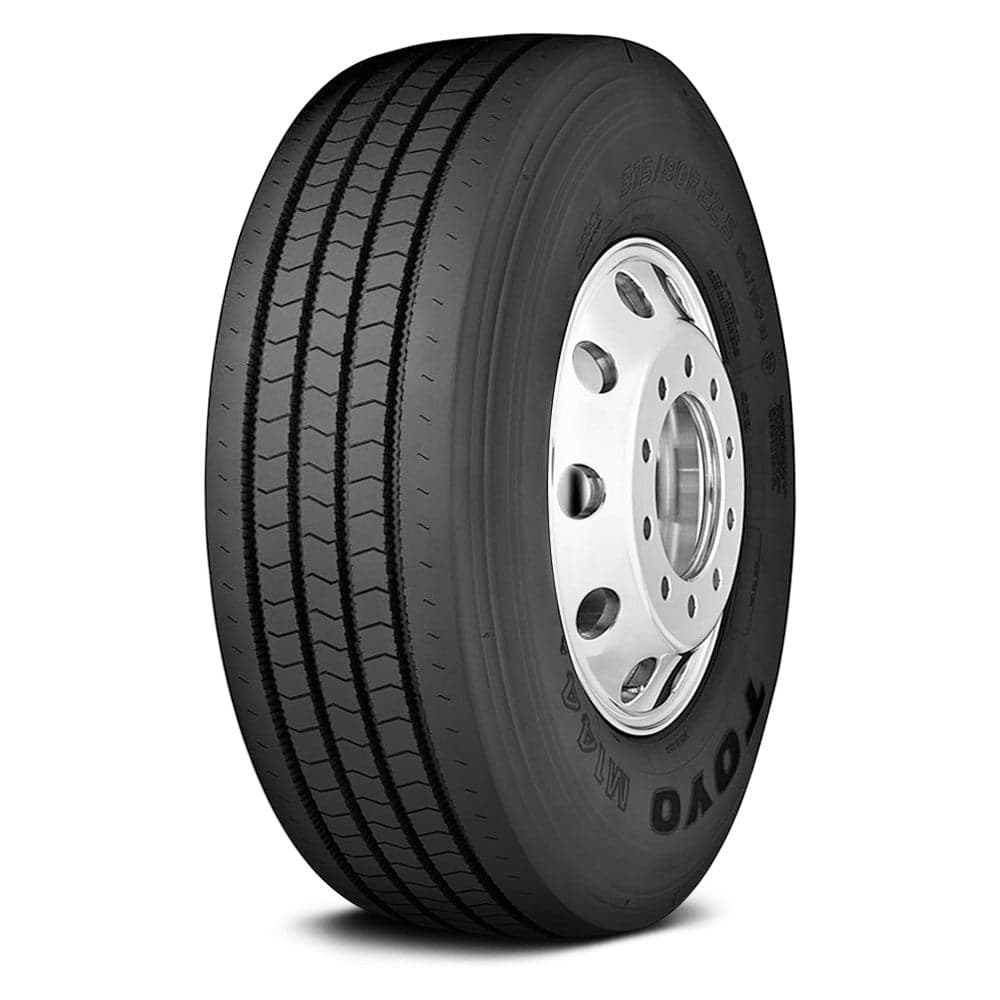
The Toyo M144 is a practical steer tire option that combines solid mileage and a competitive purchase price, aimed at regional and mixed-service commercial fleets looking for value and durability. While it may not lead the pack in maximum fuel savings or premium longevity, its lower entry cost and dependable wear characteristics make it a budget-friendly alternative when compared with the higher-end Michelin or the retread-oriented Continental. Toyo’s strength here is delivering acceptable technical performance with a focus on reducing upfront fleet expenditure.
What research and testing say about steer tire benefits
Laboratory testing, independent lab comparisons, and real-world fleet trials consistently confirm the performance advantages of modern steer tire design. Improvements in compound formulation, tread pattern geometry, and casing construction translate into measurable benefits: lower rolling resistance means reduced fuel consumption; optimized groove and siping designs improve water evacuation and wet traction; and engineered shoulder blocks and casing reinforcements produce more even wear and longer service life. While exact gains vary by vehicle, load, route, and maintenance, a combination of lab data and fleet testing gives a reliable picture of what fleets can expect when they choose steer tires built for highway and regional duty.
Rolling resistance: Advances in silica-rich compounds and tread geometry reduce energy loss and can lower fuel use in long-haul highway service.
Wet traction: Circumferential grooves, lateral channels, and siping designs improve water evacuation and reduce hydroplaning risk on wet roads.
Even wear: Stiffer shoulders and optimized footprint distribution contribute to uniform abrasion and longer tread life when tires are properly aligned and rotated.
Durability and retreadability: Stronger casing construction and reinforced bead areas improve resistance to damage and support multiple retreads, lowering total cost of ownership.
Real-world validation: Independent lab tests and fleet trials remain the gold standard for assessing how a steer tire performs across different climates, loads, and maintenance practices.
Frequently Asked Questions
Which commercial steer tire should fleets pick for longevity?
For long-haul fleets focused on mileage and lower total cost of ownership, choose the Michelin X Line Energy Z, rated 4.6 and built with a low rolling resistance compound plus engineered even tread wear and extended mileage.
What feature helps the Bridgestone R283A Ecopia reduce rolling resistance?
The Bridgestone R283A Ecopia uses an Ecopia compound that reduces rolling resistance for improved fuel economy, and it’s rated 4.5.
How does the Goodyear Fuel Max RSA price compare here?
The Goodyear Fuel Max RSA lists at CAD 307.26 and is rated 4.5, with a tread design aiming for low rolling resistance and even wear plus casing built for multiple retreads to lower lifecycle cost.
Who is the Goodyear Fuel Max RSA designed for?
The Goodyear Fuel Max RSA is designed for commercial steer applications on the front axle, and its key features include durable shoulder design to resist irregular wear and casing built for multiple retreads; warranty details weren’t provided.
Conclusion
For Canadian fleets and owner-operators seeking dependable steer tires in 2026, these five models represent top choices: Michelin X Line Energy Z, Bridgestone R283A Ecopia, Goodyear Fuel Max RSA, Continental Conti EcoPlus HS3, and Toyo M144. Each offers strengths—fuel efficiency and longevity stand out with the Michelin X Line Energy Z, Bridgestone brings proven Ecopia low rolling resistance technology, Goodyear focuses on balanced fuel and wet performance, Continental emphasizes even wear and fuel savings, and Toyo delivers value with solid regional handling. Overall, the Michelin X Line Energy Z stands out as the best all-around choice for highway and regional Canadian fleets because of its blend of fuel economy, wet traction, and long tread life. We hope you found what you were looking for. You can refine or expand your search using the site search to compare sizes, load ratings, and regional suitability.