Retinyl Acetate Supplements in Canada — 2026 Guide (Top 5 Options)
Published on Monday, January 26, 2026
Retinyl acetate is a vitamin A ester used in some supplements and fortified foods to support vision, immune function, skin health, and normal growth. In Canada, consumers choose vitamin A supplements for targeted support when dietary intake is inadequate, for convenience compared with dietary sources, and because retinyl acetate is a stable, well-understood synthetic form of preformed vitamin A. By 2026, Canadian shoppers are emphasizing third-party testing, clear labeling, dose transparency, and pregnancy safety warnings. At the same time, interest in whole-food sources and plant-based provitamin A (beta-carotene) remains high. Given recent regulatory attention on vitamin A dosing and teratogenic risk during pregnancy, many buyers in Canada prefer lower-dose formulations, multivitamins balanced to avoid exceeding tolerable upper limits, or evidence-backed brands that publish testing and Certificates of Analysis.
Top Picks Summary
What the Science Says About Retinyl Acetate
Retinyl acetate provides preformed vitamin A, which the body can use directly for essential functions such as vision (retinal function), immune responses, and cellular differentiation. Scientific literature supports vitamin A's role in maintaining normal vision and immune competence, though benefits from supplemental preformed vitamin A depend on baseline nutritional status and dose. High-dose or chronic supplementation can cause toxicity and must be avoided, especially in pregnancy. Research often distinguishes between dietary vitamin A, supplemental preformed vitamin A (retinol esters like retinyl acetate), and provitamin A carotenoids (beta-carotene), with different risk and benefit profiles.
Essential functions: Vitamin A is required for normal night vision, epithelial tissue health, and immune function. Adequate intakes reduce risk of deficiency-related symptoms.
Form differences: Retinyl acetate is a preformed vitamin A ester and is converted to retinol in the body. It is more directly bioavailable than provitamin A carotenoids but carries higher toxicity risk at high doses.
Efficacy evidence: Supplementation shows clear benefit for people with vitamin A deficiency. For well-nourished adults, routine high-dose supplementation offers limited additional benefit and can pose risk.
Safety and pregnancy: High intakes of preformed vitamin A have been associated with birth defects when taken in excess during early pregnancy. Health authorities recommend that pregnant people avoid high-dose preformed vitamin A supplements and consult a health professional.
Dosing guidance: In adults, the recommended dietary allowance (RDA) is about 700 micrograms RAE for women and 900 micrograms RAE for men. The tolerable upper intake level (UL) is 3000 micrograms RAE per day, equivalent to approximately 10,000 IU of retinol; staying below the UL reduces toxicity risk.
Regulatory context: Canadian guidance mirrors international caution: choose products with clear labeling, avoid unnecessary high-dose preformed vitamin A, and prioritize third-party tested brands when possible.
Topical vs oral: Many skin benefits linked to 'retinol' in dermatology come from topical retinoids. Oral retinyl acetate acts systemically and is not a substitute for topical treatments.
Frequently Asked Questions
Which vitamin A 10,000 IU retinyl acetate is best value?
For mainstream Canadian access and consistent dosing, Jamieson Vitamin A 10,000 IU (retinyl acetate) is a solid pick with a 4.5 rating and a $6.97 listing price.
Jamieson Vitamin A softgels use what form exactly?
Jamieson Vitamin A 10,000 IU delivers 10,000 IU per softgel as retinyl acetate, with convenient daily dosing in softgel format.
How does NOW Foods Vitamin A 10,000 IU compare price?
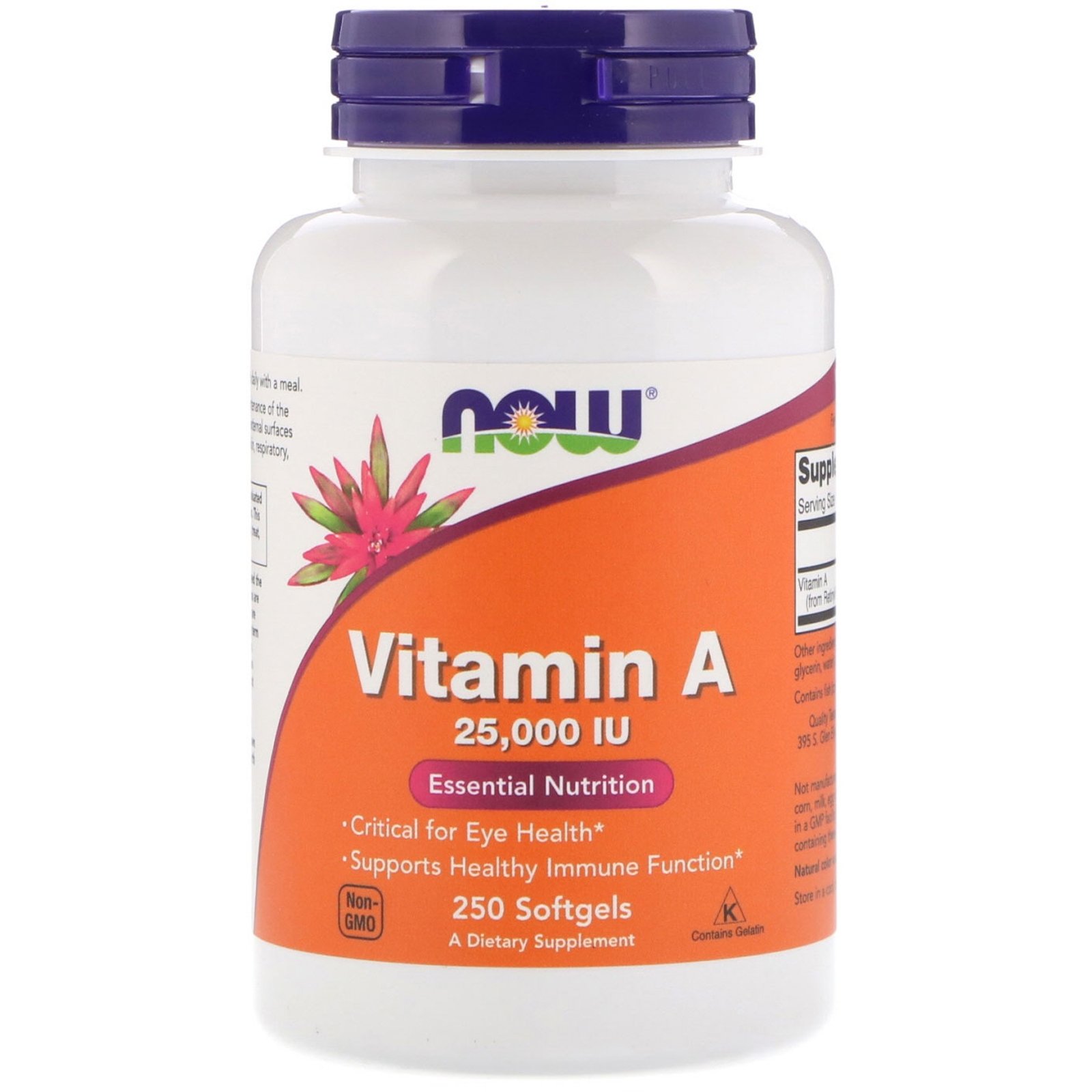
NOW Foods Vitamin A 10,000 IU is listed at $24.89 and is a retinyl acetate 10,000 IU softgel, so it costs more than Jamieson ($6.97) and Webber Naturals ($8.97).
Who should choose Webber Naturals Vitamin A 10,000 IU instead?
Choose Webber Naturals Vitamin A 10,000 IU if you want a 10,000 IU retinyl acetate softgel/capsule at a $8.97 listing price, rated 4.3, since it’s positioned as an affordable Canadian basic supplement option.
Conclusion
In Canada for 2026, retinyl acetate remains a valid source of preformed vitamin A but requires careful dosing and product selection. Our strict review criteria identified zero supplements that qualified as top picks this year, so consider lower-dose multivitamins, food-first approaches, or products with third-party testing and clear pregnancy guidance. We hope this page helped you understand retinyl acetate and what to look for. Use the search to refine or expand your results by dose, testing status, or alternative vitamin A forms.