

Top 6 Cat Litters in Canada for 2026: Top Options for Clumping, Biodegradable, Silica & Odor Control — Which One Fits Your Home?
This curated category examines the top 6 cat litters available in Canada for 2026, covering clumping and non-clumping formulas, biodegradable plant-based and paper litters, silica gel crystal options, and advanced odor-control blends. Each option is evaluated for absorbency, low dust, tracking, scent, and environmental preference so you can match performance to household needs — from single-cat apartments to busy multi-cat homes. Canadian shoppers increasingly prioritize litters that control ammonia odor year-round, reduce airborne dust for allergy-prone households, and limit environmental impact through biodegradable materials or reduced packaging. Practical concerns such as kitten safety, flushability and compatibility with municipal composting rules also shape buying decisions across provinces, making the right litter both a health and lifestyle choice.
Inception's AI took the time to understand this market in Canada · · How we pickWe may earn a commission on purchases. It never affects our rankings.
Top Picks Summary
Catit Go Natural Pea Husk Clumping Cat Litter is a cost-conscious, biodegradable option that uses pea-husk fibers to deliver low dust and a light-weight, low-tracking experience appealing to eco-minded and budget shoppers. Its technical strength is in renewability and reduced particulate generation, though clumps tend to be softer than dense clays and may require more frequent top-ups in very busy boxes. Against the heavier clay and baking-soda formulas on this list it offers an attractive environmental profile and lower upfront cost while still addressing the core low-dust clumping use case.
Show More Clumping Cat Litter
Yesterday's News Original Unscented is a paper-based non-clumping litter prized for high absorbency and a soft texture, making it well-suited to multi-cat homes with kittens or cats with medical sensitivities; relative to clay and pellets it generates minimal dust and is very lightweight, though it typically requires more frequent full replacement than longer-lasting pellet litters. Its recycled-fiber makeup can translate to cost savings on cleanup and lower tracking-related waste compared with some perfumed or heavy mineral competitors.
Show More Non Clumping Cat Litter
We may earn a commission on purchases. It never affects our rankings.
$23.99CAD
Catit’s silica crystal litter is known for consistent quality and low dust formulation, offering a balanced mid‑range option between budget and premium silica litters. It competes well on reliability and user trust—often priced below specialty ultra-micro varieties while still providing strong odor control and good compatibility with both manual and automated boxes.
Show More Silica Crystal Cat Litter
We may earn a commission on purchases. It never affects our rankings.
$36.99CAD
Canadian Pine Cat Litter is featured for its clear value proposition: regionally sourced pine pellets that emphasize natural scent control and a lower carbon footprint for buyers in North America. It typically sits between discount and premium price points, offering better pellet integrity and odor control than the cheapest options while remaining less costly than highly processed clumping wood litters like Ökocat.
Show More Wood Pellet Cat Litter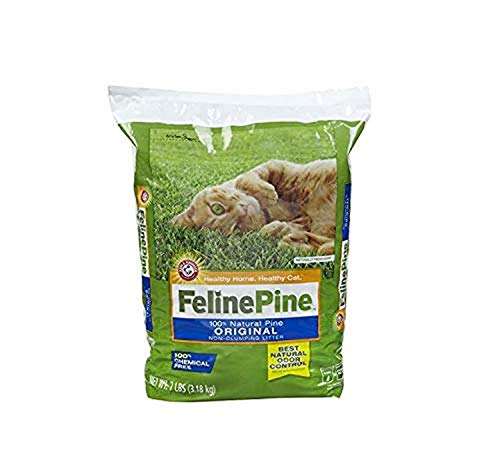
Estimated$20 – $40
Purina Yesterday's News Softer Texture builds on the original formula by refining pellet size and feel for gentler paws and reduced tracking, making it a better fit for kittens and senior cats; that targeted technical tweak typically carries a modest premium over the Original Unscented. It aims to bridge the gap between the value-oriented Fresh News and higher-cost eco-litters like ökocat by delivering a comfort-focused product with Purina's broad distribution and predictable quality.
Show More Paper Pellet Cat Litter
We may earn a commission on purchases. It never affects our rankings.
Estimated$15 – $30
Sustainably Yours Multi-Cat Plus Litter differentiates itself by combining corn-pellet bio-based materials with multi-cat targeted odor control and enhanced clumping properties, appealing to environmentally minded households that need higher-performance odor management. Compared with mainstream corn-cob and horse-bedding alternatives, it often commands a premium but delivers technical advantages for heavy-use households—reduced tracking, compostability, and stronger odor suppression per scoop.
Show More Corn And Grain Cat Litter
We may earn a commission on purchases. It never affects our rankings.
$30.99CAD$61.49
What Research and Expert Guidance Say About Cat Litter Benefits
Evidence from veterinary guidance and materials science helps explain why different litter types perform the way they do. Understanding the basic mechanisms behind clumping, absorbency, odor control and dust generation makes it easier to choose a product that balances cat comfort, homeowner convenience and environmental concerns.
Clumping action: Many clumping litters use bentonite clay, which swells and binds urine into firm clumps. This makes scooping more efficient and can reduce ongoing ammonia release when clumps are removed promptly.
Absorbency and silica: Silica gel and other high-surface-area materials trap moisture effectively and can reduce visible wetness in the box. They are especially effective at reducing litter box odor between full changes.
Odor control mechanisms: Odor-control is achieved through physical absorption (carbon or silica), chemical neutralization (baking soda or zeolites) and biological enzyme additives that break down odor-causing compounds. Combining approaches often yields the best real-world results.
Dust and respiratory health: Low-dust formulas and non-crystalline materials are recommended for households with people or cats that have respiratory sensitivities. Research and veterinary guidance note that airborne particulates can aggravate feline asthma or human allergies.
Biodegradable litters: Plant-based litters (wood, corn, wheat, pea husk and paper) and biodegradable pellets reduce the long-term environmental footprint compared with mined clays, but performance varies by formula and may require more frequent full changes in some situations.
Environmental trade-offs: No option is perfect. Bentonite clay offers strong clumping and convenience but is a mined resource with higher extraction impacts. Biodegradable litters use renewable feedstocks but can require more frequent replacement or different disposal methods. Local composting and municipal rules vary, so check what your municipality accepts.
Safety and ingestion: Small amounts of ingested plant-based or clay litter are typically not harmful, but persistent ingestion can indicate medical or behavioral issues and should prompt a vet consult. Kittens and very small animals need litter specially formulated for their safety.
Real-world testing matters: Laboratory metrics like absorption rate and dust particle counts are useful, but owner trials for tracking, cat acceptance and odor control in Canadian living conditions provide the most actionable guidance.
Frequently Asked Questions
Which litter on this page tracks the least outside the box?
The two pellet and crystal picks track least. Fresh News Recycled Paper Original Pellet Cat Litter uses large soft paper pellets that hold their shape instead of clinging to paws, and LaSyL Premium Crystal Cat Litter is sold as a low-tracking, non-clumping silica gel. Fine-grain clay litters like Cat's Pride Lightweight scatter more.
What exact feature helps Catit Go pea husk clump faster?
Catit Go Natural Pea Husk Clumping Cat Litter forms quick clumps, using a pea-husk based formula that's lightweight yet absorbent for easier scooping.
Is the paper pellet litter cheaper than the silica crystal litter?
Yes. Fresh News Recycled Paper Original Pellet Cat Litter is listed at $23.99 CAD for the 12-pound bag, while LaSyL Premium Crystal Cat Litter is listed at $36.99 CAD — the most expensive pick on this page.
Who are paper pellet litters best for, and who should skip them?
Fresh News Recycled Paper Original Pellet Cat Litter suits households that want an unscented, very low-dust litter made from 100% post-consumer recycled paper, with baking soda added to help neutralize tray odors. Skip it if you want scoopable clumps: it is non-clumping, so you change the tray rather than scoop clumps out of it.
Conclusion
Whether you prioritize low dust for a sensitive household, robust clumping for easy scooping, or a biodegradable formula for a greener footprint, the top six options listed here reflect the best balance of performance and availability in Canada for 2026. We hope this guide helped you narrow the field and find a litter that fits your cat and home. If you want to refine results by price, scent, kitten safety or disposal method, use the search to expand or narrow your choices.