

Black Friday 2026: Best Wood Pellet Cat Litters in Canada
As cat owners increasingly seek more natural, eco-friendly solutions for their feline companions, wood pellet cat litter has become a popular choice in Canada. Known for their excellent odor control, low dust production, and sustainability, wood pellet cat litters offer numerous benefits that appeal to both pets and their owners. These products typically consist of compressed pine wood, which absorbs moisture and neutralizes smells effectively. With a growing concern for the environment, consumers appreciate the biodegradable nature of wood pellets, making them not only effective but also a responsible choice. Shifting away from traditional clay litters, more cat owners are turning to wood pellets for their unique advantages. Whether you have one cat or several, choosing a litter that minimizes dust is essential for maintaining a clean home and promoting better respiratory health for both pets and people. Furthermore, the ease of cleaning and the ability to compost these products further elevate their appeal. In this guide, we will review the top five wood pellet cat litters available in Canada for 2026, helping you decide which option is the best fit for your household. With expert reviews and insights, we aim to take the guesswork out of finding the ideal litter that meets your needs for odor control, low dust, and eco-friendliness.
Inception's AI took the time to understand this market in Canada · · How we pickWe may earn a commission on purchases. It never affects our rankings.
Top Picks Summary
Feline Fresh Natural Pine Pellet Cat Litter
Feline Fresh Natural Pine Pellet Cat Litter tops the list for its consistent pellet size and strong natural pine odor control that makes it a go-to for owners prioritizing low-dust, low-tracking performance. It trades a slightly higher per-bag price for longer-use efficiency and superior moisture locking compared with basic bulk pine pellets, making it cost-effective for households that value longevity and cleaner boxes over the lowest upfront cost.

Simply Pine Natural Cat Litter
Simply Pine Natural Cat Litter earns its place as a budget-friendly, no-frills pine pellet option that performs well on absorption and odor control for the price-conscious shopper. While not as refined in pellet uniformity as premium brands like Feline Fresh or clumping alternatives like Ökocat, its lower unit cost and solid biodegradability make it a strong value choice for multi-cat homes or those buying in bulk.
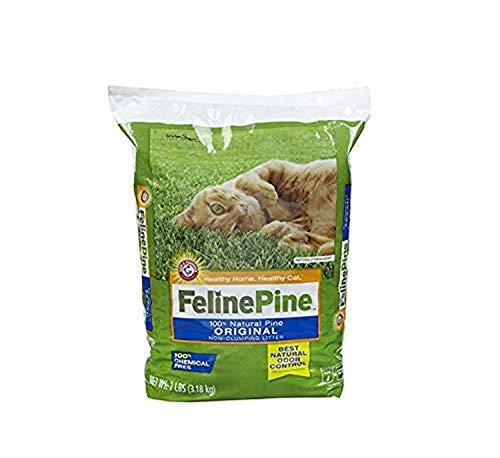
Estimated$15 – $30
Ökocat Natural Wood Clumping Cat Litter
Ökocat Natural Wood Clumping Cat Litter stands out technically because it brings true clumping behavior to wood-based litters, giving many pet owners the scoop-and-remove convenience of clay with the environmental benefits of wood. It usually carries a mid-to-premium price tag, but its clumping efficiency reduces overall consumption and cleanup time compared with loose pellet products, positioning it as the best technical compromise between performance and sustainability in the list.

We may earn a commission on purchases. It never affects our rankings.
$22.00CAD
Canadian Pine Cat Litter
Canadian Pine Cat Litter is featured for its clear value proposition: regionally sourced pine pellets that emphasize natural scent control and a lower carbon footprint for buyers in North America. It typically sits between discount and premium price points, offering better pellet integrity and odor control than the cheapest options while remaining less costly than highly processed clumping wood litters like Ökocat.
Estimated$20 – $40
Wood pellet cat litters are distinguished by their biodegradable composition and efficiency in odor control. Their low dust formulation ensures a healthier environment for both cats and families, while their clumping abilities simplify cleanup. Additionally, these litters are sustainable products that cater to the growing demand for eco-friendly pet care solutions, offering both performance and peace of mind.
Research and Science Behind Wood Pellet Litters
Scientific and technical work on wood-based bedding and litter focuses on how wood fiber structure, natural compounds in softwoods, and manufacturing methods affect absorption, odor control, dust, and environmental impact. Findings are generally accessible and helpful for first-time pellet users: wood pellets absorb moisture into pores and fibers, certain softwoods contain natural compounds that can reduce odor-causing bacteria and ammonia volatility, and the manufacturing energy and end-of-life biodegradability often compare favorably to mined clay litters. Research also flags trade-offs — pellets can produce fine particles as they break down and perform differently in humid environments — so real-world testing and following best-practice box care are important.
Natural wood compounds: Studies indicate that terpenes and other naturally occurring compounds in pine can inhibit some odor-causing bacteria, which helps reduce ammonia smell in small to moderate use litter boxes.
Absorption mechanism: Compressed pellets rely on fiber porosity and lignin/cellulose structure to wick and lock in moisture; when wetter they break down into sawdust that can be removed or composted.
Dust and respiratory exposure: Compared with bentonite clay litters, many wood-based litters generate less fine respirable silica and lower overall dust when handled and poured, which can be beneficial for people and cats with mild respiratory sensitivities.
Environmental impact: Life-cycle analyses and compostability assessments generally show that sustainably sourced wood pellets can have a lower end-of-life burden than non-biodegradable clay litters, though sourcing and transportation affect the total footprint.
Limitations identified by research: High humidity and heavy multi-cat use accelerate pellet breakdown and can mean more frequent litter changes; some studies and user trials recommend trialing pellet types to confirm cat acceptance and to adapt cleaning routines.
Frequently Asked Questions
Which wood pellet litter is best for low-dust homes?
Feline Fresh Natural Pine Pellet Cat Litter is the pick for low-dust homes. It is made from natural pine pellets, lists at $58.98 CADper bag and has a 4.5 rating.
Does Ökocat clump like clay or stay pellet-based?
Ökocat Natural Wood Clumping Cat Litter is a true clumping wood-based litter made from reclaimed natural fibers, designed to minimize tracking and maintain odour control; it has an average rating of 4.4.
Is Simply Pine Natural Cat Litter cheaper than Feline Fresh?
On these listings, yes. Simply Pine is listed at $58.98 CADper bag against $58.98 CADfor Feline Fresh Natural Pine Pellet Cat Litter, with a 4.2 rating. Check the current listing and bag size before you compare, because Canadian stock of Simply Pine was not confirmed.
Is Simply Pine compostable for easier disposal?
Pine pellet litters generally break down into sawdust when wet, and many owners compost or dispose of them that way. Check the maker's label for your local rules before composting used litter, especially if it holds cat waste.
Conclusion
For most Canadian cat owners, Feline Fresh Natural Pine Pellet Cat Litter is the strongest pick here for low dust and natural odour control, at the highest price of the four. Simply Pine and Canadian Pine are the lower-priced pine pellet options, and Ökocat is the one to choose if you want a clumping wood litter. Prices and stock change often, so check the current listing before you buy. Use the search to refine by budget or litter type.