

Top 5 Cardiac Prescription Diets in Canada for 2026: Vet-Prescribed Dog Foods to Protect Your Dog's Heart + How to Choose
Cardiac therapeutic dog foods are prescription diets formulated to support dogs with heart disease through controlled sodium, tailored electrolyte profiles, and targeted nutrients such as taurine and omega-3 fatty acids. These diets aim to reduce the risk of fluid retention, support cardiac function, and complement veterinary medical therapy while being palatable and practical for home feeding. In Canada, consumer preferences focus on veterinary endorsement, clear clinical rationale, product availability across provinces, and formulations suited to common cardiac conditions seen in companion animals. Owners also prioritize diets that integrate cardiac-support nutrients without compromising renal function, offer reliable manufacturing standards, and provide transparent feeding guidelines that fit within ongoing veterinary monitoring.
Inception's AI took the time to understand this market in Canada · · How we pickWe may earn a commission on purchases. It never affects our rankings.
Top Picks Summary
Hill's Prescription Diet h/d Heart Care
Hill's h/d Heart Care is a long-standing prescription diet formulated to support dogs with heart disease through sodium restriction, targeted taurine and L‑carnitine supplementation, and omega‑3 fatty acids to support cardiac function. It holds a market leader position because of extensive clinical use, high palatability and broad veterinary distribution, which often makes it financially accessible through clinics compared with smaller specialty brands; compared with Royal Canin and Purina it is distinguished by its long clinical track record and clinic-level availability.

Estimated$60 – $200
Royal Canin Veterinary Diet Cardiac EC 26
Royal Canin Cardiac EC 26 is a veterinary prescription diet designed for chronic cardiac insufficiency, emphasizing controlled sodium, tailored energy density to maintain body condition, and precise nutrient ratios to limit fluid retention. Its technical strength is a highly standardized, science-driven formulation and consistent manufacturing backed by a global supply chain, offering veterinarians a precise alternative to Hill's h/d while often sitting at comparable price points in veterinary channels.
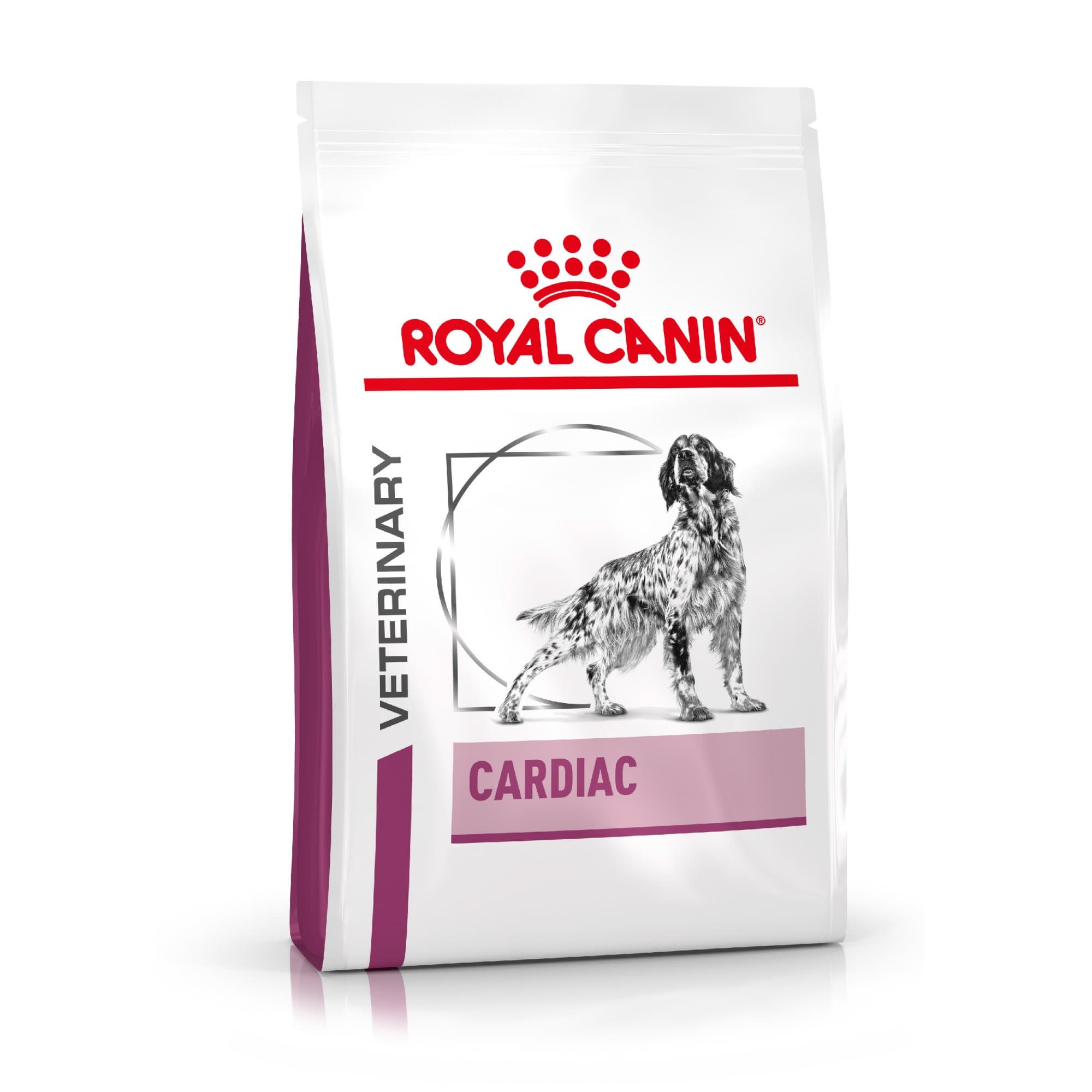
Estimated$80 – $220
Purina Pro Plan Veterinary Diets CC CardioCare
Purina Pro Plan Veterinary Diets CC CardioCare focuses on cardiac support with controlled sodium, enhanced L‑carnitine and taurine, and omega‑3 fatty acids to support myocardial health and circulation. As part of a large petfood network it typically provides a cost‑effective option with broad availability and supply reliability, making it attractive financially to clinics and owners seeking a research‑based formula comparable to Hill's but often at a lower per‑bag cost.

Estimated$70 – $180
Rayne Clinical Nutrition Restrict-CKD/Heart
Rayne Restrict-CKD/Heart is a niche prescription diet formulated for dogs with concurrent cardiac disease and chronic kidney disease, combining low sodium with moderated phosphorus and tailored protein levels to address both conditions. Its technical advantage is specialization for complex comorbid cases—offering clinicians a focused formulation not provided by mainstream cardiac diets—although as a smaller company it may be less widely stocked and sometimes higher in unit cost than mass‑market veterinary diets.

Estimated$100 – $250
Hill's Prescription Diet Multi-Organ Complex Support
Hill's Prescription Diet Multi-Organ Complex Support is the diet Hill's now recommends in place of the discontinued g/d Aging Care line, formulated for dogs managing multiple conditions such as heart, kidney, liver and pancreatic concerns at once. It combines controlled phosphorus, sodium, protein and fat with ActivBiome+ Kidney Defense technology, making it a practical single-diet option for dogs whose cardiac disease overlaps with other organ or metabolic issues rather than a diet targeted at cardiac disease alone.

Estimated$60 – $160
What the Research Says About Cardiac Prescription Diets
Evidence from veterinary cardiology and nutrition research supports targeted dietary strategies for many dogs with heart disease. Studies and consensus guidance emphasize the careful management of sodium and fluid balance, the potential benefits of omega-3 fatty acids (EPA and DHA) for anti-inflammatory and antiarrhythmic effects, and the role of supplemental nutrients such as taurine or L-carnitine in specific deficiency-related cardiomyopathies. Contemporary recommendations also stress individualized plans — balancing cardiac needs with kidney function, life stage, and concurrent medications — and regular veterinary follow-up to adjust diet and electrolytes as needed.
Sodium restriction: Controlled dietary sodium can help reduce fluid retention and exercise intolerance in dogs with congestive heart failure, but the degree of restriction should be tailored by a veterinarian.
Omega-3 fatty acids (EPA/DHA): Clinical and experimental data indicate omega-3s support cardiovascular health by reducing inflammation and may improve myocardial function and arrhythmia risk in some cases.
Taurine and L-carnitine: Deficiencies in taurine or carnitine have been linked to dilated cardiomyopathy in subsets of dogs; supplementation is beneficial when deficiency or diet-related risk is identified.
Electrolyte and renal balance: Cardiac diets often adjust potassium and other electrolytes; monitoring is important because heart disease and its treatments can affect kidney function and electrolyte status.
Guidelines and clinical evidence: Veterinary cardiology consensus documents and peer-reviewed clinical studies support using prescription cardiac diets as part of a broader, vet-managed treatment plan rather than a stand-alone cure.
Frequently Asked Questions
Which dog cardiac prescription food should I choose?
Choose Hill's Prescription Diet h/d Heart Care if your vet wants sodium restriction plus taurine, L‑carnitine, and omega‑3 fatty acids for heart support; it’s rated 4.4 and focuses on reducing cardiac workload.
What exact ingredients or supplements does h/d Heart Care include?
Hill's Prescription Diet h/d Heart Care includes taurine and L‑carnitine, plus omega‑3 fatty acids, and it’s described as having controlled sodium to help manage fluid retention in cardiac patients.
How does Purina Pro Plan CC CardioCare compare by price?
Purina Pro Plan Veterinary Diets CC CardioCare typically runs about $70-180 CAD depending on bag size and retailer, generally landing between Hill's h/d Heart Care ($60-200 CAD) and Royal Canin Cardiac EC 26 ($80-220 CAD). It's rated 4.3 and includes reduced sodium with omega-3 fatty acids, L-carnitine, and taurine.
Are Royal Canin Cardiac EC 26 and h/d Heart Care similar?
Royal Canin Veterinary Diet Cardiac EC 26 targets chronic cardiac insufficiency with controlled sodium and low phosphorus plus tailored energy density, while Hill's h/d Heart Care includes taurine and L‑carnitine; both are prescription cardiac diets, rated 4.3 and 4.4 respectively.
Conclusion
In Canada, prescription cardiac diets are an important part of veterinary care for dogs with heart disease. The five options covered here—Hill's Prescription Diet h/d Heart Care, Royal Canin Veterinary Diet Cardiac EC 26, Purina Pro Plan Veterinary Diets CC CardioCare, Rayne Clinical Nutrition Restrict-CKD/Heart, and Hill's Prescription Diet Multi-Organ Complex Support—each offer different formulations focused on sodium control, electrolyte balance, and supportive nutrients like omega-3s and taurine. Hill's Prescription Diet h/d Heart Care is the most established choice on this list, with a decades-long clinical track record and broad availability through Canadian veterinary clinics, though the right diet always depends on your dog's specific diagnosis and concurrent conditions. I hope you found what you were looking for; use the site search to refine by brand, ingredient focus, or your dog's condition if you want to narrow or expand results.