

Top 5 Antiviral Medications for Dogs in Canada (2026) — Evidence-Based Veterinary Guide to Famciclovir, Interferon Omega, Oseltamivir and Lysine Options
Prescription antiviral drugs for dogs are used to manage viral diseases such as canine distemper complications, canine herpesvirus infections, and as supportive adjuncts in parvoviral cases. In Canada, owners and veterinarians prioritize medications that combine demonstrable clinical benefit, an acceptable safety profile, and clear prescribing guidance. This category appeals to Canadian pet owners because these products can reduce viral replication, shorten symptomatic phases, or support recovery when used alongside fluids, nutrition, and targeted supportive care. Availability, cost, regulatory status, and off-label use considerations also shape consumer preferences, as many antiviral uses in dogs rely on evidence from veterinary clinical trials, pharmacokinetic studies, or extrapolation from other species. Emerging options like nucleoside analogs and immunomodulatory therapies are increasing interest among clinicians looking for better outcomes in severe or refractory viral disease.
Inception's AI took the time to understand this market in Canada · We may earn a commission on purchases. It never affects our rankings.
Top Picks Summary
Famciclovir
Famvir (famciclovir) is the best-in-class oral nucleoside analogue widely used off-label by veterinarians for certain canine herpesvirus infections because of its established antiviral mechanism and availability in human and generic formulations. It holds a cost advantage over biologics like interferon omega due to generic supply and straightforward oral dosing, while offering a more directly virus-targeted approach than immune modulators and supplements on this list. Compared with oseltamivir, famciclovir targets DNA herpesviruses rather than influenza-type viruses, making it technically preferable for herpes-related canine cases when prescribed by a veterinarian.

Lysine
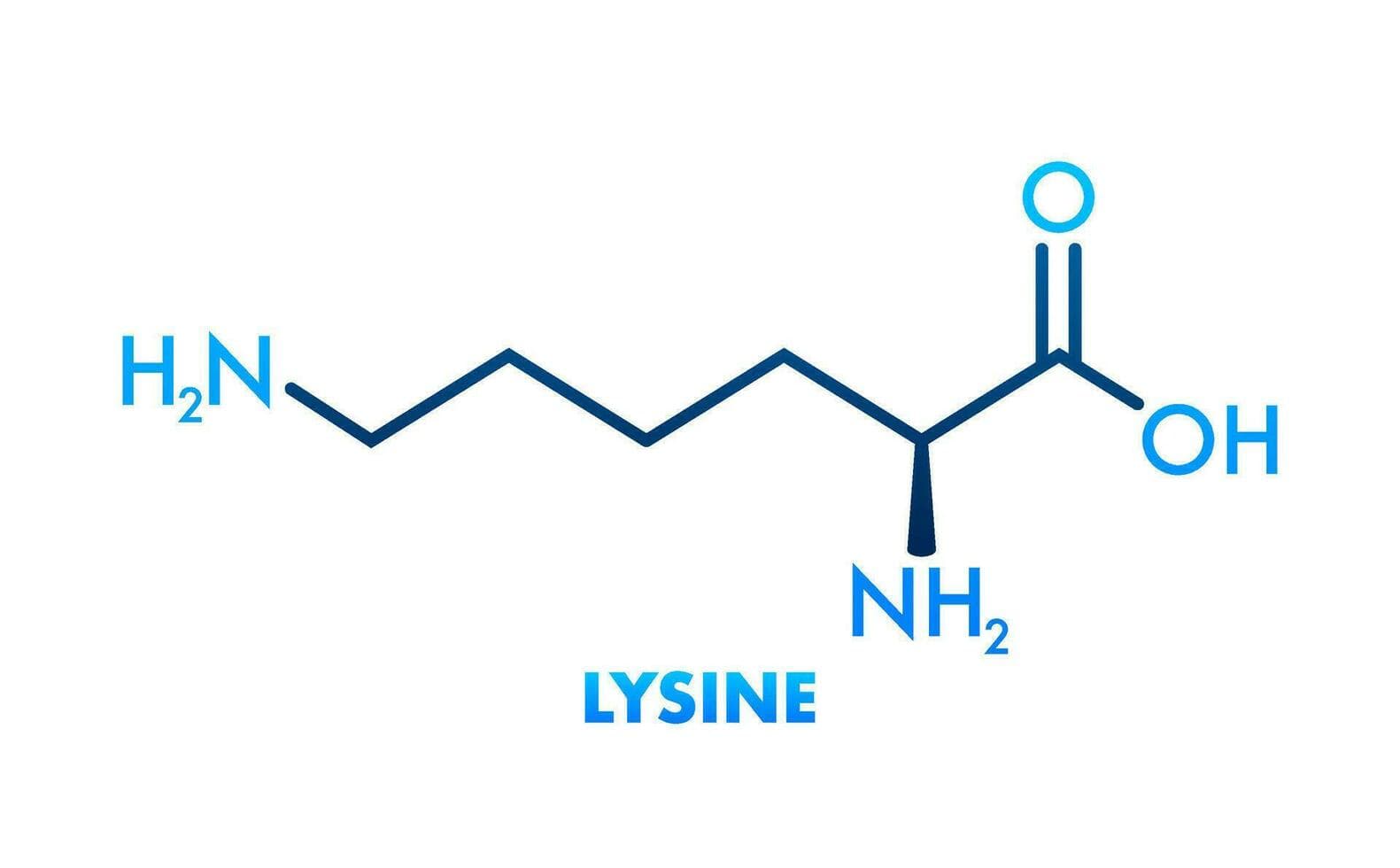
VetriScience Lysine is a leading veterinary supplement formulation containing L-lysine marketed to support antiviral management as an adjunct therapy; it is inexpensive, broadly available, and commonly used by clinicians as part of multi-modal supportive care. While not a prescription antiviral itself, its low cost and OTC accessibility make it a financially attractive companion product compared with prescription antivirals, although clinical evidence in dogs is limited relative to prescription drugs like famciclovir or interferon omega. Its role is largely supportive rather than curative, distinguishing it from direct-acting antivirals and recombinant interferons on this list.
Interferon Omega
Virbagen Omega (recombinant interferon omega) is the market-leading licensed interferon product used in veterinary medicine for certain viral diseases in cats and dogs, prized for its host-targeted, immunomodulatory antiviral action when direct antivirals are insufficient. It is typically prescription-only and more costly than small-molecule antivirals or amino-acid supplements, but offers a unique mechanism that can be effective against a broader range of viral pathogens and in refractory cases where virus-directed drugs like famciclovir or oseltamivir may be less useful. Financially and technically, Virbagen’s strength is in providing a biologic option for difficult-to-treat infections, offsetting higher per-treatment costs with clinical versatility.

Oseltamivir (Tamiflu)
Tamiflu (oseltamivir) is the widely recognized neuraminidase inhibitor used for influenza that is sometimes prescribed off-label by veterinarians for canine influenza or suspected orthomyxovirus exposures due to its broad human-market availability and oral dosing convenience. Its market-leading presence in human medicine translates into strong generic supply chains and relatively lower cost per dose versus proprietary biologics, but its antiviral mechanism is specific to influenza-like viruses and is not appropriate for canine herpesviruses addressed by drugs like famciclovir. Clinicians weigh Tamiflu’s availability and oral formulation against limited veterinary-specific efficacy data when considering it for canine antiviral protocols.

L-Lysine HCl
NOW Foods L-Lysine HCl is a pharmaceutical-grade crystalline L-lysine hydrochloride product often used where precise, standardized dosing of lysine is desired as an adjunct in veterinary care; it is a market leader among bulk L-lysine ingredients due to consistent purity and competitive pricing. Technically, L-Lysine HCl offers a more measurable and pure ingredient for compounding or dosing than blended lysine supplements, making it financially efficient for clinics that require large-volume or weight-based administration compared with proprietary lysine formulations. Although not a prescription antiviral by itself, its standardized chemistry complements prescription antiviral regimens when used under veterinary guidance.

What the Research Says: Scientific Evidence Behind Antiviral Use in Dogs
A growing body of veterinary research evaluates antiviral and immunomodulatory therapies for canine viral disease. Evidence ranges from in vitro antiviral assays and pharmacokinetic studies to randomized and observational clinical trials. Results vary by drug and by target virus: some agents show promising reductions in viral load or symptom duration in controlled settings, while others have limited or mixed clinical benefit when used in real-world practice. Key practical conclusions for dog owners and clinicians are that antivirals are usually adjuncts to supportive care, dosing and safety must be guided by a veterinarian, and some commonly used options are off-label in dogs and require case-by-case risk-benefit assessment.
Interferon omega: Multiple peer-reviewed veterinary studies and clinical trials report improved clinical outcomes and reduced viral shedding in some cases of canine parvovirus and other systemic viral infections when used as an adjunct to supportive therapy.
Famciclovir: Pharmacokinetic and clinical case-series data support famciclovir as an effective antiviral against herpesvirus-related disease and some distemper-associated herpetic complications when dosed appropriately.
Oseltamivir (Tamiflu): Investigations into oseltamivir for parvoviral supportive management show mixed results; some clinical settings reported shorter courses of secondary respiratory or enteric complications, while larger controlled studies are inconclusive.
Lysine and L-Lysine HCl: Evidence for L-lysine supplementation in dogs is limited and inconsistent. Controlled studies in related species suggest variable antiviral benefit; routine use should be guided by veterinary advice.
Research types: evidence includes in vitro inhibition assays, pharmacokinetic and safety studies, randomized controlled trials, and real-world observational cohorts published in veterinary journals and conference proceedings.
Frequently Asked Questions
Which antiviral is best for dogs with herpesvirus?
Famvir (famciclovir) is a common veterinarian off-label choice for canine herpes-related disease because it’s an oral nucleoside analogue prodrug that’s converted to penciclovir for DNA viral infections.
How does Virbagen Omega treat viral infections in dogs?
Virbagen Omega is recombinant interferon omega, a veterinary antiviral/immunomodulator prescribed for certain viral infections; it’s given by injection under veterinary supervision and works by modulating the immune response and reducing viral load in some cases.
Is Lysine cheaper than prescription antivirals for dogs?
VetriScience Lysine is described as inexpensive and broadly available as a non-prescription amino acid supplement, while Famvir (famciclovir) is prescription-based and Virbagen Omega is typically costly due to biologic manufacturing and dosing needs.
Can I use Lysine alone for canine herpes management?
Lysine’s clinical benefit in dogs is described as limited compared with cats, so it’s typically used as adjunctive, guided by a veterinarian alongside other veterinary therapy rather than as sole treatment.
Conclusion
In the Canadian context, prescription antivirals for dogs remain specialized tools used under veterinary supervision. This page highlights five commonly considered options: Famciclovir, Lysine, Interferon Omega, Oseltamivir (Tamiflu), and L-Lysine HCl. While each has a role depending on the virus and clinical situation, Interferon Omega is often the most broadly supported adjunct across severe systemic viral cases when prescribed and monitored by a veterinarian. We hope you found the information you were looking for — if you want to refine your search by condition, regulatory availability in Canada, or dosing guidance, use the site search to expand or narrow results.