

Top 7 Veterinary Prescription Anti-Inflammatory and Immunomodulatory Medications for Dogs in Canada (2025) - Evidence-Based Guide to Choosing the Right Option for Short and Long-Term Care
This category covers prescription corticosteroids, nonsteroidal anti-inflammatory drugs (NSAIDs), monoclonal antibodies, and immunosuppressants used to reduce inflammation and modulate immune responses in canine conditions. It explains short and long term therapy, tapering strategies, and necessary screening for contraindications. Canadian pet owners and veterinarians increasingly seek treatments that balance fast symptom relief, long-term safety, cost, and convenience. That is why our 2025 guide highlights the top 7 options available in Canada—Carprofen, Meloxicam, Deracoxib (NSAIDs), Prednisone (corticosteroid), Oclacitinib (Apoquel), Lokivetmab (Cytopoint), and Cyclosporine (Atopica)—and explains when each is appropriate. Consumers prefer clear evidence of effectiveness, straightforward monitoring plans, formulations that match owner ability to medicate (daily pills versus monthly injections), and options compatible with pet insurance and telemedicine access. This category also addresses regulatory and access points in Canada, such as prescription requirements, role of compounding pharmacies, and provincial practice norms.
Inception's AI took the time to understand this market in Canada · · How we pickWe may earn a commission on purchases. It never affects our rankings.
Top Picks Summary
Novo-Prednisolone 5mg Tablets
Novo-Prednisolone provides the active glucocorticoid prednisolone and is preferred in dogs where reliable systemic exposure is needed or where hepatic conversion of prednisone may be compromised. Technically it is advantageous over prednisone generics because it avoids metabolic activation variability, and while typically priced above basic generics like Apo-Prednisone, it can reduce therapeutic uncertainty and dose adjustments. Compared with potent agents such as dexamethasone and fixed-combination products (Temaril-P, Vanectyl-P), Novo-Prednisolone offers a middle ground of predictable pharmacokinetics and flexible dosing without adding the cost or side effects profile of higher-potency steroids or specialty combinations.
Show More Systemic Corticosteroid Medications (Prescription) for Dogs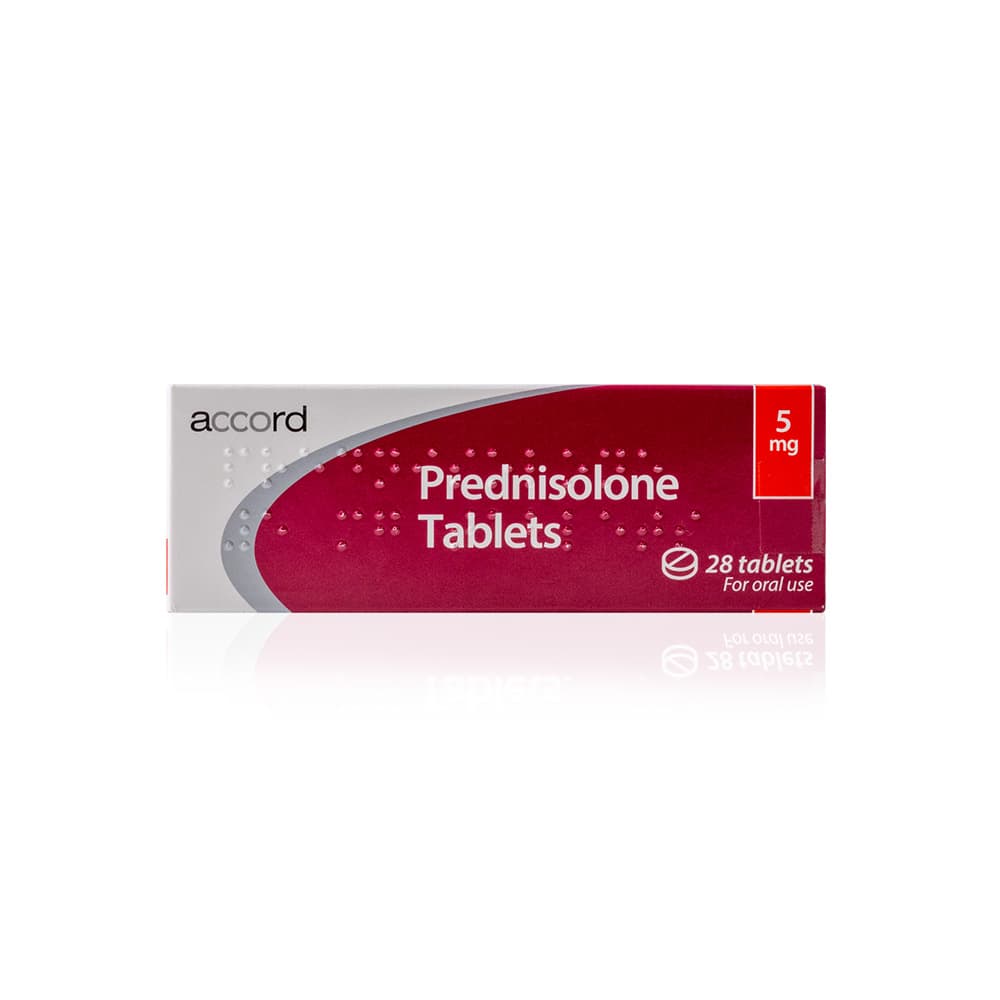
Previcox firocoxib
Previcox (firocoxib) is a highly COX-2 selective NSAID commonly used for once-daily management of canine osteoarthritis, known for its predictable dosing and favorable long-term safety profile. As a market leader for COX-2–specific therapy, Previcox competes by offering reliable efficacy combined with strong value where generics are available, often undercutting the cost of some branded short-term or perioperative options while maintaining a focused COX-2 benefit.
Show More Nonsteroidal Anti-Inflammatory Medications (Prescription) for Dogs
Canine Atopic Dermatitis Immunotherapeutic
The Canine Atopic Dermatitis Immunotherapeutic is framed as a disease‑modifying vaccine‑style therapy that aims to retrain the immune response rather than only neutralize individual cytokines, offering potential long‑term cost advantages through fewer repeat interventions. It typically has a slower onset and more variable early response than monoclonal antibody injections, but for owners and clinics focused on durable control and reduced lifetime treatment spend it can be an economically attractive alternative to recurring biologic dosing.
Show More Monoclonal Antibody Therapies (Prescription) for Dogs
Apoquel (Oclacitinib) Tablets
Apoquel (oclacitinib) is a JAK inhibitor that provides rapid control of pruritus and inflammatory signs in allergic dogs, earning its market-leader role for fast symptomatic relief rather than as broad cytotoxic immunosuppression. Financially it can be cost-effective for short- to medium-term symptom control compared with long-term systemic agents like cyclosporine or mycophenolate, and its distinct mechanism makes it a commonly used adjunct or alternative depending on therapeutic goals.
Show More Systemic Immunosuppressant Medications (Prescription) for Dogs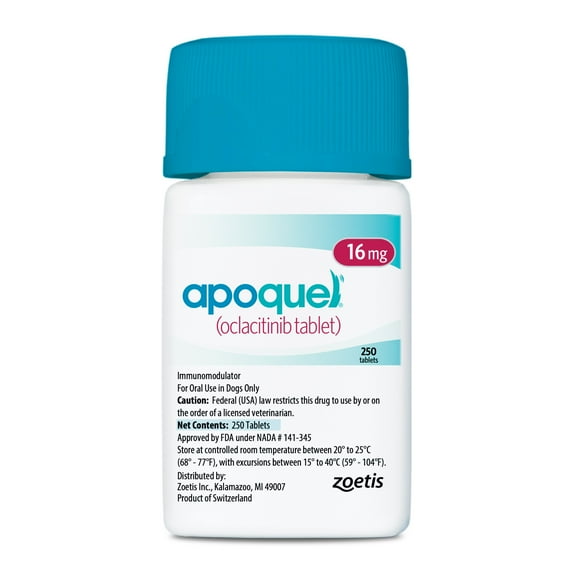
Adequan Canine (polysulfated glycosaminoglycan) is a long-established injectable disease-modifying agent that supports cartilage matrix production and joint health, earning its place as a market staple because of decades of clinical use and a broad veterinary familiarity. Compared with newer biologics on this list, Adequan is typically more cost-effective per treatment course and is often chosen as a first-line prescription option for owners seeking a time-tested, clinic-administered therapy rather than higher-cost monthly monoclonal antibodies.
Show More Osteoarthritis Disease Modifying Agents (Prescription) for Dogs
What the Research Shows: Key Evidence Behind These Treatments
A growing body of veterinary clinical trials and consensus guidelines supports the use of specific anti-inflammatory and immunomodulatory medications for common canine problems such as osteoarthritis, atopic dermatitis, and immune-mediated disease. Evidence-based selection focuses on matching mechanism of action to disease, weighing short-term benefits against long-term risks, and applying routine laboratory monitoring. Below are accessible summaries of the science that inform safe, effective use for pet owners and clinicians.
NSAIDs (example: carprofen, meloxicam, deracoxib) — Multiple randomized controlled trials show clinically meaningful reduction in pain and improved mobility in canine osteoarthritis. Routine pre-treatment screening (history, baseline bloodwork) and periodic monitoring reduce adverse events.
Corticosteroids (example: prednisone) — Rapid, broad anti-inflammatory and immunosuppressive effects make steroids effective for acute flares and many immune-mediated diseases. Long-term use increases risk of metabolic effects, infections, and skin changes; guidelines recommend lowest effective dose and careful tapering to avoid adrenal insufficiency.
Oclacitinib (Apoquel) — Placebo-controlled studies demonstrate fast reduction in itch for atopic dermatitis, often within 24 hours. Because it targets JAK pathways, pre-treatment screening and monitoring for infections and neoplasia risk factors is recommended.
Lokivetmab (Cytopoint) — A monoclonal antibody targeting interleukin-31 that reduces pruritus with low systemic exposure. Clinical trials show multi-week benefit after a single injection and a favorable safety profile, making it attractive for dogs where long-term systemic drugs are less desirable.
Cyclosporine (Atopica) — Well-studied for atopic dermatitis and certain immune-mediated conditions; effective as steroid-sparing therapy. Requires monitoring (liver, kidney, CBC) and attention to drug interactions.
Stronger immunosuppressants (azathioprine, mycophenolate) — Used for severe or refractory immune-mediated diseases with evidence from case series and clinical experience. These require intensive monitoring due to bone marrow, hepatic, and gastrointestinal risks.
Combination therapy and monitoring — Evidence supports combining therapies for better control in some cases, but combination increases the need for laboratory monitoring and veterinary oversight to manage interactions and cumulative side effects.
Frequently Asked Questions
Which one should I choose for my dog’s inflammation?
For a first-line option, Apo-Prednisone 5mg Tablets (average rating 4.1) is a widely used generic prednisone choice for anti-inflammatory or immunosuppressive therapy, with dosing that can be adjusted for tapering.
Does Previcox offer COX-2 selective action for dogs?
Yes—Previcox Chewable Tablets use firocoxib with COX-2 selective activity, designed for once-daily flavored dosing for osteoarthritis, and you should monitor liver enzymes and avoid combining with other NSAIDs.
Is Apo-Prednisone better value than Previcox chewables?
Your cheapest listed generic is Apo-Prednisone 5mg Tablets (price not provided), while Previcox Chewable Tablets and Surolan Otic Suspension have no prices listed in the data, so exact Canada value comparisons aren’t possible here.
Who should avoid or be careful with Previcox NSAIDs?
Previcox Chewable Tablets are prescription-only and require caution when combining with other NSAIDs, plus liver enzyme monitoring; this makes them a less straightforward choice if your dog is already on NSAID therapy.
Conclusion
In the Canadian context, these prescription medications provide a range of options for short-term flare control and long-term disease management. We hope this guide helped you identify which classes and specific products might suit your dog and where to start the conversation with your veterinarian. If you did not find exactly what you wanted, refine or expand your search using the site search to compare dosing, costs, monitoring schedules, and provincial access details.