

Top 7 Systemic Immunosuppressant Medications for Dogs in Canada — 2026 Guide
Systemic immunosuppressant medications for dogs are oral and injectable agents prescribed to manage autoimmune and severe inflammatory diseases, including dermatologic, hematologic, and multi-system immune-mediated disorders. In Canada these therapies include well established drugs such as cyclosporine, azathioprine and mycophenolate as well as other immunomodulators and cytotoxic agents. They are only available by veterinary prescription and require careful clinical and laboratory monitoring to manage infection risk, drug interactions and potential organ toxicity. Canadian pet owners and clinicians prioritize options with clearly demonstrated clinical benefit for the target condition, predictable drug interactions and tolerability, reasonable monitoring demands, and reliable availability across provinces. Cost, insurance coverage, and the availability of brand versus generic formulations also shape purchasing decisions, while local veterinary guidance determines dosing, monitoring frequency, and the best choice for each case.
Inception's AI took the time to understand this market in Canada · · How we pickWe may earn a commission on purchases. It never affects our rankings.
Top Picks Summary
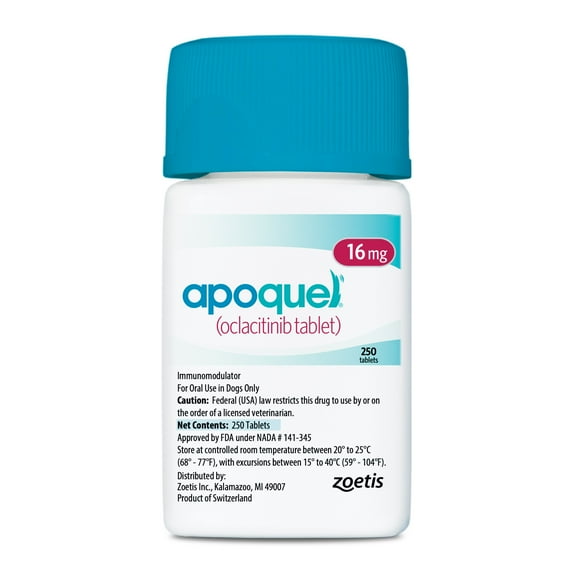
Atopica for Dogs (Cyclosporine Capsules)
Atopica is the veterinary-formulated modified cyclosporine product established as a first-line systemic immunosuppressant for allergic and immune-mediated dermatoses in dogs; it holds best-in-class status for consistent absorption and labeled dosing that clinicians rely on. Compared with human-brand alternatives and generics it is often pricier but provides veterinary-specific dosing guidance, predictable performance and manufacturer support versus cheaper generics and versus faster-acting symptomatic agents like oclacitinib (Apoquel).
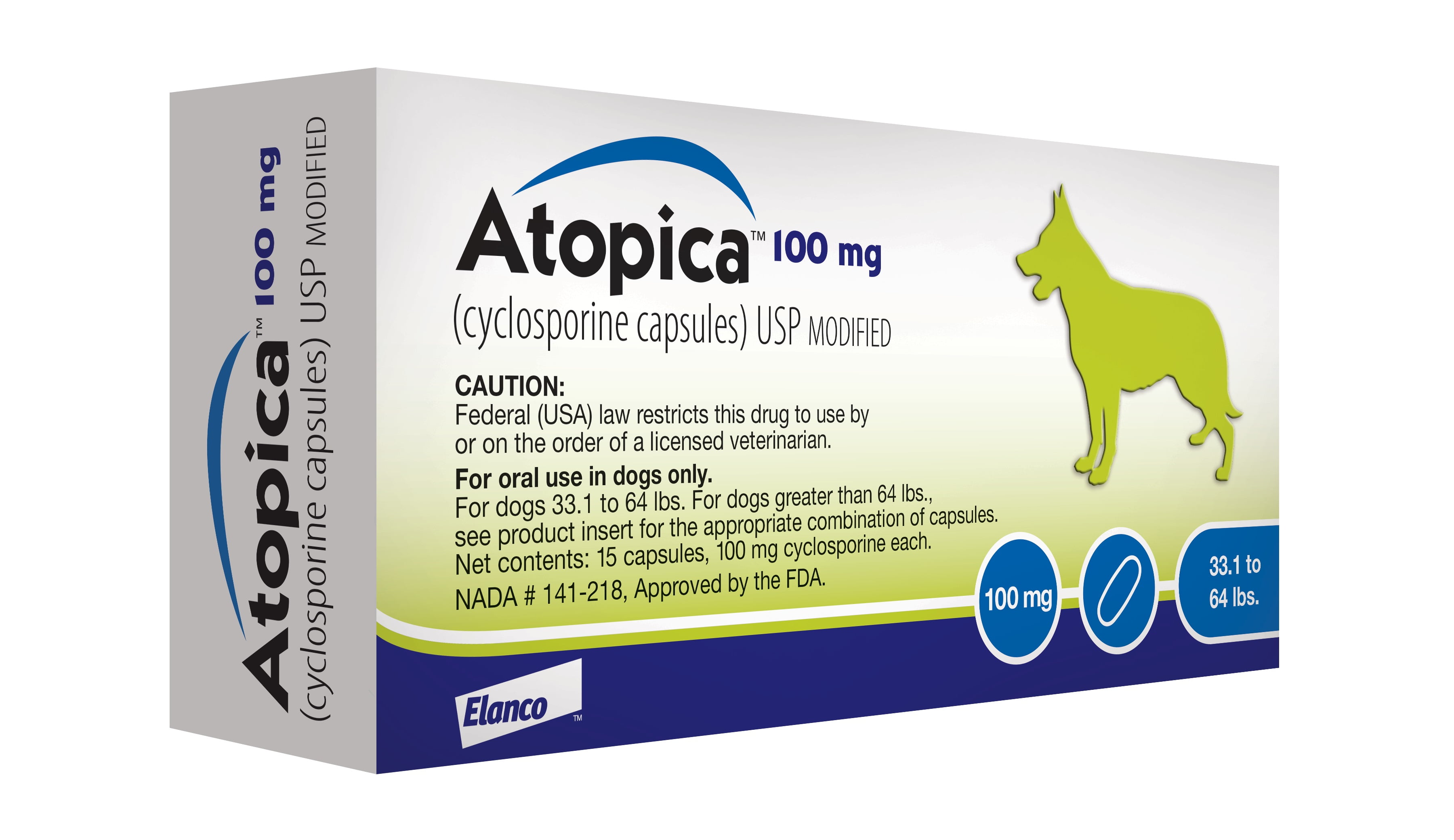
Imuran (Azathioprine) Tablets
Imuran (azathioprine) is a long-standing antimetabolite used as a steroid-sparing immunosuppressant in dogs and remains a market leader for cost-conscious chronic management because generic azathioprine is inexpensive and widely available. Compared with newer, more targeted agents such as mycophenolate (CellCept) or leflunomide, azathioprine is less selective and requires careful monitoring, but its low acquisition cost makes it attractive for long-term therapy.
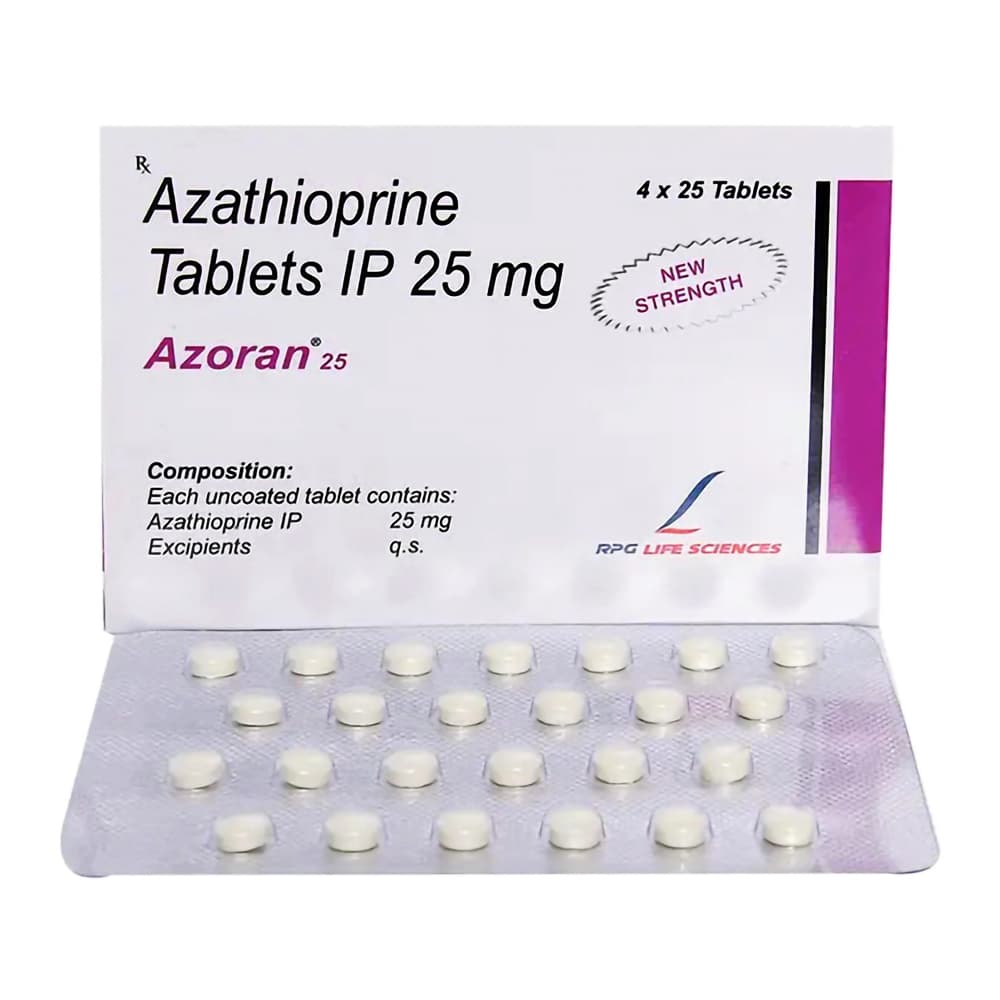
CellCept (Mycophenolate Mofetil) Capsules
CellCept (mycophenolate mofetil) is a modern antimetabolite favored for predictable lymphocyte-directed immunosuppression and is commonly chosen as an alternative to azathioprine in canine immune-mediated disease. While branded CellCept can be more expensive than older generics like azathioprine or chlorambucil, its technical advantage lies in efficient delivery of the active mycophenolic acid metabolite and a side-effect profile that can be preferable in some patients.
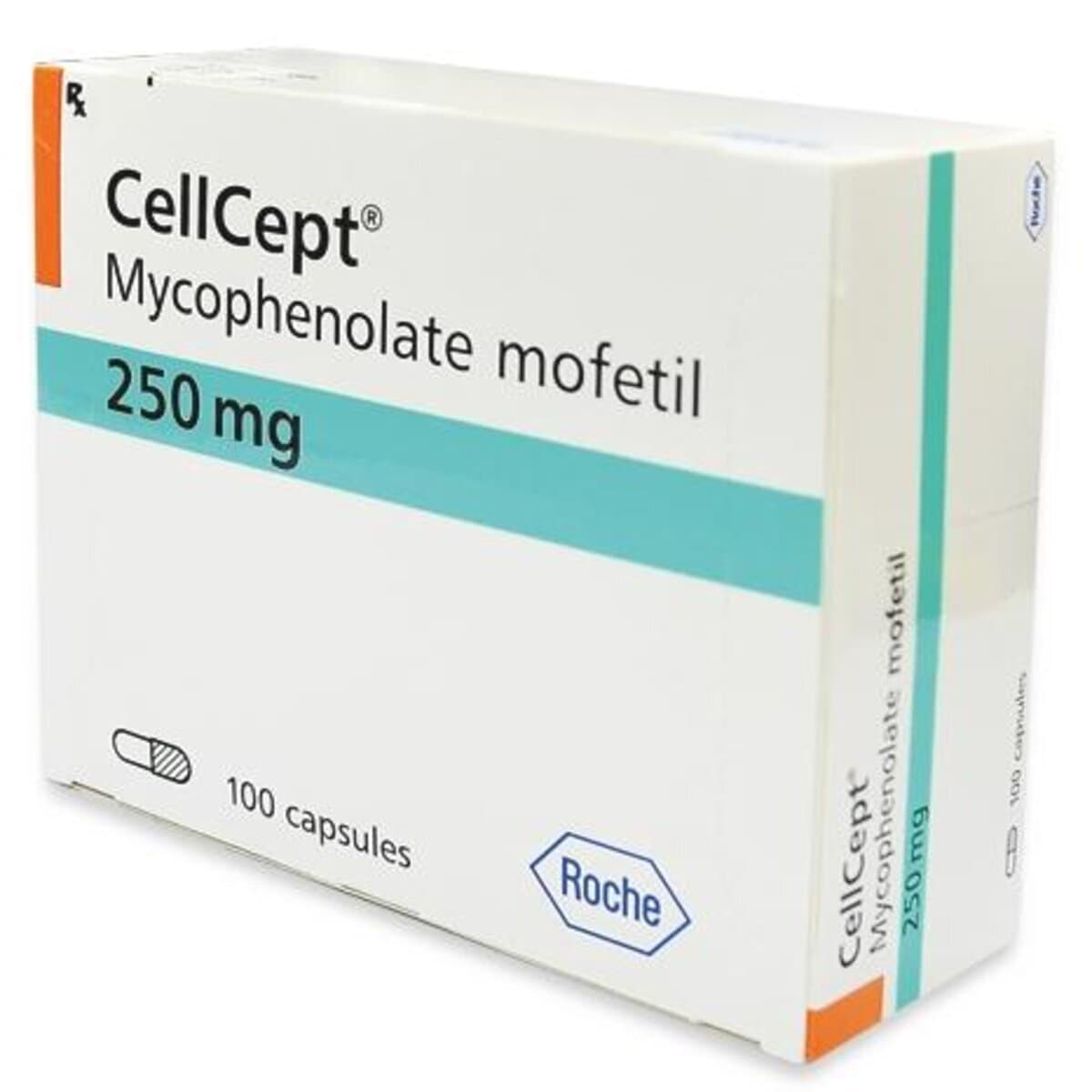
Apoquel (Oclacitinib) Tablets
Apoquel (oclacitinib) is a JAK inhibitor that provides rapid control of pruritus and inflammatory signs in allergic dogs, earning its market-leader role for fast symptomatic relief rather than as broad cytotoxic immunosuppression. Financially it can be cost-effective for short- to medium-term symptom control compared with long-term systemic agents like cyclosporine or mycophenolate, and its distinct mechanism makes it a commonly used adjunct or alternative depending on therapeutic goals.
Generic Cyclosporine Modified Capsules Teva or Sandoz
Generic modified cyclosporine formulations from manufacturers such as Teva or Sandoz deliver the core immunosuppressive benefits of brand cyclosporine at substantially lower cost, making them market leaders for budget-sensitive long-term therapy. Their principal advantage is price and broader accessibility compared with Atopica, though prescribers often balance those savings against potential variability in bioequivalence and differences in manufacturer support.

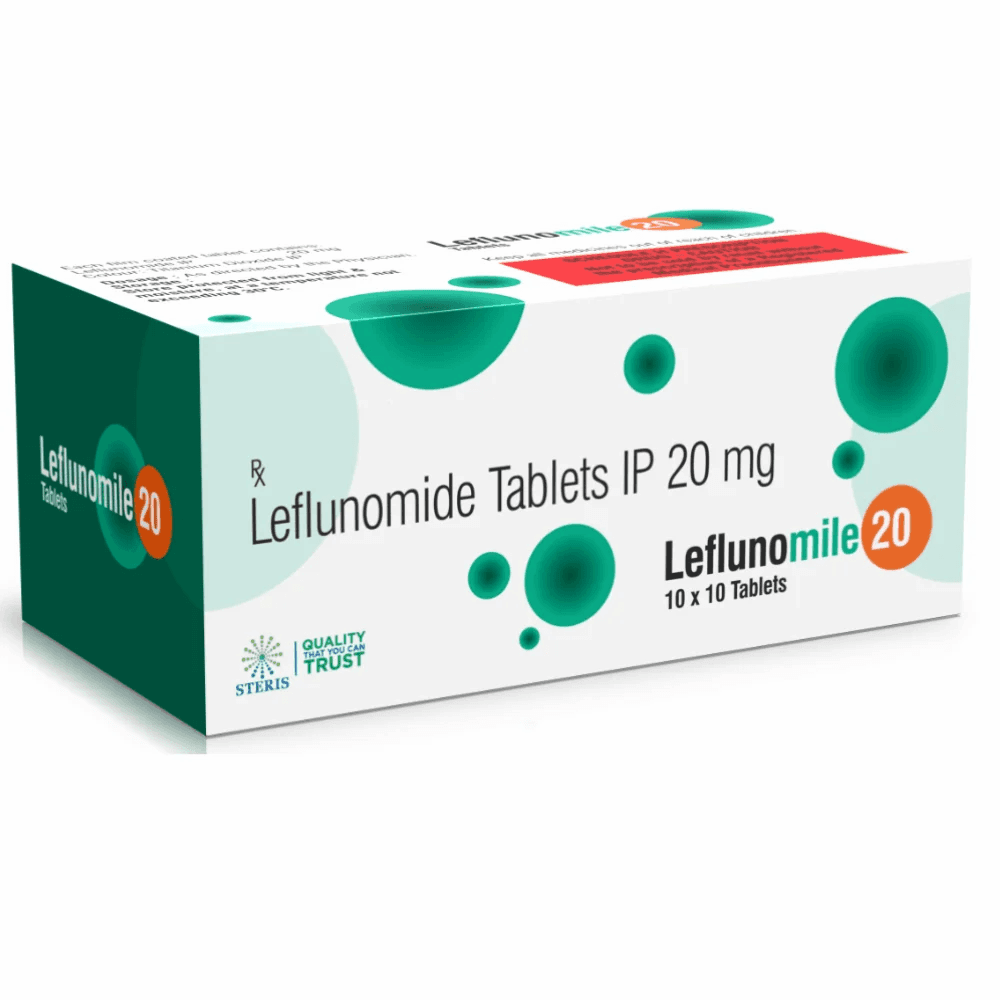
Leflunomide Tablets
Leflunomide (commonly marketed as Arava) occupies a specialist niche for canine immune-mediated disorders where inhibition of pyrimidine synthesis is beneficial and where other agents have failed. Although typically more expensive than older generics like azathioprine or chlorambucil, leflunomide’s unique mechanism and convenient once-daily dosing can offer technical and compliance advantages in refractory cases.
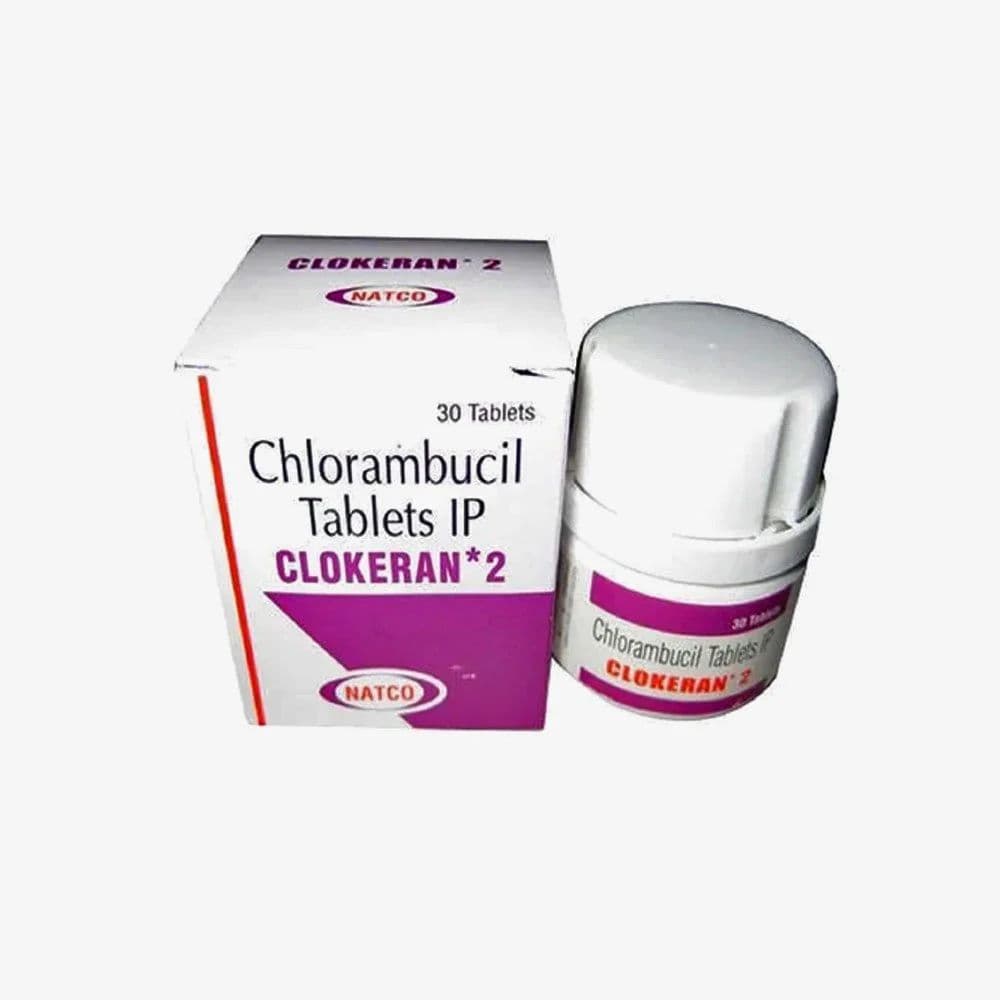
Chlorambucil Leukeran Tablets
Chlorambucil (Leukeran) is an alkylating agent used in certain immune-mediated and neoplastic conditions in dogs, often selected for maintenance therapy because of its lower cumulative toxicity profile relative to some alternatives. As an inexpensive and widely available option it provides strong financial advantages for long-term use compared with brand-name products like CellCept or Atopica, though its slower onset and distinct side-effect profile make it a complementary rather than universal choice.
Research and Evidence Behind Systemic Immunosuppressants
Scientific literature in veterinary medicine supports the use of systemic immunosuppressants for specific diagnoses and clinical scenarios. Cyclosporine has the strongest evidence base for certain dermatologic immune-mediated diseases, with randomized and controlled trials and multiple clinical series showing benefit for atopic and immune-mediated dermatoses. Azathioprine and mycophenolate mofetil are supported by case series and retrospective studies for use in immune-mediated hemolytic anemia, immune-mediated thrombocytopenia, and other systemic immune conditions. Leflunomide and chlorambucil are commonly cited as options for refractory or steroid-sparing therapy in selected cases. Apoquel (oclacitinib) is an oral Janus kinase inhibitor approved to control pruritus and is frequently considered in the management of allergic and immune-mediated skin disease, though its mechanism and use differ from classic systemic cytotoxic immunosuppressants. Across agents, peer-reviewed studies and veterinary guidelines emphasize the need for individualized therapy, baseline and ongoing laboratory monitoring, and awareness of drug interactions and infection risk.
Multiple clinical trials and retrospective cohorts support cyclosporine for dermatologic immune-mediated disease, showing measurable reductions in clinical signs.
Azathioprine and mycophenolate are commonly used as steroid-sparing agents in hematologic immune-mediated disease, with evidence mainly from case series and clinical experience.
Therapeutic drug monitoring, complete blood counts, liver and kidney panels, and infection surveillance are repeatedly recommended in the literature to reduce adverse events.
Comparative safety and tolerability studies favor individualized selection; some agents require more intensive laboratory follow up while others offer simpler monitoring but different risk profiles.
Availability of generic formulations has improved supply and affordability in Canada, but therapeutic equivalence and monitoring remain topics of clinician attention.
Frequently Asked Questions
Should I choose Atopica over Imuran for itchy dogs?
Choose Atopica for Dogs (Cyclosporine Capsules) for canine allergic and immune-mediated dermatoses because it’s a veterinary-formulated cyclosporine approved for canine atopic dermatitis, with an average rating of 4.4 and daily oral T-cell immunomodulatory dosing.
What monitoring does Imuran azathioprine require for dogs?
Imuran (Azathioprine) Tablets require routine bloodwork to monitor for bone marrow suppression and hepatotoxicity, and it’s an antimetabolite steroid-sparing immunosuppressant for dogs with an average rating of 4.
Is Imuran cheaper than CellCept for immune disease?
The provided info says Imuran has a lower acquisition cost because generic azathioprine is inexpensive, while CellCept (Mycophenolate Mofetil) Capsules may be more expensive than older generics; exact prices for both are not listed, but ratings are 4 vs 4.1.
Which dogs might not do well on CellCept?
CellCept (Mycophenolate Mofetil) Capsules may cause gastrointestinal upset and requires hematologic monitoring during therapy, so it may be a rough fit for dogs sensitive to GI effects; it’s rated 4.1 and is used as an alternative when azathioprine or cyclosporine fail or are contraindicated.
Conclusion
In Canada the 2026 top systemic immunosuppressant options for dogs include Atopica for Dogs (Cyclosporine Capsules), Imuran (Azathioprine) Tablets, CellCept (Mycophenolate Mofetil) Capsules, Apoquel (Oclacitinib) Tablets, Generic Cyclosporine Modified Capsules (Teva or Sandoz), Leflunomide Tablets, and Chlorambucil (Leukeran) Tablets. Each has a different primary role: cyclosporine formulations are often preferred for dermatologic immune disease, azathioprine and mycophenolate are frequent choices for systemic immune disorders, leflunomide and chlorambucil serve as alternatives for refractory cases, and Apoquel is an effective targeted option for pruritus and allergic control. For many cases Atopica for Dogs (cyclosporine) is the best overall choice on this page when balancing demonstrated efficacy in skin immune disease with an established monitoring path, though the right selection depends on the diagnosis, patient comorbidities, and cost or availability considerations. We hope you found what you were looking for; use the site search to refine by drug, indication, formulation, or to expand your search by monitoring and dosing guidance.