

Top 6 Angiotensin Receptor Blockers (ARBs) for Dogs in Canada — 2026 Guide
Angiotensin receptor blockers (ARBs) provide a valuable alternative to ACE inhibitors for controlling blood pressure and protecting the heart and kidneys in dogs. In clinical practice, ARBs are most often used for systemic hypertension, proteinuric kidney disease, and as an option when ACE inhibitors are not tolerated or when additional renin-angiotensin system blockade is needed. In Canada, veterinarians and pet owners increasingly prefer ARBs and related formulations because they can reduce proteinuria and blood pressure while often offering a different side-effect profile than ACE inhibitors. Key consumer priorities in this market include demonstrated clinical benefit, veterinary approval or oversight, stability and palatability of the formulation, convenient dosing schedules, clear monitoring guidelines, and reliable pharmacy access. That is why licensed oral solutions and well-prepared compounded suspensions or capsules are popular: they allow tailored therapy for dogs of many sizes and comorbidities and support consistent long-term management under veterinary supervision.
Inception's AI took the time to understand this market in Canada · · How we pickWe may earn a commission on purchases. It never affects our rankings.
Top Picks Summary
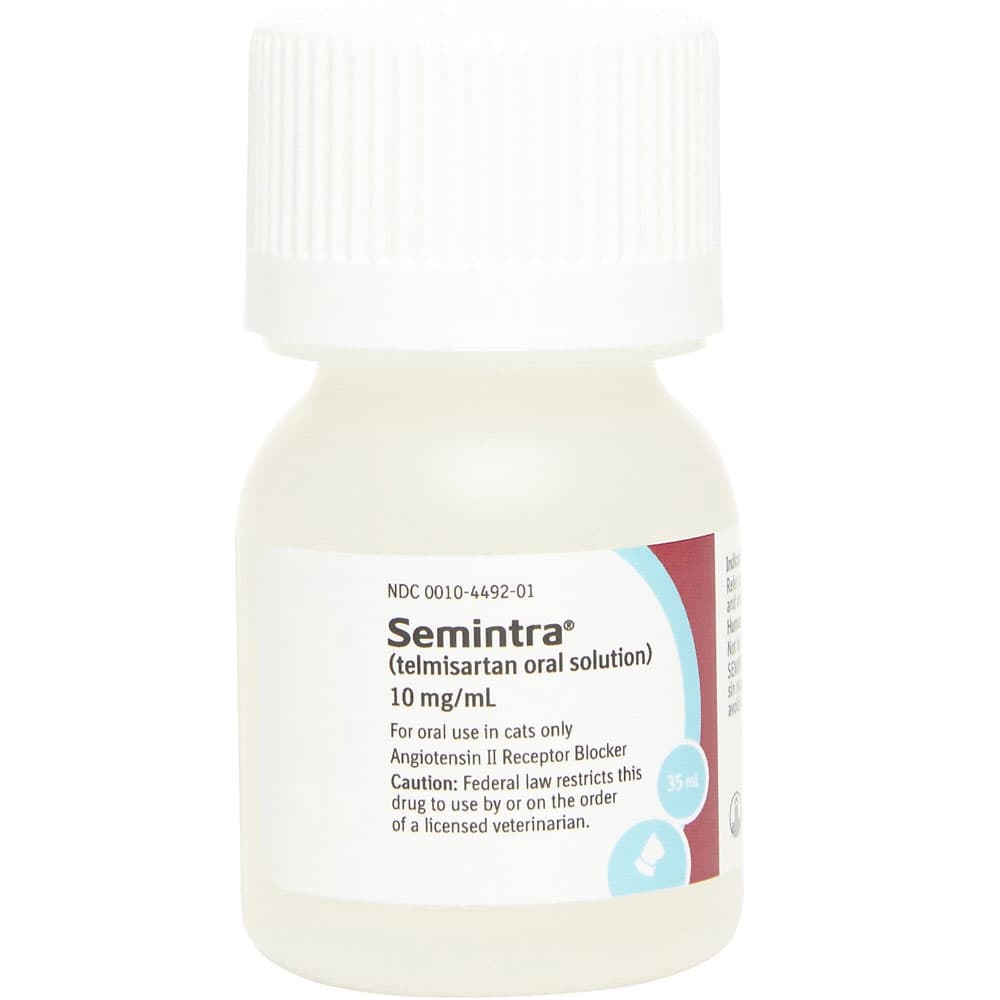
Semintra 10 mg/mL Oral Solution for Dogs
Semintra is the manufacturer-formulated telmisartan solution positioned as the market-leading ARB for dogs because it delivers a consistent 10 mg/mL concentration, regulatory-quality manufacture, and published veterinary dosing guidance—advantages that support predictable efficacy and clinician confidence. It is typically more expensive than compounded ARBs but offers superior product stability, labeled safety data and manufacturer support compared with compounded telmisartan, losartan or irbesartan, and provides an ARB-class alternative to ACE inhibitors like Fortekor.
Telmisartan Compounded Oral Suspension 2 mg/mL
This compounded telmisartan suspension gives clinicians a lower-cost, highly titratable ARB option for small or dose-sensitive dogs, enabling fine dose adjustments that the off-the-shelf 10 mg/mL product may not allow. The trade-offs versus Semintra and other compounded ARBs include more variable stability, shorter beyond-use dating and less regulatory oversight, though it often undercuts proprietary products on price and dosing flexibility.

Losartan Potassium Compounded Oral Suspension 10 mg/mL
Losartan compounded as a 10 mg/mL suspension is a cost-effective ARB option that reduces liquid volume per dose for easier administration compared with lower-concentration suspensions, making it attractive for clients on tight budgets. It typically lacks the veterinary-specific labeling and clinical trial data available for telmisartan products, and compounded formulations can show variable bioavailability compared with manufacturer products, but it remains a practical alternative when telmisartan is unavailable or cost-prohibitive.
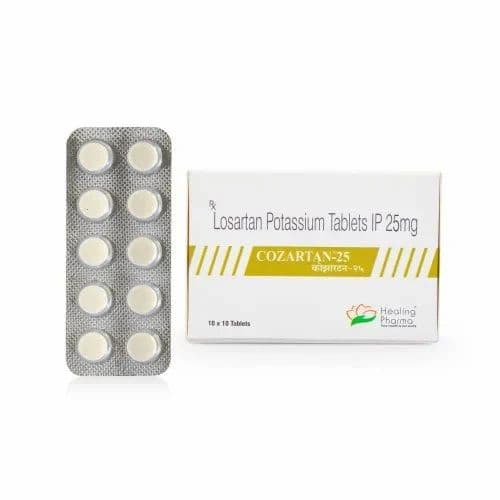
Losartan Potassium Compounded Capsules 25 mg
Compounded losartan capsules at 25 mg provide stable, fixed-dose administration and a longer shelf-life than suspensions, offering a financially sensible, low-waste option for medium and large dogs that need consistent daily dosing. While capsules are less flexible for fine titration than suspensions and may not match the labeled safety/efficacy data of an approved telmisartan product, their predictable per-dose cost and easy administration often make them the most economical long-term ARB choice.
Benazepril HCl Tablets 5 mg (Fortekor)
Fortekor (benazepril) is an ACE inhibitor rather than an ARB, but it remains a widely used, well-studied and generally lower-cost prescription for canine cardiovascular disease and proteinuria. Clinicians frequently choose it as a financially attractive first-line therapy; however, dogs intolerant to ACE inhibitors or those needing direct angiotensin II receptor blockade may benefit more from ARBs like telmisartan, losartan or irbesartan despite their higher cost or compounded status.

Irbesartan Compounded Oral Suspension
Irbesartan in a compounded suspension offers another ARB alternative with flexible dosing and potentially favorable dosing intervals for some patients, often priced competitively against proprietary telmisartan solutions. As with other compounded ARBs, it delivers affordability and customization but carries limitations in formal veterinary stability data and regulatory oversight compared with commercial products like Semintra, so clinicians weigh cost and convenience against evidentiary support when prescribing.
What the Research Says About ARBs in Dogs
Scientific and clinical veterinary research supports the use of ARBs for reducing proteinuria and helping control blood pressure in dogs with renal or cardiovascular disease. Studies and clinical reports show ARBs act by blocking angiotensin II receptors, which reduces vasoconstriction and decreases glomerular pressure. Evidence indicates ARBs can be an effective alternative or complement to ACE inhibitors, especially when ACE inhibitors cause adverse effects or fail to sufficiently reduce proteinuria. Clinical practice guidelines and veterinary studies emphasize individualized dosing, regular blood pressure and kidney monitoring, and assessment of electrolytes when starting or adjusting therapy.
Mechanism: ARBs block angiotensin II type 1 receptors to reduce vasoconstriction and intraglomerular pressure, supporting kidney protection and blood pressure control.
Proteinuria: Veterinary studies and clinical reports show ARBs reduce proteinuria in proteinuric kidney disease, an important marker for kidney disease progression.
Tolerability: Many dogs that do not tolerate ACE inhibitors may do better on an ARB, providing a practical alternative under veterinary supervision.
Dosing and formulations: Licensed oral solutions and standardized compounded suspensions or capsules allow flexible dosing across dog sizes, but stability and pharmacy quality vary, so use a reputable compounding pharmacy and follow veterinary guidance.
Monitoring: Research and guidelines recommend baseline and follow-up checks including blood pressure, renal panel, and electrolytes, with dose adjustments as needed.
Frequently Asked Questions
Should I choose Semintra telmisartan solution for my dog?
Semintra 10 mg/mL Oral Solution for Dogs is a strong pick when you want a consistent 10 mg/mL telmisartan concentration and liquid dosing precision for systemic hypertension and proteinuria; it has a 4.7 average rating.
What dose strength is in Semintra telmisartan solution?
Semintra is formulated as a concentrated oral solution that delivers telmisartan at 10 mg/mL, which supports precise weight-based dosing for dogs under veterinary guidance.
How does compounded telmisartan suspension value compare?
Telmisartan Compounded Oral Suspension 2 mg/mL is a lower-cost, highly titratable option for small or dose-sensitive dogs, using a custom 2 mg/mL concentration; it carries a 4.4 average rating.
Can losartan 10 mg/mL suspension help dogs with hypertension?
Yes—Losartan Potassium Compounded Oral Suspension 10 mg/mL is used by veterinarians as an ARB option for systemic hypertension (and individualized dosing needs), and it has a 4.2 average rating.
Conclusion
In Canada, ARBs are an increasingly important option for veterinarians and owners managing canine hypertension and proteinuric kidney disease. The six main products covered on this page — Semintra 10 mg/mL Oral Solution for Dogs, Telmisartan Compounded Oral Suspension 2 mg/mL, Losartan Potassium Compounded Oral Suspension 10 mg/mL, Losartan Potassium Compounded Capsules 25 mg, Benazepril HCl Tablets 5 mg (Fortekor), and Irbesartan Compounded Oral Suspension — represent the most commonly used and accessible choices in 2026. For most situations where a licensed, ready-to-use oral formulation is preferred for dosing accuracy and predictable stability, Semintra 10 mg/mL Oral Solution for Dogs is the best choice among these options, while compounded telmisartan, losartan, and irbesartan preparations remain important alternatives when tailored dosing or specific concentrations are needed. Benazepril (Fortekor) is still widely used as an ACE inhibitor option and may be appropriate depending on the case. We hope you found what you were looking for; if you want to refine or expand your search, use the search box to filter by drug, formulation, or veterinary guidance and consult your veterinarian to determine the best choice for your dog.