

Top 5 Positive Inotropes in Canada for 2025 — An Evidence-Based Veterinarian's Guide to Vetmedin, Cardisure, Pimobendan Suspension, Digoxin Elixir, and Fortekor Plus: Which Is Right to Protect Your Dog's Heart?
Positive inotropic agents increase cardiac contractility to improve cardiac output in dogs with systolic heart failure. In clinical practice in Canada, pimobendan and digoxin are commonly used under veterinary supervision to support dogs with myxomatous mitral valve disease, dilated cardiomyopathy, and certain arrhythmias. Pet owners and veterinarians prioritize products that combine proven clinical benefit, predictable dosing, palatable formulations for easier administration, clear monitoring requirements, and reliable Canadian availability. Cost, brand versus generic options, and the ability to obtain tailored doses for small or geriatric patients also shape preferences.
Inception's AI took the time to understand this market in Canada · We may earn a commission on purchases. It never affects our rankings.
Top Picks Summary
Vetmedin Chewable Tablets
Vetmedin (pimobendan) chewables are widely regarded as the clinical gold standard positive inotrope for canine congestive heart failure, holding a leading position because of extensive clinical trial support and consistent veterinary adoption. Compared with the other products on this list, Vetmedin's technical advantage is its established evidence base and veterinarian familiarity, while its trade-brand pricing can be higher than generics or compounded alternatives.

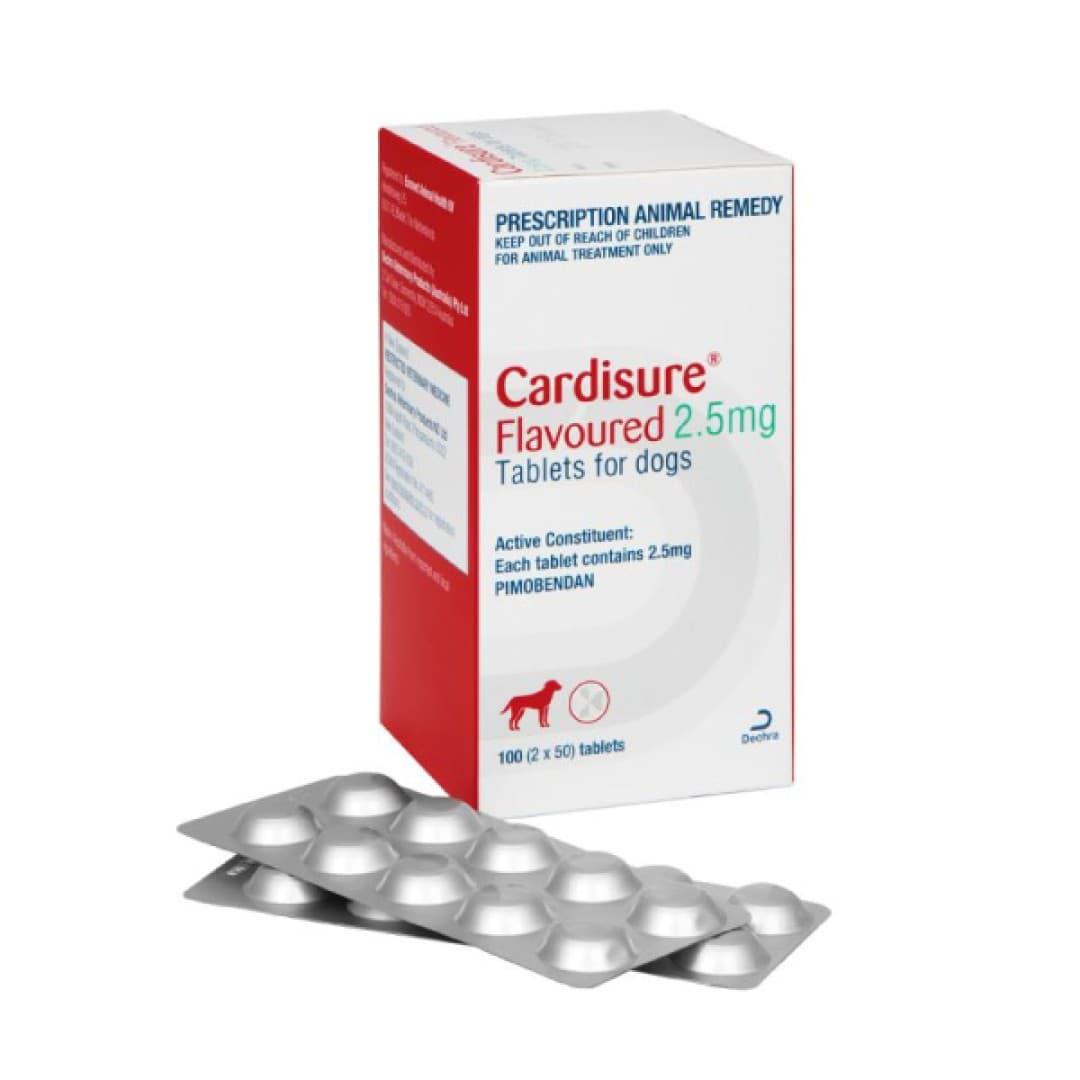
Cardisure Flavoured Tablets
Cardisure flavoured tablets offer a more palatable, cost-competitive pimobendan option tailored to ease administration in picky eaters and small dogs, making it a market leader among flavored generics. Financially it often undercuts brand-name Vetmedin while providing similar active-ingredient benefits, though it may have fewer large-scale clinical studies directly referenced by clinicians compared with the originator brand.
Pimobendan Compounded Oral Suspension
Pimobendan compounded oral suspensions are best-in-class for dose flexibility and precise dosing in very small or debilitated patients, offering a technical advantage where tablet splitting is impractical. These compounded preparations are usually more affordable for tailored regimens than branded tablets, but they carry variability and regulatory differences versus manufactured products like Vetmedin or Cardisure.
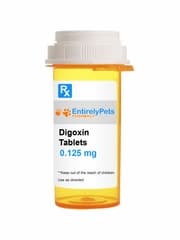
Digoxin Elixir
Digoxin elixir is a time-tested inotropic and rate-control agent that remains valuable as an adjunct in specific cardiac cases, distinguished by low per-unit cost and liquid dosing options for dose titration. Compared to pimobendan-based products in this list, digoxin has a narrower therapeutic index and requires closer monitoring, so its financial advantages must be balanced against increased monitoring needs and more limited positive inotropic efficacy in canine heart failure.
Fortekor Plus Tablets
Fortekor Plus tablets combine ACE inhibition with additional cardiac support in a single-tablet format to reduce pill burden and potentially lower overall therapy costs for long-term management. As a market leader among combination therapies, it offers convenience and potential cost savings versus using separate agents like Vetmedin and an ACE inhibitor, although combination formulations can limit individualized titration compared with using individual products.

What the Research Says About Positive Inotropes
Several randomized trials, consensus statements, and clinical reviews form the evidence base for using positive inotropes in dogs. The strongest data support pimobendan for improving clinical outcomes in dogs with systolic dysfunction from myxomatous mitral valve disease and certain forms of dilated cardiomyopathy. Digoxin remains useful for rate control in atrial fibrillation but has a narrow therapeutic index that requires serum monitoring. ACE inhibitors and other adjuncts are often combined with inotropes depending on the disease stage and comorbidities. Veterinary cardiology guidelines emphasize individualized dosing, close renal and electrolyte monitoring, and periodic reassessment of clinical response.
EPIC trial and subsequent analyses: pimobendan delayed onset of congestive heart failure and improved time to clinical worsening in dogs with preclinical myxomatous mitral valve disease when used at recommended doses.
Randomized clinical trials and comparative studies have shown pimobendan improves exercise tolerance, quality of life, and survival metrics in dogs with symptomatic systolic dysfunction compared with some older approaches.
ACVIM consensus statements and veterinary cardiology reviews recommend pimobendan as a cornerstone therapy for selected cases of MMVD and DCM, with careful monitoring.
Digoxin is supported for ventricular rate control in atrial fibrillation. Evidence highlights the importance of therapeutic drug monitoring due to variable absorption and a narrow therapeutic window.
Compounded pimobendan suspensions provide dose flexibility for small dogs and patients unable to take tablets; stability and pharmacy quality vary, so use reputable compounding pharmacies and follow stability/administration guidance.
Monitoring recommendations from clinical guidance include baseline and periodic checks of renal function, serum electrolytes, body weight, blood pressure, and clinical signs to guide dose adjustments and detect adverse effects early.
Frequently Asked Questions
Which pimobendan product should my small dog use?
For small, fussy eaters, Cardisure Flavoured Tablets are the better pick because they’re a flavoured chewable pimobendan option designed to be easier to administer while supporting chronic cardiac care; it has an average rating of 4.4.
Does Pimobendan compounded oral suspension allow flexible dosing?
Yes—Pimobendan Compounded Oral Suspension provides adjustable concentrations for accurate dosing in small dogs and kittens, which helps when tablets are impractical; it has an average rating of 4.0.
How does Cardisure compare to Vetmedin on price?
The provided info says Cardisure Flavoured Tablets are often lower cost than brand-name Vetmedin while using the same active drug pimobendan in a flavoured chewable tablet; Vetmedin has a 4.6 rating and Cardisure has a 4.4 rating.
Are Vetmedin and Cardisure both prescription-only in Canada?
Yes—Vetmedin Chewable Tablets are prescription-only, and Cardisure Flavoured Tablets are also prescription products intended for ongoing chronic cardiac support; ratings are 4.4 for Vetmedin and 4.4 for Cardisure.
Conclusion
In Canada, positive inotropes are a key part of managing canine systolic heart failure when used under veterinary supervision. The main prescription options covered here include Vetmedin Chewable Tablets, Cardisure Flavoured Tablets, Pimobendan Compounded Oral Suspension, Digoxin Elixir, and Fortekor Plus Tablets. For most dogs with systolic dysfunction, Vetmedin Chewable Tablets (pimobendan) remains the preferred first-line inotropic option because of its strong clinical evidence and predictable dosing, while Cardisure and compounded pimobendan suspension offer palatability and dosing flexibility for specific patients. Digoxin Elixir is typically reserved for rate control situations, and Fortekor Plus Tablets are commonly used as an adjunct ACE inhibitor when recommended by your veterinarian. I hope you found the information you were looking for — you can refine or expand your search using the site search to compare formulations, dosing, and monitoring guidance for each product.