

Top 6 Prescription Diuretics for Dogs in Canada - 2026
Diuretics remove excess fluid to relieve congestion in dogs with heart failure and to assist blood pressure control. In clinical practice, loop diuretics such as furosemide are the most widely used first-line agents because they act quickly to reduce pulmonary and peripheral edema; thiazide diuretics and potassium-sparing agents are used as add-on therapies or when specific mineralocorticoid effects must be blocked. Canadian dog owners and veterinarians favor products that balance predictable clinical effect, dosing flexibility (tablets versus oral solution), availability through licensed pharmacies or compounding services, and cost-effectiveness. Recent trends across Canada through 2024 and 2025 include greater use of telemedicine for follow-up and lab-review visits, more frequent prescribing of torsemide for cases with loop-diuretic resistance or where longer duration of action is needed, and continued reliance on established brands and generic furosemide formulations. Because diuretic therapy affects electrolytes and kidney function, veterinarians in Canada emphasize owner education, clear dosing instructions, and scheduled laboratory monitoring to achieve safe, effective outcomes.
Inception's AI took the time to understand this market in Canada · · How we pickWe may earn a commission on purchases. It never affects our rankings.
Top Picks Summary
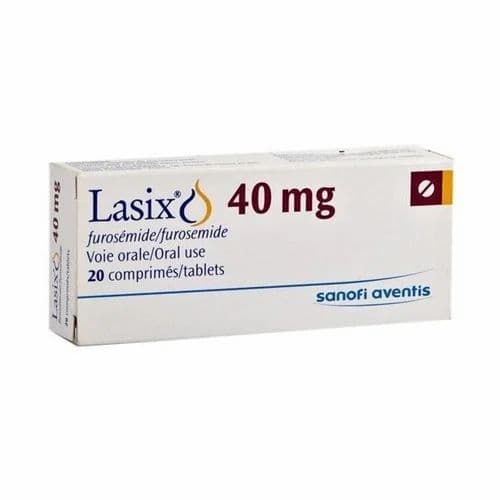
Lasix (Furosemide) Tablets
Lasix is the long-standing market leader for acute and chronic diuretic management in dogs because of its rapid, potent loop diuretic effect and widespread veterinary familiarity; it is especially effective for acute pulmonary edema and congestive heart failure. Compared with other agents on this list it offers the lowest acquisition cost per dose and a predictable IV/oral dosing profile, though it lacks the potassium-sparing and RAAS-modifying properties of spironolactone and the longer duration of torsemide.
Salix (Furosemide) Oral Solution
Salix oral solution provides the same furosemide pharmacology as tablets but in a liquid formulation tailored for dogs that require precise small-animal dosing or pill-avoidant patients, reducing the need for compounding. Financially it can be costlier than generic tablets but technically saves owners and clinics time and dosing errors for small breeds, and it is more practical than tablets for titration compared with fixed-dose hydrochlorothiazide or spironolactone tablets.

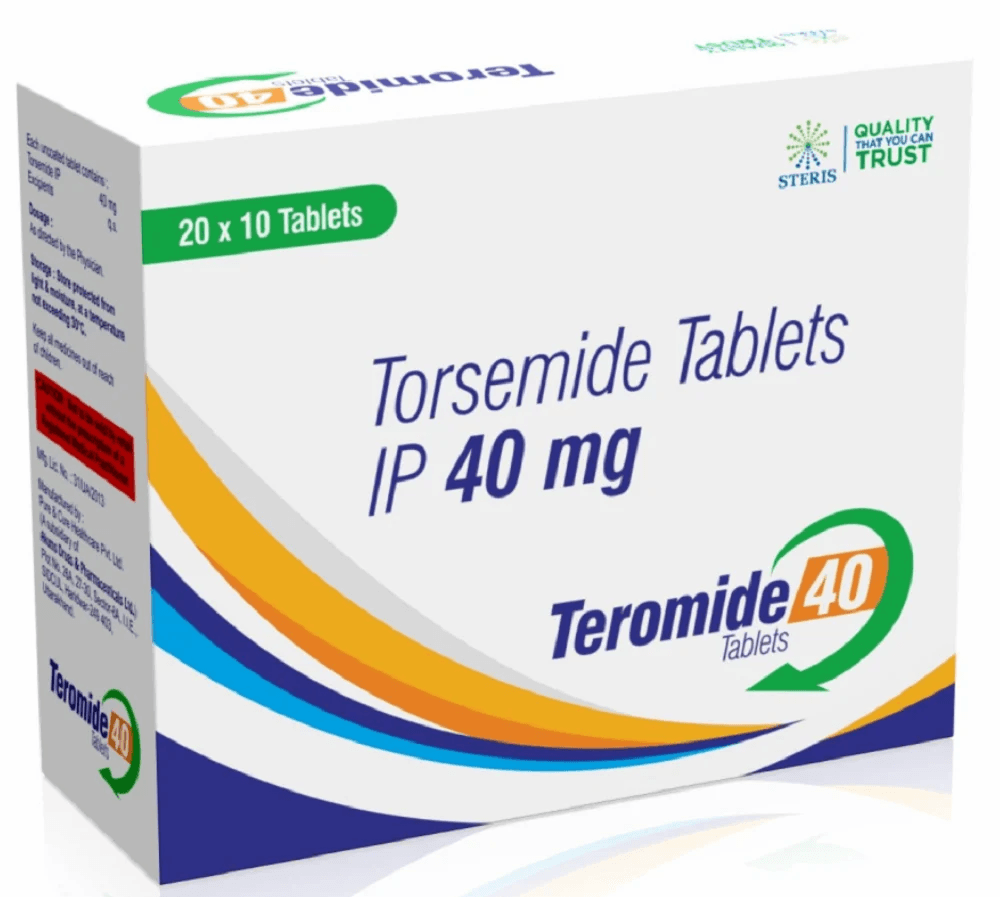
Torsemide (Demadex) Tablets
Demadex (torsemide) is a loop diuretic frequently used in canine cardiology for its higher oral bioavailability and longer duration of action compared with older loop agents, which can allow less frequent dosing and improved owner compliance. Though per-tablet cost can be higher than generic alternatives, its greater potency often reduces total medication volume and clinic interventions, making it cost-effective for dogs that need robust fluid removal. As a prescription product widely used by veterinary cardiologists, it is preferred when strong natriuresis and predictable oral absorption are priorities versus adjunctive agents like amiloride.
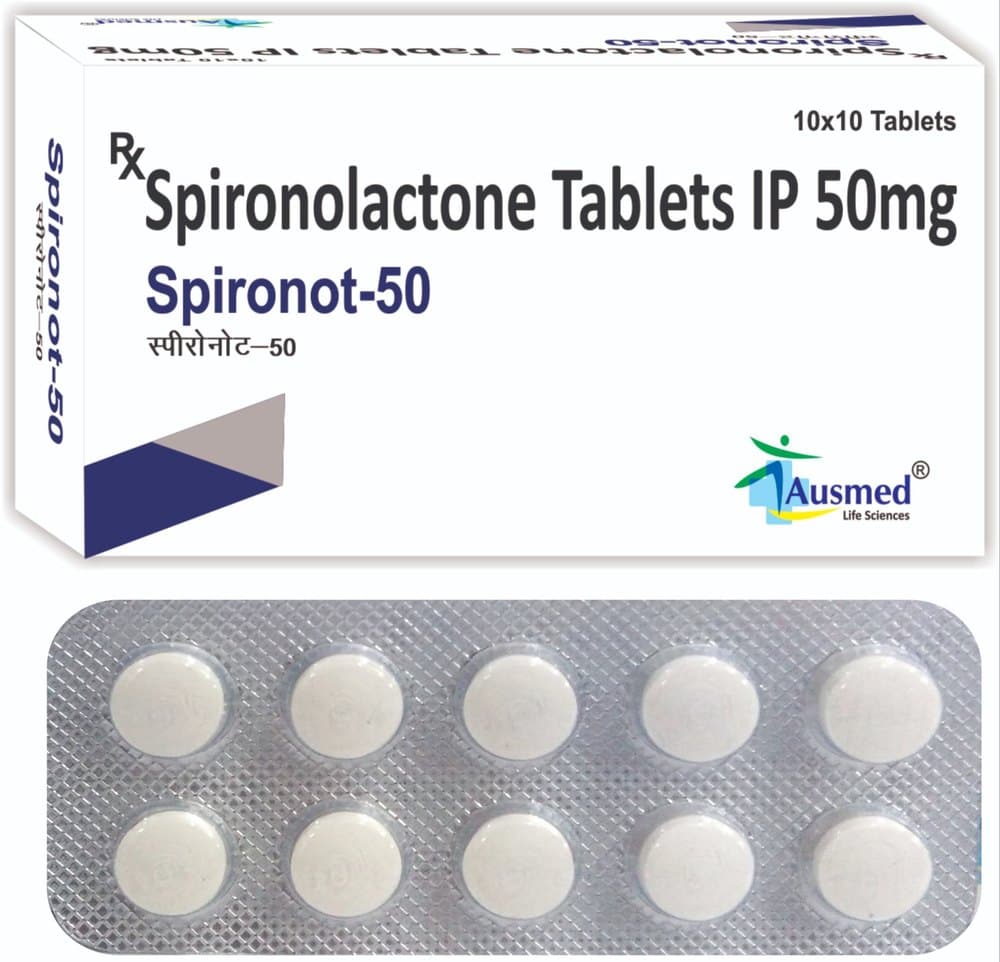
Spironolactone Tablets
Spironolactone is recommended as a best-in-class adjunct diuretic in canine cardiac care because it is potassium-sparing and antagonizes aldosterone, providing cardioprotective and RAAS-modulating benefits beyond simple fluid removal. While not as powerful at fluid mobilization as loop diuretics such as furosemide or torsemide, it is inexpensive as a generic and reduces hypokalemia risk and adverse electrolyte shifts when used alongside loop or thiazide agents.
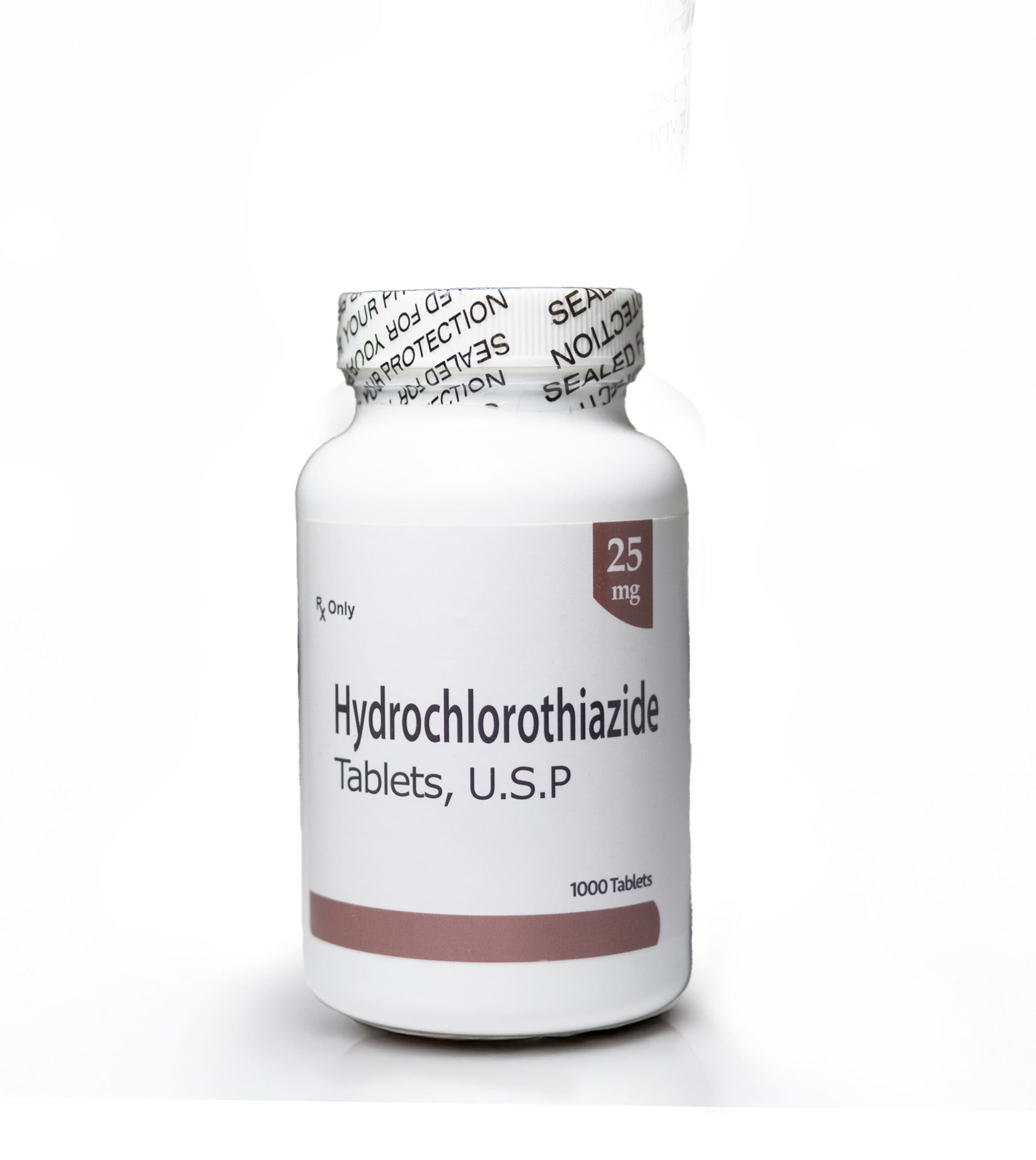
Hydrochlorothiazide Tablets
Hydrochlorothiazide is a low-cost thiazide diuretic suitable for long-term management of mild hypertension and as an adjunct in some congestive heart failure cases in dogs; its oral tablet form makes it accessible for outpatient management. Technically it is less potent at fluid removal than loop diuretics on this list but offers a good price-to-dose ratio for chronic blood pressure control and complements potassium-sparing spironolactone to balance electrolyte effects.
Amiloride Tablets
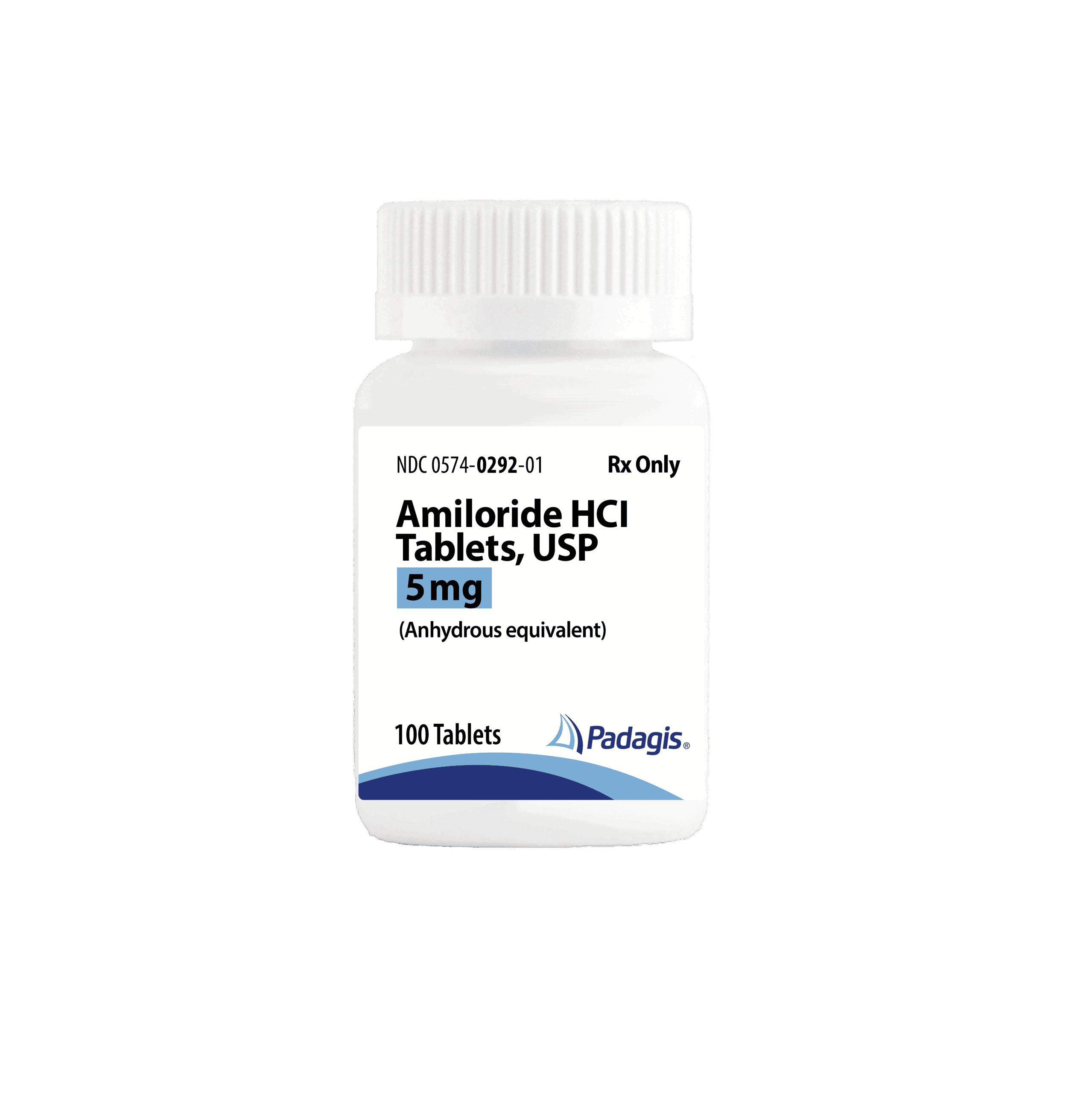
Amiloride is a potassium-sparing diuretic commonly used in dogs as an adjunct to loop or thiazide diuretics to mitigate hypokalemia and help maintain electrolyte balance rather than as primary fluid removal therapy. It is available widely as a low-cost generic, offering a favorable financial profile for long-term management, but it lacks the strong natriuretic effect of torsemide and therefore is less effective as a standalone treatment for congestive heart failure. Veterinarians often prescribe amiloride in combination with loop diuretics to balance efficacy and electrolyte safety in canine cardiovascular care.
Research and Evidence Supporting Diuretic Use in Dogs
The selection and use of diuretics in canine cardiology is guided by pharmacology, clinical trials in veterinary medicine, and extrapolated evidence from human cardiology where appropriate. Loop diuretics like furosemide rapidly reduce intravascular volume and improve signs of pulmonary edema. Torsemide is increasingly recognized for greater potency and longer duration in some dogs, and as a useful option when furosemide response is inadequate. Mineralocorticoid receptor antagonists such as spironolactone provide both mild diuretic effect and antagonism of aldosterone-driven remodeling, which can be cardioprotective. Thiazide diuretics and potassium-sparing agents are commonly used as add-ons to enhance sodium loss while moderating potassium loss. Across studies and clinical reports, the benefits of diuretics are clear when dosing is individualized and monitoring is routine; common safety considerations include electrolyte disturbances and changes in renal function.
Loop diuretics (furosemide) provide rapid relief of pulmonary and peripheral edema by inhibiting sodium and chloride reabsorption in the thick ascending limb of the loop of Henle.
Clinical experience and practice surveys in Canada and internationally show torsemide can be effective for dogs with reduced response to furosemide because of higher potency and longer action.
Spironolactone acts as a mineralocorticoid receptor antagonist; clinical guidance supports its use to reduce aldosterone-mediated cardiac remodeling and as a potassium-sparing adjunct.
Thiazide diuretics are useful as add-on agents to enhance diuresis in refractory cases but increase the risk of electrolyte loss and require careful monitoring.
Regular monitoring of serum electrolytes and renal parameters is recommended by veterinary cardiology guidelines to detect and manage adverse effects early.
Practice trends indicate that telemedicine follow-up and structured owner education improve adherence to monitoring schedules and dosing instructions.
Frequently Asked Questions
Which dog should get Lasix (Furosemide) tablets for edema?
Lasix (Furosemide) Tablets are commonly used for dogs with congestive heart failure and acute pulmonary edema, with a potent loop diuretic effect and fast oral onset, and the product requires regular monitoring of electrolytes and kidney function during use.
What exact loop diuretic does Torsemide (Demadex) use?
Torsemide (Demadex) Tablets are a potent loop diuretic used to treat congestive heart failure and pulmonary edema in dogs, and they specifically use torsemide as the active ingredient with a longer duration of action than older loop agents in many patients.
How does Salix furosemide solution price compare to tablets?
The provided info says Salix (Furosemide) Oral Solution can be costlier than generic tablets, but it offers the same furosemide pharmacology in a liquid formulation for precise small-dog dosing and animals that refuse pills.
Is Salix liquid easier than Lasix tablets for dosing?
Yes—Salix (Furosemide) Oral Solution is an oral liquid that allows precise dosing for small dogs and pill-avoidant patients, while Lasix (Furosemide) Tablets are oral tablets and still require regular monitoring of electrolytes and kidney function during use.
Conclusion
In Canada, diuretics remain a core component of managing canine heart failure and hypertension. The six main prescription options featured here are Lasix (Furosemide) Tablets, Salix (Furosemide) Oral Solution, Torsemide (Demadex) Tablets, Spironolactone Tablets, Hydrochlorothiazide Tablets, and Amiloride Tablets. For most acute and chronic congestive cases, a furosemide product such as Lasix or Salix is the best initial choice because of predictable effect and wide availability; torsemide is an excellent option when greater potency or longer duration is needed. Spironolactone, hydrochlorothiazide, and amiloride are valuable adjuncts in selected patients. We hope you found the information you were looking for. You can refine or expand your search using the site search to compare dosing forms, availability at licensed pharmacies or compounding options, and monitoring recommendations.