

2026 Canadian Guide: Top 5 Veterinarian-Approved Ophthalmic Allergy Treatments for Dogs — Safety, Uses, and Which Option May Be Right for Your Pet
Ophthalmic allergy treatments for dogs include prescription anti-inflammatory drops, antihistamines and mast cell stabilizers to control allergic conjunctivitis and ocular irritation. This category emphasizes veterinarian-directed therapies and newer formulations designed for safety and tolerability in canine patients. Canadian pet owners increasingly prefer prescription options because they offer targeted relief, are backed by veterinary oversight, and often come in preservative-free or single-dose formats that reduce ocular irritation. Key consumer preferences include products that control itching and redness quickly, minimize long-term steroid exposure, are compatible with companion animal lifestyles (easy to apply, minimal dosing frequency), and are legally and reliably available through Canadian veterinary clinics or licensed online pharmacies. Accessibility, transparent safety profiles, and evidence of effectiveness are growing priorities for Canadian dog owners managing chronic or seasonal ocular allergies.
Inception's AI took the time to understand this market in Canada · We may earn a commission on purchases. It never affects our rankings.
Top Picks Summary
Optimmune Ophthalmic Ointment
Optimmune (cyclosporine ophthalmic ointment) is best-in-class for chronic veterinary ophthalmic allergy in dogs because it provides a licensed, veterinary-specific, steroid-sparing immunomodulatory option with a long-acting ointment vehicle that supports less frequent dosing and improved owner compliance. Compared with compounded tacrolimus and short‑term corticosteroid suspensions, Optimmune offers predictable manufacturing and label support for chronic use, which can reduce downstream costs from steroid complications and repeated clinic visits.

Tacrolimus 0.02 Ophthalmic Suspension
Tacrolimus 0.02% suspension is a market-leading choice for severe or refractory immune-mediated and allergic ocular disease in dogs due to its higher calcineurin potency and rapid immunosuppressive effect when cyclosporine is insufficient. Technically it often achieves faster control of inflammation than cyclosporine, but because many products are compounded or distributed through specialized suppliers it can be more expensive and variable in formulation, requiring careful sourcing and handling compared with licensed veterinary brands.

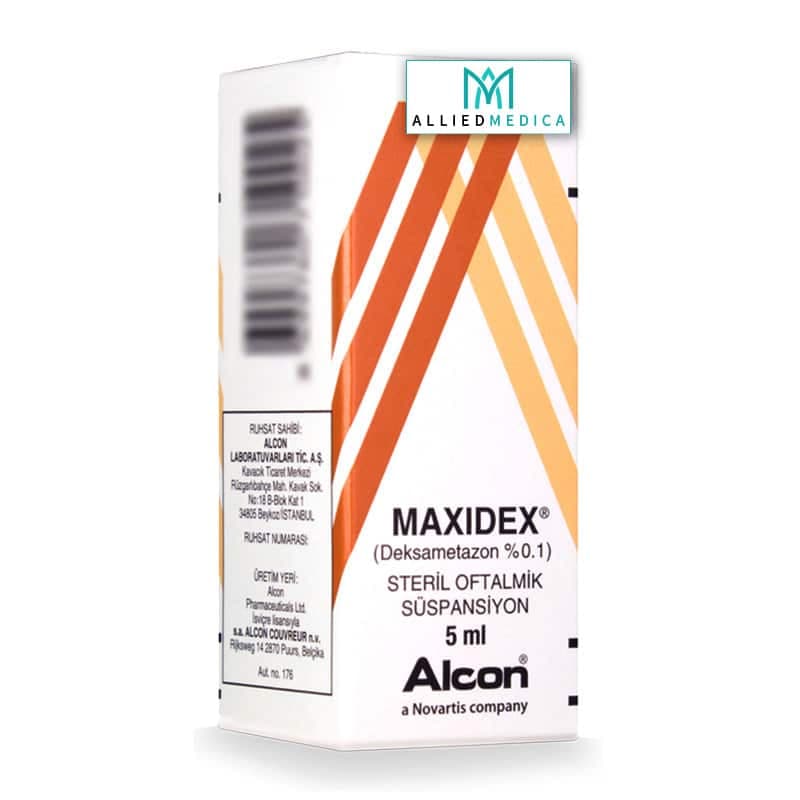
Maxidex Ophthalmic Suspension
Maxidex (dexamethasone ophthalmic suspension) is a market-leading, fast-acting corticosteroid ideal for acute control of ocular inflammation and allergic flares in dogs, offering potent anti‑inflammatory efficacy often at a lower per-dose price than some branded veterinary immunomodulators. Compared with steroid‑sparing agents like Optimmune or tacrolimus, Maxidex delivers more immediate symptom relief but carries greater risk with long-term use (increased intraocular pressure and delayed corneal healing), making it a cost-effective short-term choice rather than a chronic management solution.
Pred Forte 1 Ophthalmic Suspension
Pred Forte (prednisolone acetate 1%) is a veterinary-favored corticosteroid suspension that provides strong anterior segment penetration and reliable control of inflammatory allergic signs in dogs, often priced competitively for acute treatment. While technically comparable to other steroid drops like Maxidex for potency, Pred Forte is similarly limited for long-term management due to steroid-related adverse effects, so it is commonly used for rapid symptom control before transitioning to steroid-sparing options to minimize total treatment cost and risk.

Ketorolac Tromethamine 0.5 Ophthalmic Solution
Ketorolac 0.5% ophthalmic solution (NSAID) is a useful adjunct or steroid-sparing option for mild allergic conjunctivitis in dogs because it reduces inflammation without corticosteroid-associated risks and is often less expensive for short courses. Technically it is less potent than topical corticosteroids or immunomodulators for severe disease, but its favorable safety profile and lower monitoring burden make it a pragmatic, lower-cost choice for mild-to-moderate allergy or as part of combination therapy.

What Research and Clinical Practice Say About Ophthalmic Allergy Treatments
Veterinary and ophthalmic research supports a multi-pronged approach to allergic conjunctivitis in dogs: rapid-acting anti-inflammatory agents for acute flares and immunomodulatory or mast cell-stabilizing therapies for long-term control. Clinical reports and controlled trials published in veterinary journals indicate that topical calcineurin inhibitors, corticosteroids, NSAIDs, and mast cell stabilizers each have demonstrated roles when used appropriately under veterinary supervision. Safety monitoring, correct diagnosis, and tailoring therapy to the individual patient are emphasized across studies.
Topical calcineurin inhibitors (for example tacrolimus) have been shown to reduce conjunctival inflammation and are effective as steroid-sparing agents in chronic allergic or immune-mediated ocular surface disease.
Topical corticosteroids (such as prednisolone acetate) provide fast, powerful control of inflammation and itching but carry risks including increased intraocular pressure and delayed corneal healing; short courses and monitoring are recommended.
Topical ophthalmic NSAIDs (including ketorolac) can reduce ocular pain and inflammation with a lower risk of raising intraocular pressure compared with steroids; they are often used when corticosteroids are contraindicated or for steroid tapering.
Mast cell stabilizers and antihistamine formulations are useful for controlling histamine-driven symptoms and for maintenance therapy during high-allergen seasons.
Ophthalmic cyclosporine preparations improve tear film stability and reduce conjunctival inflammation in certain chronic conditions; they are well tolerated for long-term use.
Peer-reviewed veterinary studies and clinical case series emphasize the importance of diagnosis by a veterinarian, corneal evaluation before steroid use, and follow-up to assess intraocular pressure and healing.
Frequently Asked Questions
Which dog needs Optimmune ointment for allergies?
Optimmune Ophthalmic Ointment (cyclosporine ophthalmic ointment) is the best fit for chronic veterinary ophthalmic allergy in dogs, since it’s a steroid-sparing immunomodulatory option with a prolonged contact-time ointment vehicle for longer comfort.
What exact active ingredient and dosing does Maxidex use?
Maxidex Ophthalmic Suspension contains dexamethasone ophthalmic suspension; it’s a suspension that requires shaking, is intended for short-term prescription-guided use, and includes intraocular pressure monitoring with rapid control of ocular inflammation and allergic flares.
Is Tacrolimus 0.02% better value than Maxidex?
I can’t compare value from the provided data because it lists product names and ratings but no prices for Tacrolimus 0.02% Ophthalmic Suspension or Maxidex Ophthalmic Suspension.
Does Optimmune have a steroid-sparing benefit for dogs?
Yes—Optimmune Ophthalmic Ointment is described as a steroid-sparing immunomodulatory option that modulates ocular immune response to increase tear production, with a typical twice-daily dosing and veterinary monitoring over weeks.
Conclusion
In Canada, prescription ophthalmic allergy treatments give veterinarians and pet owners a spectrum of targeted options. The five products highlighted here — Optimmune Ophthalmic Ointment, Tacrolimus 0.02% Ophthalmic Suspension, Maxidex Ophthalmic Suspension, Pred Forte 1% Ophthalmic Suspension, and Ketorolac Tromethamine 0.5% Ophthalmic Solution — reflect common, clinically useful approaches from ointment-based immunomodulation to steroidal and nonsteroidal anti-inflammatories. For many Canadian dogs with chronic allergic conjunctivitis, Tacrolimus 0.02% Ophthalmic Suspension often represents the best long-term choice because it provides effective immunomodulation with a steroid-sparing profile, though acute flares may still require short-term use of Pred Forte or Maxidex and pain control with Ketorolac. Optimmune remains a practical ointment option where topical lubrication plus immunomodulation is preferred. I hope you found the information you were looking for; you can refine or expand your search using the search box to compare dosing, availability in Canada, or to find veterinarian-recommended alternatives.