

Top 8 Substrate and Aquarium Decor Options in Canada for 2025 — Guide to Gravel, Sand, Soil, Rockwork & Driftwood (What Pros Choose)
This category covers substrate and aquarium decor options for Canadian aquarists in 2025, including gravel, sand, planted-soil mixes, specialty marine substrates, rockwork, driftwood, and artificial decor. It emphasizes aquarium-safe materials, aquascaping tools, and naturalistic design trends that create habitat authenticity for freshwater and marine setups. Consumers choose substrates and decor based on planting goals, water chemistry control, fish and invertebrate needs, aesthetic preferences, and maintenance effort. In Canada, availability, regional water profiles, seasonal shipping considerations, and eco-conscious sourcing are key factors: hobbyists often prefer locally stocked brands or trusted online retailers that clearly label pH effects, particle sizes, and safety for live plants and corals. This guide focuses on practical choices that balance biological function, visual appeal, and long-term aquarium health while highlighting current trends like mixed-grain substrates, low-tech planted soils, realistic rock veneers, and responsibly sourced driftwood.
Inception's AI took the time to understand this market in Canada · · How we pickWe may earn a commission on purchases. It never affects our rankings.
Top Picks Summary
Marina's Natural Gravel River Rock is a market-friendly option noted for wide retail availability and attractive entry-level pricing, making it a go-to for hobbyists stocking multiple tanks or on a budget. It delivers a pleasant natural appearance similar to premium gravels but with less stringent size grading and fewer aquarium-specific performance claims than CaribSea or Fluval, so buyers trade a bit of polish for convenience and cost savings. For the natural river gravel substrate use case it excels as a dependable, low-friction choice when ease of purchase and value are primary concerns.
Show More Gravel and Pebbles for Fish Aquariums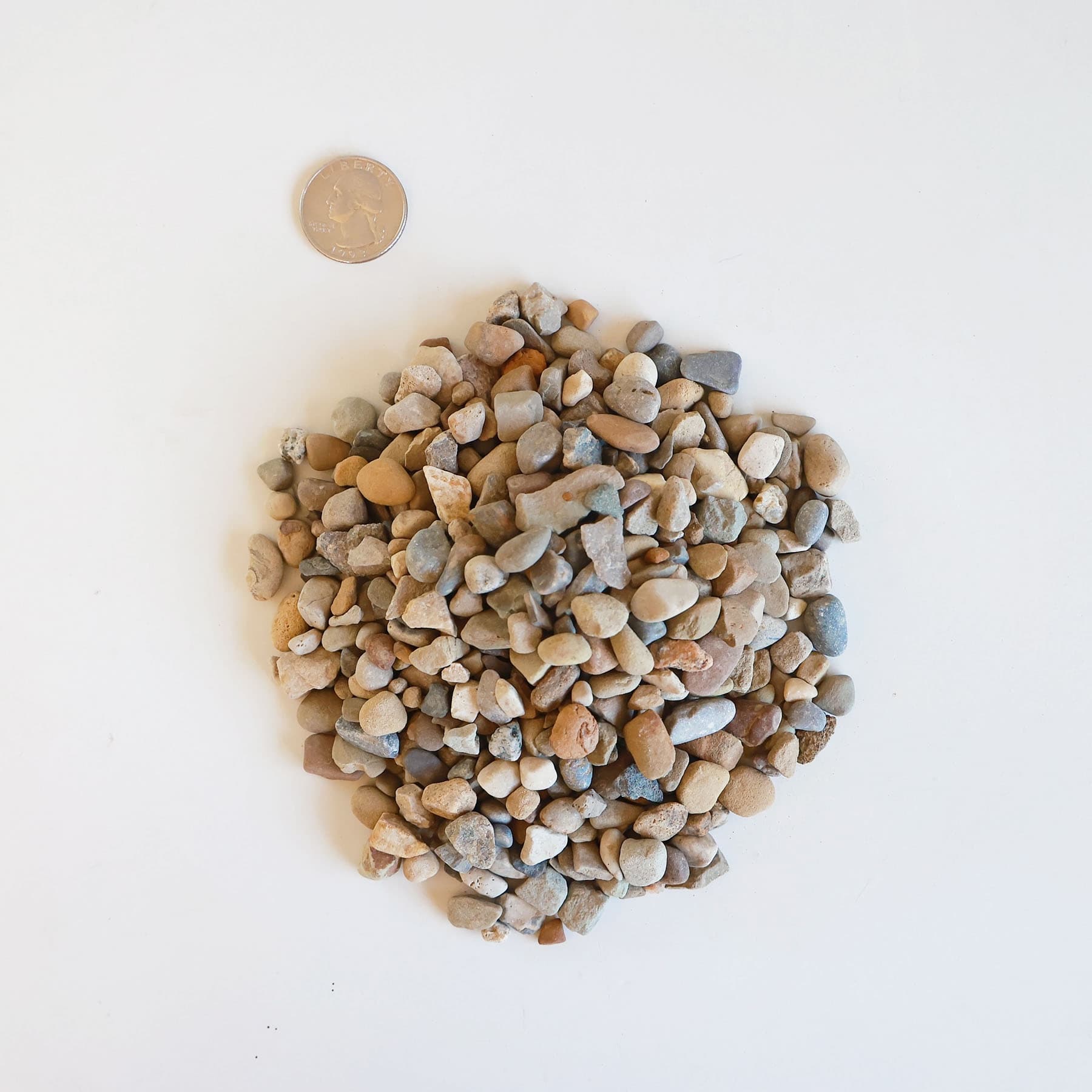
We may earn a commission on purchases. It never affects our rankings.
$39.99CAD
Seachem Flourite Black Sand is recognized for its dense, porous clay composition that provides excellent root anchoring and biological support in planted tanks while maintaining the soft feel desired in sand substrates. Unlike inert sands such as Moonlight or aragonite sands tailored to marine systems, Flourite offers superior porosity for bacterial colonization at a relatively modest price, though it does not supply all plant macro-nutrients the way specialized planted substrates do.
Show More Sand and Soft Substrates for Fish Aquariums
We may earn a commission on purchases. It never affects our rankings.
$55.50CAD$59.00
Tropica Aquarium Soil offers a balanced, plant-focused substrate with consistent grain size and low dust out of the bag, making it beginner-friendly while still supporting vigorous plant growth. It sits competitively between economy and premium products by delivering reliable nutrients and ease of use at a moderate price, providing a practical alternative to ADA for aquarists who want steady performance without the top-tier cost.
Show More Planted Soil and Substrate Mixes for Fish Aquariums
We may earn a commission on purchases. It never affects our rankings.
$85.00CAD
CaribSea Arag-Alive Special Grade Reef Sand
CaribSea Seaflor Special Grade Reef Sand is a best-in-class fine aragonite sand prized for its uniform grain, minimal dust and natural reef appearance, making it ideal when a true sandy bed is desired for crushed-coral-style reef setups. It commands a premium over coarse crushed coral like CaribSea Florida Crushed Coral, but delivers a more natural microhabitat and smoother aesthetics than the engineered aragonites and live substrates on this list, while still being more budget-friendly than some specialty, live-inoculated options.
Show More Marine Aragonite and Reef Substrates for Fish Aquariums
We may earn a commission on purchases. It never affects our rankings.
$43.19CAD
Pisces Natural Spider Wood is chosen for striking, intricate branch structures that create complex hiding spots and climbing surfaces perfect for shrimp tanks and small community aquaria, often at competitive prices compared with bulkier mopani pieces. Its financial advantage lies in delivering high visual impact per dollar for smaller tanks, while technically offering faster seasonable breakdown and tannin release than denser woods—something aquarists should plan for when balancing aesthetics with water chemistry.
Show More Driftwood and Natural Wood Decor for Fish Aquariums
Penn-Plax’s stone replica hiding cave delivers a durable, mid-priced resin option with multiple sizes and finishes suited to a range of freshwater setups, from community tanks to cichlid habitats. Technically robust and heavier than some budget pieces, it balances affordability and longevity better than the cheapest options while avoiding the premium price of designer rockwork; its larger entryways and solid construction make it a practical choice for larger or growth-prone fish. Compared to CaribSea’s natural products it lacks biological benefits, but compared to Marina it offers more realistic styling and build quality for a modest extra cost.
Show More Rockwork Caves and Stone Decor for Fish Aquariums
Fluval Aqualife Plant Scapes Moss Ball
Fluval Plant Scapes Moss Ball is a market leader for faux moss realism and durability, offering dense, UV-stable fibers that create a convincing carpet effect over resin groundcover at a slightly higher price point. Technically superior in texture retention and long-term colorfastness compared with cheaper molded carpets, it trades off the immediate value of multi-packs like Imagitarium for a premium, maintenance-free moss aesthetic.
Show More Artificial Ornaments and Resin Decor for Fish Aquariums
Estimated$10 – $18
Vepotek Aquarium Background Poster
Vepotek Aquarium Background Poster is the value leader for photographic vinyl backdrops, offering low-cost, easily replaceable prints and a wide palette of designs suited to high-volume or disposable shoots. Quality can vary versus premium choices, but its low upfront cost and availability of custom sizes make it the most economical option for testing looks or bulk applications.
Show More Background Panels and Scenic Backdrops for Fish Aquariums
What Research and Practical Testing Say About Substrates and Decor
Scientific studies and applied aquarium research support several core benefits of choosing the right substrate and decor: substrates influence plant root health and nutrient exchange, particle size and composition affect water chemistry and bacterial colonization, and natural decor reduces fish stress by providing shelter and behavioral enrichment. While peer-reviewed aquarium-specific studies are fewer than for broader aquatic ecology, principles from soil science, marine sediment research, and aquarium biofiltration experiments translate directly to hobby practice. Below are beginner-friendly takeaways backed by laboratory and field research that inform healthier, more stable aquariums.
Plant growth and nutrient availability: Research on substrate nutrient exchange shows that substrates with fine grain and organic-rich planted soils improve root access to phosphorus and micronutrients, supporting denser plant growth compared with inert gravels.
Biological filtration and particle size: Studies on biofilm development indicate that mixed-grain substrates provide increased surface area for nitrifying bacteria, helping stabilize the nitrogen cycle; very fine silt can compact and reduce oxygenation, so particle size balance matters.
Water chemistry buffering: Calcareous substrates and certain sands can buffer hardness and pH in marine and hard-water setups, while inert substrates are preferred where minimal chemical influence is needed; empirical testing helps match substrate to species needs.
Behavior and welfare: Behavioral ecology research supports that natural decor, caves, and driftwood reduce stress-related behaviors and improve hiding opportunities, which can translate to better coloration, breeding behavior, and reduced aggression.
Tannins and water color: Studies of leachates from hardwoods show that driftwood releases humic substances that lower pH and tint water; this can be beneficial for soft-water species but requires monitoring and possible filtration for clarity.
Live sand and marine microbiomes: Marine aquarium research demonstrates that live sand or seeded substrate accelerates establishment of beneficial microbial communities that support denitrification and biological stability.
Conclusion
In Canada, choosing the right substrate and decor in 2025 means balancing local availability, species requirements, and the look you want to create. We hope this guide helped you narrow down options and understand the practical benefits of each material. If you did not find exactly what you need, refine or expand your search using the site search to filter by substrate type, water chemistry influence, or aquascaping style.