

Top 7 Gravel & Pebbles for Fish Aquariums in Canada (2026) - How to Choose the Right Substrate for Community, Cichlid & Nano Tanks
Short answer: pick an inert substrate unless you keep African cichlids or brackish fish. Quartz and epoxy-coated gravels leave pH and hardness alone, while crushed coral, aragonite, limestone and shell or marble gravels slowly dissolve and push pH and carbonate hardness up — right for Rift Lake cichlids, wrong for tetras, discus, bettas and shrimp. After chemistry, grain size decides the rest: 2-6 mm rounded gravel suits most community tanks, anything a fish can fit in its mouth is a choking and impaction risk, and corydoras, loaches and other barbel-feeders need smooth sand or fine smooth gravel because sharp edges erode their barbels. Rinse every substrate until the water runs clear and lay it 2.5-5 cm (1-2 in) deep; go deeper only for rooted plants, and keep deep beds of very fine sand stirred so anaerobic pockets do not form. This page covers the gravel, pebble and specialist substrate options widely stocked in Canada for community, cichlid, planted and nano tanks.
Inception's AI took the time to understand this market in Canada · · How we pickWe may earn a commission on purchases. It never affects our rankings.
Top Picks Summary
Marina's Natural Gravel River Rock is a market-friendly option noted for wide retail availability and attractive entry-level pricing, making it a go-to for hobbyists stocking multiple tanks or on a budget. It delivers a pleasant natural appearance similar to premium gravels but with less stringent size grading and fewer aquarium-specific performance claims than CaribSea or Fluval, so buyers trade a bit of polish for convenience and cost savings. For the natural river gravel substrate use case it excels as a dependable, low-friction choice when ease of purchase and value are primary concerns.
Show More Natural River Gravel Substrate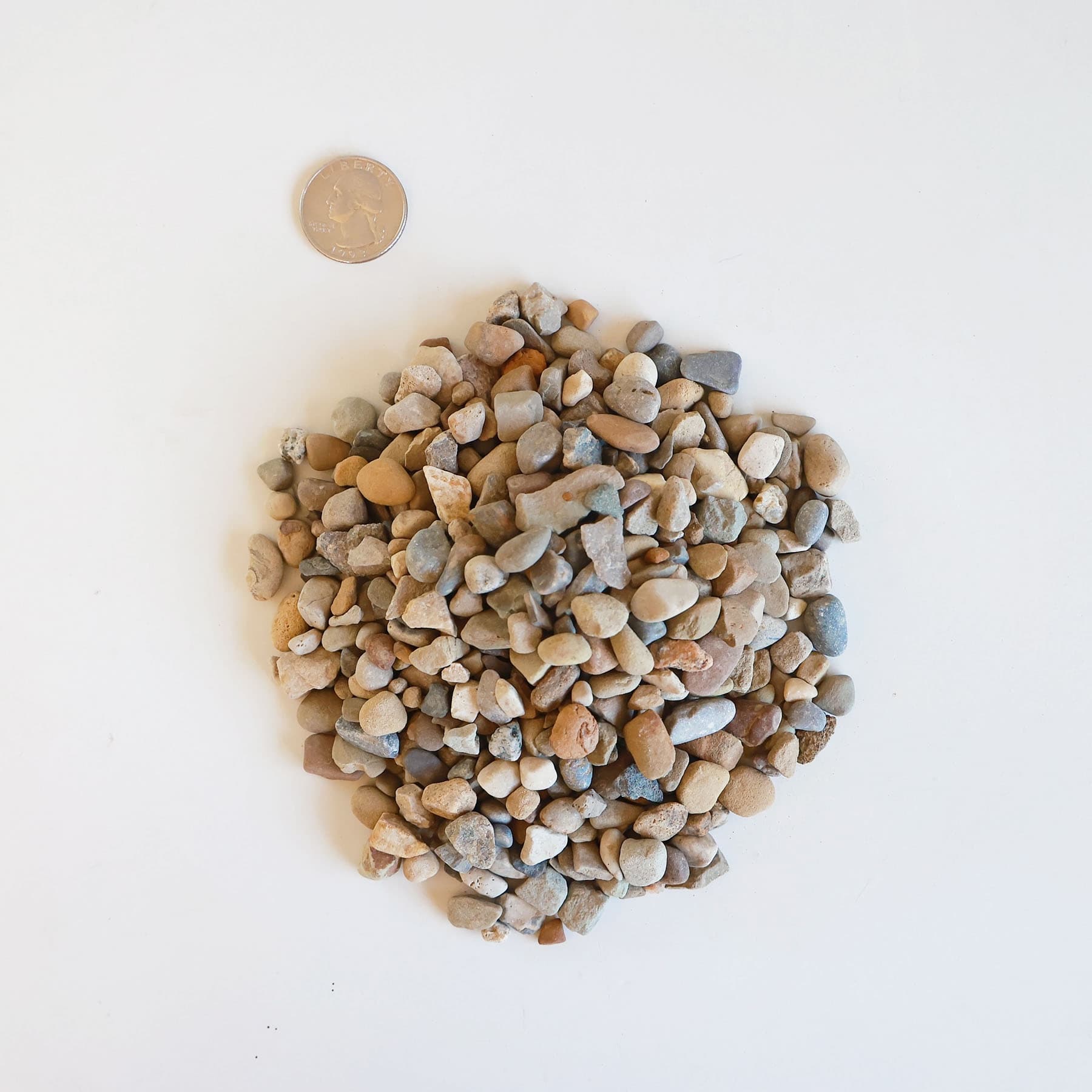
We may earn a commission on purchases. It never affects our rankings.
$39.99CAD
GloFish Aquarium Gravel is a fluorescent, polished substrate formulated to intensify fluorescent fish and LED lighting effects, offering a strong visual pop under blue/UV illumination. While less natural than river pebbles or Marina's subdued options, its color-reactive finish and consistent polish make it the leading choice for themed or display tanks where maximum visual impact is the priority, though it often carries a higher novelty markup.
Show More Polished Aquarium Pebbles
We may earn a commission on purchases. It never affects our rankings.
$12.99CAD
Aqua Culture Recycled Glass Gems are positioned as the budget-friendly, high-volume recycled-glass option favored by value-conscious aquarists and retail buyers. Sold through large pet retailers, they provide broad availability and low per-pound cost, making them financially advantageous for large tanks and community projects compared with pricier specialty or eco-certified pebbles. While they may be less uniform in finish than Imagitarium or Marina, Aqua Culture’s strength is affordability and recycled content accessibility for everyday aquarium setups.
Show More Recycled Glass Aquarium Pebbles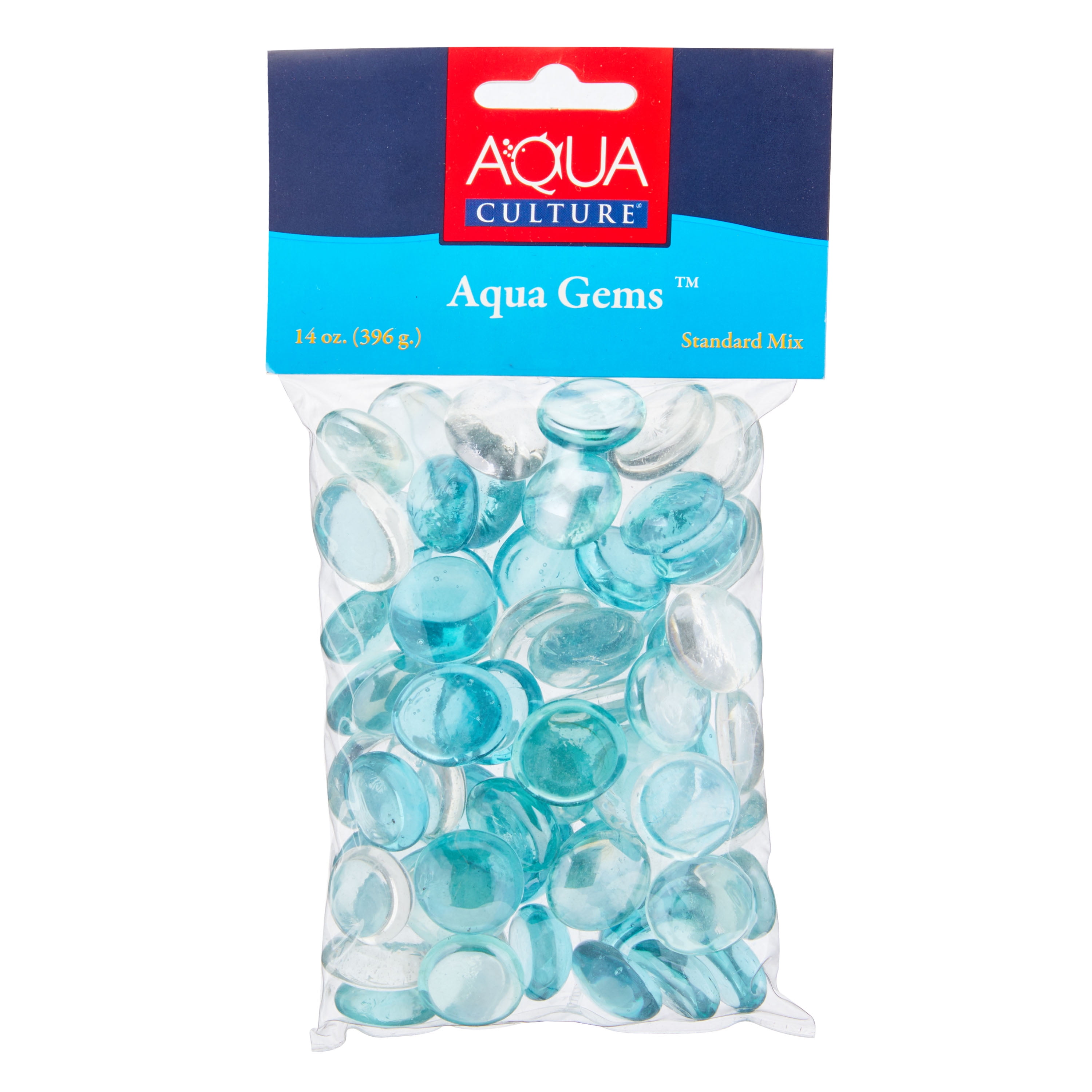
Estimated$15 – $25
Imagitarium Aquatic Gravel is a convenient, widely available option geared toward casual aquarists seeking inexpensive, color-coated substrate with acceptable initial color stability. It is typically the most affordable option in this list and convenient for quick purchases at retail chains, but it lags behind Marina and Pure Water Pebbles in long-term coating durability and behind GloFish in vibrancy, making it a pragmatic short-term or starter choice rather than a high-performance solution.
Show More Color Stable Coated Gravel
Fluval Stratum stands out for its ultra-porous, lightweight granules engineered to promote rapid root growth and healthy shrimp environments, making it a top pick when precise grain sizing is required to balance flow and biological activity. Unlike heavier, denser soils such as ADA Amazonia or bulkier mixes like Eco-Complete, Stratum’s volcanic composition offers a technical advantage in root aeration and a gentler pH influence while typically sitting in a mid-range price tier.
Show More Size Specific Gravel Mixes
We may earn a commission on purchases. It never affects our rankings.
$19.99CAD
CaribSea African Cichlid Mix Original earns its place as a market-leading, budget-friendly choice by delivering a natural crushed-coral look with effective buffering capacity suited to Malawi and Tanganyika setups. Compared to Eco-Complete it is less porous and biological but often cheaper per pound and provides similar long-term alkalinity and hardness benefits to aragonite products, making it an attractive financial choice for large or multiple tanks. Its visual variation and straightforward chemistry make it a practical middle ground between inert decorative sands and more engineered substrates.
Show More Cichlid Aquarium Gravel
We may earn a commission on purchases. It never affects our rankings.
$40.00CAD
Seachem Flourite Black Sand is a porous, iron-rich laterite sand designed as a cost-effective, visually striking base for planted tanks and compact nano setups where dark Nano Tank Gravel enhances contrast. It provides essential trace iron without coatings or pre-loaded fertilizers, so it’s less nutrient-dense than ADA or pre-fertilized blends and typically requires supplemental liquid or root fertilization. For nano aquarists it’s a technically stable, budget-friendly choice that pairs well with root tabs and offers a darker aesthetic than lighter volcanic soils.
Show More Nano Tank Gravel
We may earn a commission on purchases. It never affects our rankings.
$55.50CAD$59.00
How Substrate Choice Changes Water Chemistry and Fish Safety
Substrate is not just decoration — it is the largest single surface in most tanks and, for some materials, an ongoing chemical input. Two mechanisms matter. First, solubility: calcium-carbonate-based materials dissolve slowly in water and raise pH, KH and GH, while quartz and sealed epoxy-coated gravels are inert and change nothing. Second, physical form: grain size and shape govern how food and waste move through the bed, how well plants root, whether bottom-dwellers can feed without injury, and whether oxygen reaches deep enough to keep the bed aerobic. Manufacturer safety wording is worth reading closely — a coated gravel that states it is epoxy-sealed and lime-free is making a checkable claim; a novelty painted gravel that only says 'non-toxic' is not.
Inert vs. calcareous is the first decision: crushed coral, aragonite, limestone, marble and crushed-shell gravels dissolve and raise pH and carbonate hardness; quartz and epoxy-coated gravels do not. Match the material to the fish, not the other way round.
Calcareous mixes such as CaribSea African Cichlid Mix are a feature for Rift Lake cichlids, which want hard alkaline water, and a problem for soft-water species like tetras, discus, bettas and dwarf shrimp.
Grain size is a safety spec: gravel small enough to swallow can lodge in a fish's mouth or gut, and sharp-edged gravel wears down the barbels of corydoras and loaches. Smooth sand or fine smooth gravel is the safer bed for barbel-feeders; coarse 4-7 mm gravel suits mid-water community fish.
Very coarse gravel and large pebbles trap uneaten food between the stones, so they need more thorough vacuuming than a fine bed where waste stays on the surface.
Coated and painted gravels can chip or leach if the coating is not properly sealed. Prefer products that state an epoxy seal and lime-free composition over ones that only claim to be 'aquarium safe'.
Depth rule: 2.5-5 cm (1-2 in) is enough for a plain gravel bed. Rooted plants want more, plus root tabs or a nutrient layer, and beds of fine sand deeper than about 5 cm should be stirred or kept by burrowing snails so anaerobic pockets do not develop.
Always rinse new substrate until the runoff is clear, add it before filling, and re-test pH and hardness a week after any substrate change — especially if you switched between an inert and a buffering material.
Frequently Asked Questions
Does aquarium gravel change the pH of my water?
It depends entirely on the material. Inert gravels — quartz, or epoxy-coated gravels such as Marina's decorative aquarium gravel and GloFish Aquarium Gravel — are sealed and lime-free, so they leave pH and hardness alone. Calcareous substrates do the opposite: CaribSea African Cichlid Mix is aragonite-based and dissolves slowly to raise pH and carbonate hardness, which is exactly what African Rift Lake cichlids want and exactly what soft-water fish such as tetras, discus, bettas and dwarf shrimp do not.
Which substrate on this page is best for a nano or planted tank?
Fluval Stratum Plant and Shrimp Substrate (rated 4.5) is the closest fit — a light volcanic soil sized for root growth and marketed as safe for shrimp and neutral-to-slightly-acidic setups. Seachem Flourite Black Sand (4.4) is the other planted option here: a fired clay gravel that is inert and does not shift water chemistry, but supplies iron at the root zone. Neither is plain gravel, so expect a different look and more clouding on setup than the decorative gravels on this page.
Is Marina's decorative aquarium gravel cheaper than GloFish gravel?
They are close. The Marina decorative gravel lists at about $12.99 CAD for the 2 kg (4.4 lb) bag on this page, and GloFish Aquarium Gravel at about $12.99 CAD for a 5 lb bag — so GloFish is slightly cheaper and heavier per bag. The Marina gravel is rated 4.0 and is epoxy-coated in a 4-7 mm grade; GloFish is rated 4.0 and is a coated fluorescent gravel that glows under blue LED lighting. Prices change often, so confirm on the retailer page.
What grain size should I choose for corydoras and other bottom-dwellers?
Smooth sand or fine, rounded gravel. Corydoras, loaches and other barbel-feeders sift substrate with their barbels, and sharp or coarse grains wear those barbels down over time. Coarse decorative gravel in the 4-7 mm range — the grade used by Marina's decorative aquarium gravel — is fine for mid-water community fish but not ideal for a cory-focused tank, and gravel small enough for a fish to swallow carries a real impaction risk. Whichever you choose, rinse it until the water runs clear and keep the bed 2.5-5 cm (1-2 in) deep.
Conclusion
The right substrate is the one that matches your water and your fish: inert gravel for a soft-water community tank, a buffering aragonite mix for African cichlids, and a soil-type or plant substrate where rooted growth matters more than the look of stone. Rinse it, keep it 2.5-5 cm deep, and vacuum coarse beds more often than fine ones. Use the search or filters to narrow these options by tank type, grain size or material.