

Concentrated Dilutable Disinfectants for Reptile & Amphibian Enclosures — Top 5 Veterinary-Grade Options in Canada for 2026: Compare Dilutions, Efficacy and Cost to Protect Your Collection
High-strength concentrates that dilute into multiple-use solutions deliver cost-effective, broad-spectrum decontamination for entire reptile and amphibian enclosures. Favored by breeders, hobbyists and institutional facilities, these products offer customizable dilution ratios, extended supply life and the flexibility to treat everything from hard surfaces and substrates to quarantine setups. In the Canadian market, buyers prioritize veterinary-grade proven efficacy, material compatibility with plastics and glass, safe handling and clear dilution guidance. Increasing emphasis on biosecurity, fungal and viral threats, and budget-conscious long-term supply has driven demand for concentrates that balance strong antimicrobial activity with responsible environmental and animal-safety profiles.
Inception's AI took the time to understand this market in Canada · · How we pickWe may earn a commission on purchases. It never affects our rankings.
Top Picks Summary
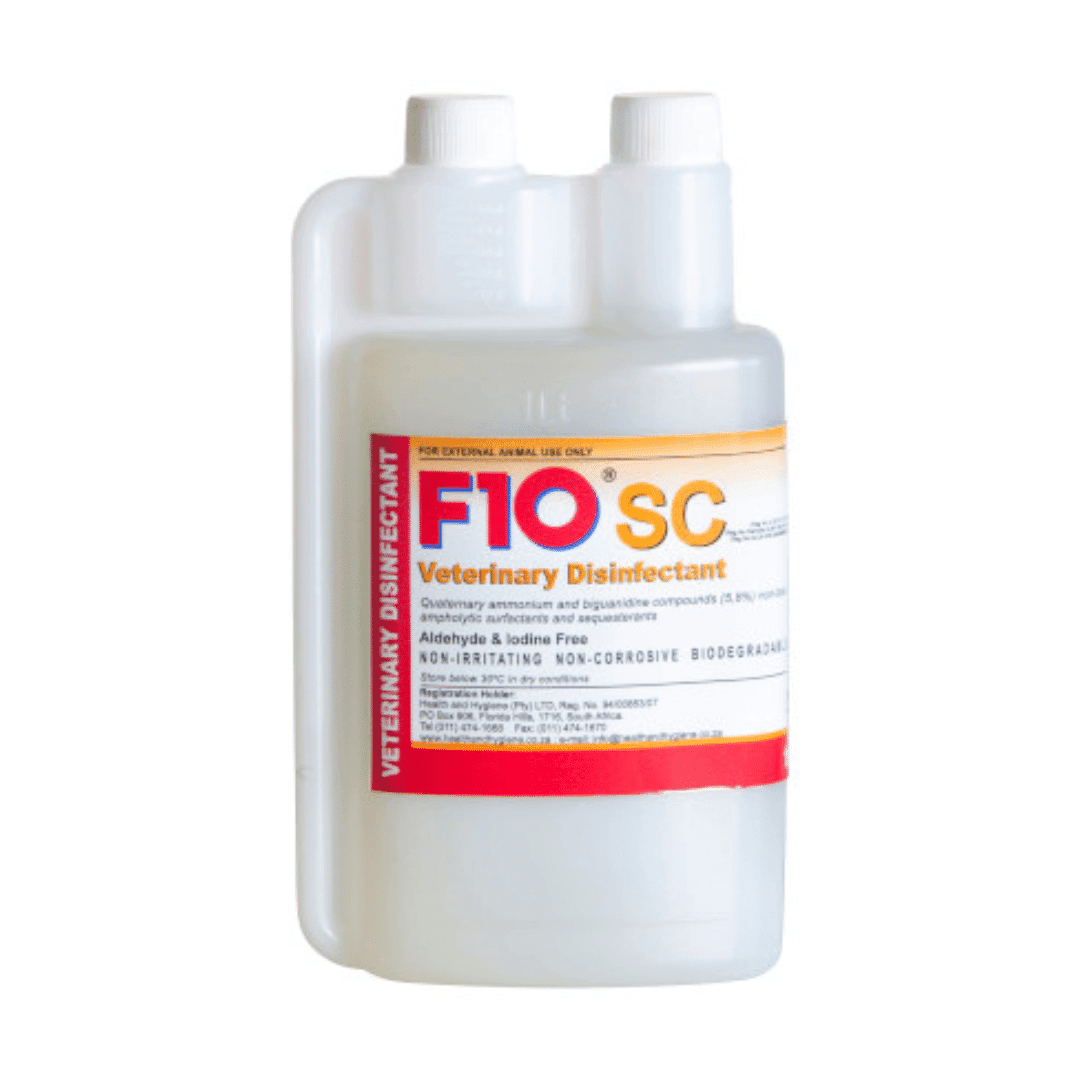
F10 SC Veterinary Disinfectant
F10SC is positioned as a best-in-class concentrated, dilutable disinfectant for reptile and amphibian enclosures because it combines broad-spectrum efficacy with low toxicity, making it safe for sensitive herpetofauna when used at recommended dilutions. Compared with oxidizing products like Virkon S it is gentler on substrates and animals yet still cost-effective in use due to low working concentrations, and it offers a more comprehensive environmental disinfection profile than single-purpose antiseptics such as chlorhexidine or Nolvasan.
Estimated$40 – $80
Chlorhexidine 2% Solution (Vetoquinol)
Chlorhexidine 2% is a widely available, inexpensive antiseptic concentrate commonly used for topical wound care and limited surface cleaning in reptile and amphibian husbandry; its low cost and familiarity to veterinarians make it a practical routine option. However, compared with broad environmental disinfectants on this list (F10SC, Virkon S, Rescue Concentrate) it lacks reliable sporicidal and full virucidal activity, so it is better used as a supplemental skin or equipment antiseptic rather than the sole enclosure disinfectant.

Virkon S Disinfectant
Virkon S is the market-leading oxidative concentrate noted for rapid, broad-spectrum activity including many viruses and bacteria, and strong track-records in outbreak control for high-risk environments, making it a top choice when maximal environmental biosecurity is required in reptile and amphibian settings. It is typically more expensive per use and more corrosive than milder concentrates like F10SC, but its fast kill times and validated efficacy against a wide range of pathogens justify the premium for quarantine or disease-response scenarios.

We may earn a commission on purchases. It never affects our rankings.
$13.99CAD
F10 SC Veterinary Disinfectant
Rescue Concentrate occupies a strong market position as a value-oriented, fast-acting veterinary disinfectant concentrate designed for routine enclosure rotations and high-throughput cleaning in collections of reptiles and amphibians. It usually offers shorter contact times and favorable per-liter costs compared with premium formulations like Virkon S, and while it may be less specialized than F10SC for sensitive animal safety, its combination of economy and speed makes it attractive for frequent, large-area uses.

Estimated$30 – $60
Nolvasan Solution
Nolvasan is a trusted chlorhexidine-based veterinary solution commonly used for skin antisepsis and localized equipment disinfection in herpetological care because of its low irritation and well-known safety profile. Compared with dedicated environmental concentrates such as Virkon S or F10SC it is less reliable for inactivating tougher environmental pathogens and spores, but its low cost and suitability for direct animal contact make it a valuable complementary product in multi-step cleaning and disinfection protocols.

Estimated$10 – $30
What the Research and Veterinary Guidance Say
Scientific evaluations, laboratory trials and veterinary guidance converge on several practical points: concentrated disinfectants can provide consistent, broad-spectrum activity when used at the correct dilution and contact time; pre-cleaning to remove organic material greatly improves performance; and product selection should account for amphibian and reptile sensitivities, material compatibility and the specific pathogens of concern. Canadian veterinary resources and international laboratory studies emphasize that proper application technique and dilution accuracy often matter more than the choice of brand alone.
Peroxygen-based formulations (commonly used in facility disinfectants) have laboratory evidence showing rapid activity against many bacteria, viruses and fungi when used at recommended dilutions and contact times.
Chlorhexidine 2% solutions are supported by veterinary literature for effective antisepsis and skin/wound use, though surface decontamination performance depends on contact time and thorough cleaning.
Multipurpose veterinary concentrates tested in controlled trials demonstrate broad-spectrum efficacy against common enclosure pathogens when dilution, contact time and pre-cleaning protocols are followed.
Several studies and veterinary guidelines highlight that organic load (feces, soil, biofilm) severely reduces disinfectant activity, so mechanical cleaning before disinfection is essential.
Research and zoo/veterinary recommendations in Canada stress amphibian and reptile-specific considerations—allowing treated surfaces to dry fully or rinsing when appropriate to avoid prolonged exposure of animals to residues.
Conclusion
In Canada for 2026, concentrated dilutable disinfectants remain a practical, facility-trusted choice for breeders and institutions managing reptiles and amphibians. The five options featured here — F10SC Veterinary Disinfectant, Chlorhexidine Solution 2%, Virkon S Disinfectant, Rescue Concentrate and Nolvasan Solution — each address common needs: F10SC for broad veterinary use, Chlorhexidine 2% and Nolvasan for antiseptic and wound-related applications, Rescue Concentrate for targeted control scenarios, and Virkon S for a proven, facility-grade broad-spectrum option. For enclosure-wide decontamination where broad-spectrum efficacy and facility adoption matter most, Virkon S is often the best single choice on this list; however, your ideal product depends on the pathogens you need to control and animal safety considerations. I hope you found what you were looking for — refine or expand your search using the search box above to compare dilution tables, safety data sheets and local Canadian supplier options.