

Hospital-Grade Veterinary Disinfectants for Reptile & Amphibian Housing: Top 5 Canada Picks for 2026 — Veterinary-Tested Options and How to Choose
Veterinary and hospital-grade disinfectants tailored for reptile and amphibian housing deliver validated efficacy against bacteria, fungi and viruses relevant to herpetofauna. These products are used by clinics, rescue facilities and advanced private collections where regulatory standards and high-level disinfection are required. In Canada buyers prioritize broad-spectrum performance, validated contact times (especially against hardy or non-enveloped pathogens), low residue and material compatibility with plastics, glass and natural substrates. Additional consumer preferences include amphibian-friendly safety profiles, clear label instructions for dilution and contact time, availability through Canadian suppliers, and cost per litre when used at recommended concentrations. Together, these factors make hospital-grade veterinary disinfectants appealing to veterinarians, curators and serious keepers who need reproducible, documented results rather than household cleaners.
Inception's AI took the time to understand this market in Canada · · How we pickWe may earn a commission on purchases. It never affects our rankings.
Top Picks Summary
F10 SC Veterinary Disinfectant
F10SC is a hospital-grade, multi-purpose disinfectant prized in herpetological settings for broad-spectrum efficacy, low residual toxicity, and excellent material compatibility — making it well suited for routine cleaning of reptile and amphibian housing. It holds a best-in-class position for day-to-day use because it is less corrosive than oxidizing options like Virkon S and often more affordable for frequent applications, while offering longer in-use stability compared with some concentrated hydrogen-peroxide systems.
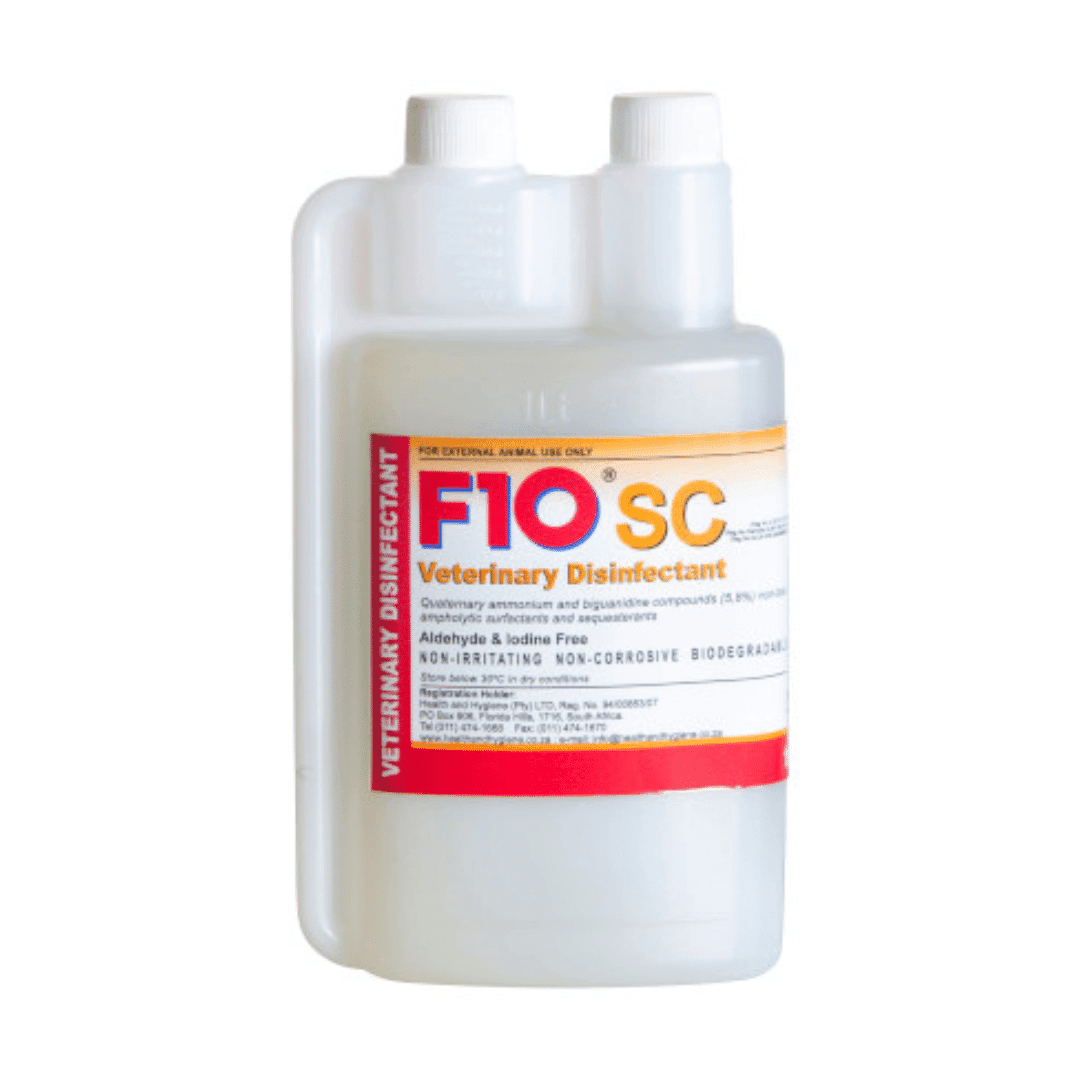
Estimated$50 – $180
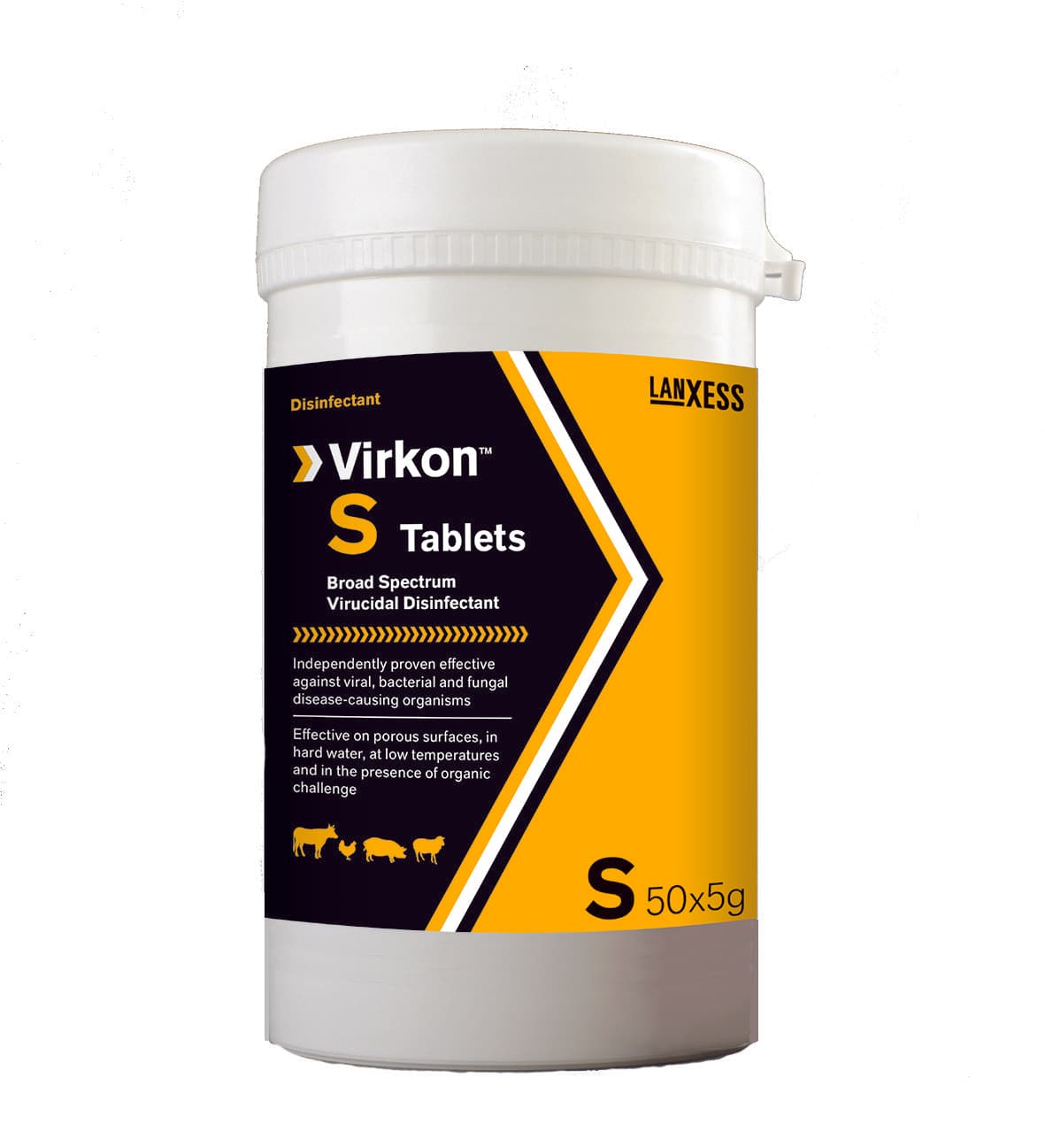
Virkon S Disinfectant
Virkon S is a market-leading oxidizing hospital-grade disinfectant known for rapid, validated kill rates against viruses, bacteria and fungi, and robust performance under high organic load — positioning it as the go-to choice for outbreak control in reptile and amphibian collections. Compared with quaternary or peroxide-based products it typically achieves faster inactivation of many pathogens, though it can be more costly and potentially more corrosive to some enclosure materials, so facilities often reserve it for disinfection events rather than daily use.
We may earn a commission on purchases. It never affects our rankings.
$13.99CAD
Rescue Veterinary Disinfectant
Rescue Veterinary Disinfectant is a hospital-grade product designed to balance strong antimicrobial efficacy with low animal irritation and convenient application, making it attractive for enclosures and handling areas where minimizing stress to ectotherms is a priority. It competes as a mid-tier option against Virkon S and Prevail by offering favorable cost-per-use and better material compatibility than many oxidizers, so facilities seeking an economical, routine-use disinfectant that still meets veterinary standards often select it.

F10 SC Veterinary Disinfectant
Prevail (concentrate) is an accelerated hydrogen peroxide-based hospital-grade disinfectant noted for rapid, broad-spectrum microbial kill with minimal residual chemistry and excellent substrate safety — traits that make it particularly appealing for sensitive amphibian species and mixed-species collections. Its concentrated format delivers strong cost-efficiency for large-scale use and a lower environmental persistence than phenolics, offering a technical advantage for programs that prioritize quick turnover and minimal chemical carryover in enclosures.

Estimated$40 – $220
Chlorhexidine Solution 2%
Chlorhexidine 2% is a time-tested topical antiseptic widely used for skin preparation and localized wound management in reptiles and amphibians due to its tissue compatibility and low cost. While excellent for direct animal care and spot-cleaning of surfaces, it is not a comprehensive environmental sporicide like Virkon S or Prevail, so it is best deployed complementarily rather than as the sole hospital-grade enclosure disinfectant.

What the Science and Lab Standards Say
Efficacy and safety for hospital-grade disinfectants are established through a combination of peer-reviewed research, independent laboratory validation and recognized test standards. Manufacturers commonly validate products against a range of organisms using standardized methods so users can compare performance. For practical use in herpetological settings, science emphasizes correct dilution, adequate contact time, and pre-cleaning to remove organic matter — all of which strongly affect real-world results.
Standardized tests (for example AOAC and European EN methods) are used to measure bactericidal, fungicidal and virucidal activity; look for listed test standards on product data sheets.
Independent lab reports show many hospital-grade formulations achieve wide-spectrum kill when used at labeled dilutions and specified contact times; actual performance drops with heavy organic load unless surfaces are pre-cleaned.
Contact time matters more than concentration alone — longer exposures are often required for spores and some non-enveloped viruses common in animal collections.
Different active chemistries have predictable profiles: oxidizing agents tend to work quickly against viruses and spores, quaternary ammonium compounds are effective against many bacteria but may be less reliable for some viruses, and antiseptics such as chlorhexidine are primarily intended for skin/prep rather than routine environmental disinfection.
Safety for amphibians and reptiles depends on residues, inhalation risks and the need to fully rinse or dry treated surfaces before reintroduction; follow label guidance and, when possible, consult veterinary sources for species-specific sensitivities.
Registration and regulatory documentation (for example Health Canada listings or equivalent documentation) and manufacturer technical data sheets are essential references when selecting a product for clinical or regulated environments.
Frequently Asked Questions
Which disinfectant should I pick for reptile enclosures?
Pick F10SC Veterinary Disinfectant for routine cleaning of reptile and amphibian housing because it’s hospital-grade with broad-spectrum efficacy against bacteria, fungi and viruses and has low residual toxicity; it’s rated 4.6.
What contact time and chemistry does Virkon S use?
Virkon S Disinfectant is a powder concentrate with peroxygen chemistry; typical contact times are about 5–10 minutes, and it’s rated 4.4 on average.
Is Rescue Veterinary Disinfectant worth 165.13 CAD?
Rescue Veterinary Disinfectant lists at $183.48 CAD and is hospital-grade, effective against a broad range of pathogens including bacteria and fungi, with either ready-to-use or concentrate formats; its average rating is 4.
Is Virkon S safe on metals compared to others?
Virkon S Disinfectant may be corrosive to some metals, unlike Rescue Veterinary Disinfectant described as non-corrosive; Virkon S is rated 4.0 and Rescue is rated 4.
Conclusion
In the Canadian context these five hospital-grade choices — F10SC Veterinary Disinfectant, Virkon S Disinfectant, Rescue Veterinary Disinfectant, Prevail Concentrated Disinfectant and Chlorhexidine Solution 2% — represent the range of chemistries and use-cases clinics and advanced collections most often choose in 2026. For broad-spectrum, clinic-grade work with a strong balance of efficacy and amphibian/reptile utility, F10SC Veterinary Disinfectant is the recommended first choice on this page when used exactly as directed. We hope you found the information you were looking for; if you want to narrow results by cost, active chemistry, or intended use (skin prep versus environmental disinfection), refine or expand your search using the site search to find product sheets, regulatory listings and supplier options in Canada.