

Canada 2025: Top 7 Acrylic & Plastic Enclosures for Reptiles and Amphibians - A Guide to Lightweight, Insulated, Break-Resistant Terrariums
Lightweight, durable acrylic and plastic enclosures deliver a practical alternative to glass for reptile and amphibian keepers. Favored for better insulation and higher impact resistance than traditional glass tanks, these enclosures are popular across hobbyists, breeders, and transporters for their custom-shape capability, portability, and reduced breakage risk. In Canada, where temperature control and safe shipping are priorities, acrylic and engineered plastic designs help maintain stable microclimates, support species that require elevated temperatures, and minimize injury or escape during handling. Buyers commonly choose these materials for energy efficiency in colder seasons, ease of customization for species-specific needs, and for safer, lighter setups when moving animals between shows, clinics, or seasonal housing.
Inception's AI took the time to understand this market in Canada · · How we pickWe may earn a commission on purchases. It never affects our rankings.
Top Picks Summary
Exo Terra Nano Tall Terrarium is positioned as the premium desktop acrylic option for hobbyists who need vertical space; its taller profile and refined finish make it ideal for climbing plants and arboreal micro-specimens. Compared with the other entries, it trades a higher price for better fit-and-finish, clearer acrylic and a design that reduces fogging and improves access — a worthwhile investment if desktop presentation and longevity matter more than the lowest cost.
Show More Acrylic Desktop Terrariums
We may earn a commission on purchases. It never affects our rankings.
$79.99CAD
Lee's Kritter Keeper is a budget-friendly, lightweight plastic carrier ideal for quick moves, shows, and short transports — its low cost and ventilated design make it the go-to choice for frequent, low-risk transfers. Versus the more rigid Exo Terra Faunarium or the specialized breeding boxes here, Lee's offers the best price-to-portability ratio for hobbyists who prioritize economy and ease of handling over long-term durability or feature-rich construction.
Show More Plastic Transport Terrariums
The Zoo Med ReptiBreeze Open Air Screen Cage Large prioritizes ventilation and lightweight, breathable construction, making it a top pick for arboreal reptiles that require high airflow and dry microclimates. Financially it is economical and easy to move or modify, but technically it cannot match the humidity retention, optical clarity, or sealed environment advantages that purpose-built acrylic arboreal enclosures provide.
Show More Acrylic Arboreal Enclosures
Estimated$120 – $220
The REPTI ZOO 67 Gallon Reptile Glass Terrarium presents a budget-conscious, high-volume option that gives builders plenty of room for realistic desert scaping and thermal mass from glass. Against lighter acrylic competitors it generally offers better long-term rigidity and heat retention for basking setups, delivering strong value-per-gallon for hobbyists willing to add their own ventilation or accessory upgrades rather than buying an all-in-one kit.
Show More Acrylic Desert Habitat Terrariums
Estimated$300 – $450
Zilla Tropical Vertical Habitat Kit is positioned as the go-to vertical habitat for climbing tropical species because it balances an affordable price with a tall footprint and built-in features suited for plant growth and vertical layouts. Compared with sealed acrylic or glass terrariums optimized for maximum humidity, the Zilla kit often uses more ventilated elements to support airflow for active arboreal animals, offering a pragmatic compromise between humidity maintenance and species-specific ergonomics at a mid-range price point.
Show More Acrylic Tropical Humidity Terrariums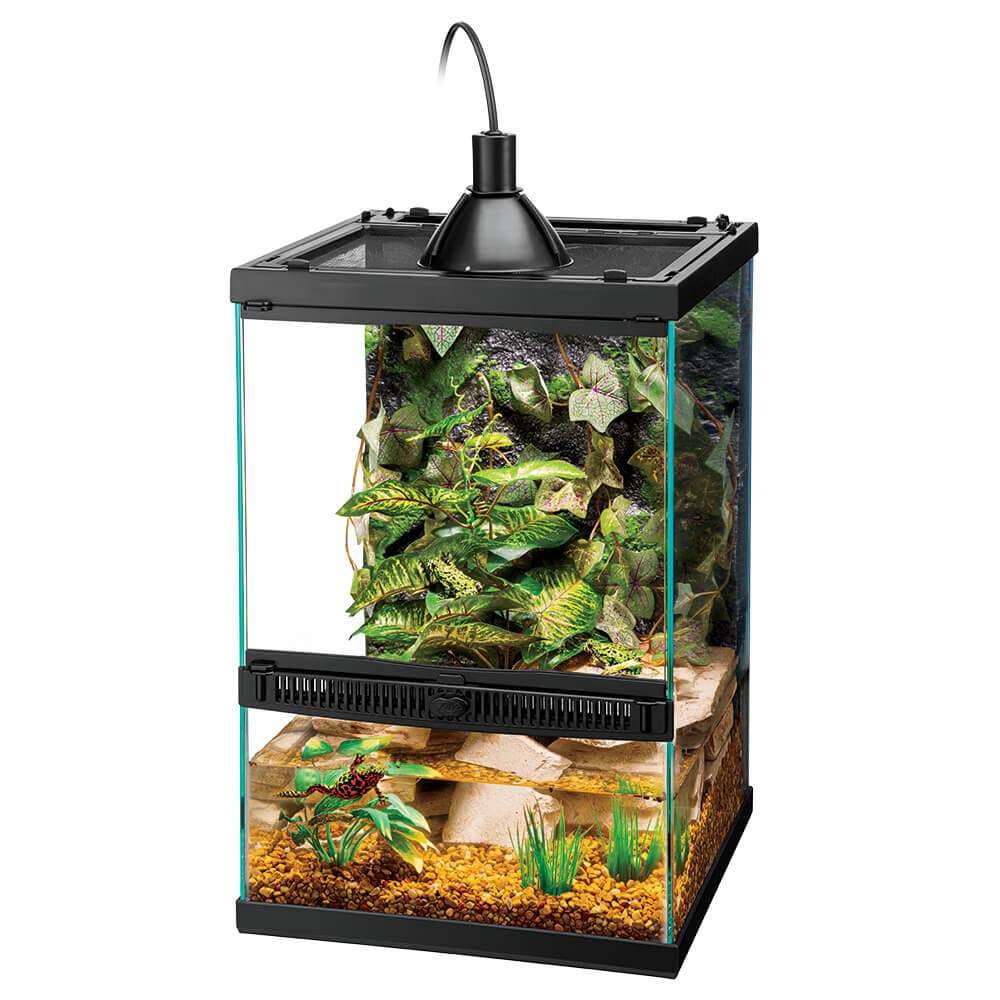
Estimated$140 – $230
Vision Products V-35S Stackable Tubs
The Vision Products V-35S is the most budget-friendly, lightweight stackable tub on this list, ideal for quarantine, temporary housing or large-scale, low-cost setups. Its low upfront cost and easy-clean design make it attractive for volume operations, but it is not a true acrylic display system and therefore offers less rigidity, clarity and long-term customization than Zen Habitats or Cornel's World acrylic models.
Show More Acrylic Hatchling and Juvenile Terrariums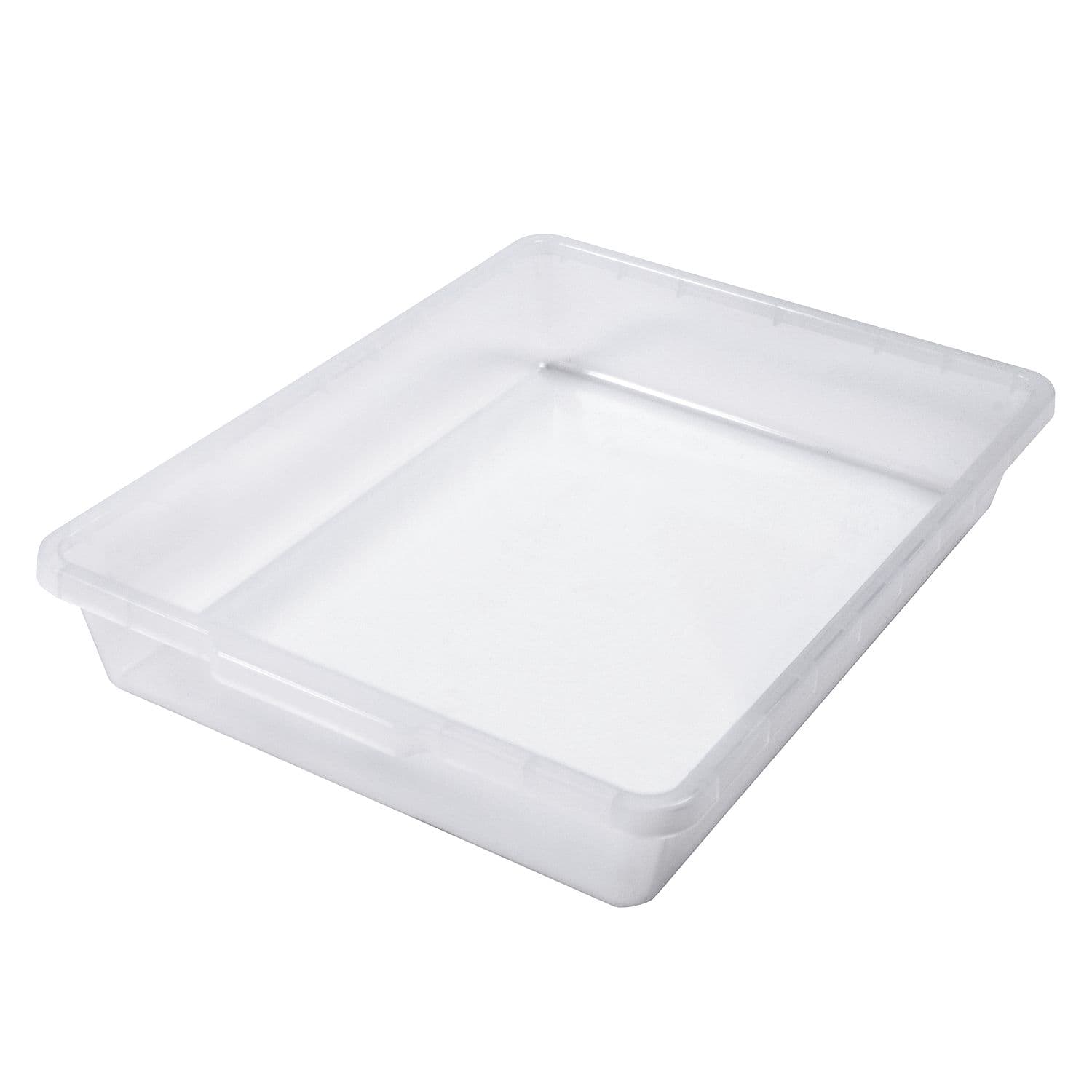
Estimated$80 – $150
Reptile Habitats 6x2x2 Premium Series targets enthusiasts who want oversized acrylic enclosures with built-in climate control channels and premium hinge hardware, positioning it between the mass-market and bespoke custom builders. Technically it outperforms several competitors in integrated thermal management and maintenance-friendly access, which can lower lifecycle costs for heat-sensitive setups compared with unmodified display tanks. Compared to the Vision Cage and Terrainium, it trades some optical finesse for rugged, user-focused features that reduce hands-on maintenance time for high-volume keepers.
Show More Modular Stackable Acrylic Enclosures
Estimated$1,200 – $2,500
What the Research and Materials Science Say
Scientific and veterinary literature along with materials science testing help explain why acrylic and certain plastics perform well as enclosure materials. The findings emphasize thermal behavior, impact resistance, animal welfare implications of stable microclimates, and practical tradeoffs like scratch resistance and UV sensitivity. Below are accessible summaries of the main points that matter when choosing an enclosure.
Thermal performance: Materials like acrylic have lower thermal conductivity than standard glass, which helps retain heat and can create a more stable internal temperature gradient beneficial for ectothermic animals that rely on external heat sources.
Impact resistance: Engineering plastics and acrylic are documented to be substantially more impact resistant than annealed glass, reducing the chance of catastrophic breakage during transport or in high-traffic environments and lowering the risk of injury to animals and handlers.
Microclimate stability and animal health: Peer-reviewed herpetology and veterinary studies link consistent temperature and humidity ranges to improved digestion, immune function, and breeding success in many reptile and amphibian species, making an enclosure's insulation properties important for husbandry outcomes.
Light transmission and UV considerations: Acrylic transmits visible light well but can filter or degrade under prolonged UV exposure. For species requiring UVB, enclosure design must accommodate proper UVB fixtures and placement to ensure animals receive necessary wavelengths.
Cleaning and biosecurity: Many plastics resist corrosion and are easier to shape into seamless designs that reduce crevices for pathogens. However, some solvents and abrasive cleaners can damage plastic surfaces, so following recommended cleaning protocols is important for long-term hygiene.
Weight and transport benefits: Lower weight reduces shipping costs and stress during handling. For mobile setups used by breeders, rescuers, or exhibitors, acrylic/plastic enclosures offer practical advantages while maintaining adequate structural safety when properly supported.
Tradeoffs and durability: While impact-resistant, plastics can scratch more easily than glass and may yellow over many years under direct UV exposure. Choosing UV-stable grades and considering protective films or coatings can mitigate long-term clarity loss.
Frequently Asked Questions
Which terrarium should I choose for arboreal reptiles?
Choose the Tamura Designs Custom Acrylic Arboreal Terrarium 18x18x36: it’s a clear acrylic, sealed-seam enclosure built for arboreal husbandry with sealed seams for superior clarity and better humidity and heat retention; rating 4.8.
Does the Exo Terra Nano Tall have a front door?
Yes—the Exo Terra Nano Tall Terrarium has a front-opening door for easy access and maintenance, with a vertical footprint ideal for climbing species and desktop placement; rating 4.6.
How does the Faunarium price compare to Nano?
The provided info doesn’t list any prices for the Exo Terra Faunarium or the Exo Terra Nano Tall Terrarium, so I can’t compare Canada pricing or value; ratings are 4.6 and 4.6 respectively.
Is the Exo Terra Faunarium okay for transport?
Yes—the Exo Terra Faunarium is designed as a durable, modular plastic transport terrarium with a snapping lid and ventilation slots for secure, transportable housing; rating 4.4.
Conclusion
Whether you're outfitting a hatchling, building a transport case, or upgrading to a more energy-efficient terrarium, acrylic and plastic enclosures are a strong option for many Canadian keepers in 2025. We hope you found the comparison helpful — use the site search to refine by size, species suitability, insulation properties, or Canadian retailer and shipping options to find the exact model you need.