

Top 6 Hiking Boots in Canada for 2025, Durable and Supportive Picks to Confidently Tackle Long-Distance and Rugged Trails
Durable, supportive hiking boots designed for long-distance routes and rugged terrain are essential for Canadian hikers. These boots deliver ankle protection, reliable traction, and overall stability while covering a range of needs from lightweight day hikes to heavy-load backpacking. Canadian consumers prioritize waterproofing for wet and snowy seasons, breathable construction for summer treks, and a balance of stiffness and cushioning to reduce fatigue on multi-day routes. Other common preferences include precise fit and sizing options for diverse foot shapes, durable outsoles for mixed rock and root conditions, repairable construction or strong warranties, and an increasing interest in sustainable materials. This category highlights boots that perform across varied Canadian ecosystems, from coastal rainforests and muskeg to alpine ridgelines and boreal backcountry.
Inception's AI took the time to understand this market in Canada · · How we pickWe may earn a commission on purchases. It never affects our rankings.
Top Picks Summary
The Merrell Moab 3 is the value leader for day hiking boots, offering proven comfort, a roomy fit and durable leather or synthetic options at a budget-friendly price—perfect for casual day hikes and first-time hikers. While it lacks some of the advanced technical features and refined fit of the Salomon or La Sportiva models, its reliable cushioning and widely available replacement parts make it the economical, dependable choice for everyday trail use.
Show More Day Hiking Boots
The HOKA Anacapa Mid GTX stands out for its plush, highly cushioned midsole and rocker geometry that reduce fatigue on extended miles, combined with a waterproof Gore‑Tex upper for all‑weather touring. Technically it favors comfort and shock absorption over the firmer, more feedback‑driven Scarpa and the rugged longevity of the Danner, and while its retail price can be higher, the reduced fatigue and softer ride translate to real financial value for thru‑hikers and ultralight backpackers covering long daily distances.
Show More Lightweight Backpacking Boots
The Salomon Quest 4 GTX is a market-leading heavy-load backpacking boot that combines a waterproof Gore‑Tex membrane with a rigid, load-oriented chassis and a supportive, high-cut collar to deliver exceptional ankle stability and long-distance comfort under heavy packs. Compared with heavier full-leather alternatives it achieves a strong balance of durability, technical traction (Contragrip outsole) and lower overall weight, giving serious backpackers a cost-effective, ready-to-use option that requires less break-in while still protecting feet on rough terrain; the model is released and available for purchase.
Show More Heavy Load Backpacking Boots
The Lowa Renegade GTX Mid is the go-to waterproof trekking boot for hikers seeking dependable comfort, stable support and strong value for day hikes and light multi-day treks. It is less technical than the Salomon or Scarpa but often more affordable and easier to break in, making it a practical financial choice for many trekkers who want Gore-Tex protection and a proven midsole without the premium price of Arc'teryx-level technical materials.
Show More Waterproof Trekking Boots
The Columbia Bugaboot Celsius Plus delivers strong value by combining reflective thermal lining and lightweight insulation to offer warmth at a competitive price point, often undercutting premium rivals while still performing well on moderate winter trails. It won’t match the Salomon for technical traction or the Baffin for extreme-cold rating, but it represents an excellent budget-friendly option for hikers seeking good thermal efficiency and modern features like heat-reflective lining without a steep investment.
Show More Winter Insulated Hiking Boots
The Salewa Ortles Couloir is a more budget-conscious alpine boot that combines rugged construction, a narrow performance fit and reliable Gore‑Tex protection, appealing to climbers who want technical capability without the highest price tag. While it is not as stiff or heavy-duty as the Nepal Cube or Mammut Nordwand 6000, the Ortles Couloir delivers strong cost-to-performance value for mixed routes, approach climbs and mountaineering training.
Show More Mountaineering Trekking Boots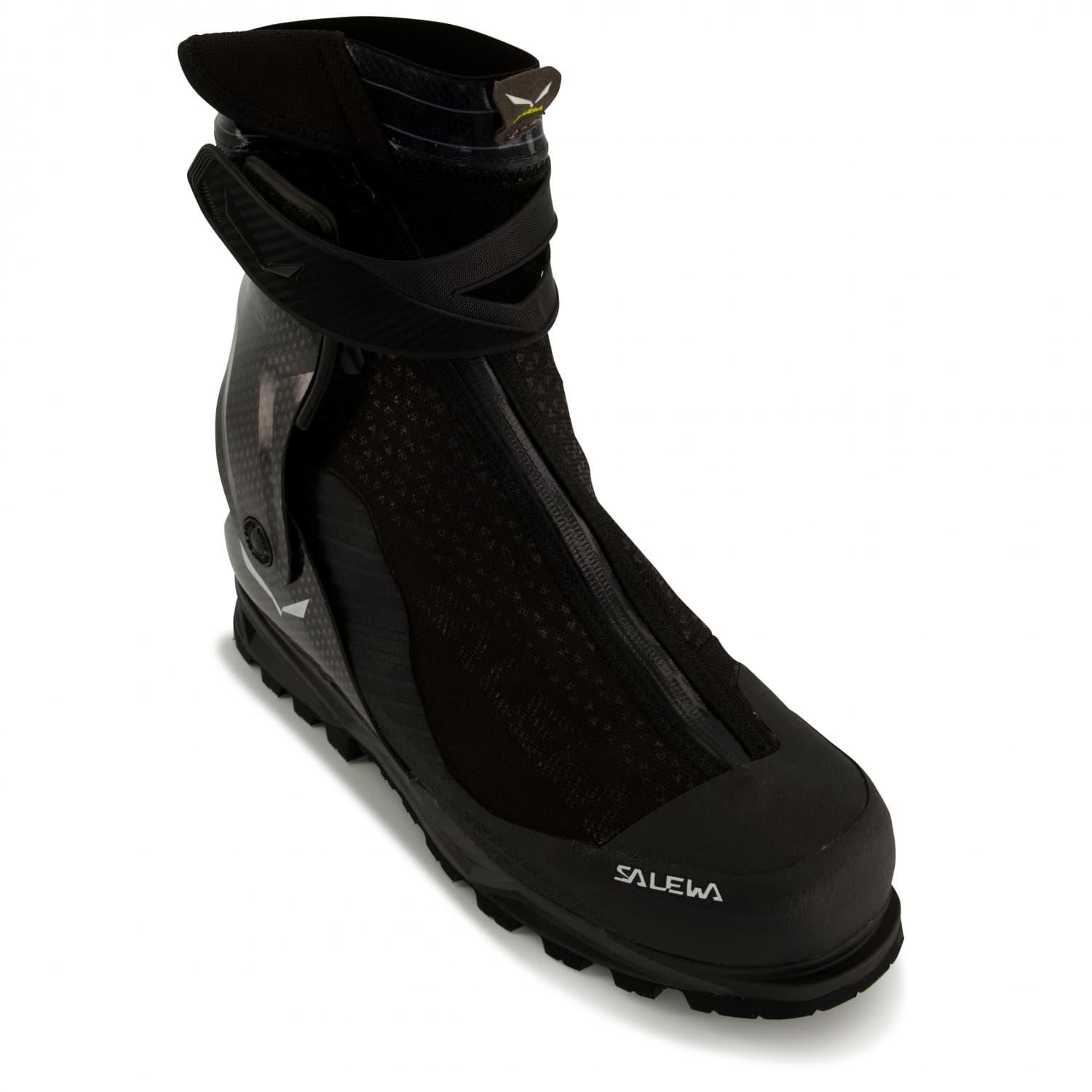
Estimated$400 – $600
What Research and Field Tests Say About Hiking Boot Benefits
Scientific studies and applied field testing help explain why certain boot features matter. Research in biomechanics, sports medicine, and ergonomics, along with controlled field trials, consistently points to the ways boot design influences stability, injury risk, comfort, and energy use on trail. Below are clear takeaways that beginners can use when choosing a boot.
Ankle support: Biomechanics research shows that higher-cuff and well-stabilized boots reduce the range of uncontrolled ankle motion on uneven ground, which can lower the incidence of lateral ankle sprains compared with low-cut footwear in rough terrain.
Traction and outsole design: Laboratory traction testing and field trials demonstrate that lug pattern, rubber compound, and sole stiffness directly affect slip resistance on wet rock, mud, and roots. Matching outsole design to expected terrain improves safety and confidence.
Waterproof membranes and breathability: Studies of vapor transmission and field performance indicate that waterproof membranes keep feet dry in wet conditions but vary in breathability. For long, sweaty climbs in warm weather, breathability becomes as important as waterproofing to reduce blister risk.
Sole stiffness and energy efficiency: Research on load carriage shows stiffer midsoles and supportive shanks can reduce foot and calf fatigue under heavy packs by improving force distribution, though overly stiff soles may reduce comfort on long rolling terrain.
Fit and foot health: Clinical guidance and ergonomic studies emphasize that proper fit, including appropriate toe room and heel hold, reduces hotspots, blisters, and long-term foot problems. Custom insoles or sizing adjustments can substantially improve comfort.
Material durability and sustainability: Accelerated wear testing and lifecycle analyses highlight trade-offs between ultra-lightweight materials and long-term durability. Increasingly, manufacturers are adopting recycled and lower-impact materials while balancing abrasion resistance and repairability.
Frequently Asked Questions
Which hiking boot should I buy for day hikes?
Choose the Merrell Moab 3 at $109.99 CADif you’re doing casual day hikes or first-time hiking boots, because it has a durable leather/suede upper, cushioned midsole and supportive footbed, and a 4.4 average rating.
Does the Merrell MQM 3 Mid Gore-Tex have Gore-Tex waterproofing?
Yes—the Merrell MQM 3 Mid Gore-Tex uses a Gore-Tex waterproof membrane paired with breathable mesh, and it’s listed at CA$119.67 with a 4.2 average rating and lightweight, nimble build for quick approaches.
How does Zamberlan 996 Vioz GTX pricing compare?
The Zamberlan 996 Vioz GTX costs CA$492.35 and includes Italian-made full-grain leather with a Gore‑Tex waterproofing system plus a Vibram outsole for heavy packs; its average rating is 4.5.
Is the Zamberlan 996 Vioz GTX better for heavy backpacking?
Yes—the Zamberlan 996 Vioz GTX is built for heavy-load backpacking with a stiff midsole and Vibram outsole designed to support heavy packs and technical approaches, and it has an average rating of 4.5 at CA$492.35.
Conclusion
Across Canada, the right hiking boot depends on your trail types, typical loads, and seasonal conditions. We hope this guide helped you narrow the field for 2026 and pointed you toward boots that match your priorities for durability, support, and traction. If you want to refine results by weight, waterproof rating, ankle height, or intended use, use the search or filters above to expand or focus your options.