

Ultimate Guide to Mountaineering Boots 2026: Compare Top Picks for Alpine Adventures
When it comes to mountaineering and trekking on technical alpine routes, having the right footwear is crucial for both performance and safety. Mountaineering boots are specifically designed to address the unique challenges presented by rugged terrains, harsh weather conditions, and the demands of climbing. The Canadian market in 2026 offers an exciting selection of high-performance trekking boots from leading brands such as La Sportiva, Scarpa, Arc'teryx, Mammut, and Salewa. These brands have become synonymous with mountain excellence, providing boots that not only offer superior grip and insulation but also enhance comfort and durability. With a variety of features tailored for different climbing conditions, pros and cons should be considered in line with individual hiking styles. Whether you're tackling snow-covered trails, ascending ice, or navigating rocky scrambles, the right boot can make a significant difference in your experience. By comparing these top products, you can make an informed decision that aligns with your specific needs while also enjoying substantial savings. Each option presents impressive technology and craftsmanship, catering to both novice trekkers and seasoned professionals. Your choice should reflect personal preferences regarding fit, support, weight, and insulation, ensuring your pursuit of adventure is both enjoyable and rewarding.
Inception's AI took the time to understand this market in Canada · · How we pickWe may earn a commission on purchases. It never affects our rankings.
Top Picks Summary
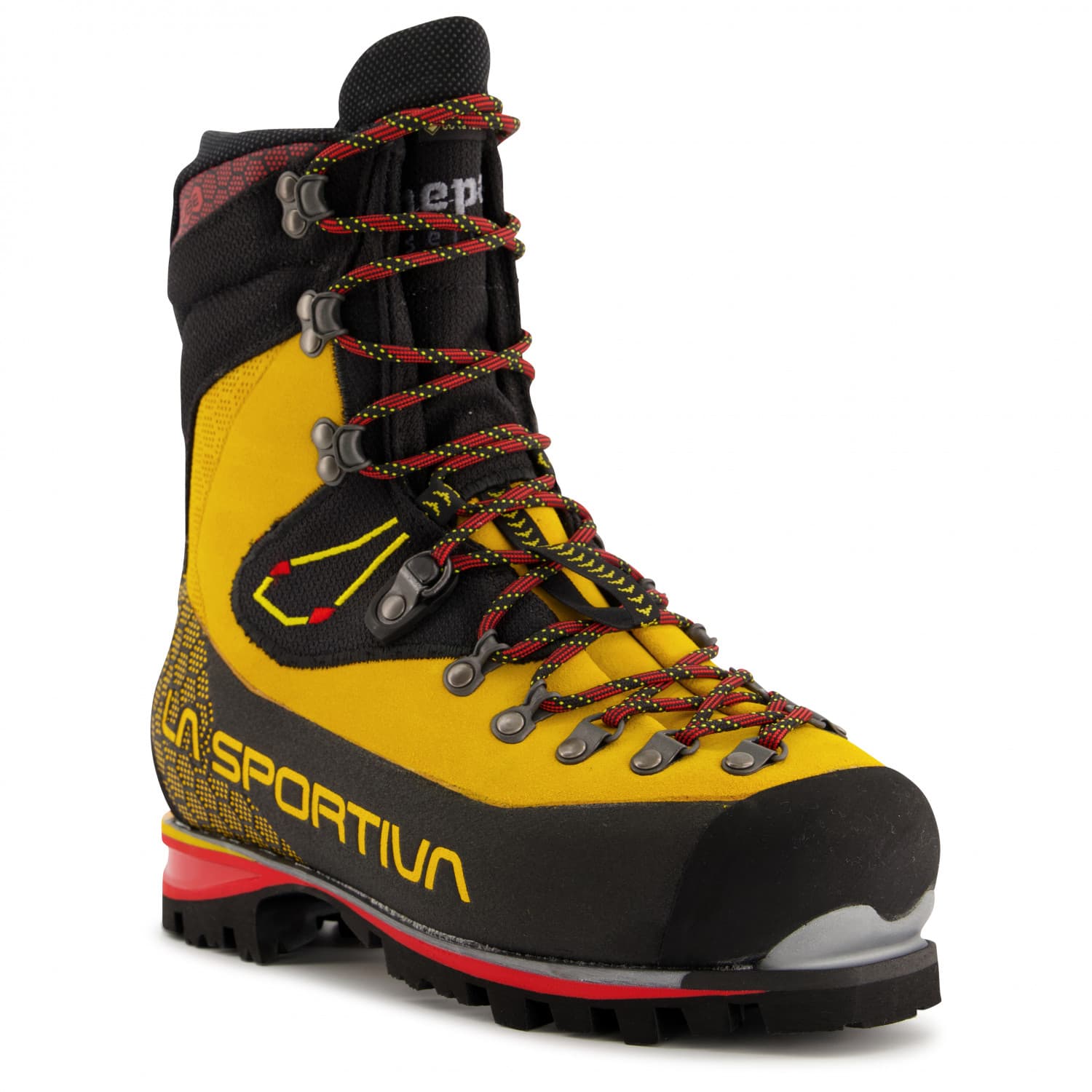
La Sportiva Nepal Cube GTX
The Nepal Cube GTX is La Sportiva's flagship high-altitude boot, prized for its blend of stiff support, Gore‑Tex insulation and sticky Vibram outsole that make it ideal for technical mountaineering and sustained glacier travel. Compared with the lighter, more alpine-focused Scarpa Mont Blanc Pro and Arc'teryx Acrux AR GTX, the Nepal Cube delivers superior crampon compatibility and long-term durability at the expense of greater weight and typically higher price, which cements its position for heavy alpine objectives.
Estimated$900 – $1,100
Scarpa Mont Blanc Pro GTX
The Scarpa Mont Blanc Pro GTX balances a precise, performance-oriented fit with modern materials—offering a slightly lighter, more responsive cuff and a supportive midsole that appeals to climbers who want technical performance without full expedition bulk. Against the heavier Nepal Cube and the very stiff Mammut Nordwand 6000, the Mont Blanc Pro trades some insulation and maximal load-bearing for agility and often a more attractive price-performance ratio, making it a strong choice for technical mixed routes.

Estimated$700 – $900
Arc teryx Acrux AR GTX
The Arc'teryx Acrux AR GTX is a versatile, lightweight mountaineering boot that emphasizes modern textiles and a refined fit for fast-and-light alpine missions; its Gore‑Tex lining and reduced bulk deliver strong technical performance with improved breathability. Relative to heavier expedition boots like the Nepal Cube and Mammut Nordwand 6000, the Acrux offers superior weight-to-performance economics for climbers prioritizing speed and lower carry weight, though it may sacrifice some extreme-cold insulation and ultra-heavy-load durability.

Estimated$450 – $600
Mammut Nordwand 6000 High
The Mammut Nordwand 6000 High is engineered for hard alpine objectives, featuring pronounced stiffness, substantial insulation and excellent crampon integration suited to sustained high-altitude climbs. It outperforms the Arc'teryx and Salewa in protection and load-bearing capability, but typically commands a premium for its alpine-grade construction—making it the preferred option when durability and safety outweigh the need for low weight.

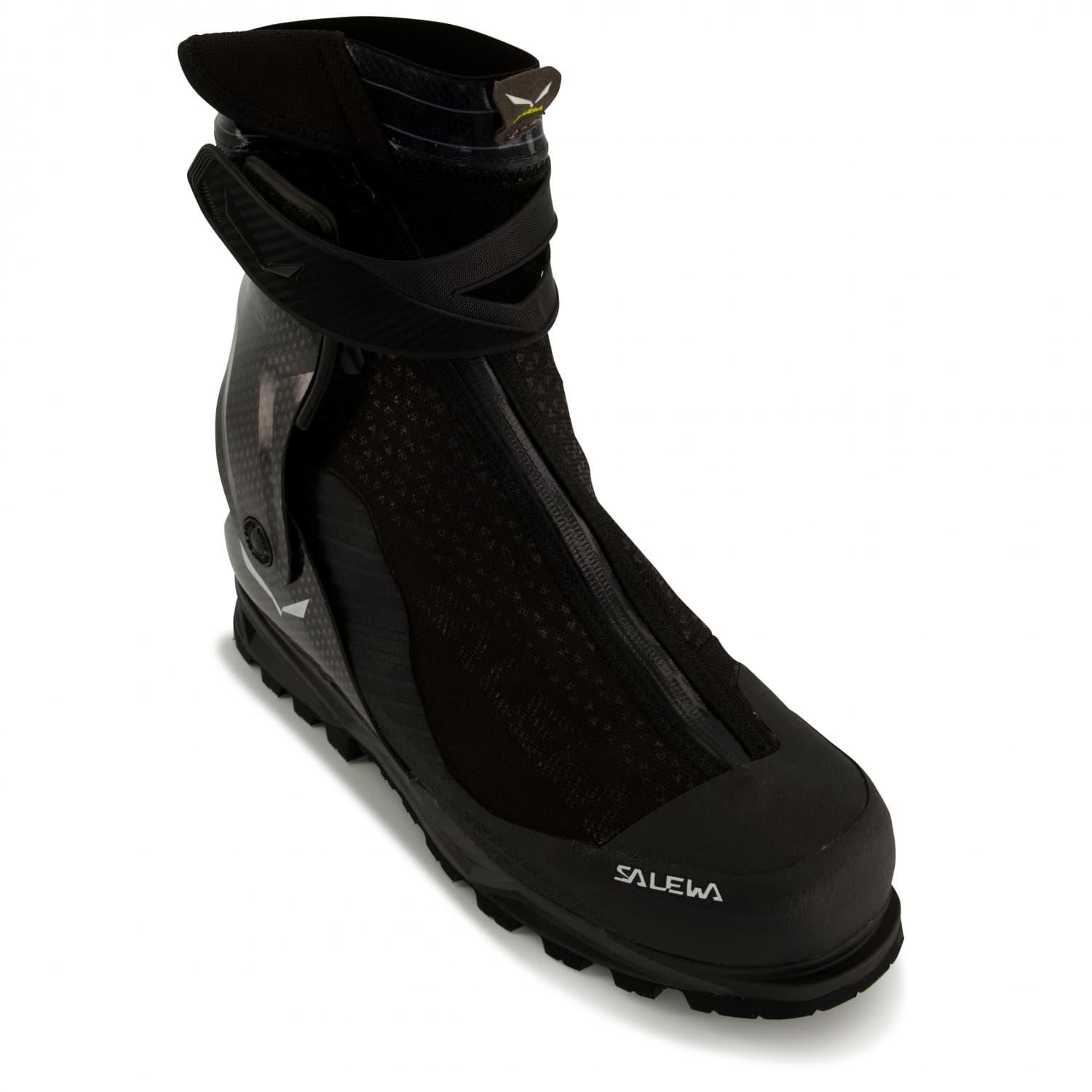
Salewa Ortles Couloir
The Salewa Ortles Couloir is a more budget-conscious alpine boot that combines rugged construction, a narrow performance fit and reliable Gore‑Tex protection, appealing to climbers who want technical capability without the highest price tag. While it is not as stiff or heavy-duty as the Nepal Cube or Mammut Nordwand 6000, the Ortles Couloir delivers strong cost-to-performance value for mixed routes, approach climbs and mountaineering training.
Estimated$400 – $600
Mountaineering trekking boots are engineered for extreme conditions, providing essential features that enhance your climbing experience. They offer outstanding grip and traction on slippery surfaces, advanced insulation to keep your feet warm, and waterproof materials to protect against the elements. Designed for comfort during extended wear, these boots prioritize ankle support and shock absorption while remaining durable enough to withstand the rigors of alpine exploration. With quality craftsmanship and cutting-edge technology, these boots set the standard for performance in challenging terrains.
What Research and Field Testing Say About Boot Performance
Peer-reviewed biomechanics research, outdoor medicine summaries, and field testing by alpine professionals converge on several consistent benefits of properly designed mountaineering boots. Studies and controlled testing show that sole stiffness improves crampon control and reduces forefoot fatigue, ankle support lowers the risk of inversion injuries on technical terrain, and appropriate thermal management sustains foot circulation to reduce cold-related injury risk. Waterproof-breathable membranes and layered sock systems help maintain a stable foot microclimate, while durable construction and resolable designs extend usable life and reduce long-term cost for frequent users.
Sole stiffness: Biomechanical testing indicates stiffer soles increase control and precision when front-pointing with crampons, improving safety on steep ice and mixed ground.
Ankle support: Ergonomics studies and injury surveillance in alpine environments show better ankle stabilization reduces acute sprain incidence during technical travel.
Thermal management: Research in outdoor medicine highlights the importance of fit and insulation in preventing cold-induced circulation loss; a slightly larger toe box with good insulation often outperforms overly tight fits.
Waterproof-breathable membranes: Laboratory comparisons demonstrate that quality membranes maintain dryness while allowing moisture vapor escape, which reduces blister risk and core microclimate issues during long approaches.
Trade-offs quantified: Field tests consistently show a weight versus insulation trade-off — lighter boots improve approach speed while heavier, more insulated models preserve foot warmth on high-elevation glacier or high-wind routes.
Repairability and lifecycle: Long-term testing by guides shows boots designed for resoling and with robust rands have lower lifetime cost and higher reliability for guided teams.
Frequently Asked Questions
Which boot should I choose for glacier travel stability?
La Sportiva Nepal Cube GTX is the better pick for glacier travel because it’s built as a stiff, crampon-compatible boot with Gore‑Tex waterproofing and a sticky Vibram outsole; it has a 4.6 average rating and costs CA$1,630.57.
Does Arc'teryx Acrux AR GTX support mixed terrain scrambling?
Yes—Arc'teryx Acrux AR GTX uses a moderately stiff Vibram outsole tuned for long approaches, scrambling, and mixed terrain; it has a 4.4 average rating, Gore‑Tex weatherproof lining, and a lightweight synthetic upper.
How does Scarpa Mont Blanc Pro GTX price compare?
Scarpa Mont Blanc Pro GTX costs CA$926.21, which is much less than La Sportiva Nepal Cube GTX at CA$1,630.57; Scarpa still includes Gore‑Tex lining, a rigid sole, and integrated rand with 2- and 3-clip crampon compatibility.
What crampon compatibility does Scarpa Mont Blanc Pro GTX offer?
Scarpa Mont Blanc Pro GTX is compatible with 2- and 3-clip crampons for glacier travel; it features a rigid sole with strong ankle support, has a 4.5 average rating, and is listed at CA$926.21.
Conclusion
In summary, the selection of mountaineering trekking boots available in Canada for 2026 features exceptional models, including the La Sportiva Nepal Cube GTX, Scarpa Mont Blanc Pro GTX, Arc'teryx Acrux AR GTX, Mammut Nordwand 6000 High, and Salewa Ortles Couloir. Each boot offers unique advantages that cater to various climbing styles and preferences. For instance, while the La Sportiva Nepal Cube GTX excels in stability and insulation, the Scarpa Mont Blanc Pro GTX is recognized for its impressive balance of weight and support. The Arc'teryx Acrux AR GTX stands out with its innovative materials for breathability, while the Mammut Nordwand 6000 High is perfect for high-altitude adventures. Finally, the Salewa Ortles Couloir combines the best aspects of flexibility and protection. The best choice ultimately depends on your specific needs, but you might find that the Scarpa Mont Blanc Pro GTX strikes an optimal balance between comfort and performance. We hope this guide has helped you find the ideal mountaineering boot for your next alpine adventure. If you wish to refine or expand your search further, our search tool is here to assist you in exploring even more options tailored to your requirements.