

Best Bicycle Tires in Canada 2026: Top 8 Picks for Every Ride
Bicycle tires are the single most important upgrade you can make for ride comfort, safety, and performance. In Canada in 2026, riders choose tires to match a wide range of conditions: year-round commuting through wet and salted streets, gravel and mixed-surface adventures in rural regions, cold-weather winter riding, and the growing number of e-bike commuters who demand extra durability. Popular trends include tubeless setups for fewer flats, wider tires run at lower pressures for comfort and traction, reinforced sidewalls for heavier e-bikes, and eco-friendlier compounds. Consumers in Canada value puncture protection, reliable wet-weather grip, and sizes compatible with modern rims, so top tire choices balance rolling efficiency, durability, and traction for the local climate and road surfaces.
Inception's AI took the time to understand this market in Canada · · How we pickWe may earn a commission on purchases. It never affects our rankings.
Top Picks Summary
Continental Gatorskin is a workhorse touring and training tire known for its abrasion-resistant compound and tough casing construction that yields very long tread life and consistent road performance. It commands a leading spot for riders who need durable, low-maintenance mileage on paved tours, combining lower rolling resistance than heavily protected models like the Marathon Plus and comparable durability to the Contact Plus, making it a strong choice for riders who prioritize longevity and predictable wear over absolute puncture-proofing.
Show More Road Tires for Bicycles
The Schwalbe Racing Ralph 29x2.25 balances speed with more aggressive side knobs for confident cornering on firm, packed trails. Positioned slightly upmarket, it offers durable casings and greater bite than narrower race tires, making it a cost-effective choice over time compared with lighter but less durable options such as the Vittoria Mezcal.
Show More Mountain Tires for Bicycles
The Maxxis Rambler EXO TR is a balanced, modern gravel tire that blends fast-rolling center tread with grippy shoulder blocks and EXO sidewall protection, making it a practical choice for adventure riders who demand durability and versatility. Compared to the bulk of the WTB Venture and the specialized Panaracer SK Plus, the Rambler sits in the middle ground—offering a strong mix of speed, puncture resistance, and affordability—so it appeals to riders wanting near-allround performance without stepping up to premium pricing.
Show More Gravel Tires for Bicycles
Estimated$160 – $220
Vittoria Randonneur II is a dependable, cost‑effective commuter tire featuring reflective sidewalls and a reinforced casing that delivers steady comfort and safety-minded visibility at a modest price. Its 40mm profile approximates Schwalbe's ride feel but typically retails lower, making it an economical alternative for urban riders who want decent puncture resistance and reflective features without paying premium prices or seeking the extreme plushness of Road Plus designs.
Show More Commuter Tires for Bicycles
We may earn a commission on purchases. It never affects our rankings.
$39.99CAD
Pirelli Cycl-e GT is the market leader for urban and commuter electric bicycles, featuring a silica-rich compound and a tread profile tuned for wet grip, low rolling resistance, and quick rolling that help extend battery range in everyday city riding. Its refined road feel and lighter, performance-oriented construction command a premium price but reduce energy loss and maintenance over time, making it financially attractive for frequent commuters. When compared to Schwalbe's heavy-duty Super Moto-X and Vittoria's touring e-Randonneur, the Cycl-e GT distinguishes itself with superior on-road performance and city-specific safety and efficiency features.
Show More Electric Tires for BicyclesEstimated$79 – $139
The Panaracer GravelKing SK is a tubeless-ready specialist for soft and loose mixed terrain, with an open, chevron-style tread that offers superior mud-shedding and bite compared to smoother, faster tires like the WTB Riddler or Maxxis Rambler. It is often competitively priced and notably grippy in messy conditions, though riders should expect a somewhat faster wear rate and a softer feel versus the more protective, longer-lasting Continental option.
Show More Tubeless Ready Tires for Bicycles
The CST Metropolitan Palm Bay targets style-conscious city cruisers with a wide, comfortable casing and a fashion-forward tread that delivers moderate puncture protection at a competitive price. Technically it emphasizes comfort and stability over heavy anti-puncture inserts, making it a sensible mid-budget pick that sits between the Kenda’s economy value and the higher-tech, more puncture-resistant Schwalbe and Continental options.
Show More Puncture Resistant Tires for Bicycles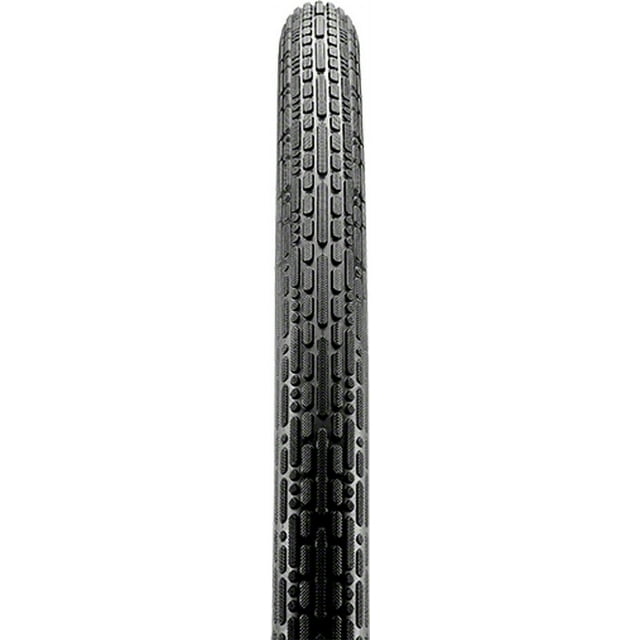
Estimated$40 – $65
Why tire choice matters: what research shows
Scientific testing and independent lab studies show that tire design influences energy use, traction, and comfort more than many riders expect. Research comparing tire widths and pressures finds that wider tires at moderate pressures can deliver lower rolling resistance on rough surfaces while improving stability and comfort. Other studies demonstrate that tubeless setups reduce the frequency of flats and can allow lower ride pressures without pinch flats. Materials science research links compound formulation and tread design to wet grip and wear life, so compound tradeoffs determine how long a tire lasts versus how well it grips. For e-bike applications, controlled testing highlights higher wear rates and the need for reinforced casings to resist cuts and punctures.
Wider tires at moderate pressures often reduce rolling resistance on rough or variable surfaces compared with very narrow, high-pressure tires.
Tubeless systems reduce flat frequency and can improve ride comfort by allowing lower pressures safely.
Reinforced casings and puncture protection layers reduce flats but can add weight and slightly increase rolling resistance.
Tread pattern and rubber compound strongly influence wet traction and braking performance.
E-bike specific tires are tested to withstand higher torque and load, showing better longevity on powered bikes.
Frequently Asked Questions
Which tire should I buy for training puncture resistance?
Choose the Continental Gatorskin for training routes that demand durability. The listed 700x25 Black Edition is a folding-bead, tube-type clincher (ETRTO 25-622) with a PolyX Breaker under the tread and DuraSkin sidewall fabric, a 330 TPI carcass and a high-carbon tread compound built for long wear. It holds a 4.4 average rating and lists around $79.90 CAD
Does the Maxxis Rambler 40mm roll fast on gravel?
Yes—the Maxxis Rambler 700x40C (ETRTO 40-622) uses a fast-rolling semi-slick centre with siped shoulder knobs for predictable cornering, sets up tubeless-ready on a 60 TPI EXO casing, averages 4.6, and lists around CA$92, making it a well-rounded pick for mixed-surface gravel. Tubeless use still requires a tubeless-ready rim and sealant.
Which tire here is best for everyday commuting?
The Vittoria Randonneur Tech in 700x28c (ETRTO 28-622) is the commuter pick on this list. It is a rigid wire-bead, tube-type city tire with a semi-slick siped tread, Vittoria's Solid Shielding puncture layer, a graphene-based e-bike-compliant compound and a reflective sidewall stripe for night visibility. It averages 4.4 and lists around CA$90.
What size and rim do I need before I order any of these tires?
Match the ETRTO/ISO 5775 numbers, not the marketing size: 622 is 700c/29in, 584 is 650b/27.5in and 559 is 26in, so a 700x25 Gatorskin (25-622) and a 29x2.25 Schwalbe Racing Ralph (57-622) share the same rim diameter but need very different rim widths. Check your rim's internal width against the maker's fitment chart, and for the tubeless-ready options here (Maxxis Rambler, Panaracer GravelKing SK, Racing Ralph) confirm the rim is also tubeless-ready and add sealant—tube-type tires such as the Gatorskin and Randonneur Tech cannot be run tubeless.
Conclusion
These top 8 bicycle tire picks for Canada in 2026 reflect the range of needs from winter commuting to gravel exploring and e-bike use. We hope you found options that match your riding style and local conditions. If you want to narrow the results by bike type, season, or tire size, use the search to refine or expand your selection.