

Top 7 Puncture Resistant Bicycle Tires in Canada for 2025 — Top Picks to Cut Flats and Ride with Confidence
Tires featuring protective layers, reinforced belts, or tougher compounds to reduce flats in urban and rough conditions. These tires trade a modest weight or rolling resistance penalty for significantly improved reliability and fewer roadside repairs. In Canada, riders choose puncture resistant tires for predictable commuting, long-distance touring across remote routes, gravel and multi-surface recreation, and increasingly for e-bikes where higher torque can amplify flat risks. Consumer preference is driven by a desire to reduce time and cost spent on repairs, improve safety on glass- and debris-prone city streets, and maintain mobility through seasonal hazards such as winter grit and potholes. Buyers balance protection against small penalties in weight and rolling feel, and recent market trends favor tubeless-ready casings, aramid or nylon belt reinforcements, tougher tread compounds, and designs that remain compatible with sealant, all of which increase real-world uptime and lower cost-per-kilometer for many Canadian riders.
Inception's AI took the time to understand this market in Canada · · How we pickWe may earn a commission on purchases. It never affects our rankings.
Top Picks Summary
Schwalbe Marathon GT 365 is the market-leading option for maximal puncture protection and longevity in city use, featuring Schwalbe’s SmartGuard belt and a compound tuned for year-round durability. It is heavier and typically pricier than Vittoria’s Randonneur Tech but delivers superior flat prevention and tread life, and it narrowly outperforms the Continental Contact Plus on puncture resistance at the expense of added weight and cost.
Show More Puncture Resistant Urban Bicycle Tires
Vittoria Randonneur Classic is a traditional, budget‑friendly touring tyre offering solid puncture resistance and a comfortable, stable ride for urban and light touring. It lacks some of the modern belt technology found on Schwalbe and Continental models, so while economical and serviceable for casual touring it doesn’t match the long‑term puncture protection of Marathon Plus, Almotion, or Contact Plus.
Show More Puncture Resistant Touring Bicycle Tires
The Continental Contact Plus 20x1.75 balances robust puncture protection with a comfortable tread compound and a more wallet-friendly price than Schwalbe's Marathon Plus, positioning it as a value-oriented market leader for daily urban riders. Its Plus breaker layer provides substantial cut- and puncture-resistance while keeping weight and rolling resistance lower than Marathon Plus, making it a sensible compromise between durability and efficiency. Compared to narrow, speed-focused tyres like the Gatorskin or Kojak, the Contact Plus delivers better comfort and protection for slower, load-carrying 20" bikes.
Show More Puncture Resistant Folding Bicycle Tires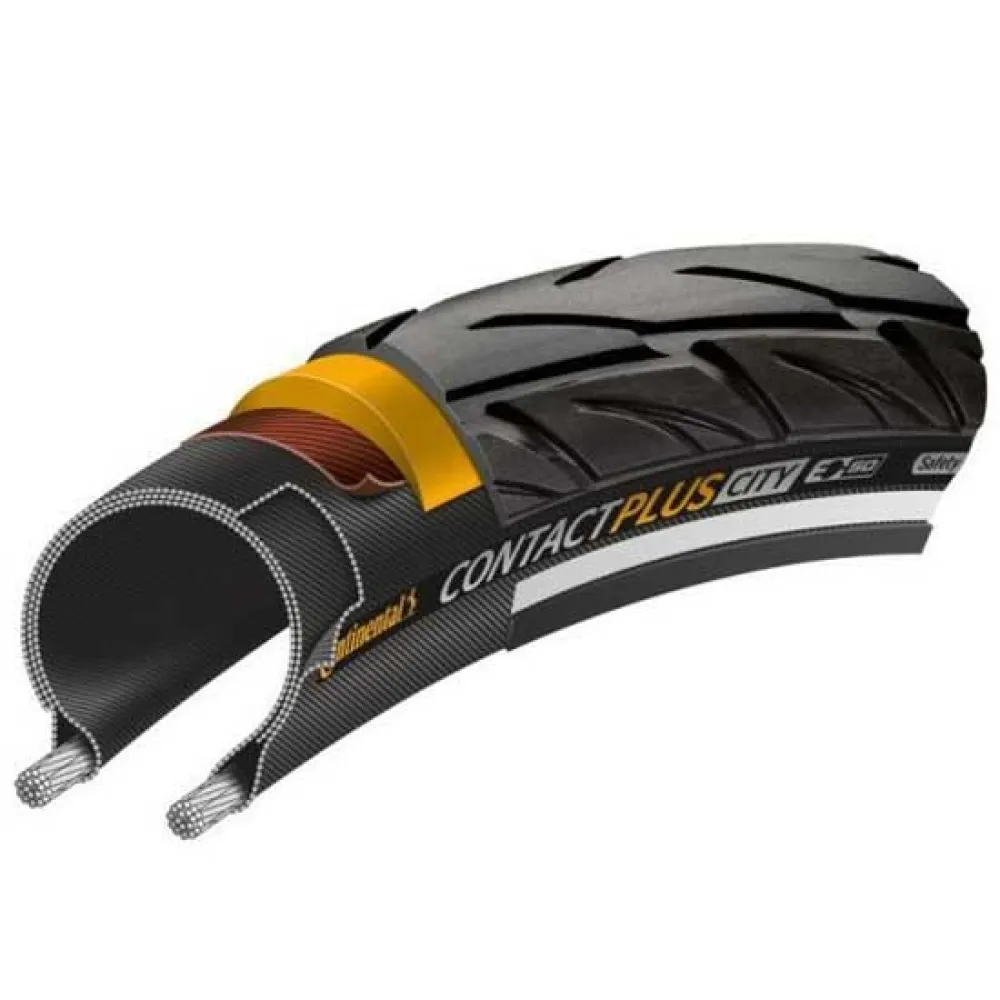
Estimated$35 – $65
The CST Metropolitan Palm Bay targets style-conscious city cruisers with a wide, comfortable casing and a fashion-forward tread that delivers moderate puncture protection at a competitive price. Technically it emphasizes comfort and stability over heavy anti-puncture inserts, making it a sensible mid-budget pick that sits between the Kenda’s economy value and the higher-tech, more puncture-resistant Schwalbe and Continental options.
Show More Puncture Resistant Cruiser Bicycle Tires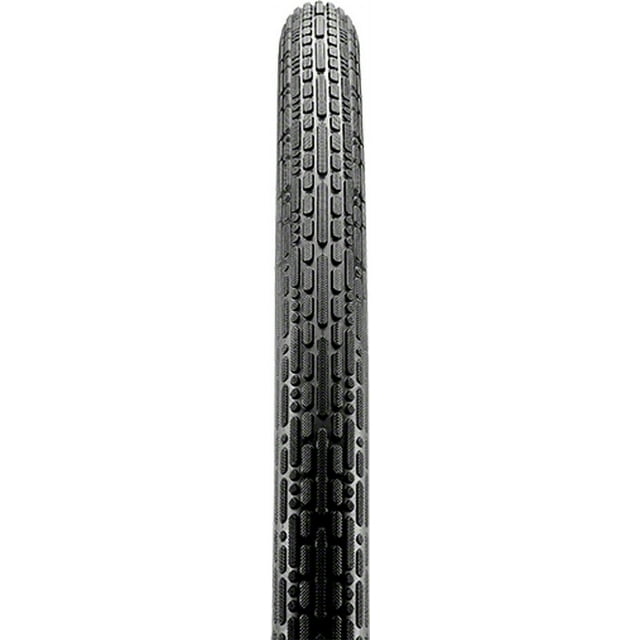
Estimated$40 – $65
CST Traveller City Classic 16 inch
The CST Traveller City Classic 16 inch is the most budget-friendly option on the list, offering a practical puncture-resistant belt and broad availability that make it an economical choice for rapidly growing children or spare bikes. While it won't match the Marathon Plus for absolute flat prevention or Continental for rolling efficiency, CST provides dependable everyday durability at a lower upfront cost.
Show More Puncture Resistant Kids Bicycle Tires
Estimated$15 – $30
Panaracer Pasela ProTite is noted for its smooth-rolling tread and reliable ProTite puncture belt that preserve comfort and speed on city roads without the weight penalty of some ultra-protective tires. Financially and technically, it frequently undercuts premium options like the Schwalbe while offering superior ride quality to many budget models, making it a smart choice for riders who want good puncture protection and light, efficient performance for daily commuting.
Show More Puncture Resistant Hybrid Bicycle Tires
Maxxis Hookworm is a heavy-duty urban tire prized for its thick, flat-resistant tread and affordability, making it a go-to for short-range, high-load cargo hauling where puncture toughness and durability matter more than low rolling resistance. It is generally less refined and heavier than the Schwalbe and Continental options but offers excellent value for riders prioritizing raw durability over touring efficiency.
Show More Puncture Resistant Cargo Bicycle Tires
We may earn a commission on purchases. It never affects our rankings.
$70.00CAD
What Research and Tests Show About Puncture Protection
Multiple laboratory tests and materials studies support the practical benefits of puncture-resistant tire technologies. Controlled puncture and penetration tests demonstrate that internal belts, woven reinforcements, and denser breaker layers markedly reduce the chance of sharp-object penetration. Materials science research on aramid and high-tenacity nylon indicates these fibers add cut resistance without catastrophic loss of casing integrity. Independent rolling resistance and durability tests also consistently show the expected tradeoff: additional protection usually adds some mass and can increase rolling resistance slightly, but for many commuting and touring use cases the net benefit is fewer flats and less downtime. Tubeless systems combined with sealant have been repeatedly validated in field tests to prevent many common punctures from leading to immediate flats, especially for smaller punctures in the tread.
Protective belts and liners reduce penetration in standard needle and puncture tests compared with unreinforced casings.
Aramid and high-tenacity nylon reinforcements increase cut resistance; lab work shows improved resistance to sharp objects while maintaining acceptable flexibility.
Tubeless tires plus sealant frequently stop small punctures in real-world riding, lowering roadside repairs and tube replacements.
Independent rolling resistance measurements show modest increases for puncture-resistant constructions; the protection-to-weight tradeoff is generally favorable for commuting and touring.
E-bike specific tests indicate heavier-duty casings and reinforced sidewalls are beneficial because higher torque and speed increase puncture exposure.
Frequently Asked Questions
Which tire should I choose for commuting near flats?
Choose the Schwalbe Marathon Plus for daily commuting because its thick SmartGuard layer “prevents the majority of typical road punctures,” and it’s rated 4.6.
How does the Schwalbe Marathon Plus prevent punctures?
Schwalbe Marathon Plus uses a thick SmartGuard rubber layer to prevent the majority of typical road punctures, with an extremely durable casing for high mileage touring and daily commuting.
Is Panaracer Pasela ProTite worth the lower price?
Panaracer Pasela ProTite costs $100.22 CADand still includes a ProTite anti-puncture belt under the tread, rated 4.2, giving dependable flat protection with a more budget-friendly touring/commuter setup.
Will the Panaracer Minits Lite PT fit a folding bike?
Panaracer Minits Lite PT 20x1.25 is designed for folding-bike commuting thanks to its folding bead and compact 20" size, includes a PT puncture-protection belt, and is rated 4.2.
Conclusion
In the Canadian context, choosing a puncture resistant tire can mean fewer flats on busy city streets, safer long-distance rides through remote regions, and better seasonal resilience. We hope this guide helped you find the right balance between protection, weight, and ride feel for 2026. If you want to narrow results by tire width, tubeless compatibility, e-bike rating, or price, use the search or filters to refine or expand your options.