

Best Fat Bike Snow and Ice Tires in Canada 2026: Top 7 Picks
When winter in Canada brings deep snow, hardpack, and glassy ice, fat bike riders rely on tires engineered for maximum traction, flotation, and predictable handling. Fat bike snow and ice tires combine wide casings, dedicated tread patterns, specialized rubber compounds, and—when needed—metal studs to help riders maintain control in low-temperature, low-traction conditions. Canadian riders tend to favor studded or stud-ready options for icy trails, wider profiles for soft or variable snow, tubeless-ready casings to run very low pressures, and durable constructions that resist cuts from hidden debris. The market has matured with more performance-oriented choices that balance rolling efficiency for longer rides with the aggressive bite required for winter safety. This category guide highlights the features that matter to Canadian buyers—traction on ice, flotation in deep snow, compatibility with e-bike torque, and long-term durability—so you can choose the right tire for commuting, backcountry exploration, or trail shredding across the country.
Inception's AI took the time to understand this market in Canada · · How we pickWe may earn a commission on purchases. It never affects our rankings.
Top Picks Summary
45NRTH Dillinger 5 Studded
The 45NRTH Dillinger 5 Studded is best-in-class for icy fat-bike riding thanks to a dense pattern of carbide studs and a wide, low-pressure profile that combines flotation in deep snow with exceptional bite on black ice. Compared with the Maxxis Minion FBF and Bontrager Gnarwhal Team Issue it sacrifices some rolling speed and weight for unmatched ice traction and long-term durability, making it the top technical choice for commuters and expedition riders who prioritize safety in true winter conditions.

We may earn a commission on purchases. It never affects our rankings.
$240.00CAD
45NRTH Wrathchild
The Wrathchild is the market leader for studded, ice-focused fat-bike performance with a dense, low-profile stud layout that bites on slick surfaces while keeping rolling resistance reasonable. Against the Dillinger 5's flotation focus and Schwalbe's premium tungsten studs, the Wrathchild offers a strong balance of studded grip, weight, and competitive pricing for steep, technical winter riding.

Schwalbe Ice Spiker Pro
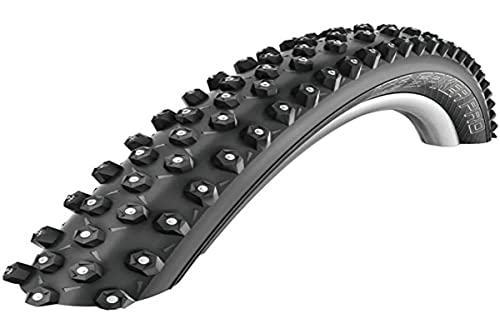
The Schwalbe Ice Spiker Pro is the premium studded option known for tungsten-carbide studs and an exceptionally dense stud pattern, delivering top-tier ice traction at a premium price. Technically superior on pure ice compared with the Wrathchild and the studdable Vanhelga, its higher cost and heavier construction make it less ideal for deep powder where the Dillinger 5 or lighter Cake Eater are better choices.
Terrene Cake Eater
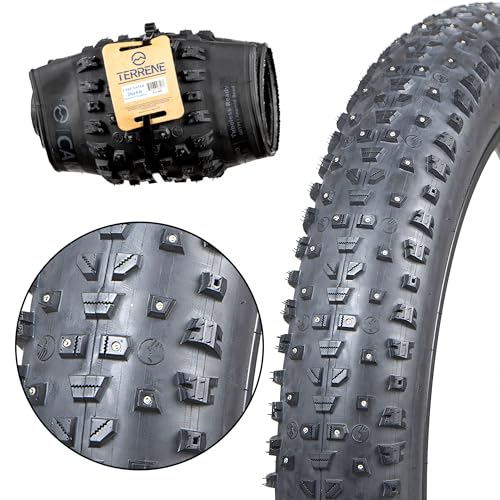
The Terrene Cake Eater is a lightweight, low-rolling-resistance fat tire optimized for packed and groomed snow, making it an affordable and efficient option for winter riders focused on speed and distance. Compared with the Dillinger 5's deep-snow specialization and the studded Schwalbe, the Cake Eater provides a superior budget-to-efficiency trade-off for riders who encounter less extreme, more maintained winter surfaces.
We may earn a commission on purchases. It never affects our rankings.
$219.99CAD
Maxxis Minion FBF
The Maxxis Minion FBF is a market-leading fat-bike tire for mixed snow and firm-packed winter trails, offering an aggressive, widely spaced knob profile and reliable Maxxis casing tech that delivers predictable handling and flotation without studs. While it lacks the ice-specific studded bite of the Dillinger 5 and is a bit more aggressive than the Bontrager Gnarwhal, its broad availability and competitive price-to-performance ratio make it a go-to choice for riders who want strong traction and durability across varied winter surfaces.

Estimated$119 – $189
45NRTH Vanhelga
The Vanhelga is 45NRTH's versatile, semi-slick fat tire designed for mixed winter conditions, pairing a fast center tread with pronounced side lugs for confident cornering and reasonable flotation. It offers a strong compromise in this lineup—more efficient rolling than the Dillinger 5 and lighter alternatives like the Cake Eater, while remaining studdable and tougher in mixed snow than many purely lightweight tires.

We may earn a commission on purchases. It never affects our rankings.
Estimated$220 – $320
Bontrager Gnarwhal Team Issue
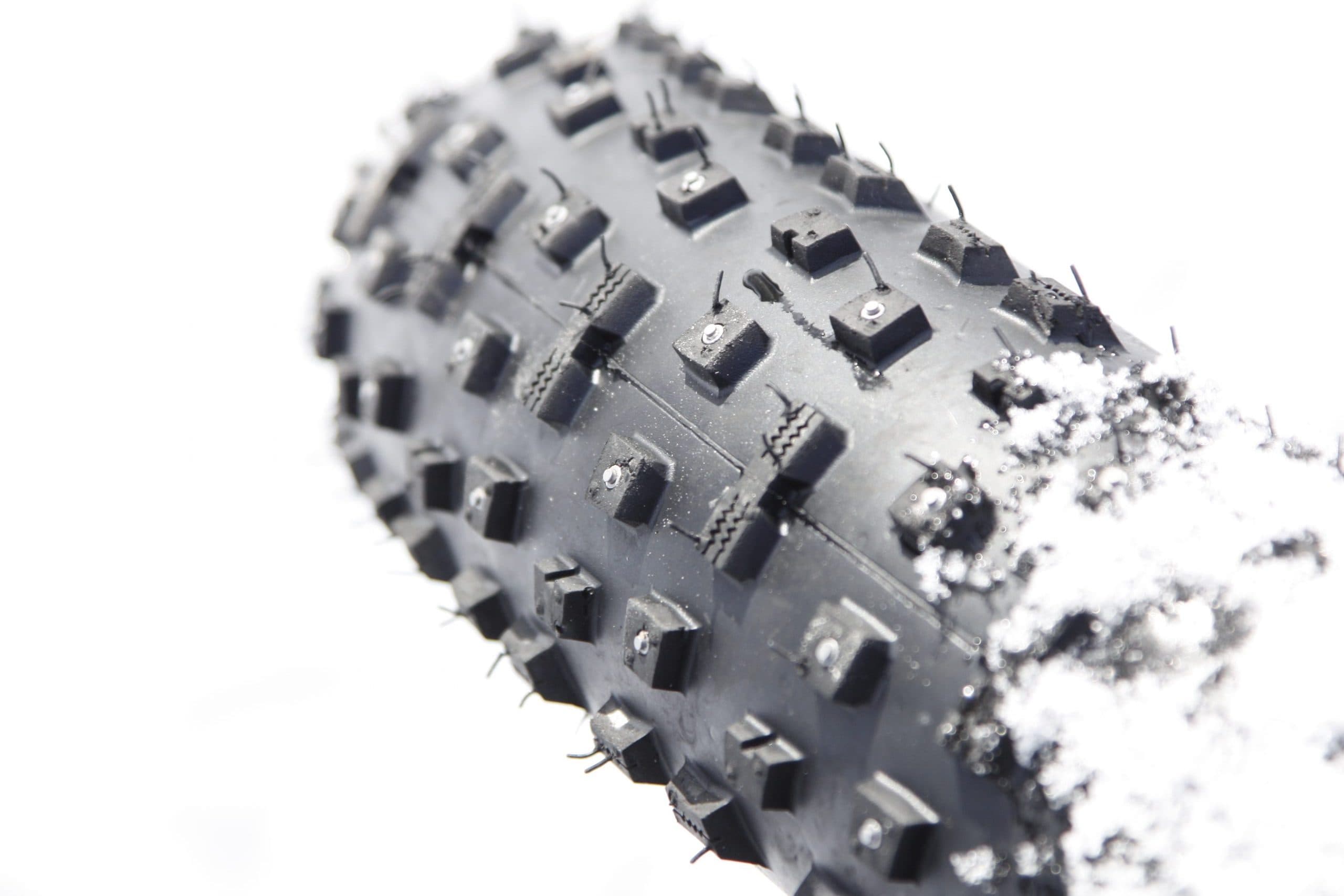
The Bontrager Gnarwhal Team Issue is a race-focused fat-bike snow tire with a fast-rolling, hooked-tread design and reinforced Team Issue casing that excels in soft, variable snow and tubeless setups. Positioned between the studded 45NRTH and the more aggressive Maxxis, it delivers lighter weight, excellent rolling efficiency and strong cornering for competitive riders, while Trek/Bontrager distribution often makes it a financially smart pick for those seeking high performance without the premium of specialized studded rubber.
We may earn a commission on purchases. It never affects our rankings.
$159.99CAD
Why winter fat tires work: science and test-backed benefits
Laboratory testing and field evaluations show that several physical principles explain why fat bike snow and ice tires improve winter riding. The combination of larger contact area, lower inflation pressures, purpose-built tread geometry, and optional metal studs produces measurable gains in traction, flotation, and braking stability. Below are accessible, research-backed points and practical takeaways to help beginners understand how tire design translates into on-snow performance.
Studs and ice traction: Independent braking and traction tests repeatedly find that metal studs reduce slip and shorten stopping distance on hard ice compared with non-studded tires. Stud patterns and stud size determine how well the studs bite without causing excessive wear.
Contact patch and flotation: Wider tires at lower pressures increase the contact area with snow, which lowers ground pressure and reduces sinking. Field studies and pressure-measurement tests confirm better floatation and easier momentum maintenance in deep or soft snow.
Tread geometry and snow shedding: Tread shapes with tall, widely spaced knobs shed packed snow more effectively, maintaining biting edges. Controlled tests show that knob spacing and orientation influence acceleration and cornering grip in mixed winter conditions.
Rubber compounds and cold performance: Cold-weather-specific rubber stays more flexible at low temperatures, preserving grip. Laboratory durometer comparisons demonstrate that winter compounds retain better elasticity and traction below freezing than standard compounds.
Tubeless setups reduce flats and allow lower pressures: Tire tests and rider reports show tubeless-ready fat tires can be run at lower pressures to increase traction while reducing pinch flat risk, provided rim compatibility and proper sealant are used.
Trade-offs: Lower pressure and deeper treads improve grip but increase rolling resistance and weight. Real-world testing balances these factors depending on use case: commuting, racing, or backcountry touring.
Maintenance and longevity: Regular stud checks, proper storage, and correct inflation minimize wear. Field serviceability and warranty claims in aftermarket reviews are useful indicators of long-term durability.
Conclusion
Across Canada, the right winter fat tire can transform a risky ride into a confident adventure. The seven standouts on this page are the 45NRTH Dillinger 5 Studded, 45NRTH Wrathchild, Schwalbe Ice Spiker Pro, Terrene Cake Eater, Maxxis Minion FBF, 45NRTH Vanhelga, and Bontrager Gnarwhal Team Issue. Each serves a different winter need: the 45NRTH Dillinger 5 Studded is our top overall pick for icy Canadian conditions thanks to its aggressive stud pattern and proven ice traction, while the Wrathchild and Ice Spiker Pro excel where pure bite on hardpack and ice is required. The Terrene Cake Eater and Maxxis Minion FBF offer float and agility in softer snow, the 45NRTH Vanhelga blends supple casing and stud-ready versatility, and the Bontrager Gnarwhal Team Issue is a high-performance option for riders who want a race-oriented tread. We hope you found the information you needed; if you want to refine or expand the results, use the search to filter by studded versus studless, tire width, tubeless compatibility, or retailer availability in Canada.