

Top 5 Core Equine Vaccines in Canada for 2025 - Expert Guide to Tetanus, Rabies, West Nile, Encephalomyelitis and Practical Immunization Options
Essential vaccines routinely recommended for all horses to prevent high-impact diseases such as tetanus, rabies, and West Nile virus. This category covers vaccine types, typical schedules, and best-practice guidance for both emergency and routine equine immunization in Canada. Canadian owners and managers increasingly prefer clear, evidence-informed guidance that balances regional risk (for example, seasonal increases in mosquito activity that influence West Nile virus risk), regulatory requirements, and practical barn routines. The category is appealing because it distills veterinary recommendations into actionable choices for everyday horse care, helping owners reduce severe illness, protect foals and pregnant mares, and ensure safe transport and competition compliance.
Inception's AI took the time to understand this market in Canada · · How we pickWe may earn a commission on purchases. It never affects our rankings.
Top Picks Summary
Zoetis Tetanus Toxoid is a focused, monovalent vaccine favored for targeted tetanus prevention in horses; its simplicity makes it cost-effective for clinics and owners who only need tetanus protection rather than broad-spectrum coverage. Compared with the multivalent products in this list, it typically offers lower per-dose cost and a straightforward administration profile, making it the practical choice when tetanus is the sole concern.
Show More Tetanus Vaccines for Horses
Estimated$40 – $80
Nobivac 1-Rabies is an inactivated rabies vaccine for horses with a long clinical track record and broad veterinary acceptance, making it a market-leading choice for equine rabies prevention. It is valued for consistent immunogenicity, an established safety profile, and wide global availability—advantages that translate into predictable procurement and competitive pricing for clinics and practices compared with less-established alternatives. For the specific use case of rabies vaccination in horses, its regulatory recognition and steady supply chain help reduce logistical and financial uncertainty when planning herd or individual equine vaccination programs.
Show More Rabies Vaccines for Horses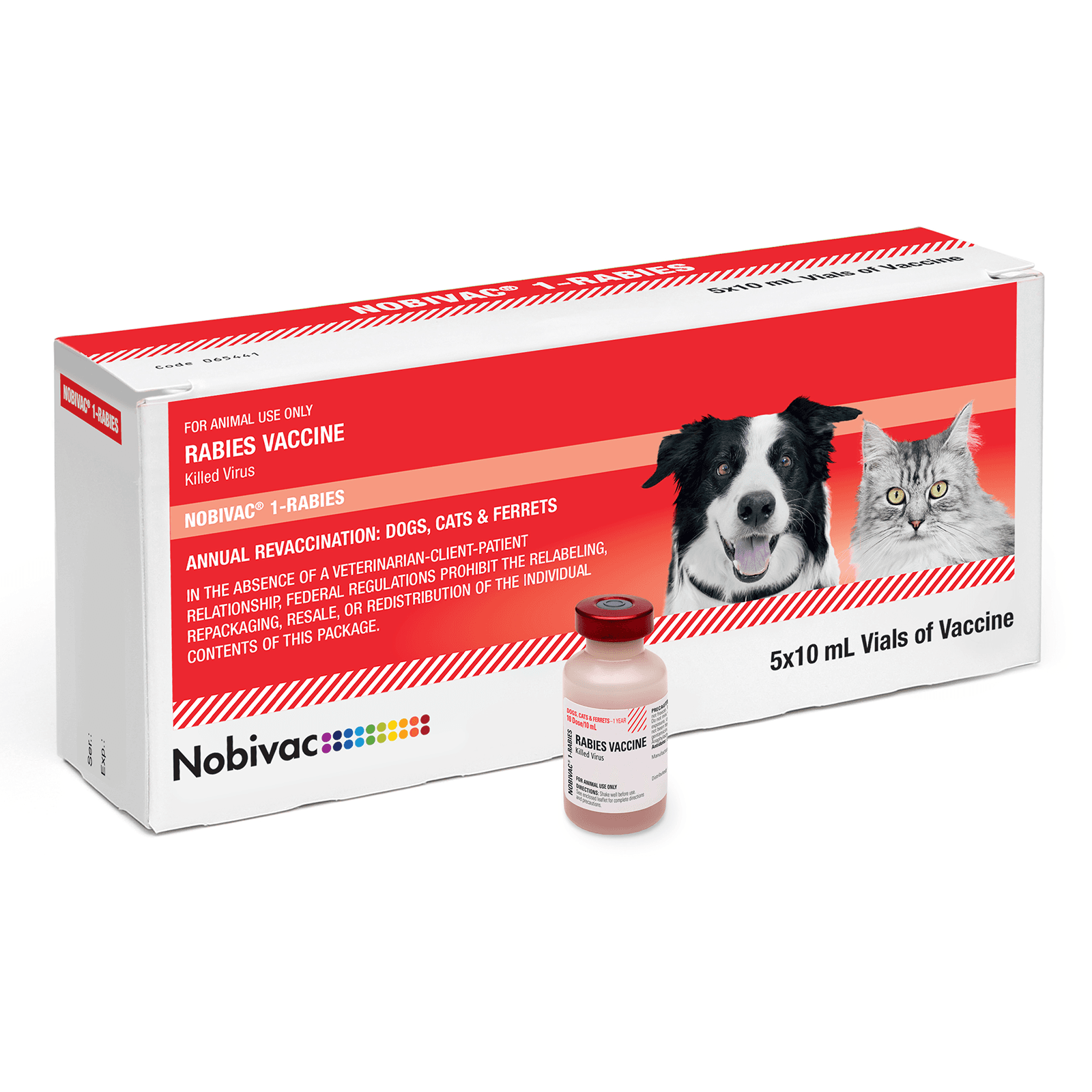
Estimated$30 – $60
West Nile-Innovator is positioned as a market-leading, widely adopted West Nile vaccine for horses due to a long track record of field use and broad veterinary distribution, making it a default choice for large stables and boarding operations. Compared with the other listed vaccines it emphasizes proven real-world efficacy and supply-chain availability, which can translate into lower acquisition risk and predictable budgeting for equine operations that prioritize established performance over newest-technology premiums.
Show More West Nile Vaccines for Horses
Vetera EWT+WNV is positioned as a cost-efficient, multivalent option for equine encephalomyelitis vaccination, combining Eastern/Western/Tetanic coverage with West Nile protection to reduce the number of clinic visits. It stands out against single-focus or higher-priced multivalents on this list by offering broad coverage in a single dose, which translates to lower per-horse administration cost and streamlined herd vaccination logistics compared with some premium competitors.
Show More Equine Encephalomyelitis Vaccines
We may earn a commission on purchases. It never affects our rankings.
$503.35CAD
Vetera Gold XP is positioned as best-in-class for multivalent vaccine formulations for horses thanks to a proprietary adjuvant system and broad antigenic coverage that promotes longer-lasting immunity and reduced annual booster needs. Compared with Prestige V + WNV and Fluvac Innovator 6 it trades a modestly higher per-dose cost for fewer re-vaccinations per year, and it delivers a wider antigen mix than EquiVac Innovator 4-Way or the more core-focused Core EQ Innovator, giving strong technical and lifetime-cost advantages for high-value equine athletes.
Show More Multivalent Vaccine Formulations for Horses
We may earn a commission on purchases. It never affects our rankings.
$698.66CAD
What the Research and Guidelines Say About Core Equine Vaccines
Core equine vaccines are supported by veterinary consensus statements and peer-reviewed research showing reduced incidence and severity of targeted diseases, protection of individual horses and herd-level benefits. Leading veterinary organizations and field trials demonstrate consistent antibody responses and decreased hospitalization and mortality where vaccination coverage is maintained. Understanding how vaccines work, recommended timing, and the evidence behind them helps owners make informed decisions with their veterinarian.
Tetanus: Studies and veterinary practice show that tetanus toxoid vaccines produce reliable protective antibody titers after a primary series plus one-year booster; vaccination is widely accepted as the single most effective prevention for tetanus outcomes in horses.
Rabies: Rabies vaccination using killed-virus products is highly effective in preventing clinical rabies and is a public health priority; Canadian provincial rules and veterinary guidelines emphasize up-to-date rabies vaccination for many horses, particularly those with human contact or travel.
West Nile Virus (WNV): Field data and controlled trials indicate that WNV vaccines significantly reduce the risk of neuroinvasive disease and death; seasonal vaccination timed before mosquito season is a common, evidence-backed recommendation in Canadian risk areas.
Encephalomyelitis (EEE/WEE): Vaccination against eastern and western equine encephalomyelitis has demonstrated protection from severe neurologic disease in regions where these viruses occur; combined products and appropriate boosters are recommended when regional risk exists.
Maternal Vaccination and Passive Immunity: Research supports targeted vaccination of pregnant mares to raise colostral antibodies that protect foals during their first months, while careful timing avoids interference from maternal antibodies with the foal’s own vaccine responses.
Frequently Asked Questions
Which vaccine should I pick for tetanus-only coverage?
For targeted tetanus prevention, choose Zoetis Tetanus Toxoid, an inactivated tetanus toxoid formulated specifically for horses and the simplest monovalent option here; it is rated 4.6.
Which products on this list cover multiple core diseases in one shot?
Vetera EWT+WNV is a killed combination covering Eastern and Western equine encephalomyelitis, tetanus and West Nile virus in one dose, and West Nile-Innovator + VEWT adds Venezuelan encephalomyelitis to that same EEE/WEE/tetanus/West Nile coverage. Both reduce the number of separate injections compared with single-disease products.
What does a core equine vaccination cost?
On this list the monovalent products run roughly $30-80 CAD per dose and the multivalent combinations roughly $35-140 CAD per dose, before the veterinary visit or farm-call fee. Core vaccines are typically given as a primary series followed by an annual booster.
What counts as a core equine vaccine?
Per AAEP guidelines the core equine vaccines recommended for every horse are rabies, Eastern and Western equine encephalomyelitis (EEE/WEE), tetanus, and West Nile virus. Risk-based vaccines such as influenza, herpesvirus and strangles are added based on a horse's exposure, age and travel.
Conclusion
This guide summarizes core vaccine choices and practical immunization considerations for horses across Canada in 2025. We hope you found the information helpful for emergency and routine equine health planning. If you want to refine results by region, horse age, pregnancy status, or travel/competition needs, use the search to expand or narrow your inquiry.